ไทย
ไทย

Travel Lamphun - Visit Ban Yong Lamphun
Travel Ban Yong Lamphun http://www.hotsia.com > Travel Lamphun > Travel Ban Yong Lamphun. Visiting Yong City in Lamphun. Yong refers to the Tai Lue people, originally from a place called Yong City, located north near Tachileik towards Kengtung in Myanmar. Hence, they are called Yong people, similar to how someone from Bang Bo is called Bang Bo people. Lamphun province is home to nearly 89% Yong people (data from 1846). Over the years, the population has grown, but most people in Lamphun are still likely to be Yong.
However, during my visit to Lamphun today, I hardly saw the Yong identity except in the spoken language and weaving crafts that I could still imagine. I plan to visit Yong City in Kengtung province soon because Myanmar has opened tourism to Kengtung, but you must hire a local Burmese guide for 1,000 baht per day. I really want to go to Kengtung and Yong City because there isn’t much related to the Yong people to see in Lamphun.
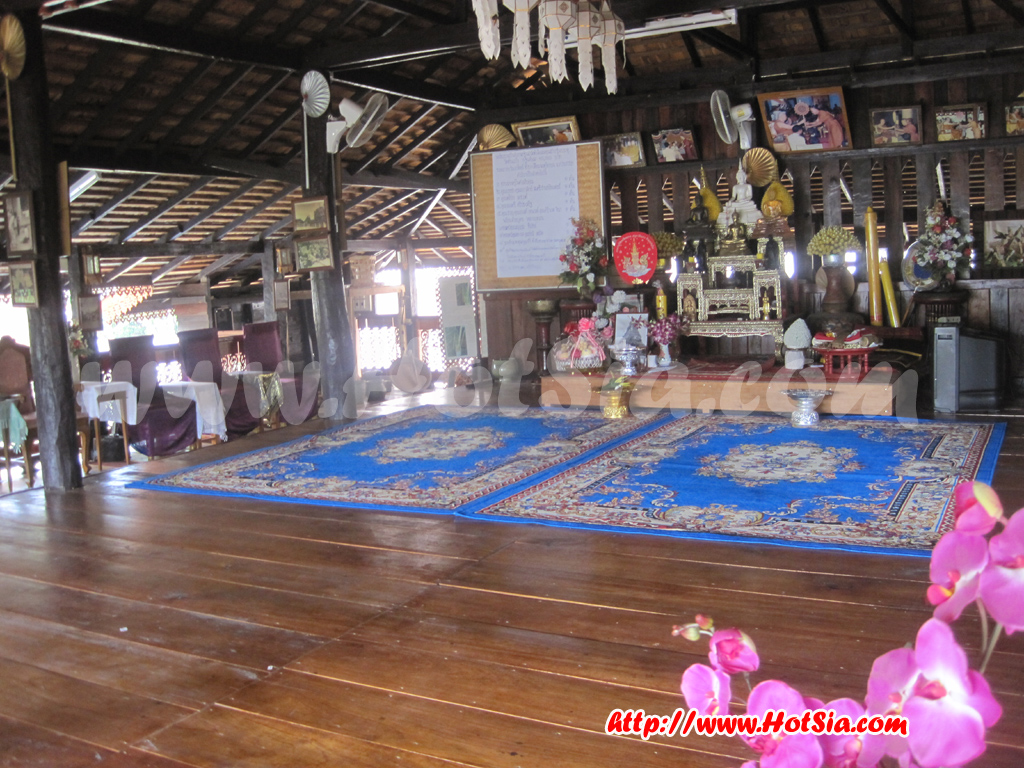
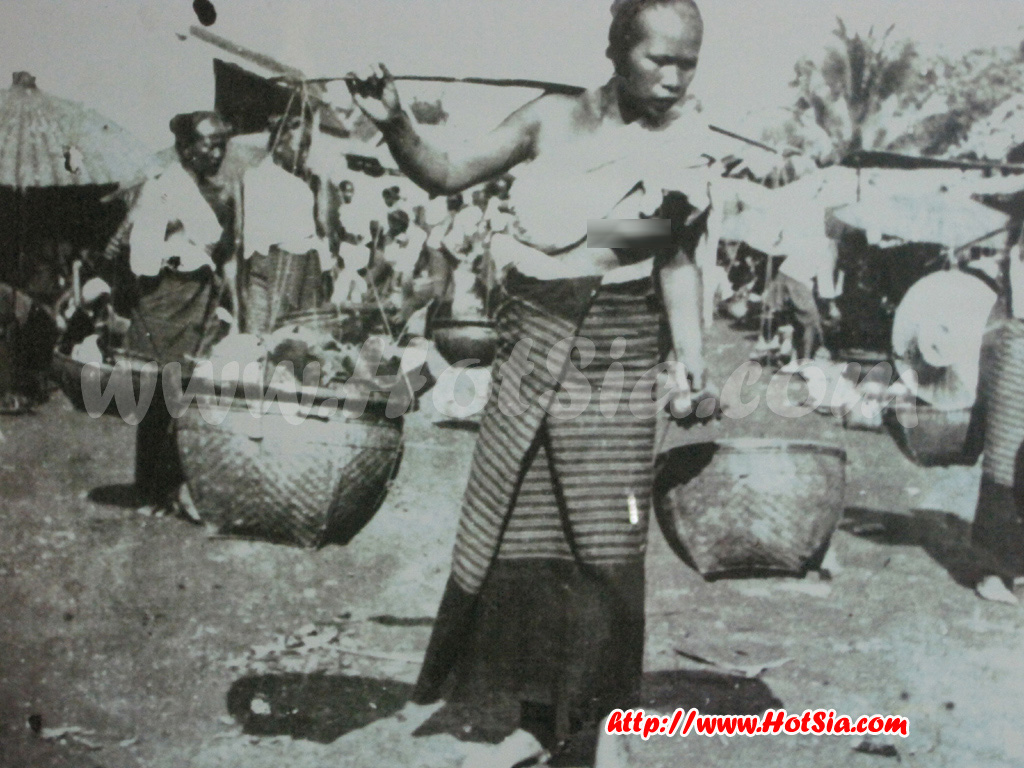
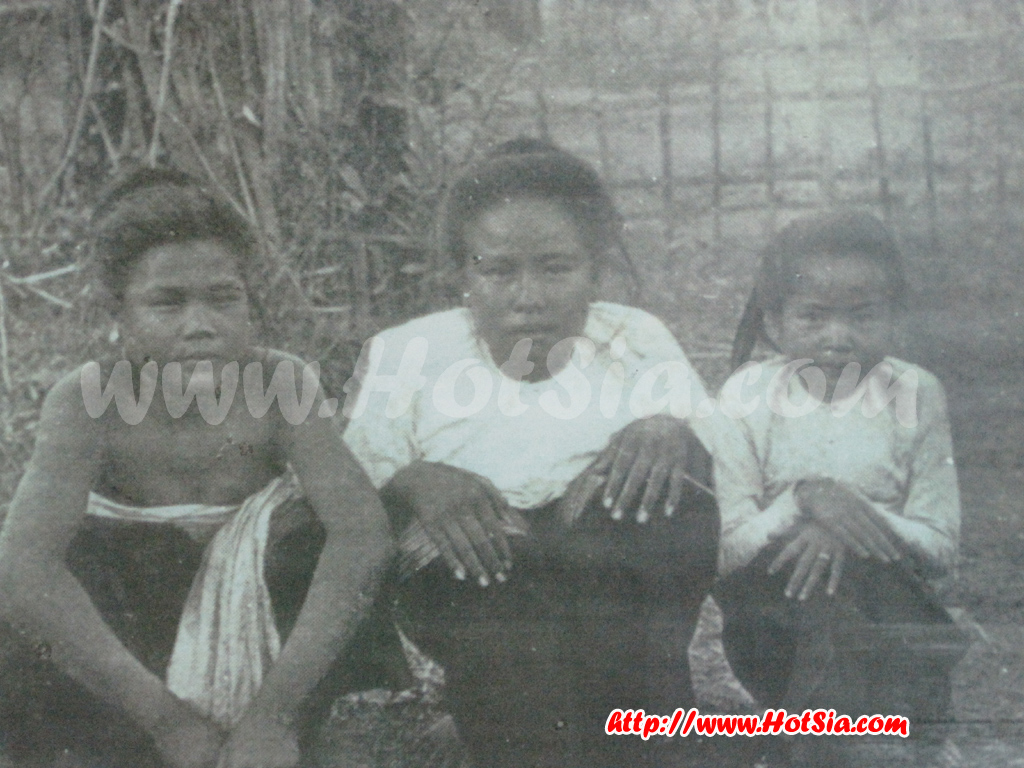
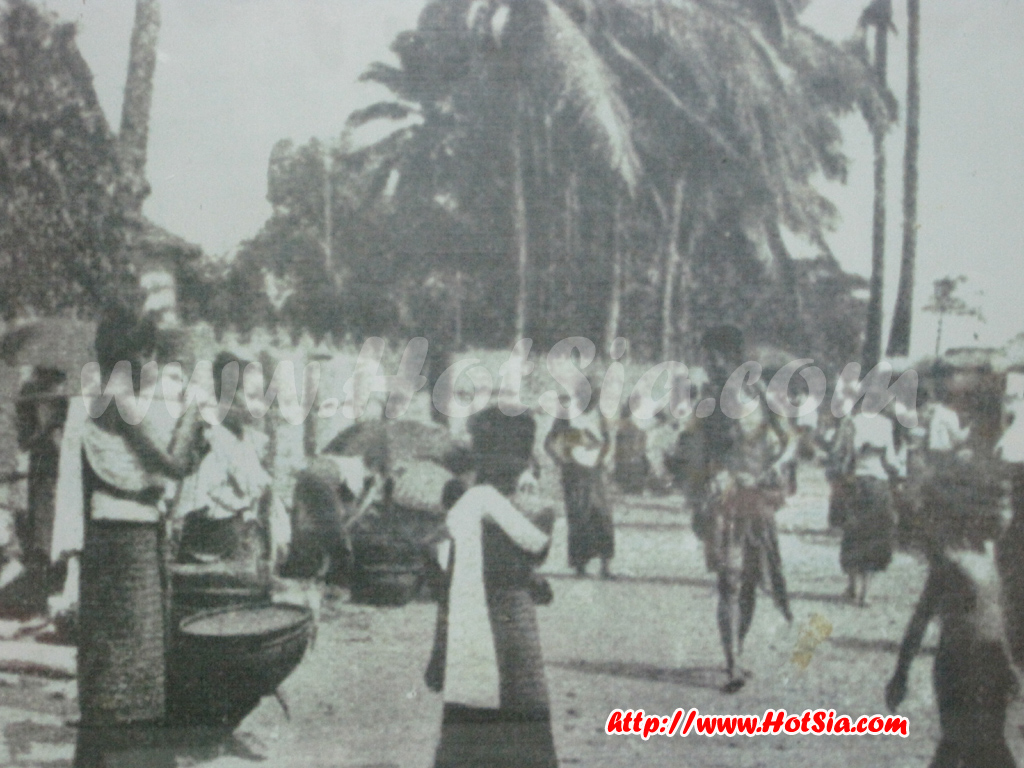
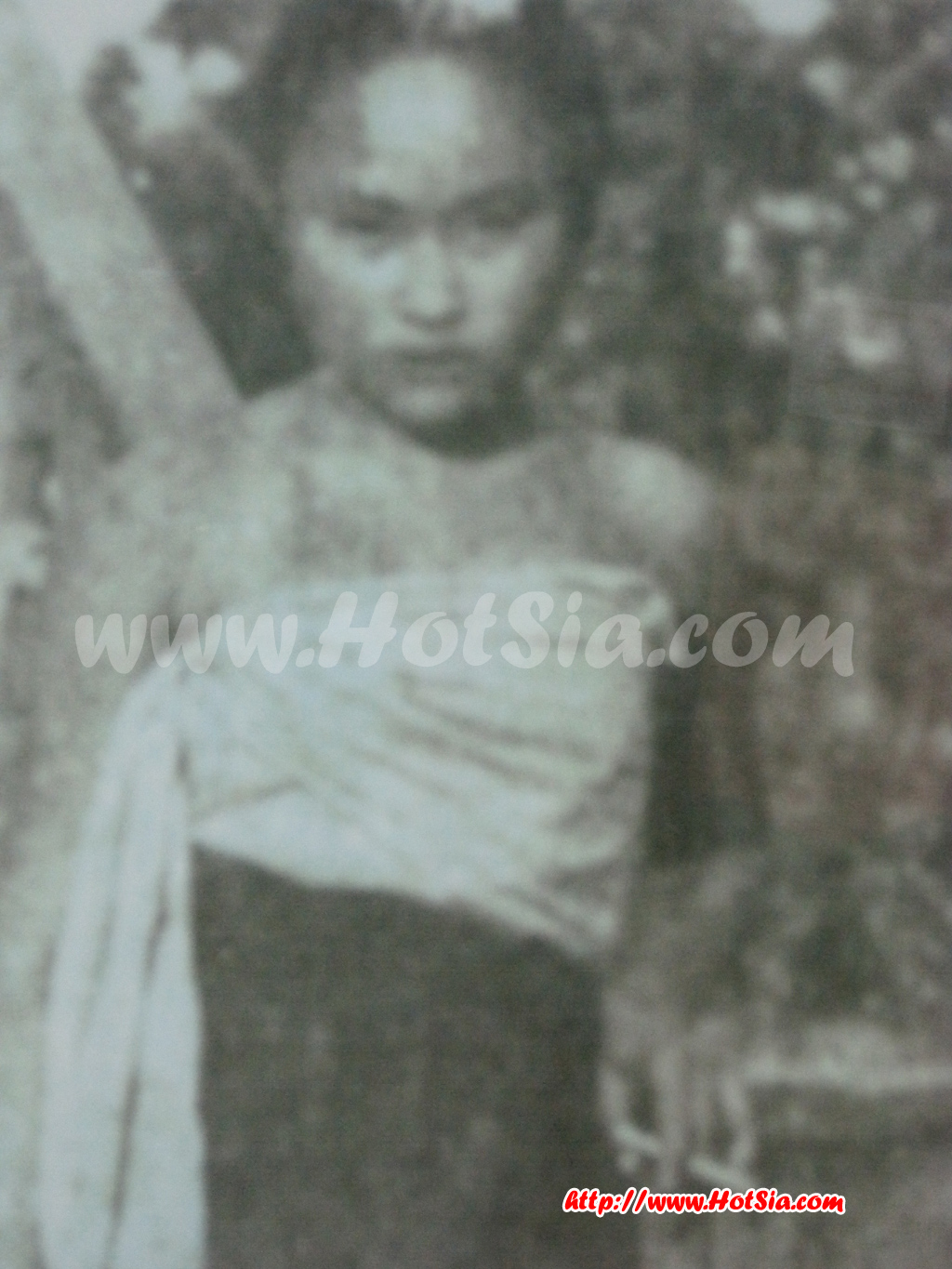
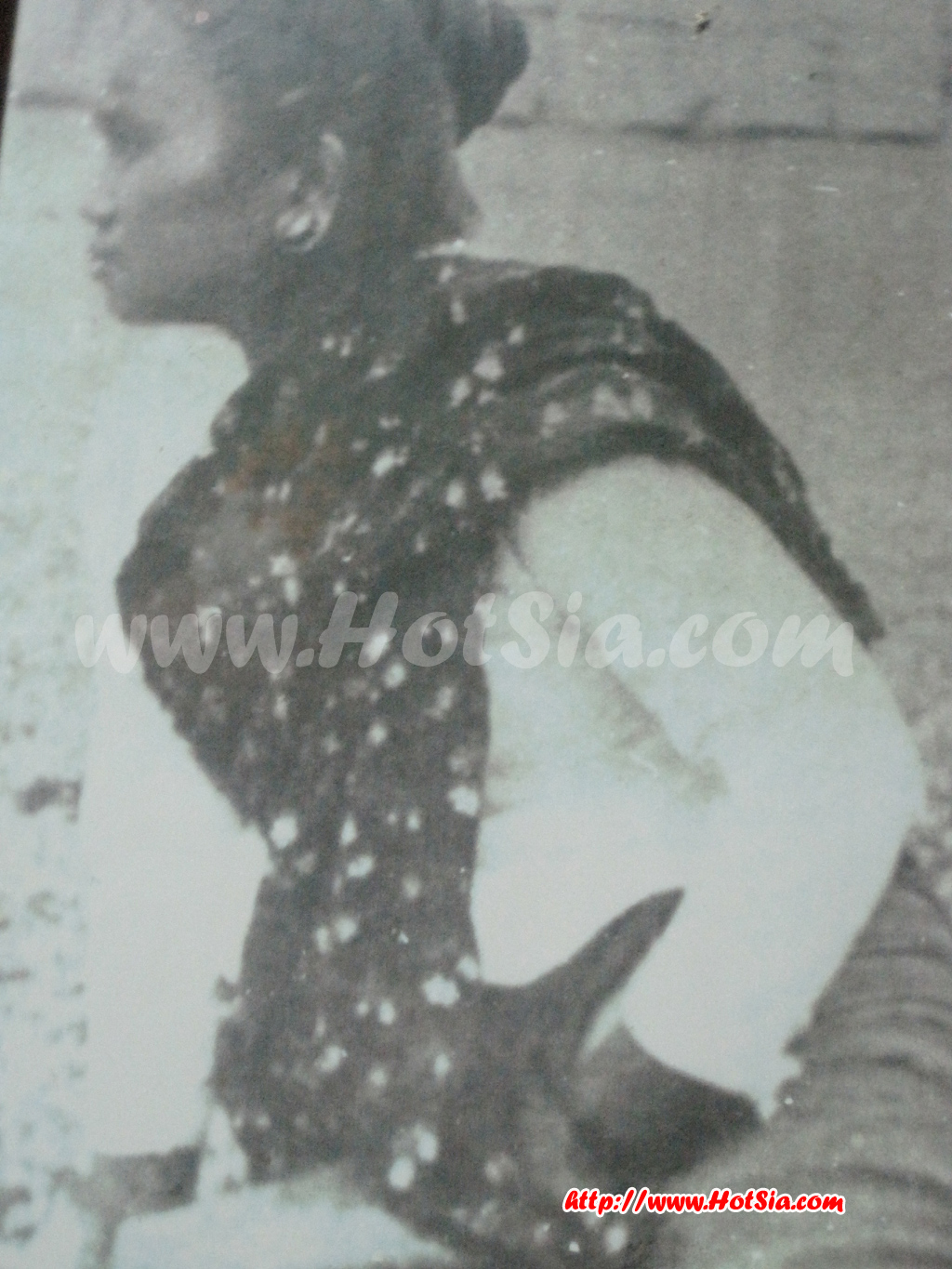
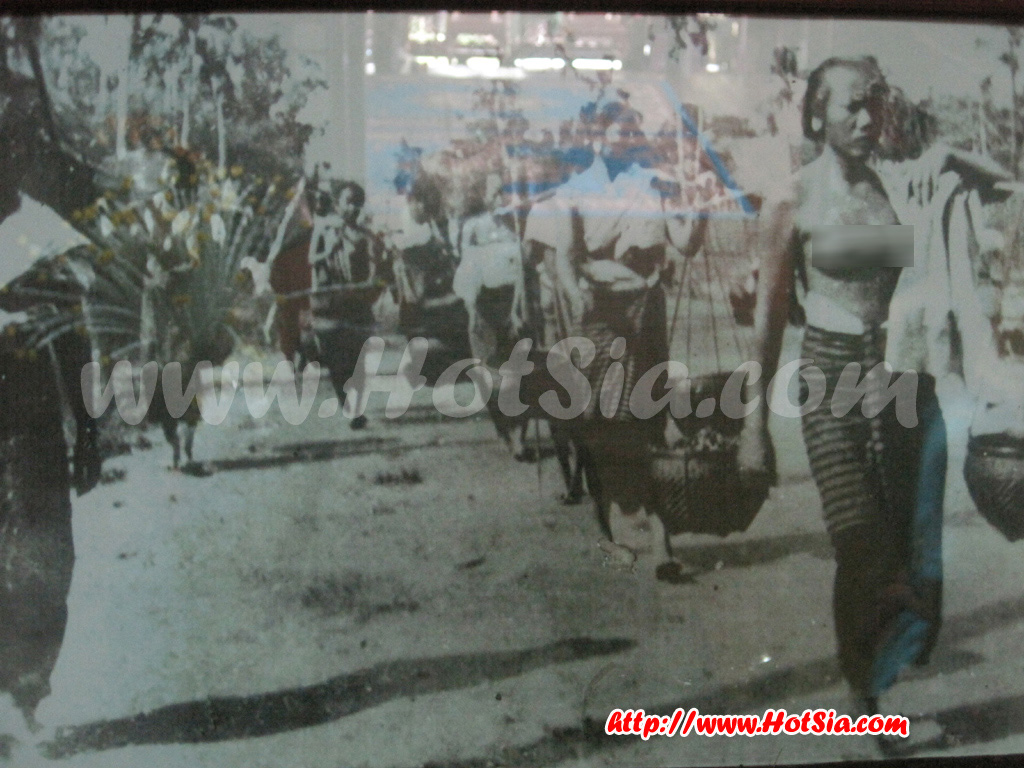
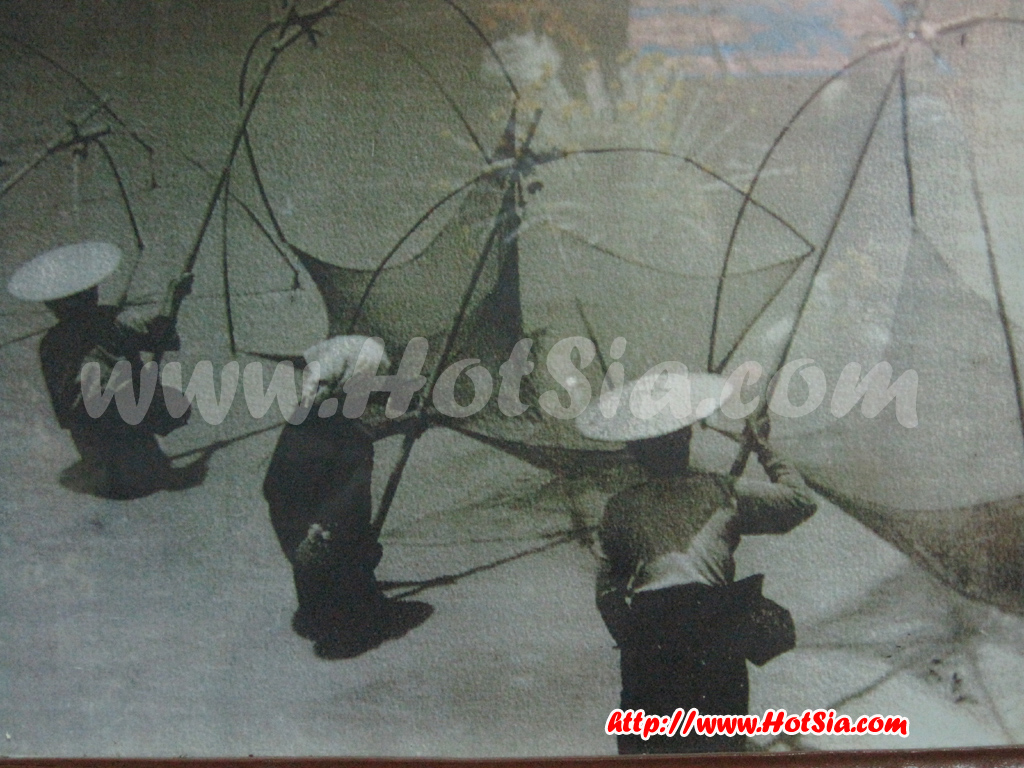
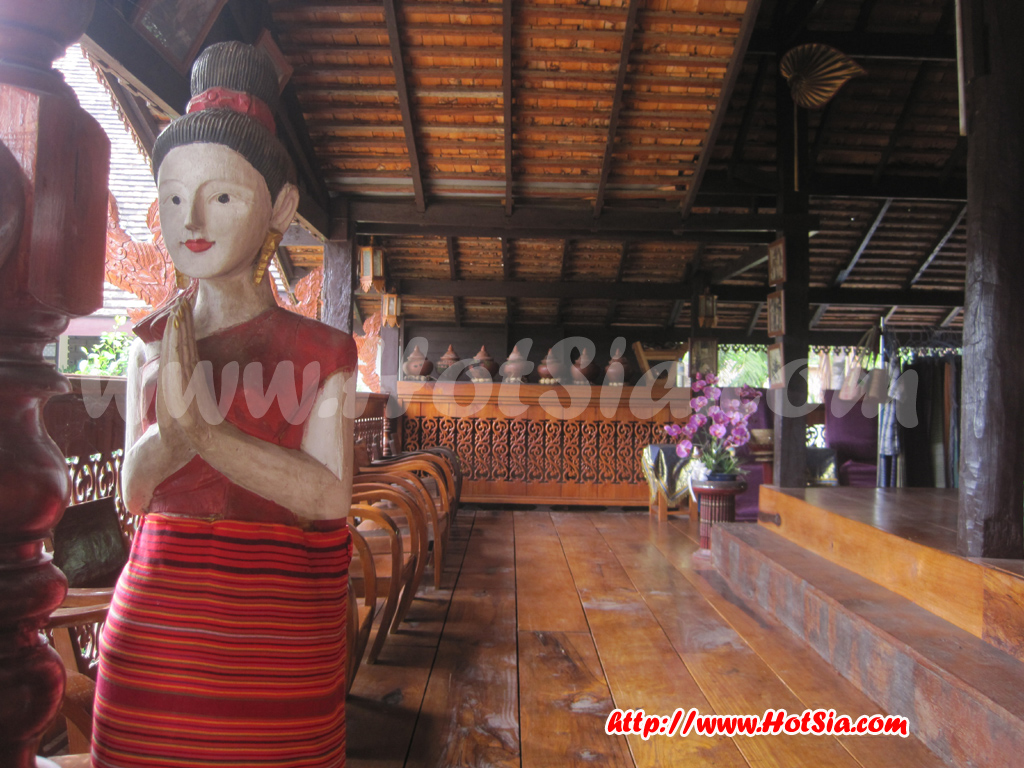
However, they have gathered the Yong community into the Yong Cultural Center located near Kad Khuamung. Walking along the road, it is on the left side. Here, there are old photos of the Yong people and weaving demonstrations. The photos you see on my website were taken here at the Yong Cultural Center. I also tried weaving in the Yong style and explored the history there, resting for a while. After returning from Lamphun, the Yong City, I am determined to visit the authentic Yong City in Myanmar and will bring back photos and videos to share with friends at Hotsia.com. Please be patient.
Regarding the history of the Yong people below, I would like to thank the additional information, images, and texts from http://www.kasetsomboon.org and http://lanna.mju.ac.th. Once I return from Yong City, I will share more information. For now, please read about the past and origins of the Yong people in Lamphun. Yong (pronounced Yong or Nyong) or Tai Yong is pronounced Nyong by the Lanna people, but the Tai Yong group usually pronounce it Yong. Yong or Tai Yong refers to
a group of people who settled in Yong City and spread throughout various towns in the eastern Shan State of Myanmar, the Twelve Pan Na region, and Yunnan Province in China. In 1805, the Yong people migrated mainly to Lamphun due to war and manpower recruitment. Later, they spread to various towns in Lanna. According to the latest survey (1993), traveling from Thailand to Yong City
starts from Tachileik, passing through Ko Market, Tha Duea Market (Len City), to Phayak City, covering 83 kilometers. The road is being widened. Before reaching Phayak, there is a market with a fork: turning right leads to Yong City, turning left to Kengtung. The road from Phayak to Yong City is 74 kilometers, narrow and dusty, with vehicles averaging 15 km/h (Saraswadee Ongskul, 1994). The name Yong or Nyong, the city’s name,
according to Yong City legend, comes from a type of grass that once grew in the area. Once, a hunter from Arwin City set fire to the forest, causing the Yong grass to scatter everywhere. Yong City’s Pali name is Mahiyangkhanakorn (Yong City legend). In the Lanna language, Yong means bright and radiant. Yong City is located east of Kengtung, about 80 kilometers apart, and about 157 kilometers from Mae Sai district, Chiang Rai province.
Yong City is a basin surrounded by mountains, with the western terrain higher than the east. The main rivers are the Lab, Wang, and Yong rivers, flowing eastward. Yong City has seven city gates: Suea Muang Gate, Noi Gate, Din Daeng Gate, Mon Saen Gate, Pang Hing Gate, Hu Hud Gate, and Pha Bong Gate. In the city center stands a Sree tree or Bodhi tree supported by wooden props, reflecting beliefs similar to those of Lanna people.
Yong City has a legend describing its development starting around the 18th Buddhist century, beginning with the settlement of indigenous groups such as the Lawa or Tamil people. Later, around the 19th Buddhist century, a Thai group from Chiang Rung led by Chao Sunantha, son of the Chiang Rung ruler, brought followers to govern Yong City over the indigenous people, supported by internal factors including
the integration of existing beliefs and rituals with Buddhism introduced later, fostering relations with indigenous people. External factors included kinship and tribute systems with Chiang Rung, Kengtung, and political alliances with cities in the Chiang Rai plain along the mid-Mekong River, such as Chiang Saen and Chiang Khong. Early Yong City thus had close social and cultural ties with Chiang Rung.
Due to these relations, the Yong people descend from migrants from Chiang Rung and other cities in the Twelve Pan Na, who are Lue or Tai Lue people. When they migrated to settle in Lamphun in 1805, people generally called them Yong people because at that time, Western-style nation-states had not yet emerged. People from various towns living together
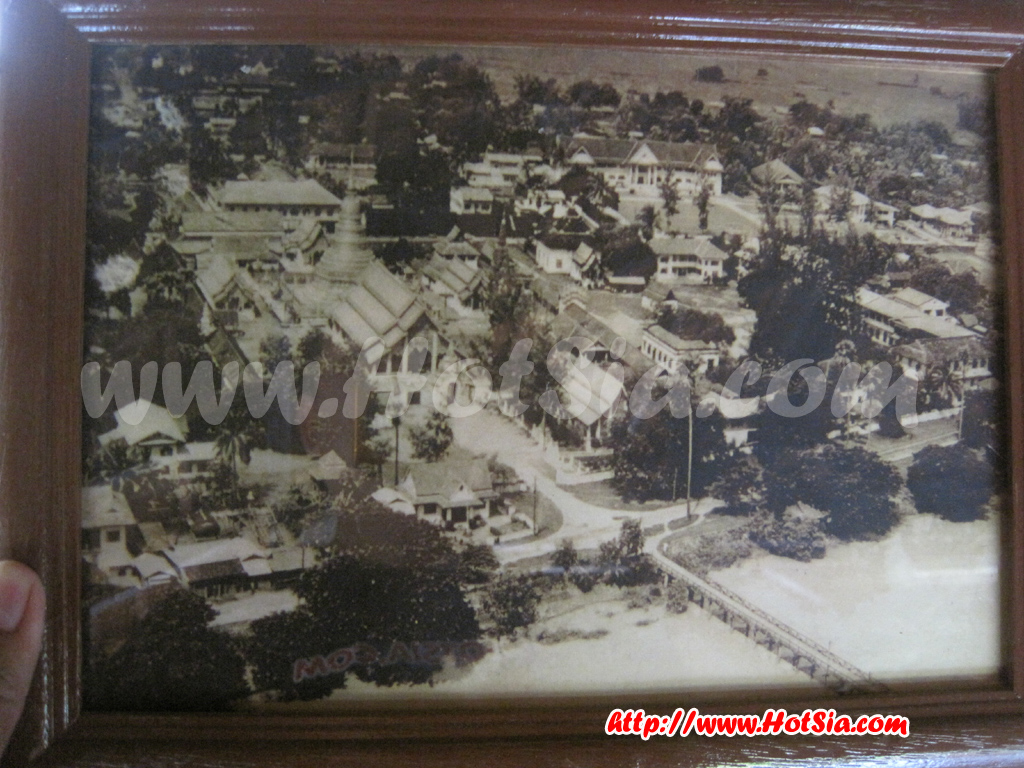
were called by their original hometown names, such as Chiang Mai people, Lampang people, Phrae people, Nan people, and Kengtung people. In the case of Yong people, the word 'city' was dropped, leaving only 'Yong people.' Therefore, Yong is not an ethnicity. Based on the historical development and background of Yong City, the Yong people are essentially Tai Lue. Old photos of Yong City and the settlement of Yong people in Lamphun between 1782-1804.
Before the restoration of Lamphun City, King Kawila had not appointed anyone as the ruler of Lamphun. The administration remained part of Chiang Mai until 1805. King Kawila saw the need to establish and restore Lamphun as a policy to prepare manpower to support Chiang Mai during wartime. Additionally, Lamphun’s population had decreased when King Kawila moved to Chiang Mai in 1796,
and had been lost due to unrest and multiple wars. Lamphun was thus ready to accommodate people from Yong and other cities. Lamphun’s proximity to Chiang Mai made it easy to control. It also served as a reward for relatives who had helped in wars for a long time and expanded political positions to prevent conflicts over future appointments among the seven ruling families.