ไทย
ไทย
 English

Salmon Farming in Sapa
mr.hotsia travel Vietnam Province Unspecified HOT06907

Salmon Farming in Sapa
When talking about Sapa, many people probably think of high mountains, sea of mist views, and the lifestyles of various hill tribes. But for me, mr.hotsia, seeing the salmon farms in Sapa is another impressive aspect that I want to share with everyone.
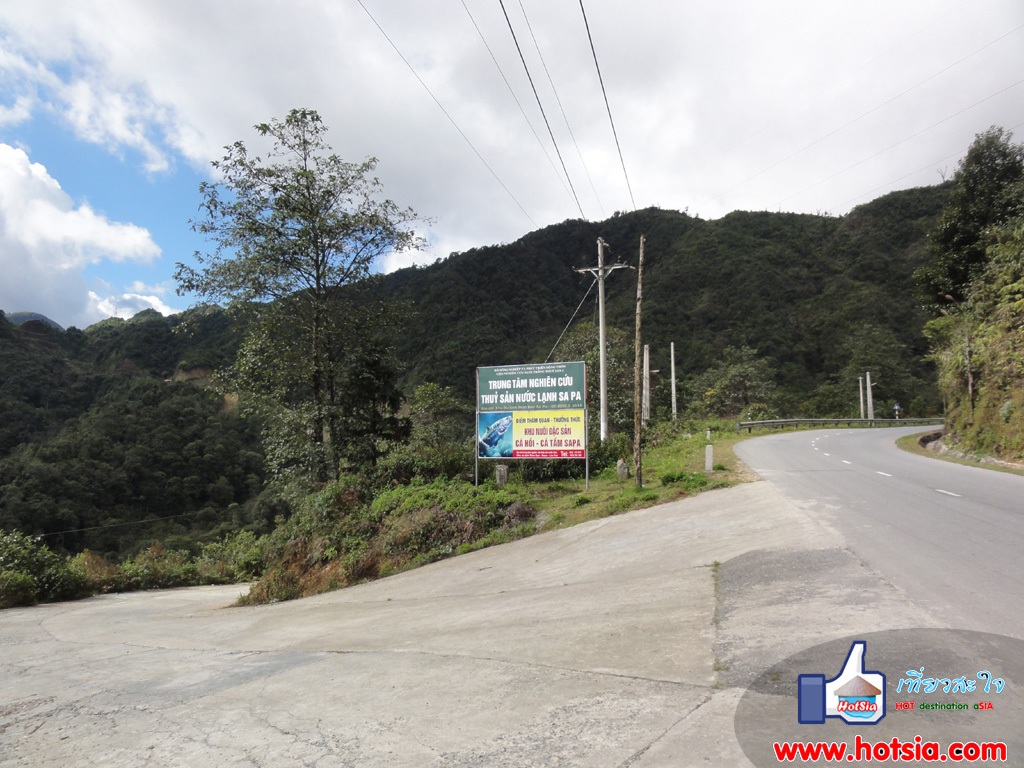
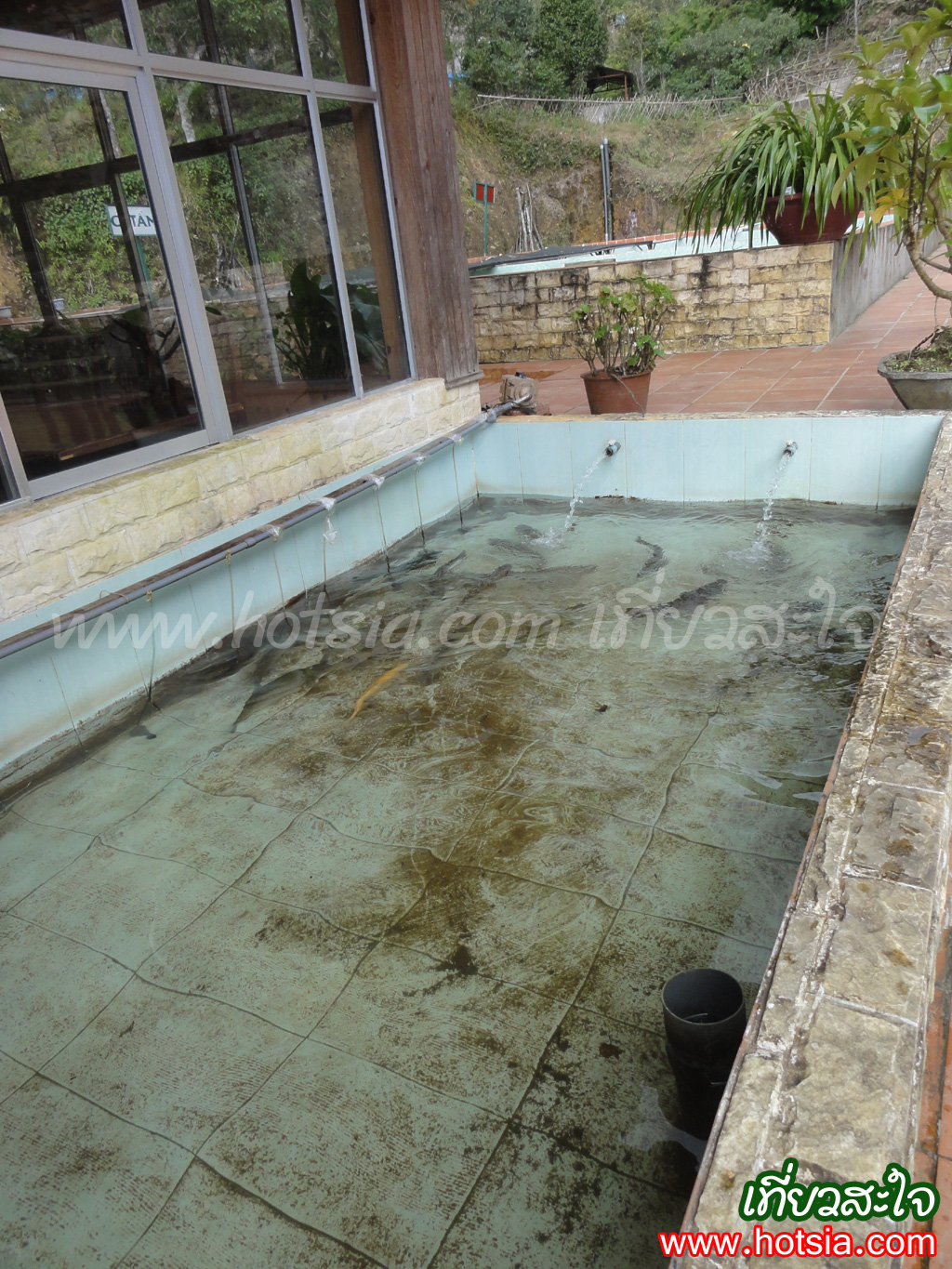
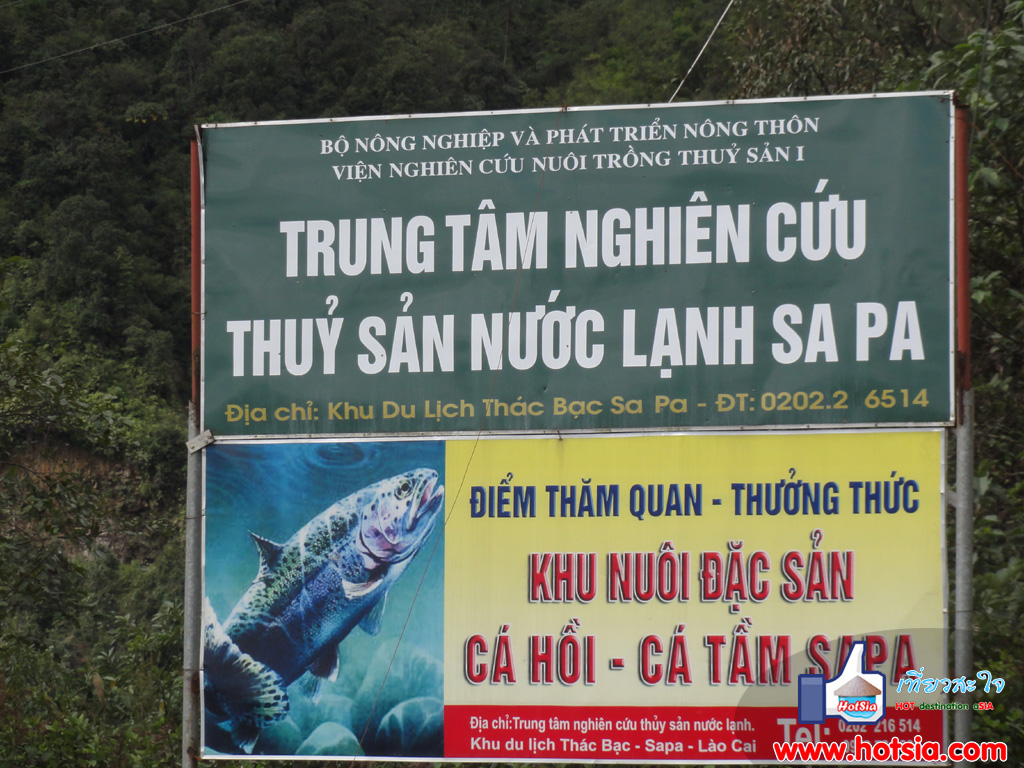
Salmon farming in Sapa might sound unusual for Thai people because salmon is usually associated with cold countries like Norway or Japan. However, here in northern Vietnam, in the mountainous and cool climate area of Sapa, there has been an interesting development of salmon farms.
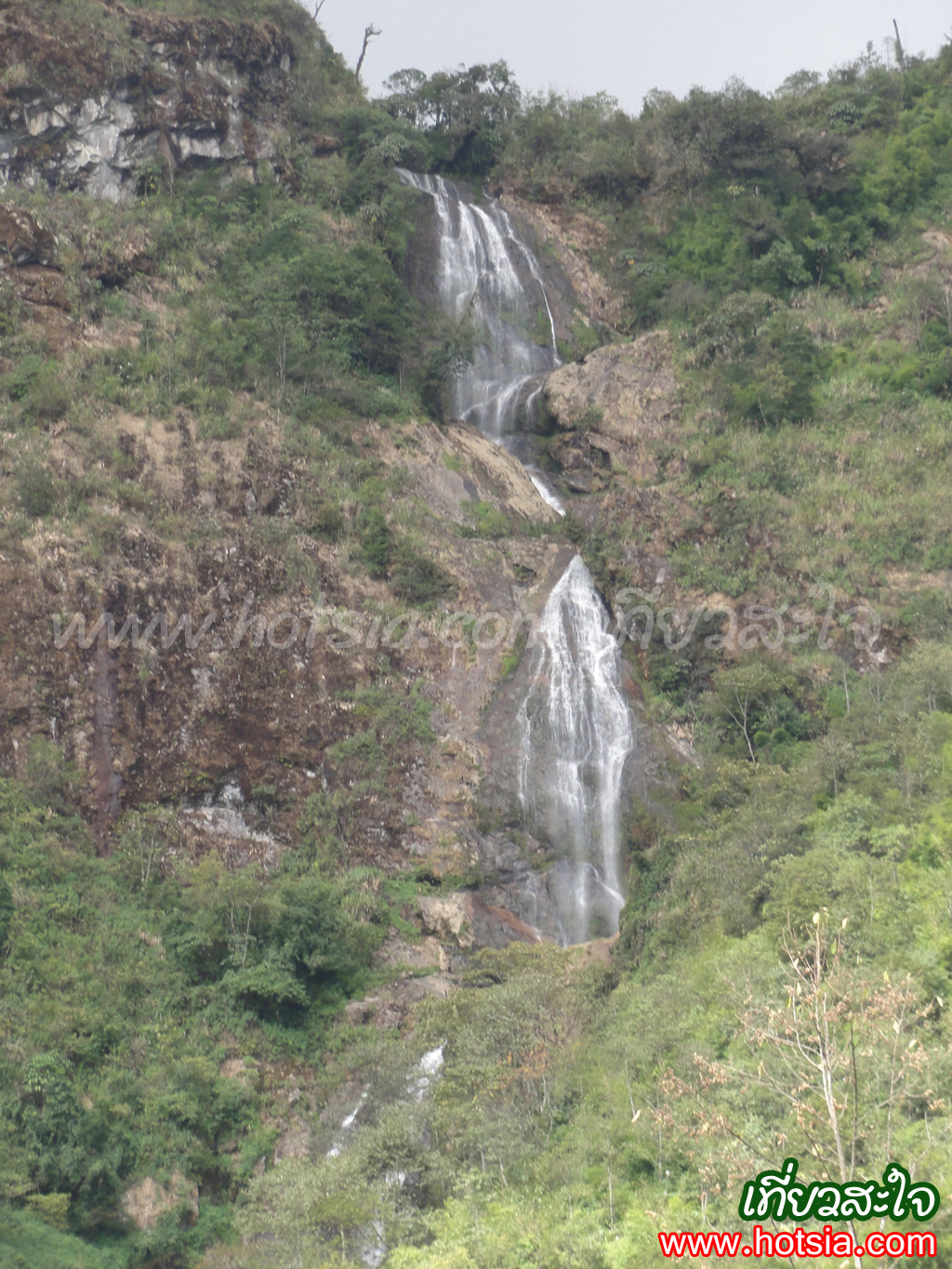
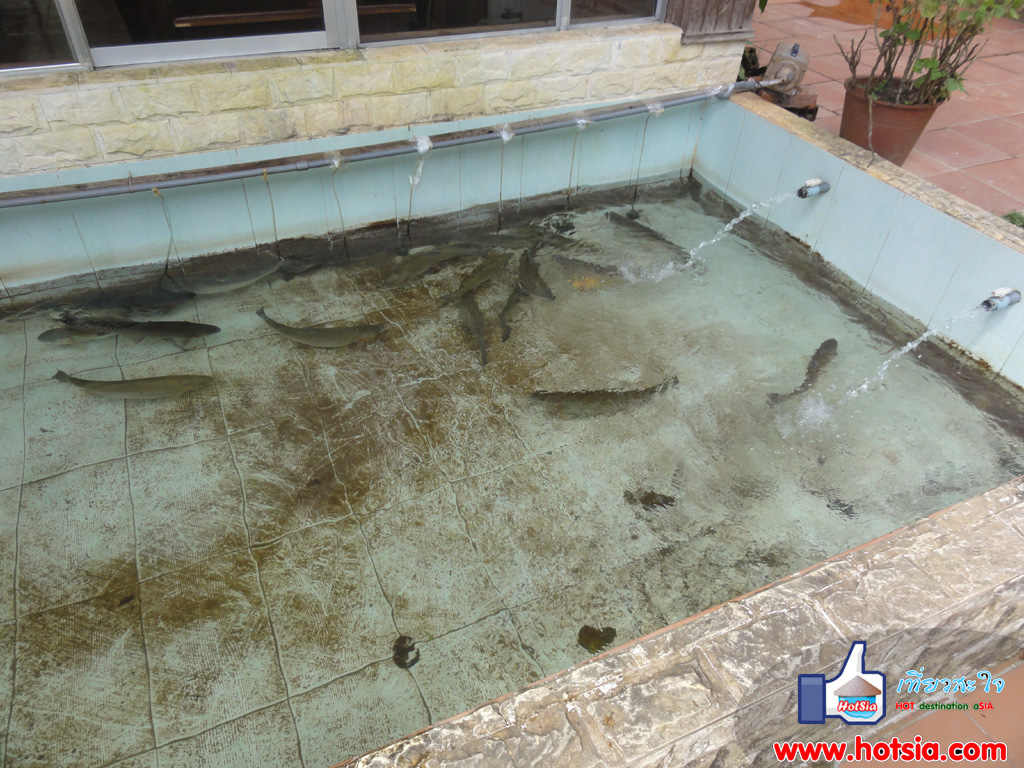
During my trip to Sapa, the weather was comfortably cool at about 15-20 degrees Celsius, perfect for salmon farming which requires cold and clear water. Most salmon farms are located by streams and use a water circulation system from the high mountains, providing the fish with the most suitable environment, especially the pure water flowing from the southern Himalayas.
I had the opportunity to talk with the salmon farm owner here. He explained that salmon farming in Sapa started by importing fish breeds from abroad and adapting the farm system to the local climate and water conditions. The farm's highlight is the natural farming technique, reducing the use of chemicals and antibiotics, resulting in high-quality, fresh, and safe salmon for consumers.
Besides salmon farming, the farm management also focuses on building relationships with the local hill tribe communities, mainly the Hmong and Tai people. Some villagers participate in farm care and management, helping collect data and monitor water quality, making this farm a sustainable and environmentally friendly project.
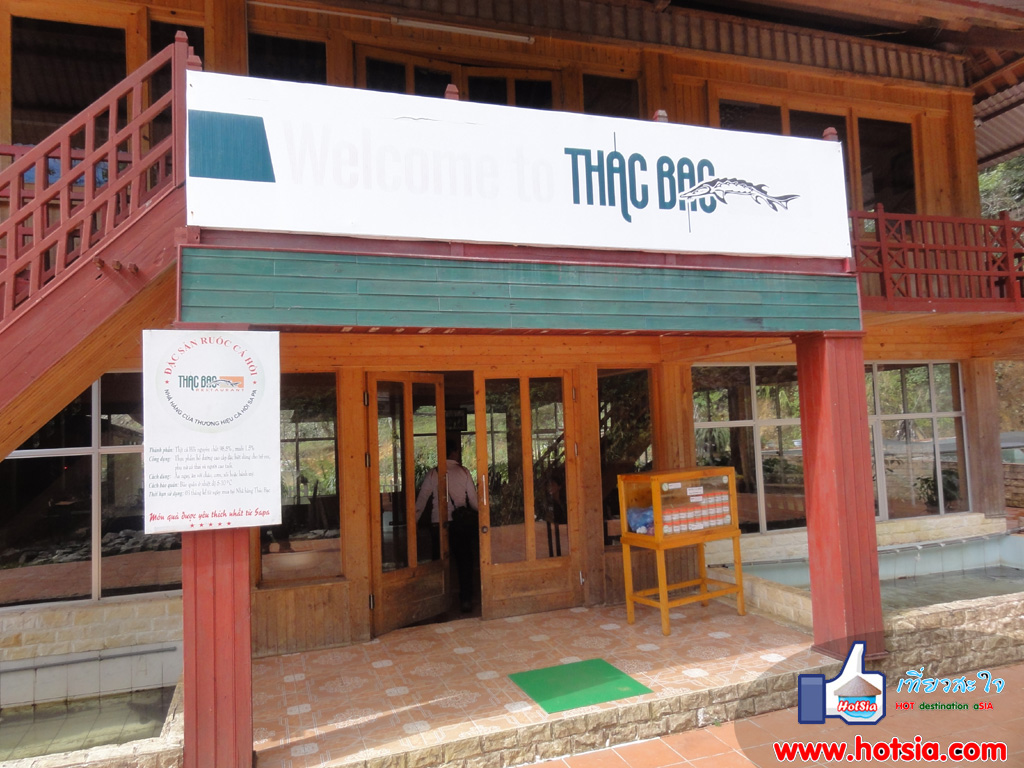
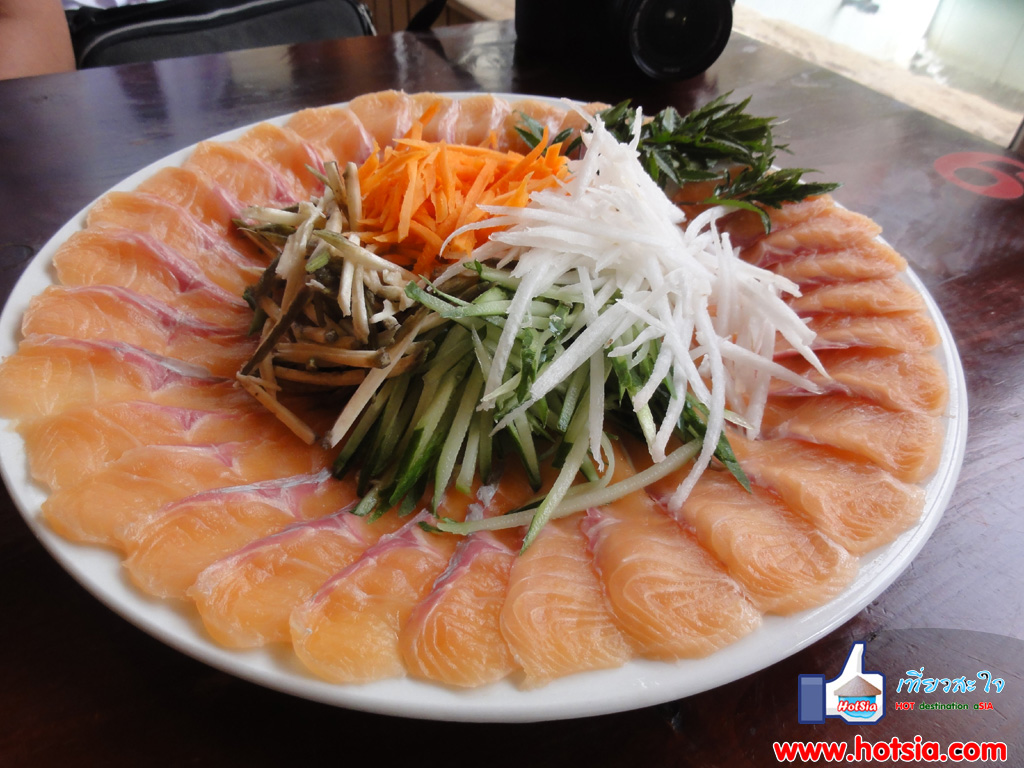
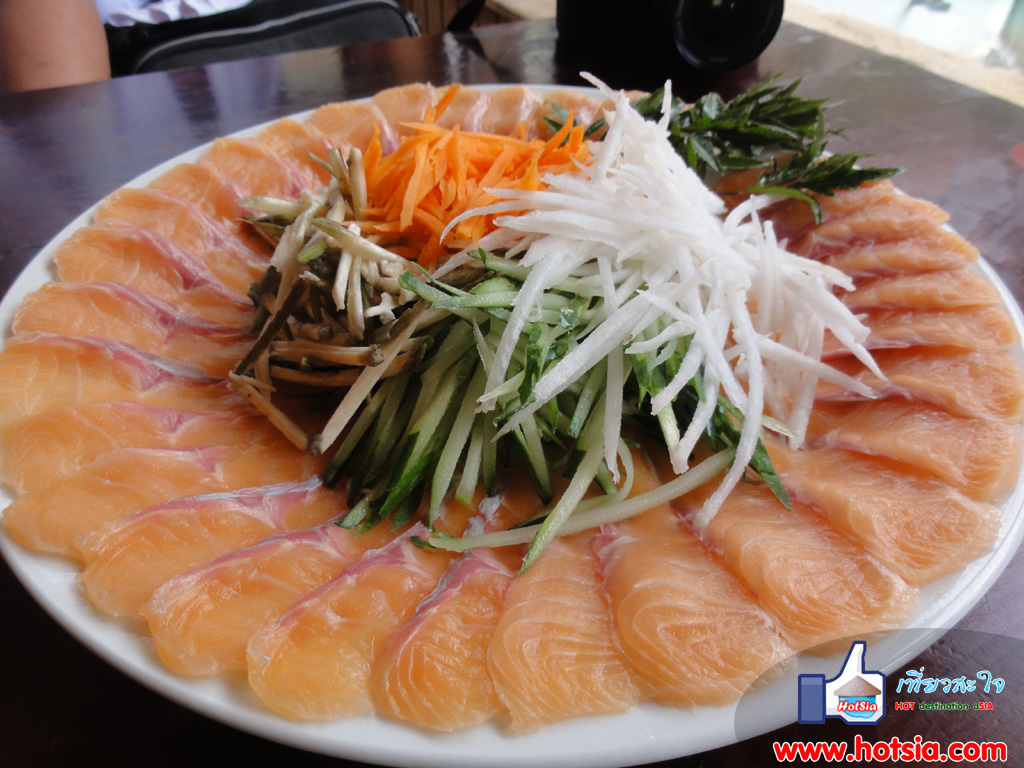
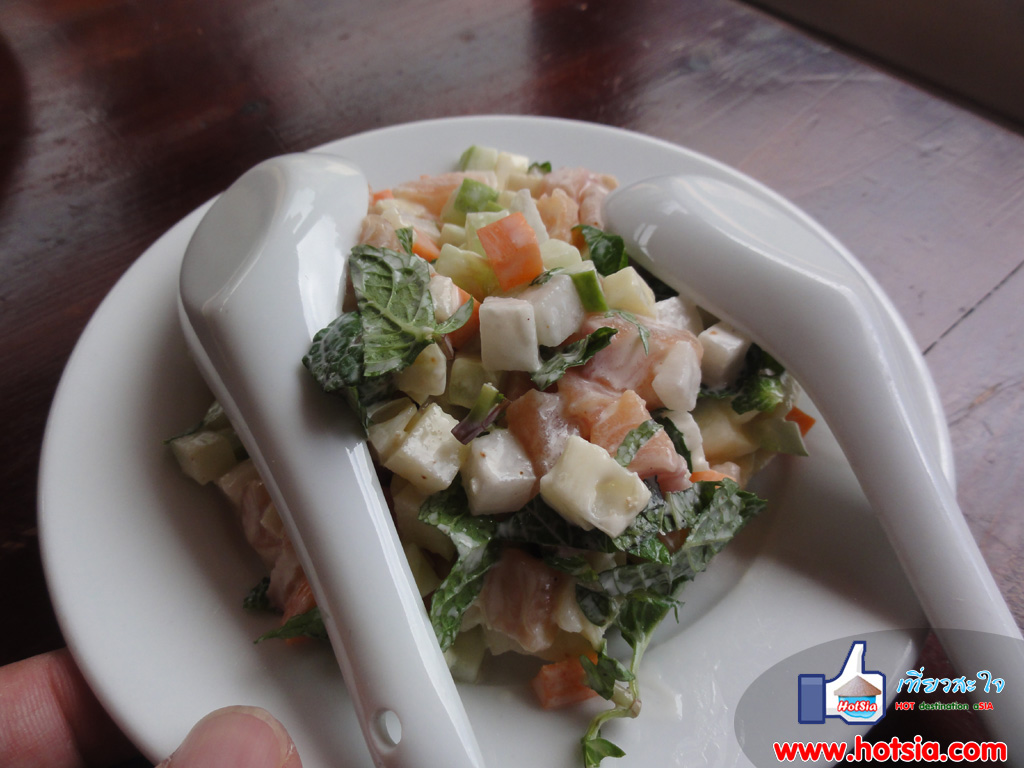
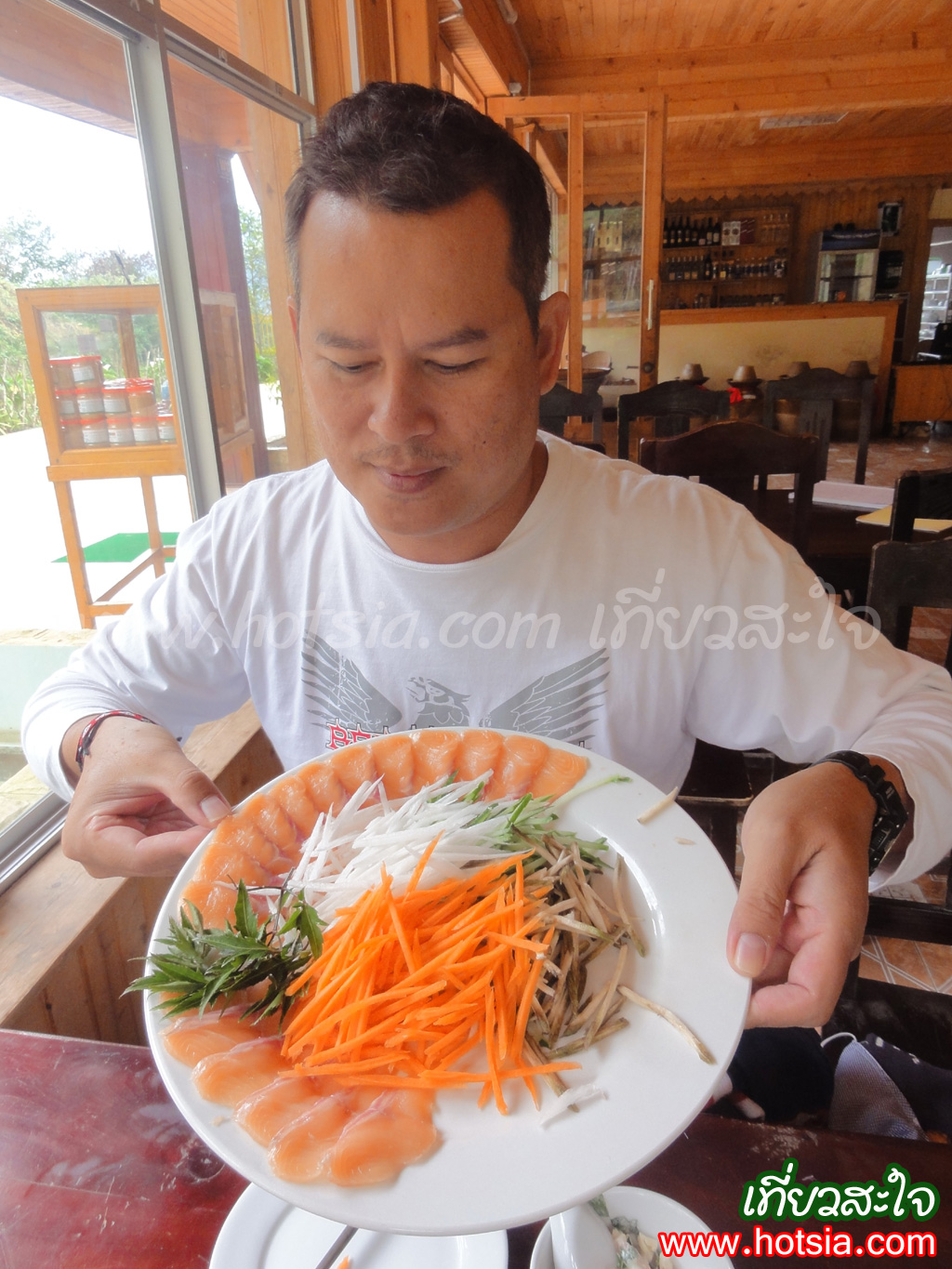
For a traveler like me, mr.hotsia, visiting the salmon farm in Sapa is not just about seeing fish in ponds but also experiencing the local lifestyle that blends agriculture and mountain fishing. I learned how to care for nature closely and, importantly, tasted fresh salmon from this farm. The fish meat was firm, sweet, and had much less fishy smell compared to salmon I've eaten in big cities.
If anyone is interested in experiencing what I did, mr.hotsia recommends visiting Sapa in the late rainy to early cold season when the weather is just right, the stream water is clear, and you can enjoy beautiful mountain views while fully immersing in the hill tribe lifestyle. For more information about traveling in northern Vietnam, try reading aboutLạng Sơn Provincewhich is not far from Sapa and offers beautiful mountains as well as many interesting tourist attractions.
Also, if you enjoy travel that combines culture and nature, I recommend stopping byBuddhist Temples in Da Lat Citylocated in Lâm Đồng Province. This place has a peaceful atmosphere and beautiful mountain views and is a travel hub in central Vietnam that I, mr.hotsia, have visited and was very impressed with.
After visiting the salmon farm in Sapa, I also had the chance to try local dishes made with fresh salmon. The taste here was very different from what I've tried in big cities because of the freshness and simple, authentic cooking methods that preserve the ingredients' value. I, mr.hotsia, recommend trying grilled salted salmon or salmon sashimi at restaurants in Sapa town. I guarantee you will be equally impressed.
If you are planning a trip to Sapa, don't forget to prepare warm clothes and trekking shoes because besides visiting the salmon farm, Sapa is full of beautiful hiking trails and fascinating hill tribe communities.
Finally, if anyone wants to see the full atmosphere of salmon farming in Sapa, I, mr.hotsia, recommend the quality video I recorded onYouTube: Salmon Farming in Sapawhich will help you visualize and understand the fish farming methods here more deeply.
This trip and travel experience in Sapa made me, mr.hotsia, feel the dedication and effort of the locals who want to sustainably develop their area economically and environmentally. This is the charm of northern Vietnam that I want everyone to experience for themselves.