ไทย
ไทย
 English

Backpacking with Tai Phake in Assam, India
mr.hotsia travel India ASSAM HOT05788

Backpacking with Tai Phake in Assam, India: Memories of Thai People in a Distant Land
I, mr.hotsia, would like to recount the journey of exploring the life and culture of the Tai Phake, a Tai group living in Assam, India, which is one of my most profound and meaningful experiences in this land.
This journey began in Tinsukia, Assam, located about 480 kilometers from Guwahati and only 84 kilometers from Arunachal Pradesh. This city is vibrant with Assamese people blending Assamese, Hindi, and other influences. Interestingly, it serves as the gateway to the Tai Phake community in India that I intended to find.
I stayed at Hotel Center Point in downtown Tinsukia, a comfortable base surrounded by local markets and eateries where I could closely experience the local lifestyle. Three full days wandering markets, walking streets, and tasting local dishes that were both novel and familiar made me feel like traveling between two cultures.
Tai Phake People: Roots of Thai People in India
The Tai Phake are a Tai ethnic group who migrated from Mong Mao in Myanmar, crossing the Patkai Hills, also known as "Pha Yai" (Big Cliff), a historically significant point that gave them the name Phake (meaning Big Cliff). In 1815, they migrated over these hills to Nunsuangkam in Arunachal Pradesh, then relocated again due to flooding, finally settling along the Dihing River in Assam where they remain today.
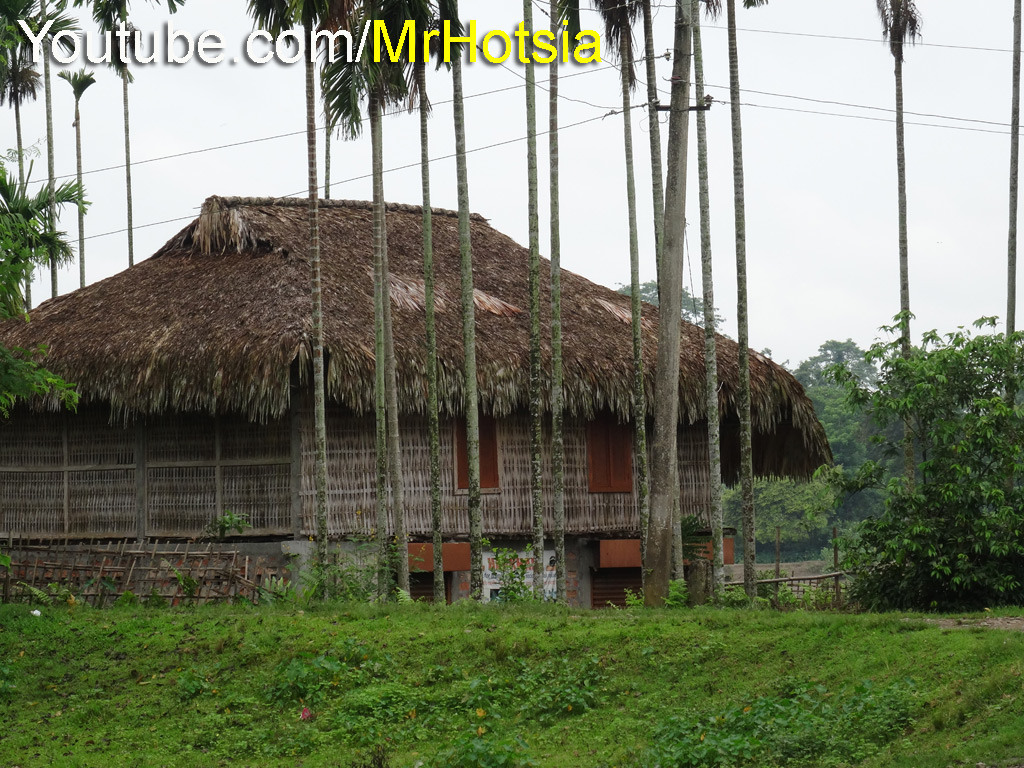
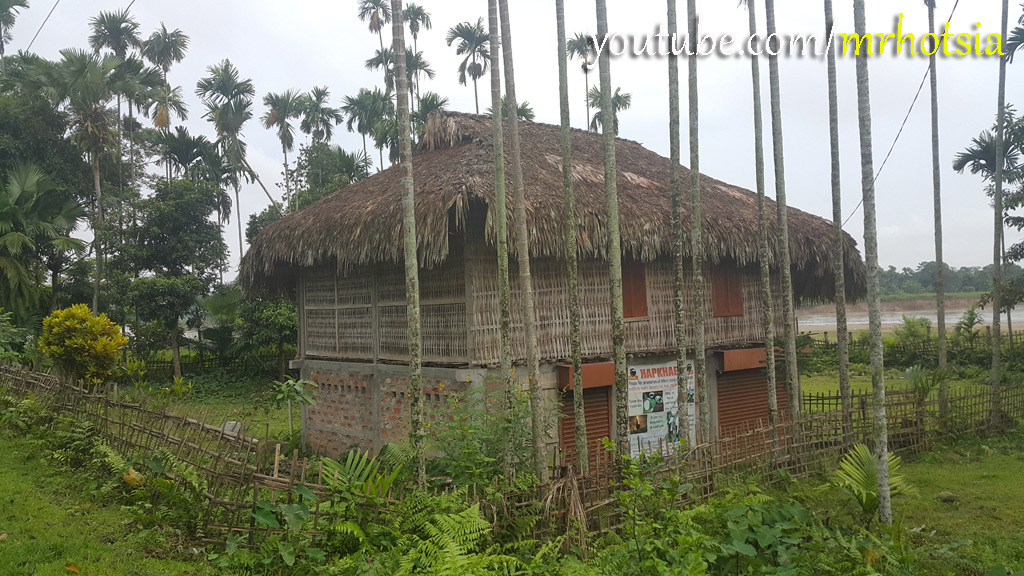
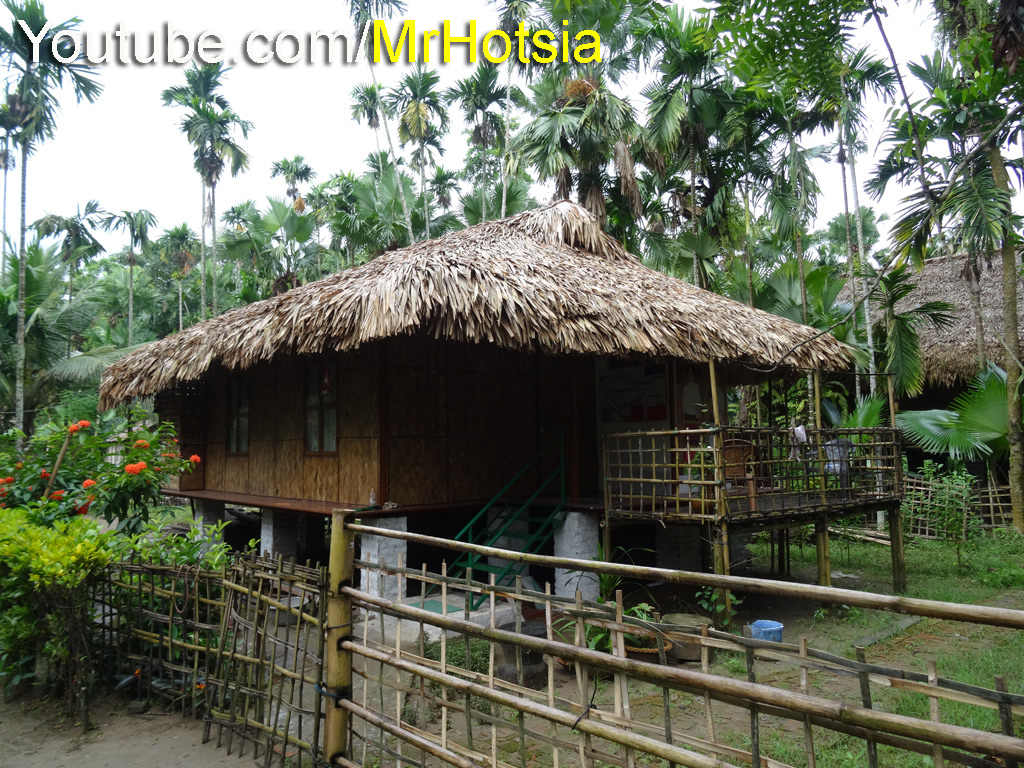
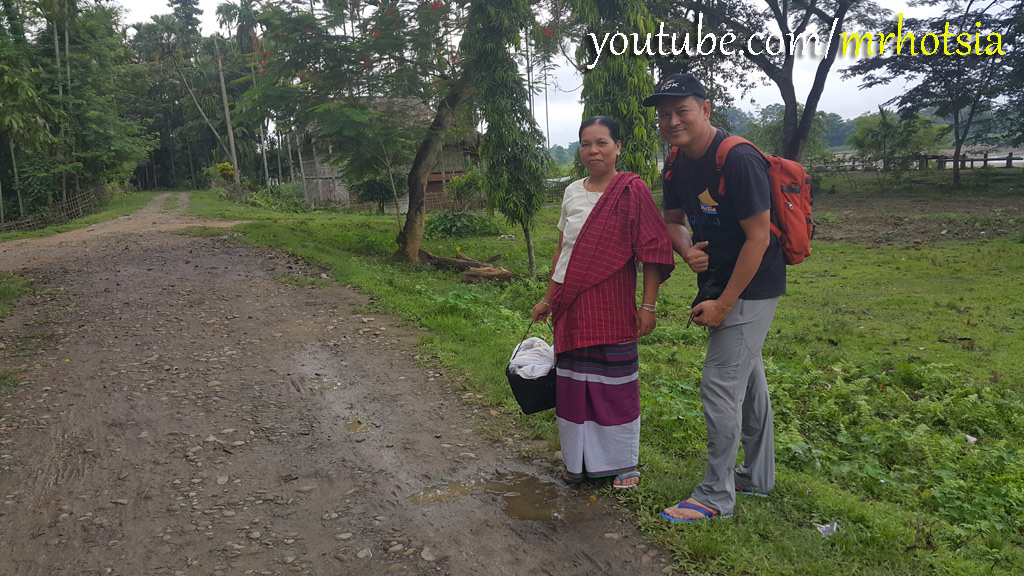
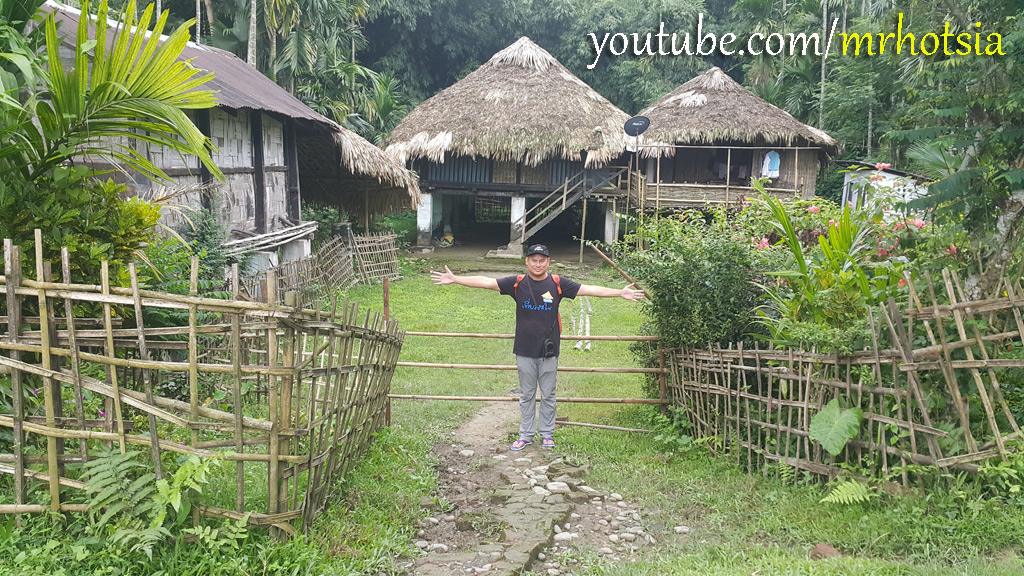
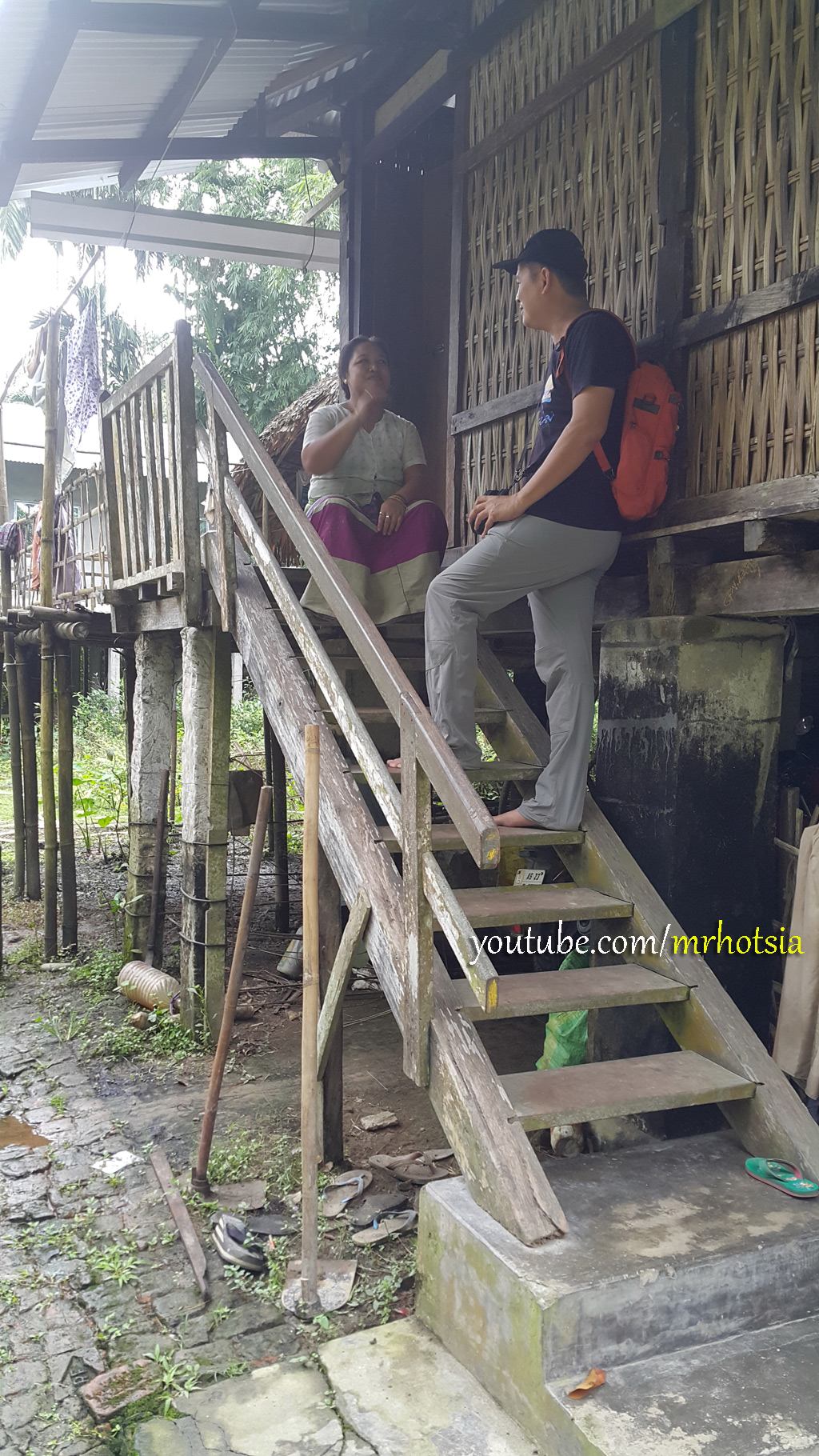
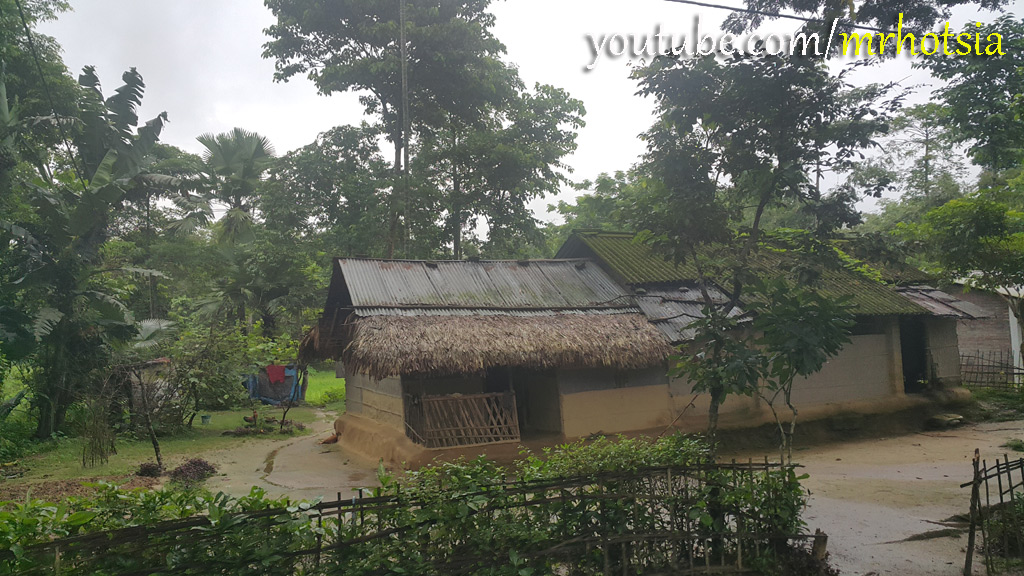
In the Tai Phake Tai Pha Ke Tai village in Chaipura subdistrict, I met a community still fluent in the Tai language and warmly using it daily. Women wear beautifully patterned sinh skirts, while most men wear Burmese-style longyi or white Hindu-style dhoti called 'Thothi'. Their houses are wooden stilt homes with underfloor space and verandas like rural Thai houses, harmoniously combined with natural materials like bamboo and real wood.
Journey to the Tai Phake Village and Genuine Thai Hospitality
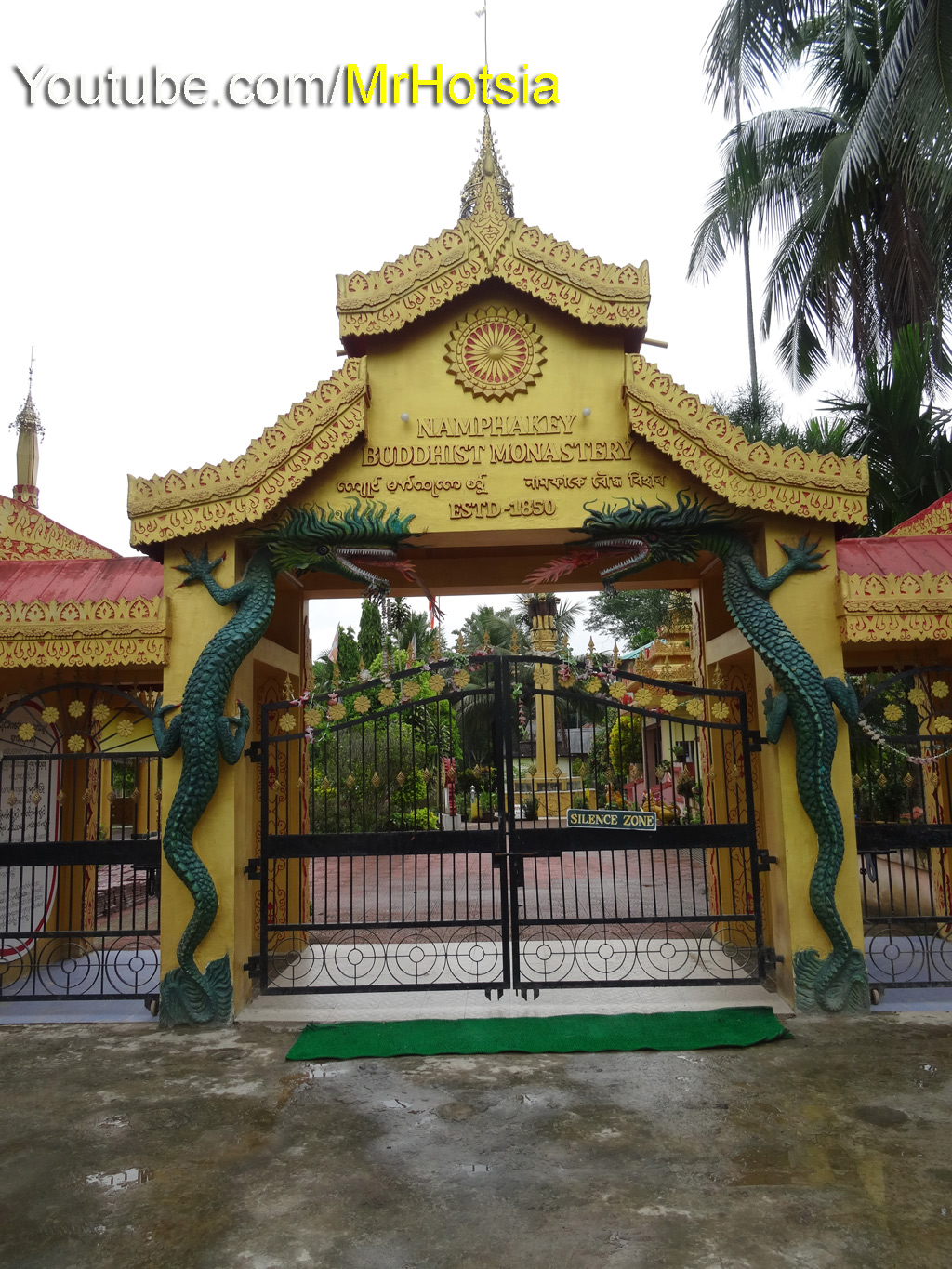
From Tinsukia, I rented a car to travel to Namphake village, home to Namphake Buddhist Temple, a religious and cultural center for local Thai people. This temple was once honored with royal patronage from the Princess Maha Chakri Sirindhorn.
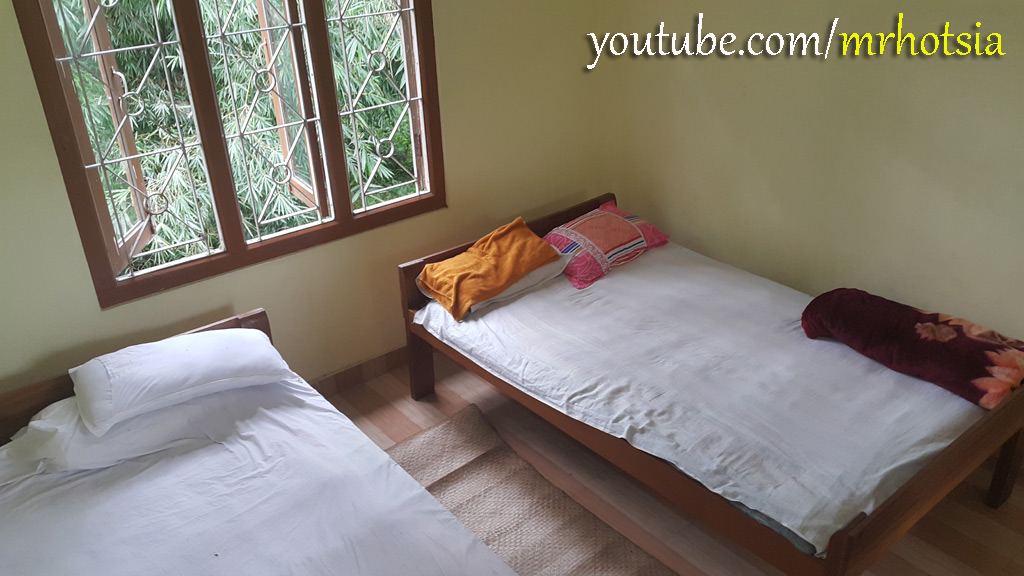
I stayed in this village for two nights, receiving warm and genuine Thai-style hospitality. Each household opened their doors to welcome me to share meals without ceremony. The staple food was white rice with fermented fish called 'pla nao'. The Tai Phake mainly cultivate rice and farm. During meals, I experienced flavors both familiar and impressively unique.
Language and Culture at Risk of Disappearing
In the Tai Phake North village, the Tai Phake language is becoming fragile. Old words are rapidly disappearing, and no new words are being created. As a result, many Assamese, Burmese, and English words mix in, signaling that the Tai Phake language may soon become extinct. Languages must expand and evolve continuously to stay relevant.
Another observation is the strong kinship among Tai Phake North people, who seriously uphold family ties. Visitors are considered relatives or 'Pi Nong'. Women do not eat with young men, ensuring men eat first. This culture reflects deep respect and strong community bonds.
Connecting with Assam's Diversity
In searching for the Tai Phake in Assam, I must say understanding the state's context is essential. Assam is rich in ethnic, cultural, and linguistic diversity. Besides Tinsukia, I also visited other cities like Margherita and Guwahati, each with distinct vibrancy. Margherita is a quiet small town known for its tea gardens, while Guwahati is a major city serving as the administrative and commercial hub of the region.
For those interested in deep stories about Thai people in India, mr.hotsia recommends readingBackpacking to Find Thai People in Tinsukia, Assam, IndiaandBackpacking to Find Thai People in Margherita, Assam, Indiato get a comprehensive view of the lifestyle and living conditions of the Tai people in this state.
Conclusion: Happiness and Warmth Beyond Words
My journey with mr.hotsia was not just tourism but a profound encounter with the roots and Thai identity far beyond what I imagined. The Tai Phake community in India still stands strong with love and warmth in their own way. This land taught me that language, culture, and lifestyle must be preserved and passed on continuously.
If you want to see real images and atmosphere, mr.hotsia recommends watching the videos I have shared on various channels, as words alone cannot fully convey the happiness and warmth I received from the Tai Phake people.
This journey to find Thai people in Assam was a truly satisfying travel experience, and I believe anyone who experiences it firsthand will be equally impressed.