ไทย
ไทย
 English

Travel to Hue City - Hue Imperial Palace
Project gen about hotsia old stories part 2
http://www.hotsia.com > Travel to Hue City > Hue Imperial Palace Travel to Hue City, Vietnam Night stroll in Hue Savan checkpoint - Laobao checkpoint Emperor Khai Dinh's Tomb Lang Co Beach Emperor Minh Mang's Tomb Emperor Tu Duc's Tomb Incense and Vietnamese hat making village Hue to Savan bus service When visiting Hue, whether with a tour group or independently, one must visit the old palace of the Nguyen dynasty. (Famous hotel booking website)
This place was completely destroyed during the Vietnam War. When decided to develop it as a tourist site, repairs were made later but are still incomplete. At the back, the damage is still clearly visible. Hue Imperial Palace is a World Heritage site, attracting tourists from around the world. Visiting the Hue Imperial Palace can be done by joining a tour or going independently. If you have read information online beforehand, you can visit on your own by paying the entrance fee.
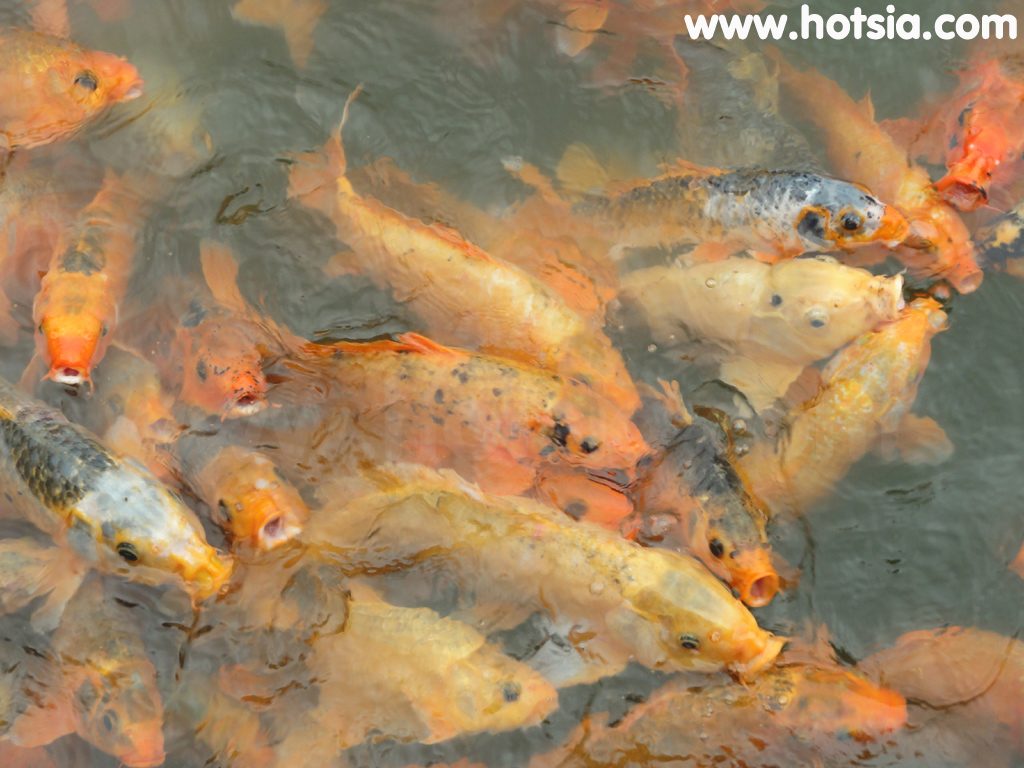
You can enter from the front and exit through the back of the palace. There are tourists visiting daily. I recommend staying in Hue accommodation in the area I suggest and walking to visit on your own. You can stay as long or as short as you like. The palace seems large, with walls about half a kilometer on each side, but inside there are not many places to visit as most have been destroyed. The most crowded spot is in front of the palace where there is water with hundreds of beautiful koi fish.
Feeding the fish is enjoyable to watch them swim gracefully. You can also try horse riding while wearing a royal dynasty hat here, though I haven't tried it myself. Besides horse riding, there is a service to rent emperor costumes for photo sessions sitting on the throne. Mr.Hotsia January 2011 Video clips and stories about the history of Hue Imperial Palace Summary of visiting Hue Imperial Palace after the trip http://th.wikipedia.org The Nguyen Dynasty (Nhà Nguyễn: 1802-1945) was the last imperial dynasty of the Nguyen Empire.
Before being annexed into French Indochina, Prince Nguyen Anh or Emperor Gia Long, the first emperor of the Nguyen dynasty, began restoring the country. Vietnam's territory was close to its current borders, with the southern region extending to the Mekong River mouth and the Gulf of Thailand coast. He maintained relations with Westerners, especially the French who helped fight the Tay Son rebels. French engineers helped design the palace in Hue and the Saigon city fortifications. The Nguyen dynasty flourished most during Emperor Minh Mang's reign.
The 4th emperor renamed the country Dai Nam, expanding power to Laos and Cambodia, annexing eastern Cambodia, and waging war with Siam for nearly twenty years. However, they later withdrew from Cambodia after strong resistance from the Cambodians. During this period, Vietnam began policies opposing the spread of Christianity by Western priests, with continuous arrests and executions of Western priests and Vietnamese Christians.
Until the reign of the 4th emperor, Emperor Tu Duc, who continued strong opposition against Christians. Eventually, French priests requested protection from their government. In 1877, French warships arrived in Da Nang (or Tourane) waters, near the Hue capital naval base, leading to battles. The Vietnamese navy was almost completely destroyed. Later, French forces attacked the southern territories. Emperor Tu Duc agreed to peace and ceded 12 southern provinces to France.
The Vietnamese began resisting French occupation but could not fight against superior forces. In 1879, Emperor Ham Nghi led resistance against the French but was defeated. French troops seized the palace and Hue city. The emperor fled but was captured and exiled to Algeria. France then took more direct control of Vietnam, dividing it into three parts, including Tonkin in the north.
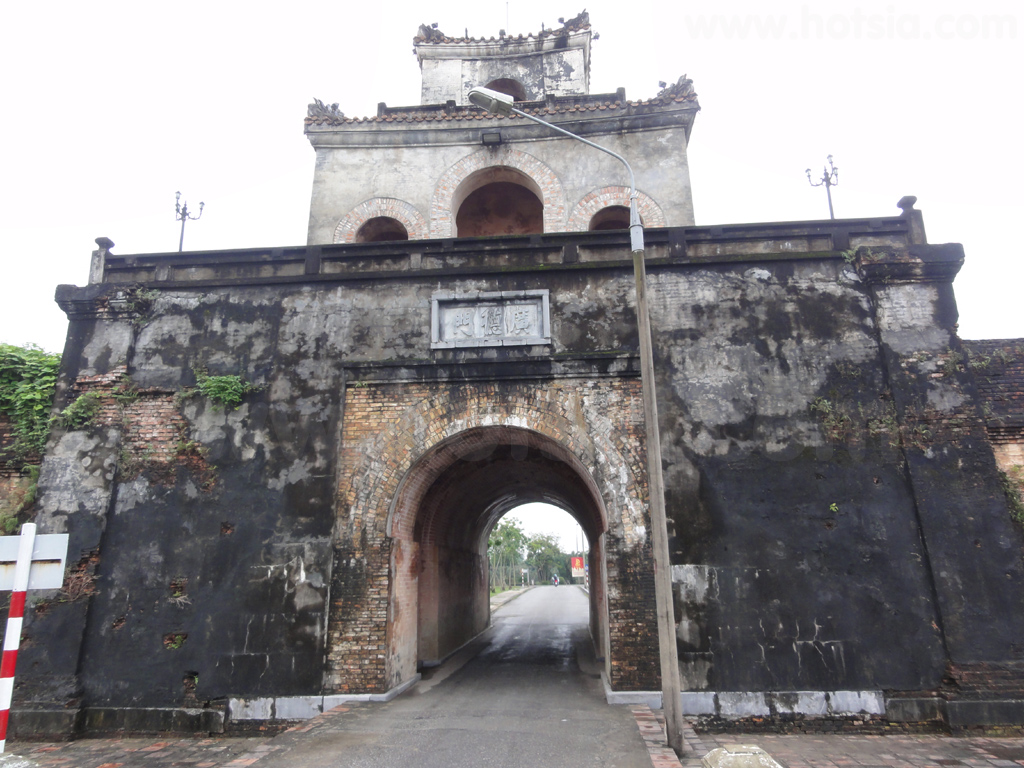
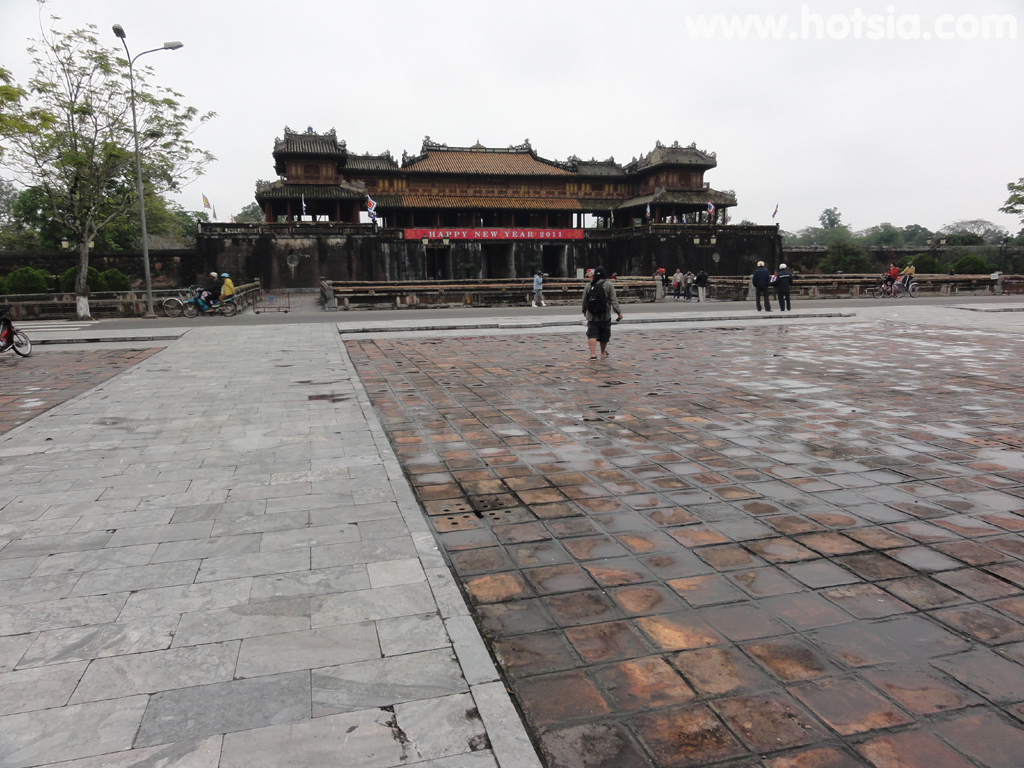
Vietnam still had emperors but they were selected with French governor approval and served as symbols. The highest authority in finance, military, and diplomacy belonged to France. This marked the end of Vietnam's independence. Coordinates: 16°27'55.739"N, 107°34'43.445"E View location on the globe: Palace entrance gate at Hue Imperial Palace 16°28'1.325"N, 107°34'45.96"E Front courtyard of Hue Imperial Palace (no ticket required here) 16°28'5.634"N, 107°34'43.506"E
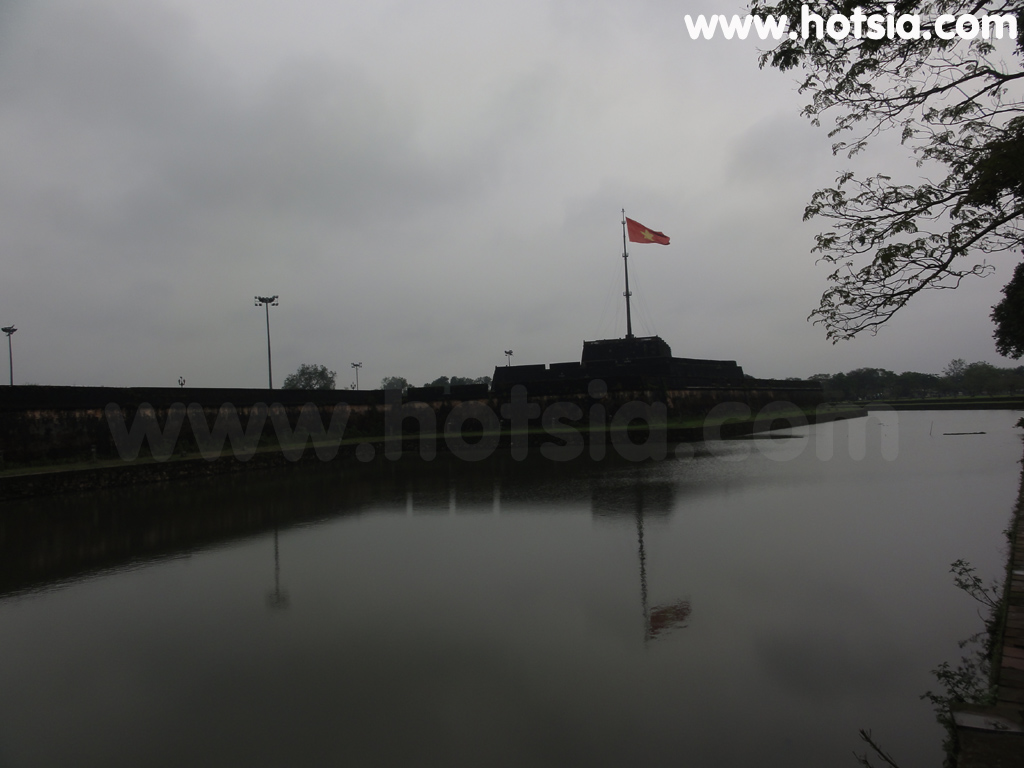
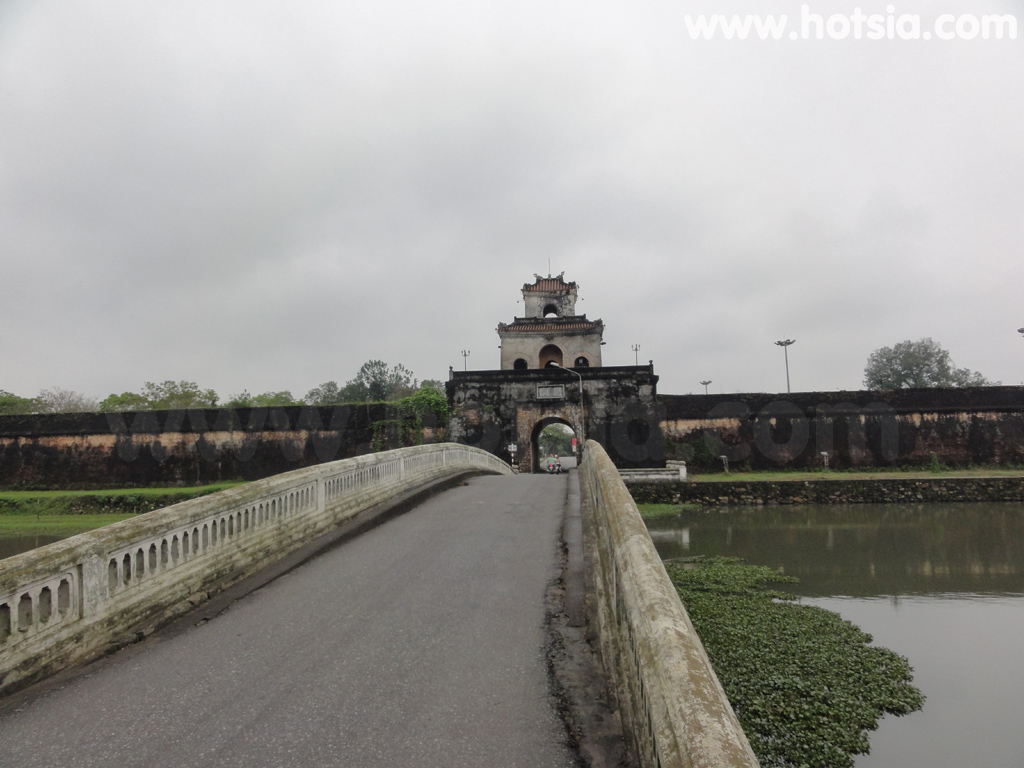
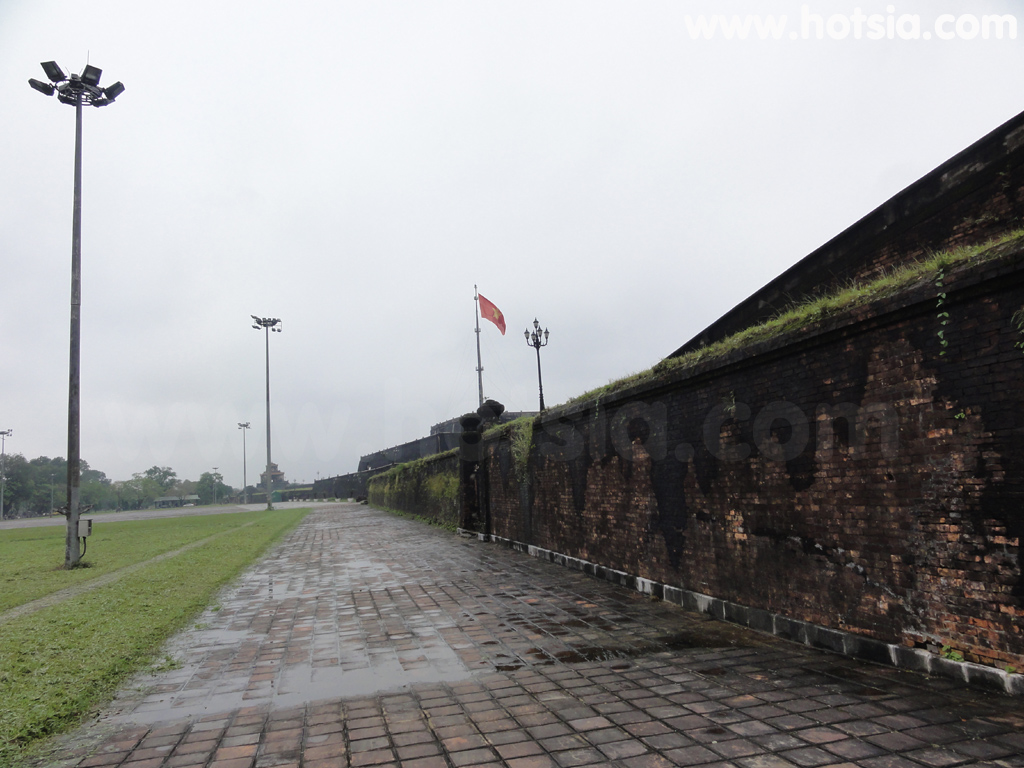
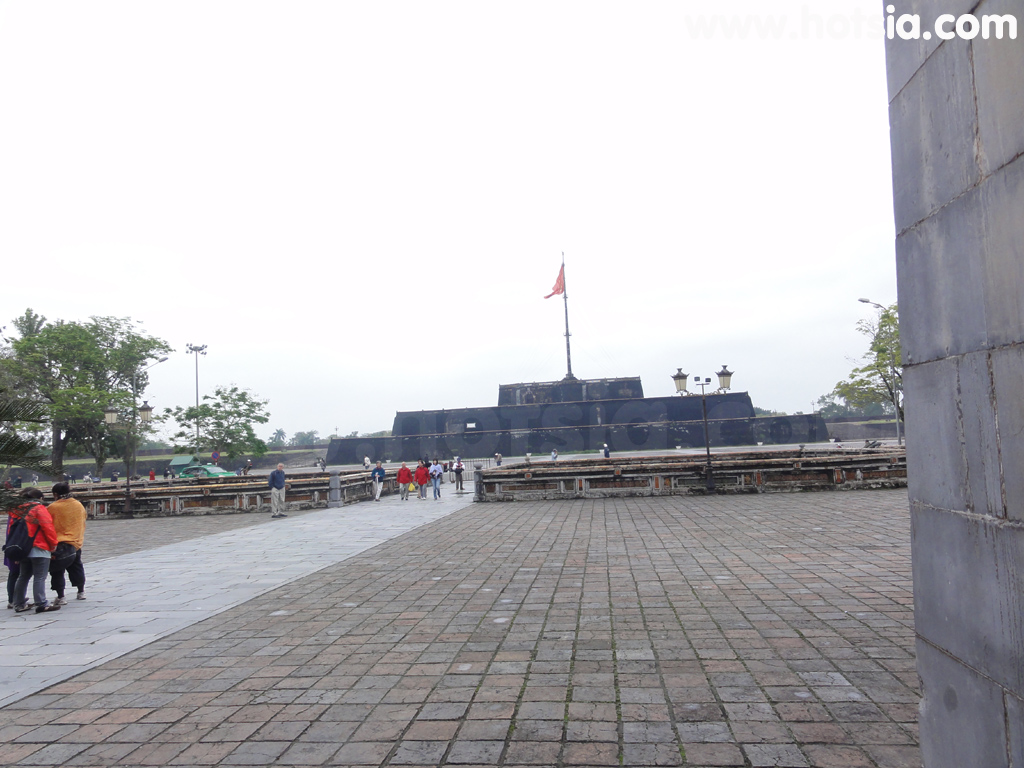
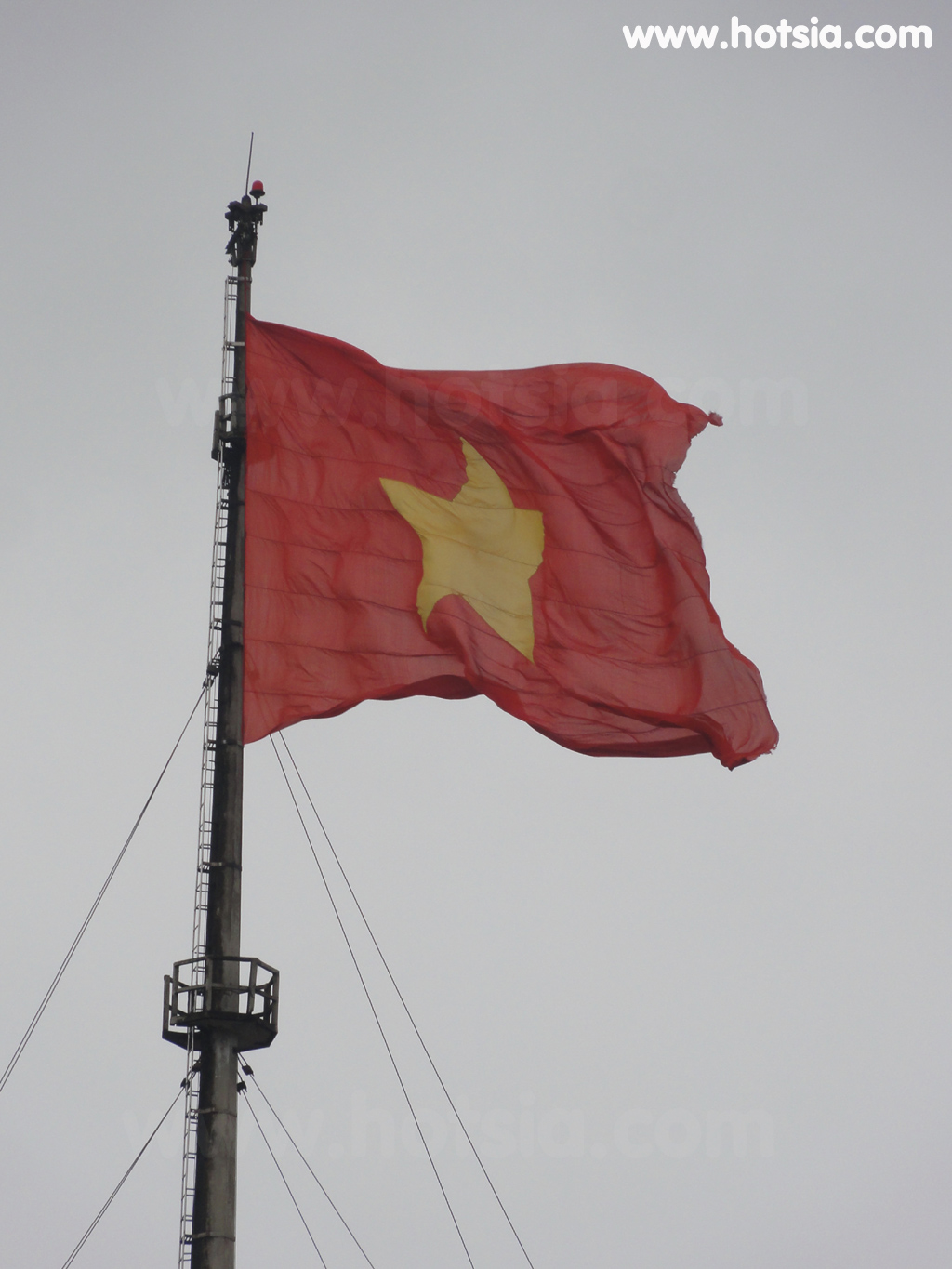
The walkway into Hue Imperial Palace passes through the moat surrounding all sides 16°28'6.264"N, 107°34'44.376"E 16°28'3.444"N, 107°34'43.794"E Ticket office building 16°28'9.114"N, 107°34'41.832"E Historical photos of Hue Imperial Palace 16°28'10.158"N, 107°34'38.981"E Rear of Hue Imperial Palace still under repair 16°27'55.559"N, 107°34'50.238"E Flagpole symbolizing resistance against America for several months 16°27'55.439"N, 107°34'50.352"E Moat of Hue Imperial Palace
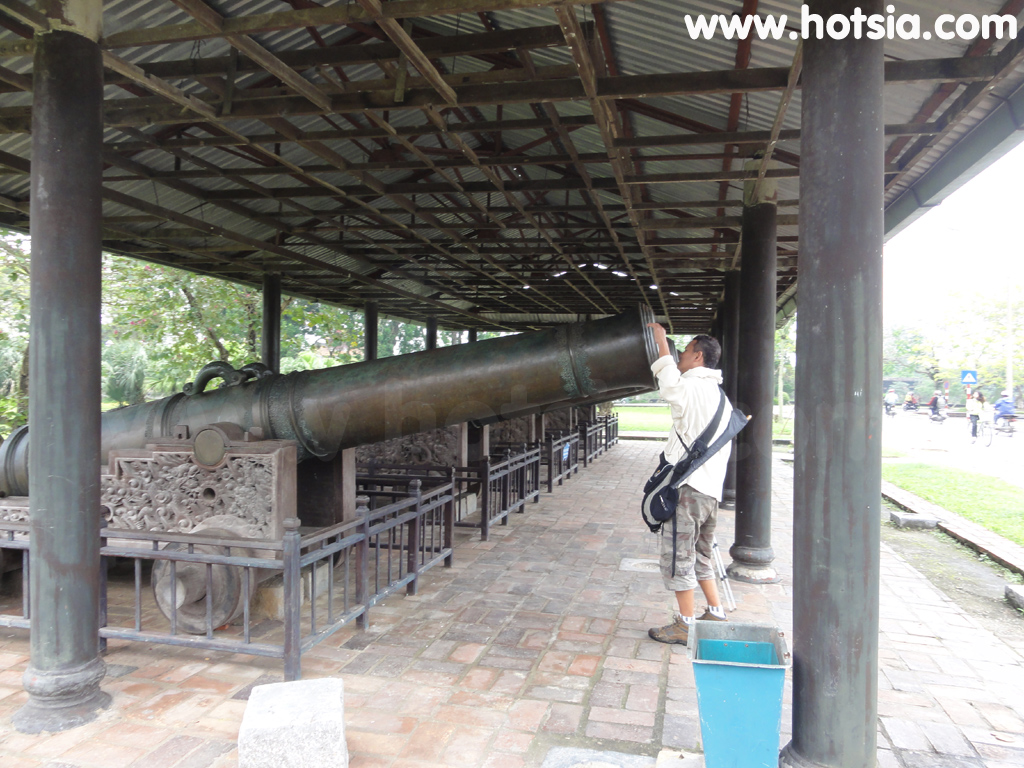
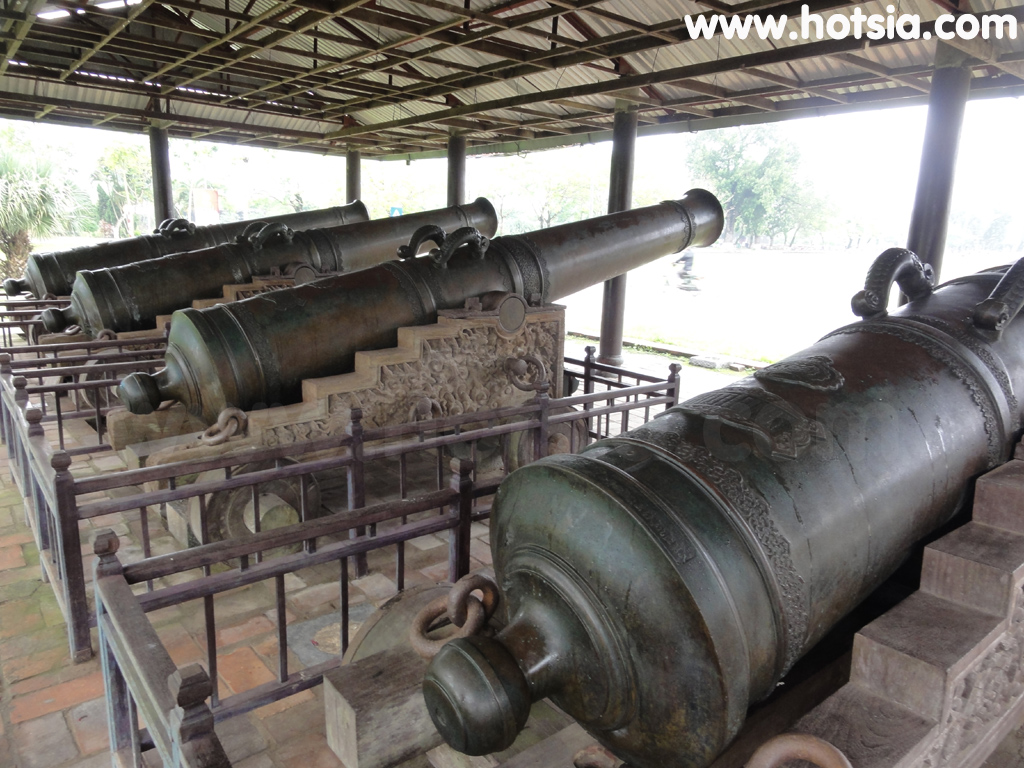
16°27'54.413"N, 107°34'44.262"E 16°27'57.011"N, 107°34'42.942"E 16°27'57.065"N, 107°34'42.491"E 16°27'57.143"N, 107°34'42.059"E Cannons at Hue Imperial Palace 16°28'1.415"N, 107°34'45.882"E 16°28'4.518"N, 107°34'44.052"E Koi fish at Hue Imperial Palace 16°28'3.444"N, 107°34'43.866"E 16°28'3.978"N, 107°34'44.772"E 16°28'6.882"N, 107°34'42.84"E 16°28'8.682"N, 107°34'41.37"E I just learned that elephants were also used here in Hue.
Historical photos of Hue Imperial Palace Historical photos of Hue Imperial Palace Costume rental for photo sessions at Hue Imperial Palace Costume rental for photo sessions at Hue Imperial Palace 16°28'15.87"N, 107°34'35.598"E 16°28'18.222"N, 107°34'35.525"E Cinema inside Hue Palace