ไทย
ไทย
 English

Chiang Rai Huai Khi Lek Village Homestay Akha (Iko) Ethnic Homestay Thai Homestay Standard
Huai Khi Lek Village Homestay Akha (Iko) Ethnic Homestay Stay with the Hill Tribe http://www.hotsia.com > Huai Khi Lek Village Homestay Akha (Iko) Ethnic Homestay Thai Homestay Standard The Akha or Iko people in Thailand who live the authentic Akha lifestyle, including their traditional dress and way of life, are becoming very rare. One reason is that Akha children have to attend school down in the provinces or districts. When these children go to school, they meet friends and open their world to the outside, which partly causes them to lose the Akha way.
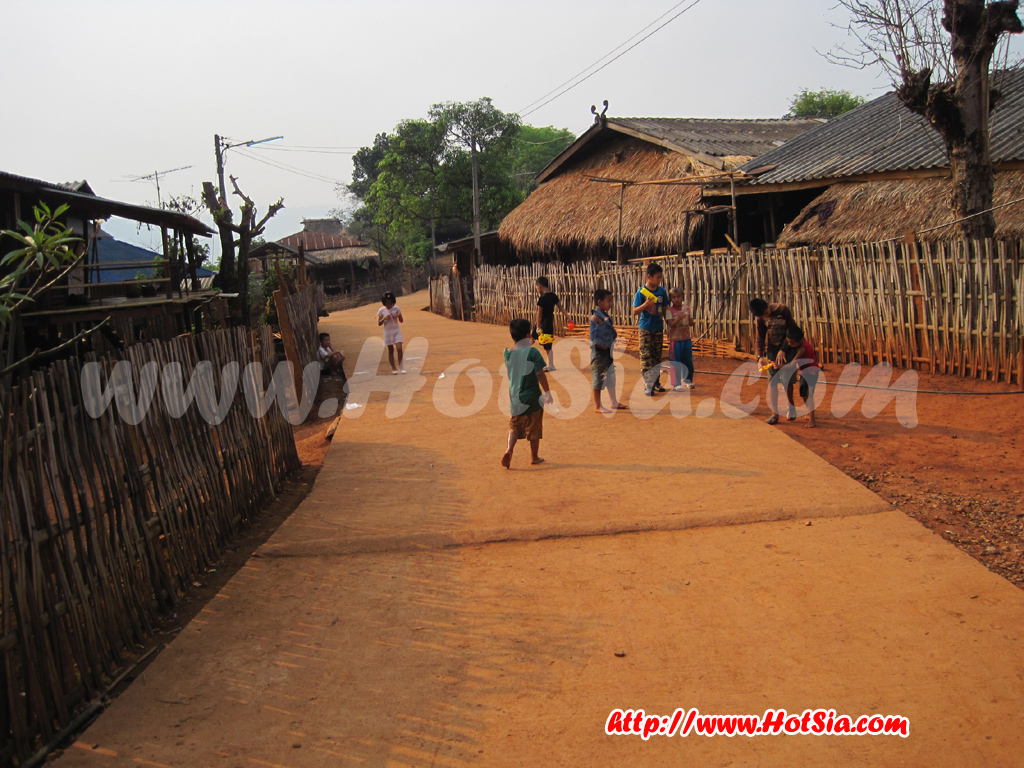
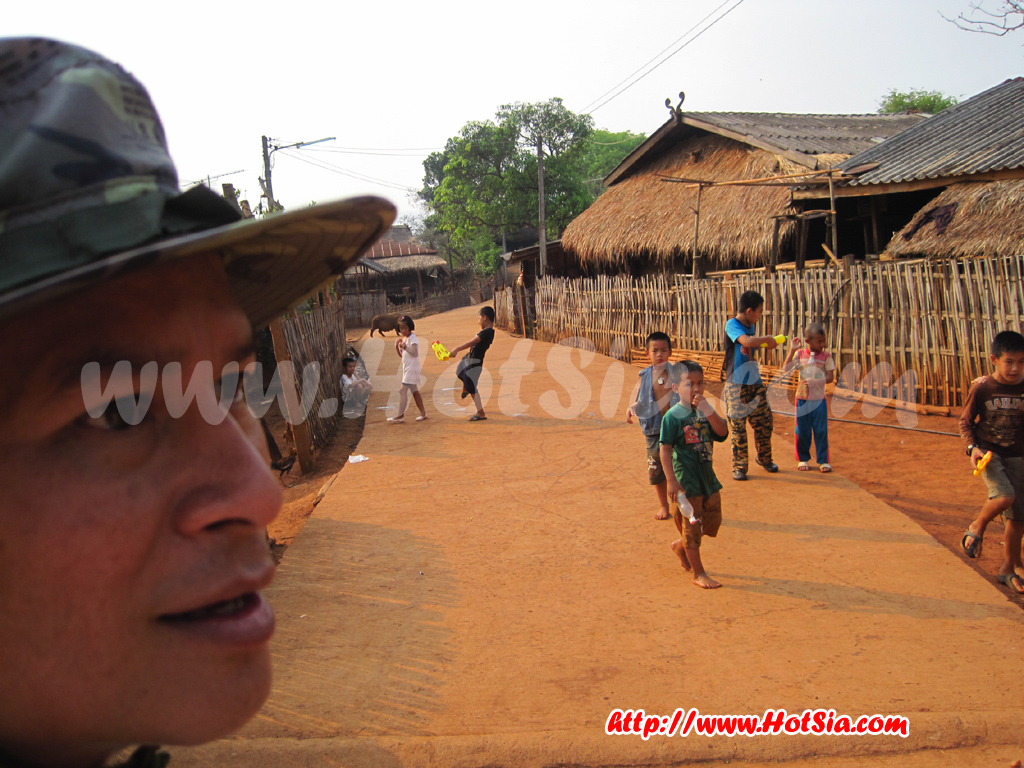
Opening their world to the outside, many no longer maintain the Akha way. I myself came to stay at this Akha homestay to document the Akha way of life in Thailand, preserving what remains online before it disappears. Children playing at Akha Huai Khi Lek Village are walking to their accommodation. For the Akha or hill tribes in neighboring countries like Laos,
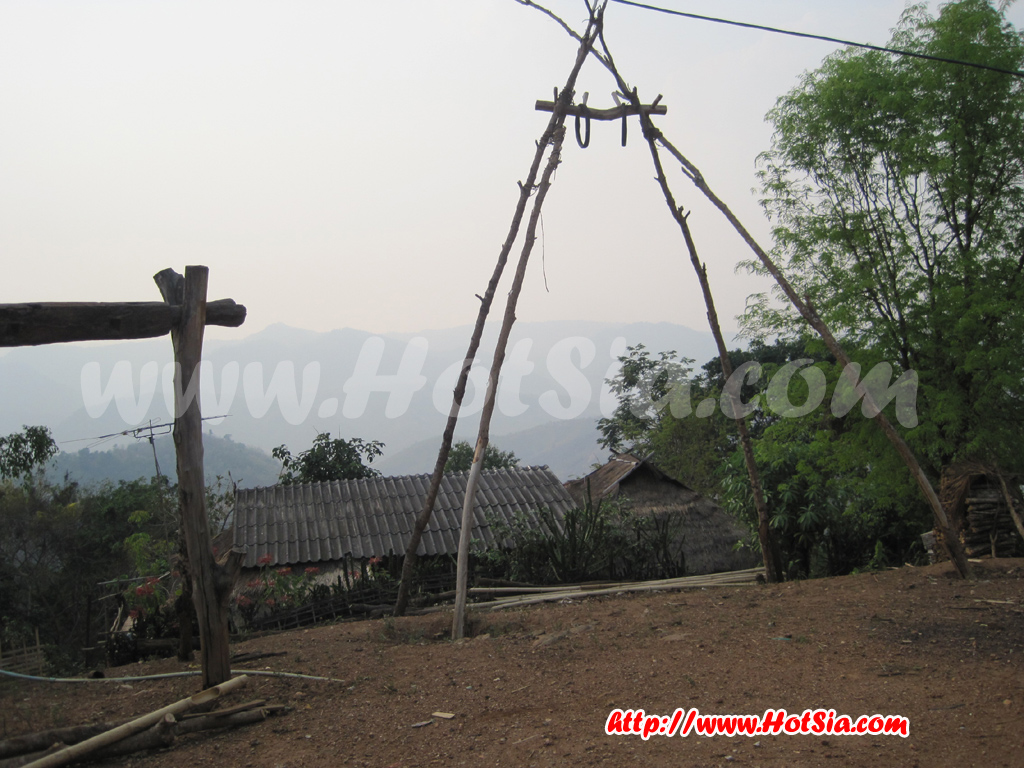
Yunnan China and Myanmar, the Akha or hill tribes have preserved their traditions much more than in Thailand. I plan to travel and live with them and share their stories on this website. Today, let's visit the Akha hill tribe in Thailand first. Next time, I will share about Laos with a photo to encourage you to follow along. View from the homestay where I stayed, the village's traditional swing yard. I received advice from Mr. Somsak,
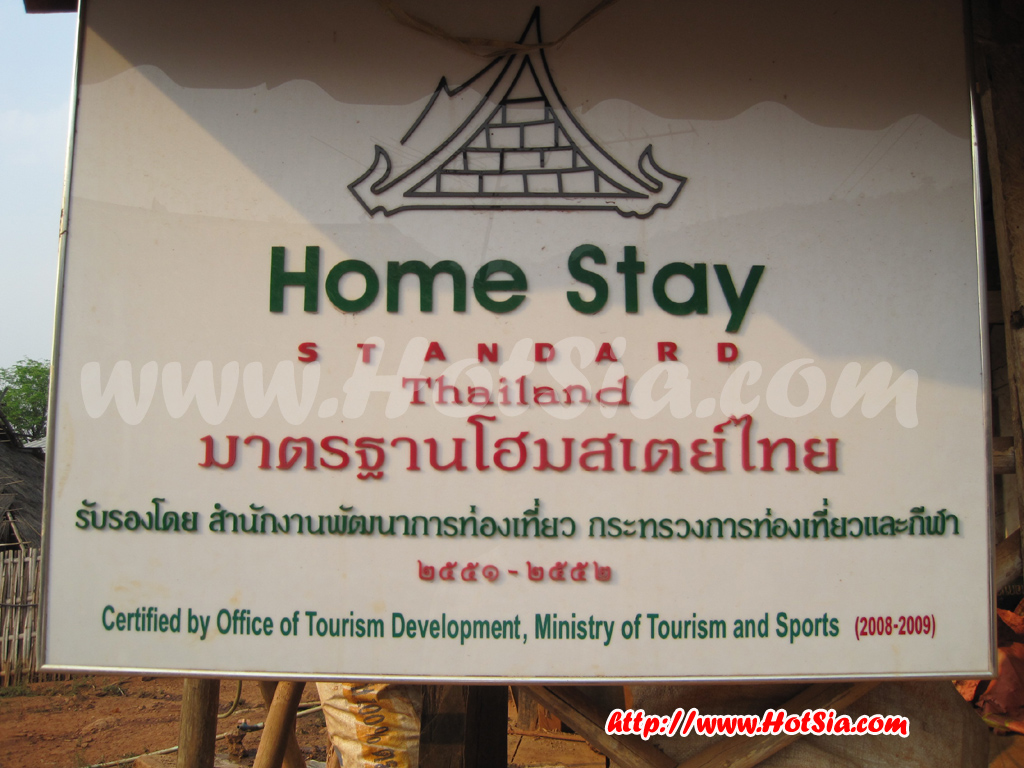
who manages community tourism in Chiang Rai, that this village at Doi Chang, Chiang Rai Province, is an officially certified homestay but is not well known and rarely visited. Importantly, the Akha here have preserved their traditions better than other places. Tonight, I will try fermented egg, an adapted sport of Akha children. To explain the Akha way, Akha or various hill tribes in Thailand send their children to study in lowland schools after grade 6.
Once children learn other cultures, they tend to loosen their grip on their own traditions. For example, modern Akha children no longer wear traditional Akha clothing, which I understand and accept. Now, looking at Laos, while writing this, I am in a hill tribe village there. I was amazed to see the hill tribe attire fully preserved. The photo below was taken in Phongsaly Province, Laos, of a tribe closely related to the Akha.
This tribe is called "Long Hair Klay." Friends interested in tribes in Laos and Vietnam will surely enjoy this, as I will also stay at homestays in Laos and Vietnam (I am learning Vietnamese). A young woman of the Long Hair Klay tribe stands by the bus stop in Phongsaly Province. I will share more about this in upcoming posts. Let's first travel to the Akha village in Thailand. I started from Chiang Rai by bus, got off at Mae Suai (pronounced 'not beautiful,' not 'Mae Sa Luay'), and looked for transport to Huai Khi Lek, which is on the way to Doi Chang.
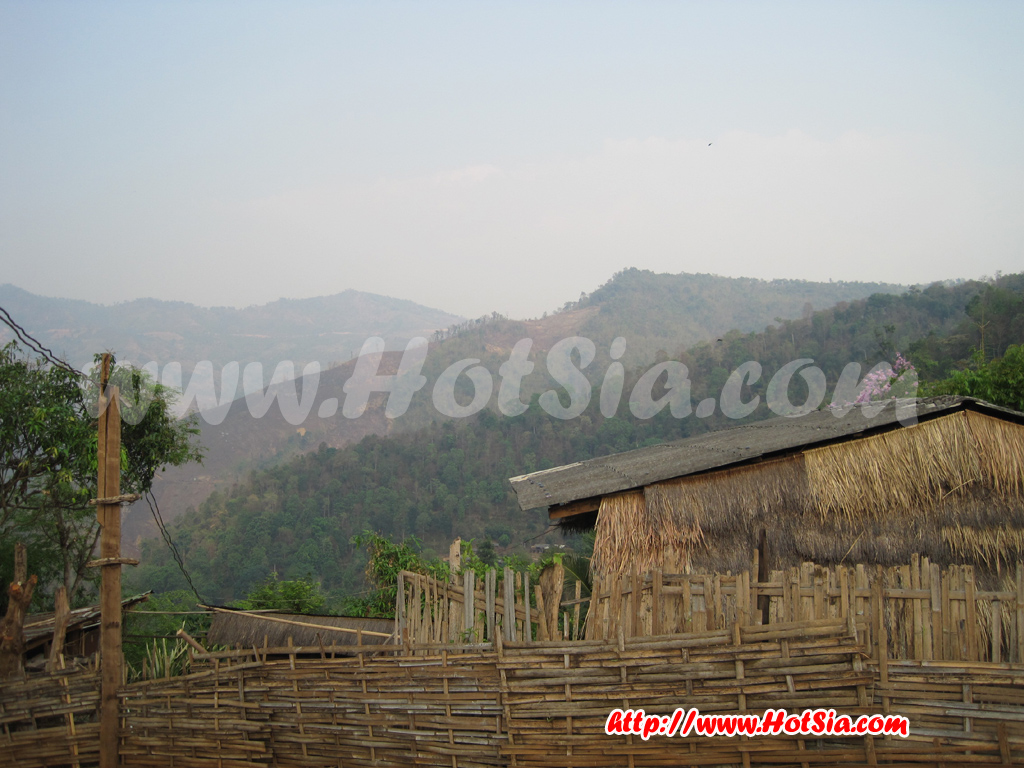
No transport was available, so I rented a motorcycle for 200 baht, taking about one hour. Huai Khi Lek village is on a high mountain near Doi Chang. The village is accessible by car and developed, with mountain piped water (from a waterfall) and electricity. Upon arrival, I immediately started filming to share the arrival experience. Today, Huai Khi Lek village mostly has elderly people; parents farm while the younger generation studies or works in the lowlands.
During my visit, it was school break, so some children studying in the city returned to visit their parents. After settling in, I walked around the village, greeted the locals. Older Akha people cannot speak Thai, but those under 30 can. The village has limited mobile signal spots. Villagers work in the fields in the morning and return in the evening, enjoying the cool breeze. Initially, I planned to stay one or two nights,
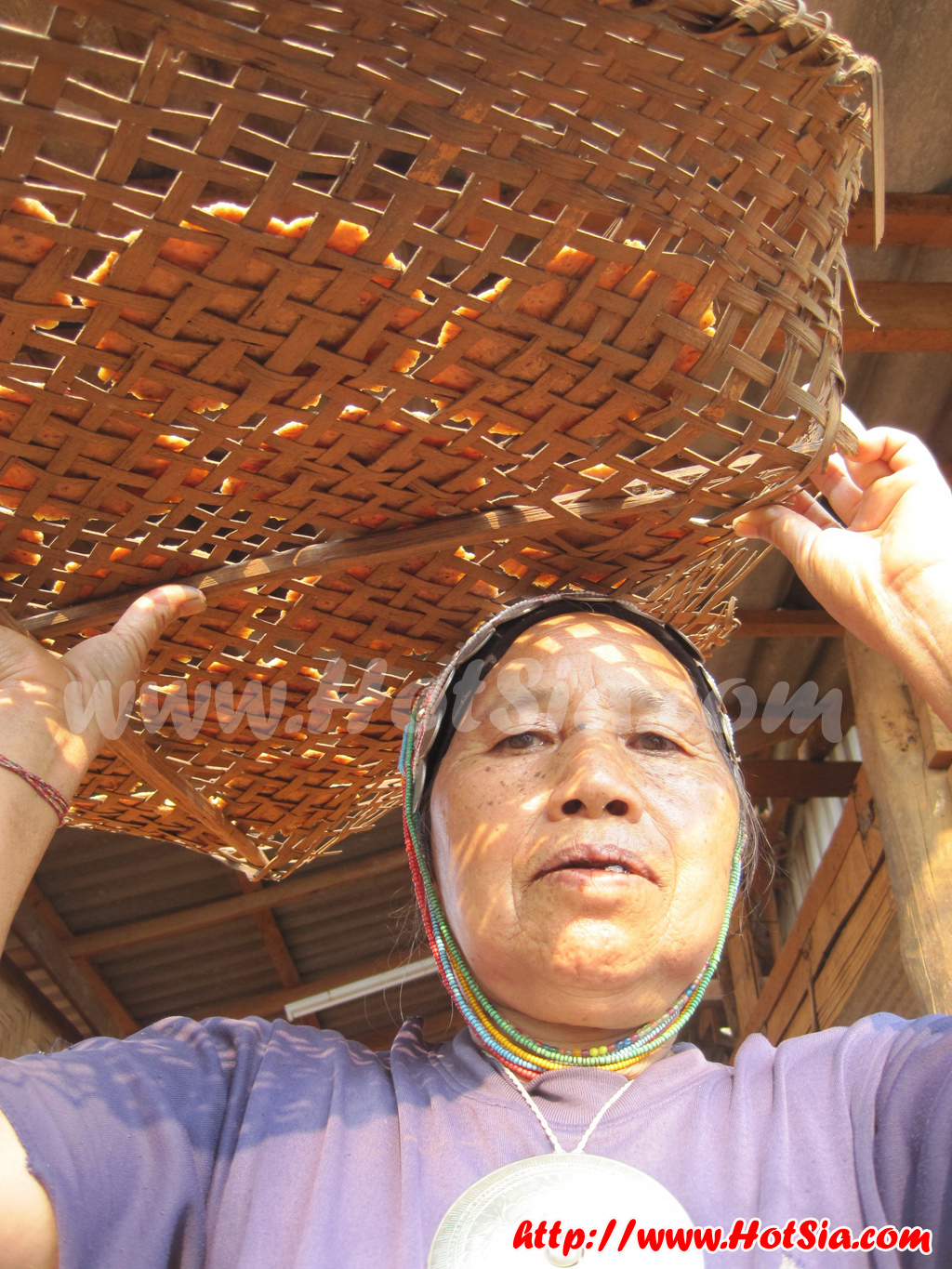
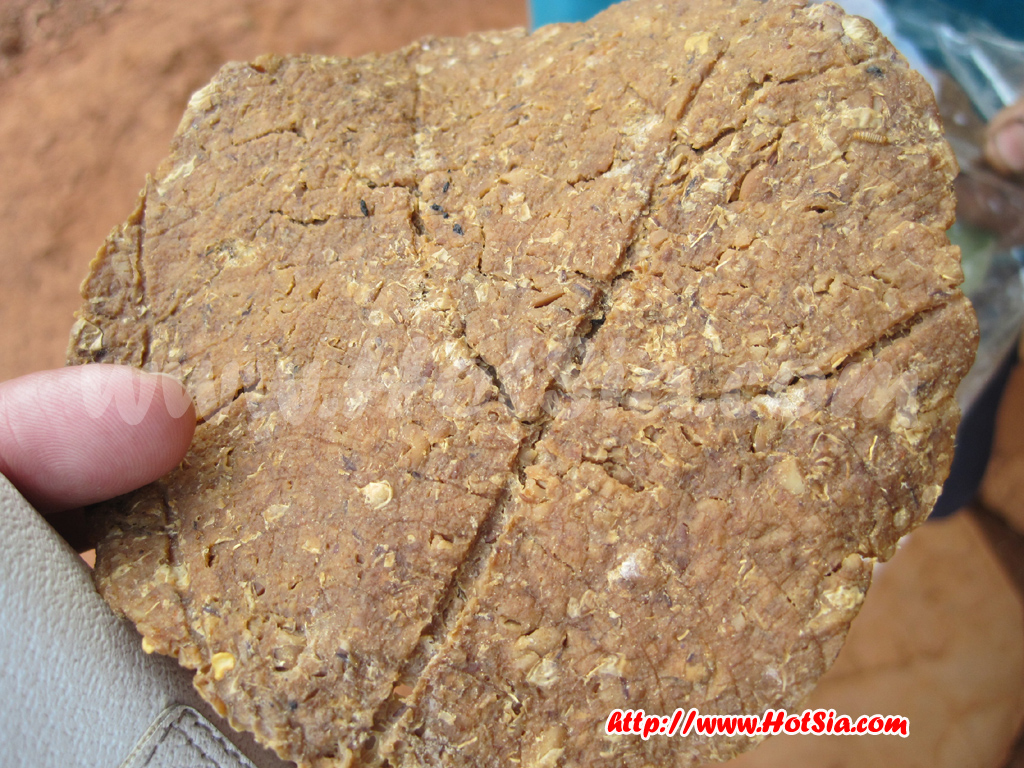
but after talking with Mr. Yanyong, I learned there would be a fermented egg competition, so I stayed four nights. For dinner, I ate fried fish and fermented soybean chili paste. I met an Akha elder drying fermented soybeans, as shown in the photo above. Besides fermented soybeans, there was an egg omelet with local onions, which have long roots; we eat only the roots. This dish is delicious. On the left is Mr. Yanyong, manager of the Akha Huai Khi Lek homestay. Both sticky rice and regular rice are available; I chose regular rice.
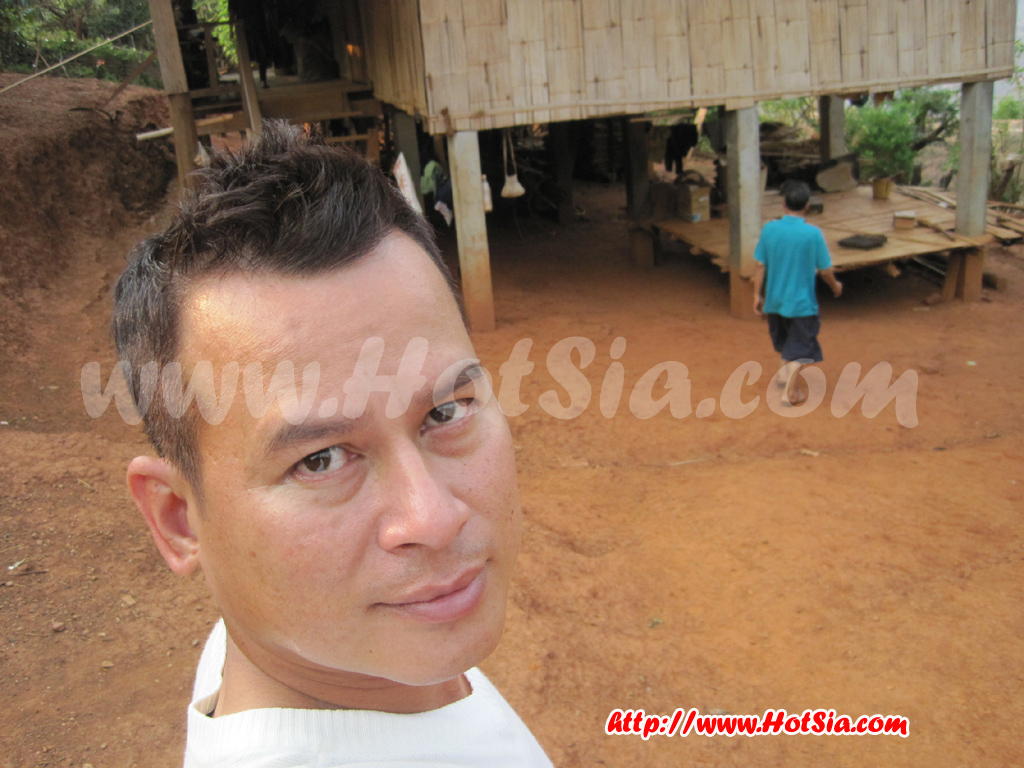
Huai Khi Lek village cannot grow coffee as successfully as other villages. The villagers remain poor and farm daily. Some hill tribe villages become wealthy just by growing coffee without hard labor like Huai Khi Lek. Tomorrow, I will work in the garden with the Akha, arranged with Mr. Yanyong to have a meal at the garden and plant garlic. Tonight, I will rest... Early April 2010 (Mr.Hotsia) Contact for Huai Khi Lek Village Homestay through Mr. Yanyong.
Additional information from http://kanchanapisek.or.th The Iko call themselves "Akha." In Thailand, Laos, and Myanmar, they are called "Iko." Their original homeland is Yunnan Province, China, and they migrated to Thailand about 60-70 years ago. Most Iko men, both children and adults, wear black double-front long pants and long-sleeved tubular shirts open at the chest with hems at the waist. Unmarried men wear silver buttons on their shirts and bracelets on neck and wrists.
Married men do not wear jewelry. All men shave their heads around, leaving a long topknot, not braided, and wrap a black cloth around their heads. Akha women’s attire changes with age; older women wear more jewelry. Women wear short black pleated skirts around the waist, long-sleeved black shirts with silver buttons. Young women wear a sash hanging on both sides and use cloth to wrap their chest instead of a bra. On their calves, they wear colorful cloth bands and always wear low hats.
Married women wear taller hats. The Iko language belongs to the Tibeto-Burman family, similar to Muser and Lisu languages. They have no written script. Settlement patterns: Iko villages are usually on high mountain slopes with wide areas for gatherings and rituals, near year-round water sources. They do not prefer large villages but live in small groups of 10-15 households, spaced about 3-4 kilometers apart.
Houses are mostly built on stilts using bamboo. The village chief’s house is in the center. Village entrances have gates shaped like swords or arrows, believed to protect the village spirits from evil spirits outside. Another gate called "Lok Kho" is made from large logs with two pillars and a crossbeam. During the New Year festival every year,