ไทย
ไทย
 English

Chiang Rai Huai Khi Lek Village Homestay, Akha (Iko) Tribe Homestay, Stay with the Hill Tribe, Participate in the Spirit Worship Ceremony
Huai Khi Lek Village Homestay, Akha (Iko) Tribe Homestay, Stay with the Hill Tribe, Participate in the Spirit Worship Ceremony http://www.hotsia.com > The Akha tradition of egg yolk knocking is a ceremony with many rituals and steps. I visited Huai Khi Lek Village and witnessed various rituals. To ensure accuracy and avoid errors, I will only share what I personally observed. For detailed information about the ceremony, I refer to the website http://www.hilltribe.org
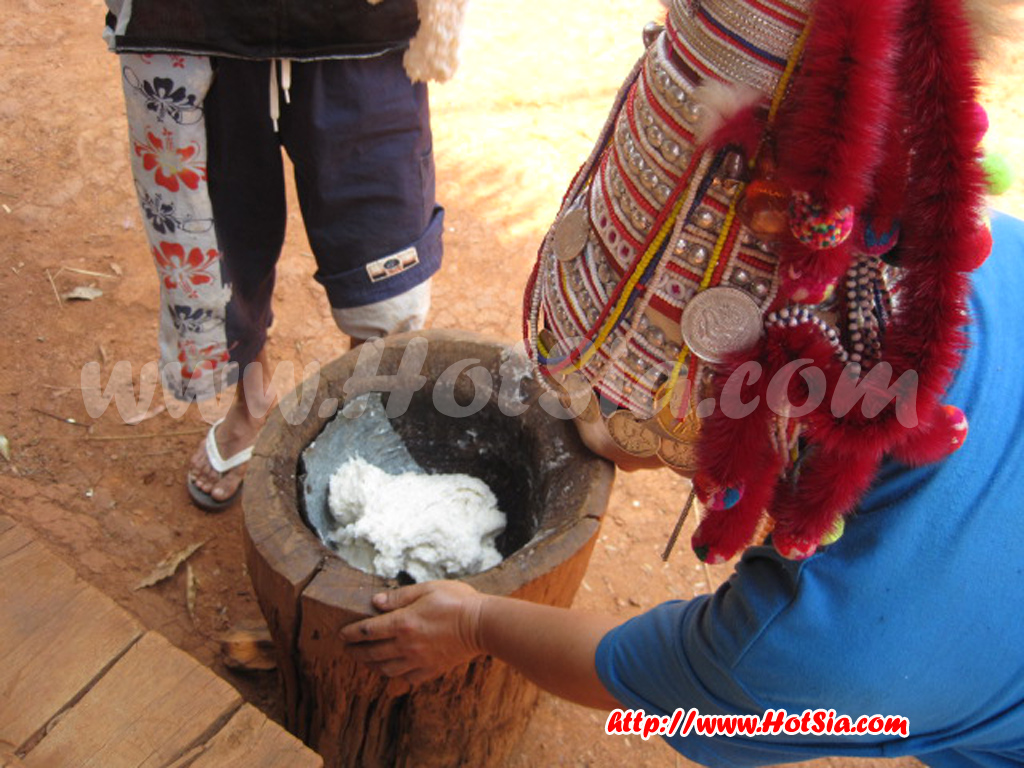
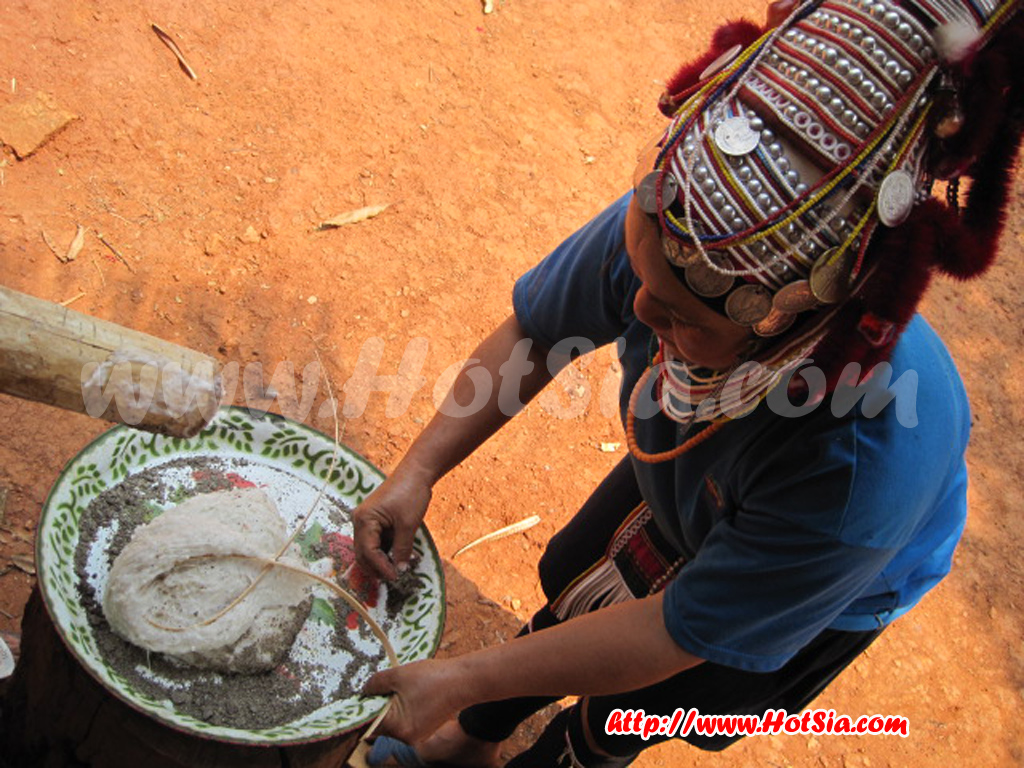
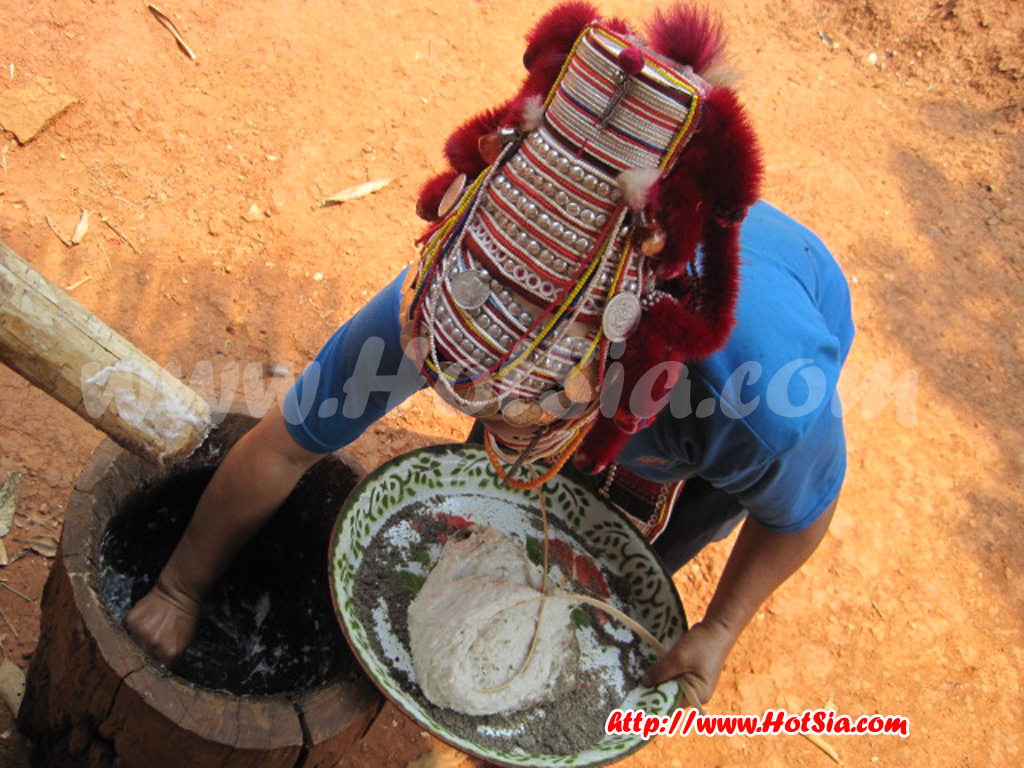
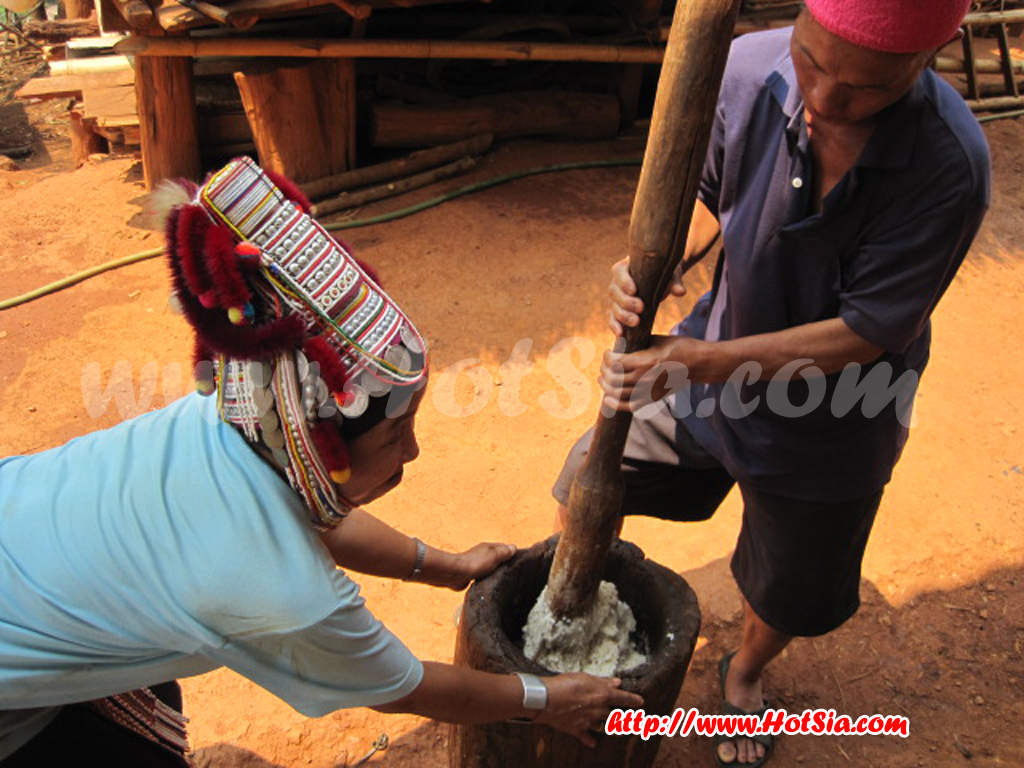
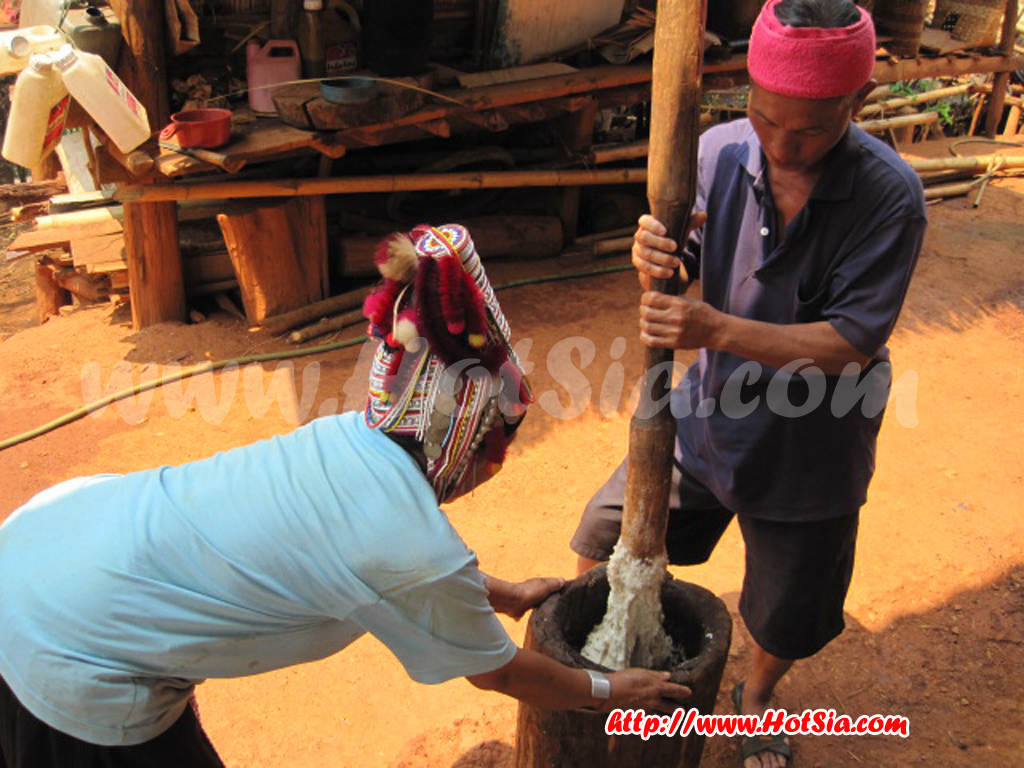
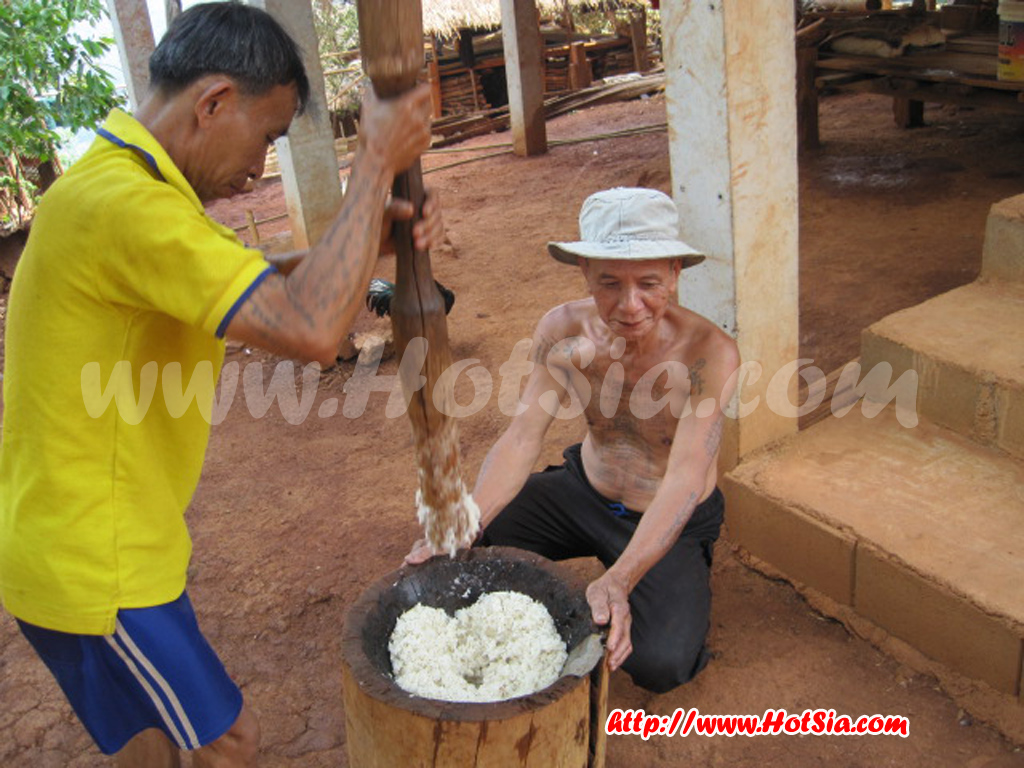
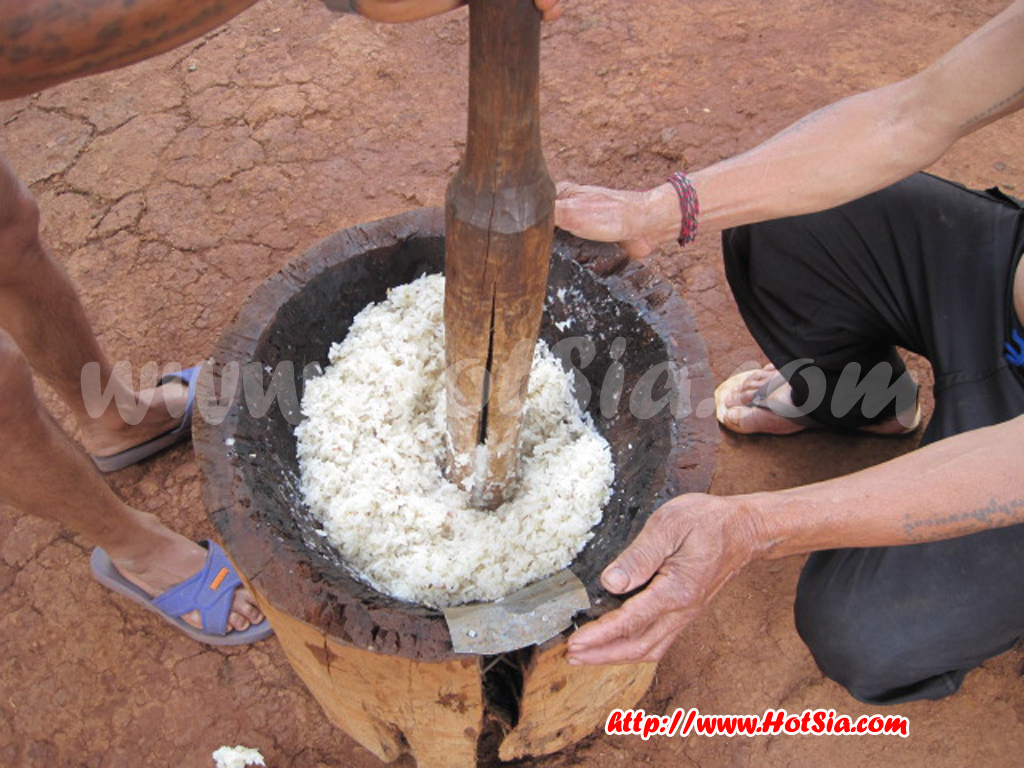
By Phra Ajeh Itthiyano, leader of the Akhaya Buddhist Shift, who posted on the forum of the mentioned website. From what I saw on the first day, Akha people who have not converted to Christianity wake up early to collect sacred village water, bringing gourds to fill with water. Returning late morning, they use the water to wash and prepare chickens for the ceremony. At 1 PM, they pound sticky rice, which I recorded on video at several homes. On another day, they hold the egg yolk knocking ceremony.
This event is like the Akha Children's Day, and the swing day is for Akha women. I will present the egg yolk knocking ceremony as a separate episode because I see it as an evolving tradition, similar to the Thai Songkran festival that continues to this day. The egg yolk knocking ceremony is likely to continue for a very long time. The following content about the ceremony is from Phra Ajeh Itthiyano, leader of the Akhaya Buddhist Shift. I thank him for the information.
The tradition of Kum Su Hum Mia A Po or boiling and dyeing egg yolks, also known as egg yolk knocking, is widely known in Thai society. It lasts for two days in early April every year and is a festival held before the annual planting season. The origin and exact time of this tradition are unclear. In the past, the Kum Su Hum Mia A Po or egg yolk knocking ceremony
lasted with a 13-day interval. However, about 20 years ago, the festival was changed by Akha scholar Mr. Aseh Ma Yao from San Charoen Old Village, a co-founder of the Akha Cultural Education Association in Chiang Rai. He adapted the Akha culture by removing the interval and combining the Kum Su and Hum Mia traditions into one festival called Kum Su Hum Mia A Po.
This adaptation continues to the present. The reason for the change was that the 13-day interval fell during a time when cutting wood, gathering green leaves, and harvesting crops were not possible. Mr. Aseh Ma Yao, an Akha cultural scholar, adapted the tradition to be stable and suitable for current circumstances because the Akha people often violated the old customs and might eventually accept wrong practices as correct.
The Akha culture might have disappeared even more if the interval had remained too long. In the past, if someone cut wood or harvested crops during the forbidden period, a ritual called Bu Lor, meaning 'to cleanse,' was performed. The Akha believe that anyone who cuts wood or harvests during the taboo period is impure, which brings misfortune to the community. The bed where I slept was like this.
On the water collecting day, I woke early to take photos. This day, called Pae or the first day of Kum Su Hum Mia A Po or boiling and dyeing egg yolks, starts with Akha men and women dressed in full traditional attire going to collect water from the pure stream called Yi So Le Kae. Before collecting water, they wash their feet, legs, hands, face, and the gourd (Yi Pu) thoroughly. Water is collected in a specific order. Returning home, they soak sticky rice. Around noon, the drum is beaten as a signal for villagers to steam the sticky rice, called Abor Jou Ma.
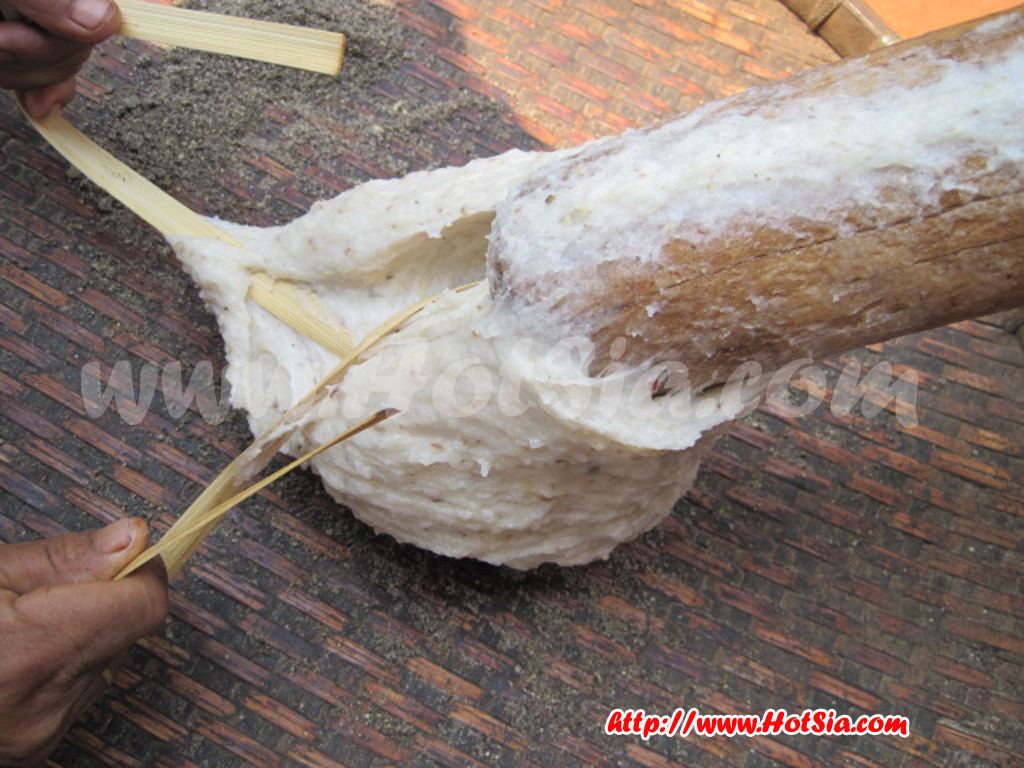
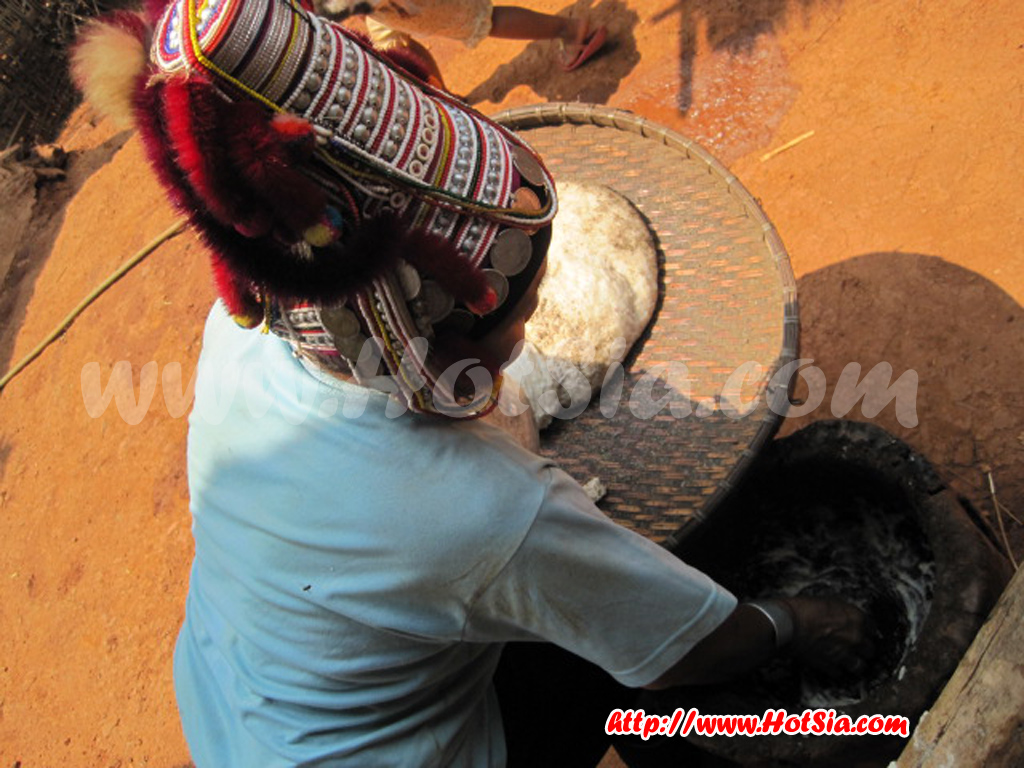
While the sticky rice is steaming but not yet cooked, black sesame is roasted and pounded with salt. When the sticky rice is cooked, it is pounded into rice flour called Khao Puk, sprinkled with black sesame for fragrance and to prevent sticking to hands or the winnowing basket. Salt is added for taste. The rice flour is brought inside to start the ritual by setting up rice wine called Ji Pa Ji Si, made from a mixture of rice and husked rice fermented in a bamboo tube.
Inside the bamboo tube is a bamboo straw called Yi Ter. The tube is placed on the ritual altar. Nearby, a bowl containing water in a gourd cup called Yi-Jae is set. Pure water is poured into the bowl, then taken from the bowl and poured into the rice wine three times. A bamboo stick called Ji Chor is inserted once into the rice wine. Then a chicken is caught for the ceremony.
The chicken can be male or female but must have no white feathers, as the Akha consider white-feathered chickens impure, called Ya-Ji-Ya-Se or pure chickens. The chicken must have all body parts intact. Water from the bowl is poured on the chicken's legs, wings, and head three times each. Then the prepared stick called Ti-Tu is used to strike the chicken's head. After slaughtering, the rituals vary by family lineage.
Some families cut off the wings and legs before plucking and burning feathers for two reasons: 1. If a wing or leg breaks, the ritual cannot continue and a new chicken must be found. 2. For convenience during the ritual, as sometimes a small chicken is needed. The feathers are completely plucked and burned. The chicken is washed with clean water and then the skeleton is split into two parts: the breast and the back. When pulling the skeleton apart, the liver must not stick to the breast.
If the liver sticks to the breast, the ritual must be redone. The Akha call this Nu Ma. The drumsticks, wing roots, and liver are cut into pieces and the breast is cut into small pieces to boil with sticky rice called Ho So. While boiling the chicken, the Ho Je, a ceremonial tray or bowl called Khun Tok, Ho Ju, or Hu Ma, is washed with clean and pure water. After washing, the bowl is placed on the second Khun Tok tray. Then rice wine is sipped from the rice wine tube and pure sticky rice is cooked.
Chicken meat including drumsticks, wings, and liver, along with other parts, is added. The Khun Tok tray is placed near the altar for worship. After facing away from the altar for about 5 minutes, the tray is brought down and all family members are called to eat together. A Po Lo Ja Ja E means sharing the ritual food among all family members. The food must be received with both hands joined respectfully and worn with modest clothing.