ไทย
ไทย
 English

Chiang Rai, The Colors of Chiang Khong
The Colors of Chiang Khong - Travel Chiang Khong, Chiang Khong travel information, Chiang Khong map, Chiang Khong border checkpoint, Mekong River bridge at Chiang Khong http://www.hotsia.com > Trips Mr.Hotsia took to Chiang Khong: Giant caterpillar at Ban Jam Pong market, Ban Num Hin, Ban Don Maha Wan, Chiang Khong Songkran lady, Ceremony to honor the Pla Buk spirit, Chiang Khong Songkran water splashing, Chiang Khong boat racing, Chiang Khong Buddha bathing procession, Chiang Khong Songkran alms giving, Chiang Khong Songkran merit making, The 4th Mekong River bridge
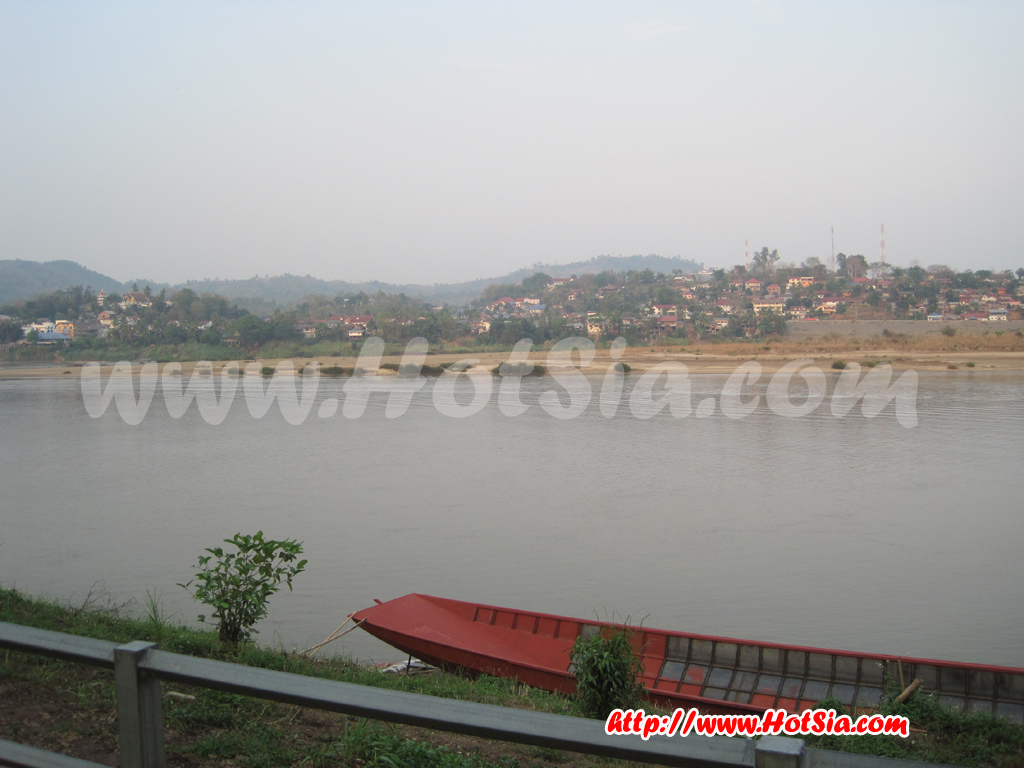
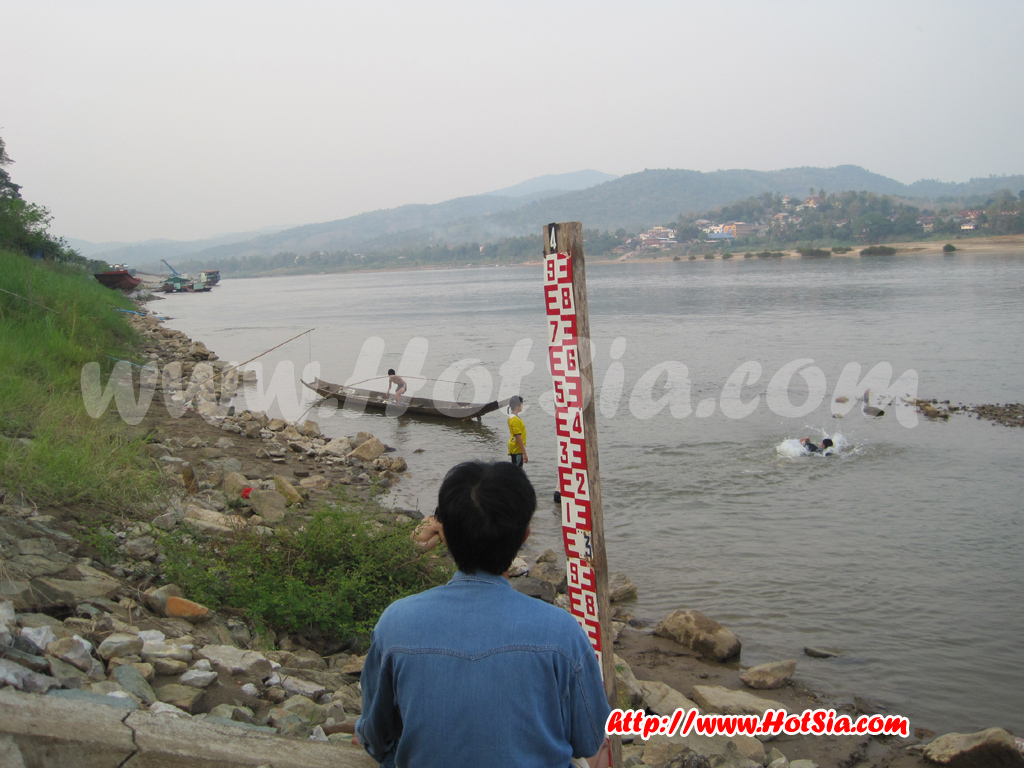
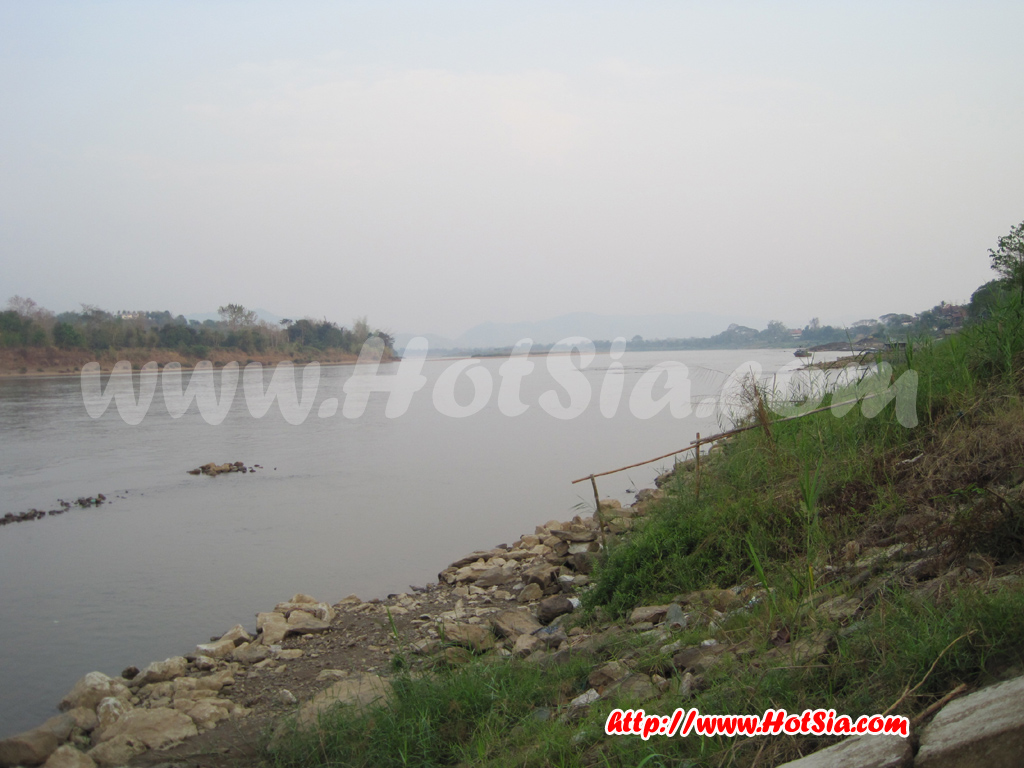
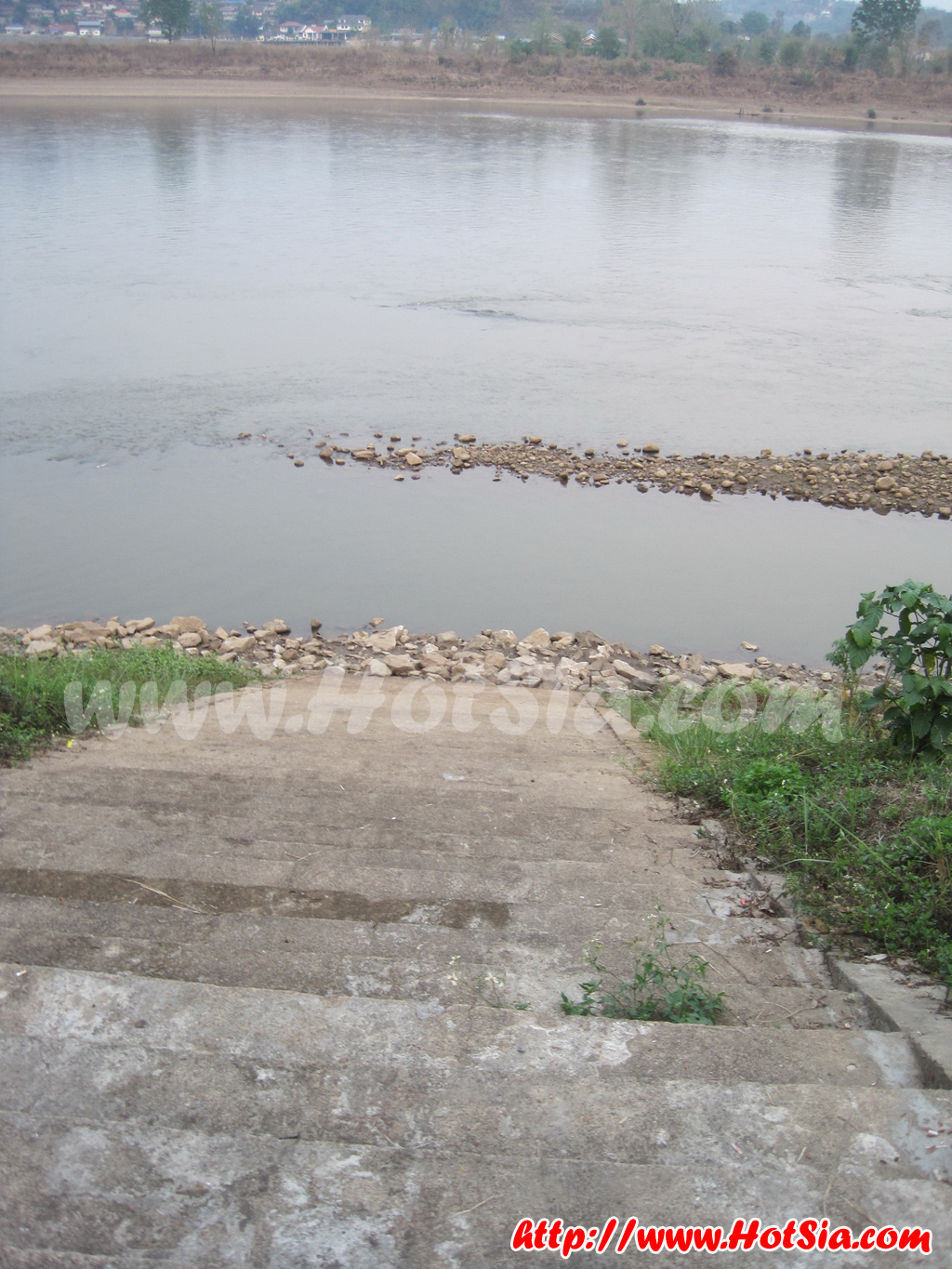
When talking about Chiang Khong district in Chiang Rai province, people think of two things: first, the Pla Buk fish; second, the international border checkpoint to Huay Sai, Bokeo province, Laos. Today, the Mekong River is at its driest in 10 years, making it impossible to boat from Huay Sai through Pak Bang to Luang Prabang. Even local fishermen on both Thai and Lao sides who used to catch fish find it harder to make a living with the low water. Chiang Khong has become quieter recently.
But today there is something new, not the Pla Buk fish or the border checkpoint, but the fourth Mekong River bridge connecting to Huay Sai, Bokeo province, and onward to Yunnan, China. Once this route is completed, we can leave Chiang Khong in the morning to eat and travel in Yunnan, China. This bridge is part of the R3E route, a four-lane road linking Thailand, Laos, and China. The R3E route starts from Mueang Chiang Rai district and Chiang Khong district in Thailand.
The distance is 130 kilometers to the Mekong River bridge in Bokeo province, Laos, then to Vieng Phoukha Luang, Nam Tha, about 250 kilometers, connecting to the Chinese border at Chiang Rung, Bohan, Kunming, about 1,000 kilometers. The total distance from Chiang Rai to Kunming is approximately 1,200 kilometers. When the bridge is completed, around 2011, traveling to northern Laos will be easier without needing to cross at Pak Nam port or use a ferry.
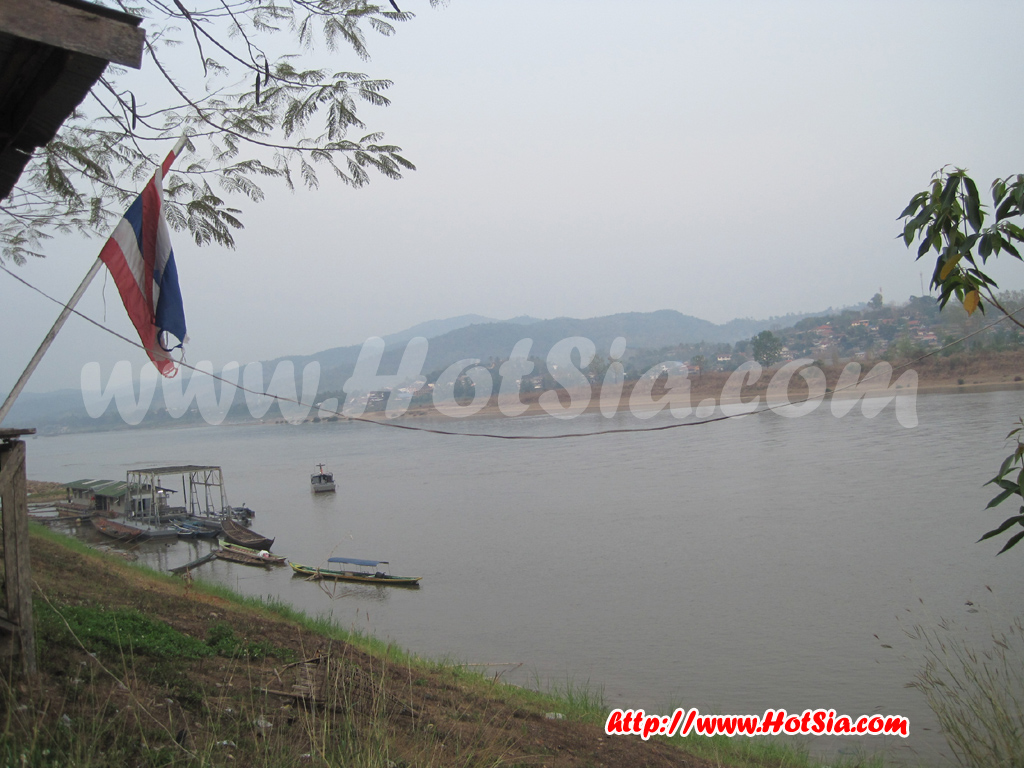
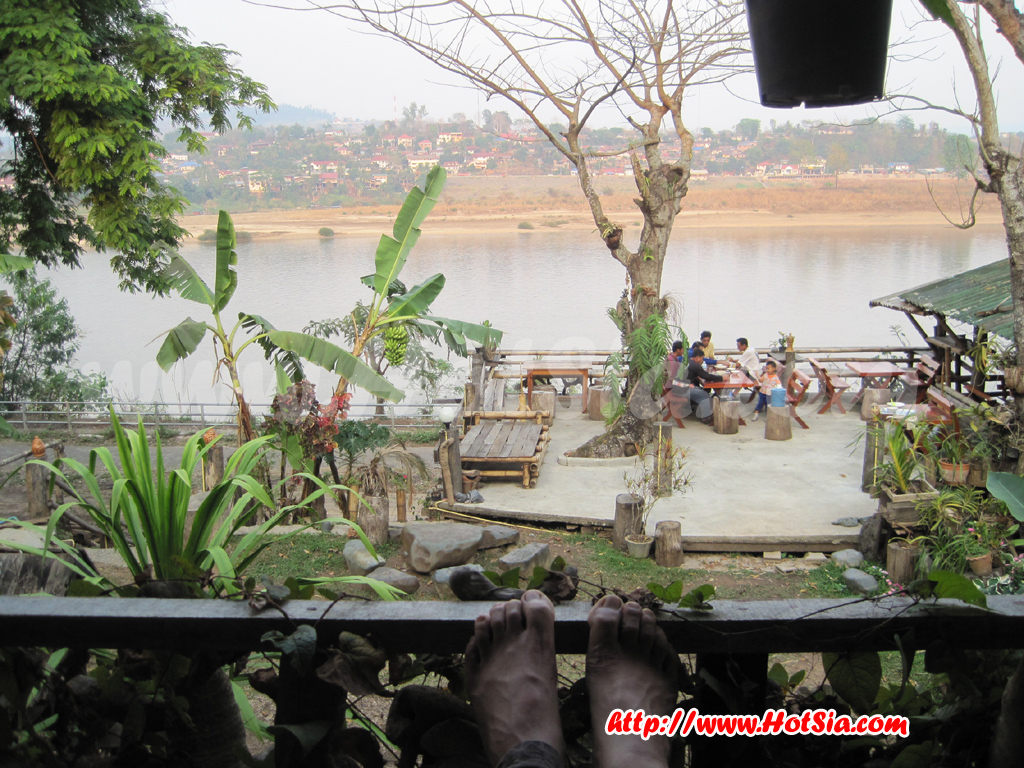
Independent travelers can more easily visit northern Laos, including Bokeo, Oudomxay, Luang Namtha, and Phongsaly provinces. It's as easy as traveling to Vientiane nowadays, like going to another province without needing a tour, just going on your own comfortably. For Luang Prabang, the easiest route is through the Huay Khroen international checkpoint in Nan province. I will make a summary map of travel routes for Laos and Vietnam along the Mekong River from my accommodation. Locals often come to sit and enjoy the Mekong view.
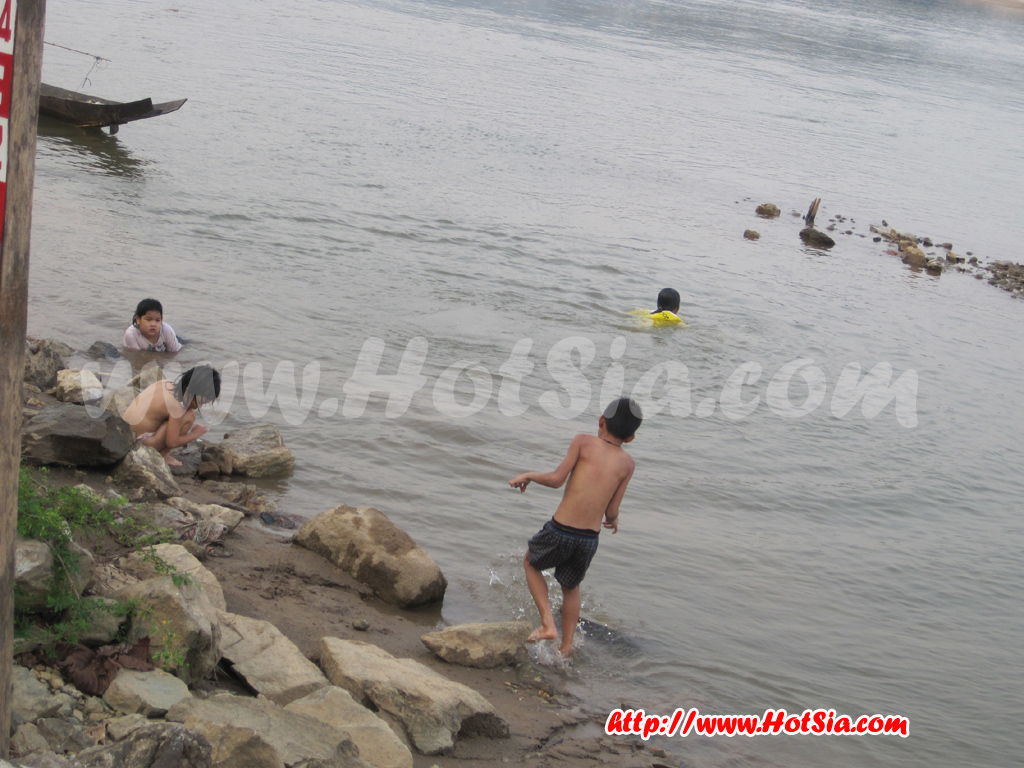
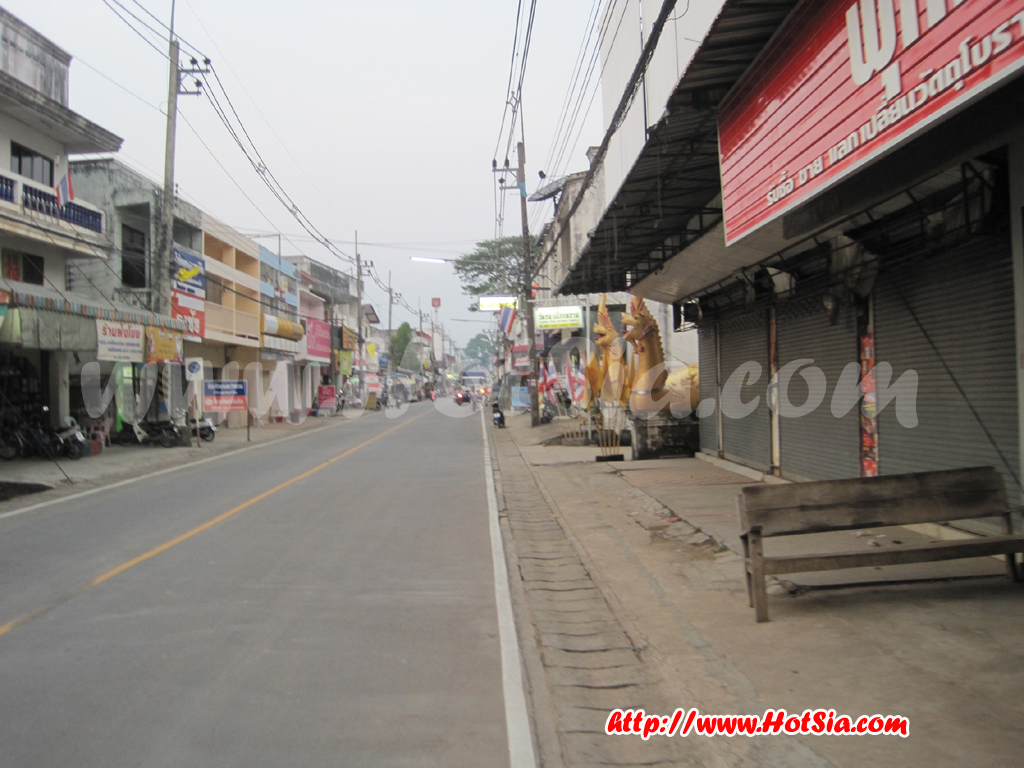
Children play in the Mekong River a few months before the bridge is completed. Chiang Khong remains quiet, not bustling. The charm of Chiang Khong is walking along the Mekong River, enjoying the breeze and the view of Huay Sai town, Bokeo province, on the opposite side. Some rent bicycles to ride along the river. You can find riverside accommodation for about 500 baht per night (crossing to stay in Huay Sai costs 200-300 baht, cheaper). Then stroll around the town and visit the morning market.
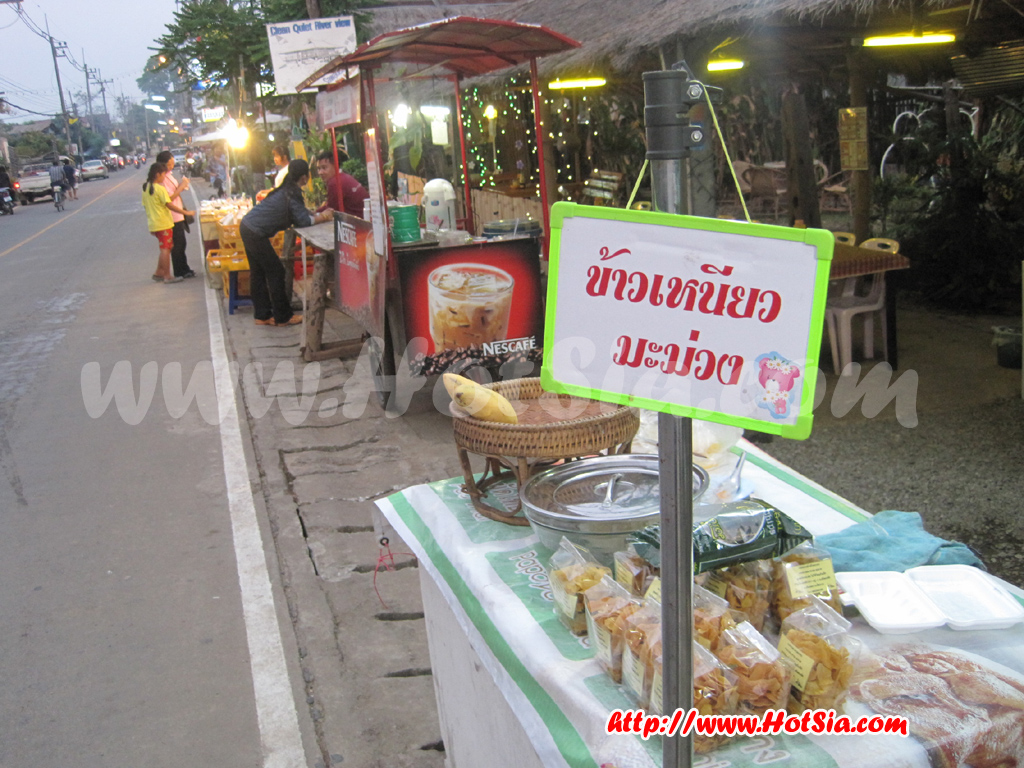
That's the full color of Chiang Khong. Today, Chiang Khong district has a fair number of foreign tourists. Backpacker accommodations costing a few hundred baht per night are still available. Most coffee shops with free Wi-Fi serve only guests staying overnight. At night, Chiang Khong is quiet with not much happening because most people cross over to stay in Huay Sai where it's cheaper. For travel to Chiang Khong from Bangkok, there are buses and other tour companies with similar prices.
I recommend using Sombat Tour for convenience. Call to book and pick up tickets one hour before departure. The bus usually arrives in Chiang Khong around 8-9 AM. You will need to take a tuk-tuk to the town for about 30 baht. From Chiang Mai, there is the Green Bus (http://www.greenbusthailand.com). Traveling to Chiang Khong is convenient. For my recommended itinerary, stay one night in Chiang Khong, then continue to Laos or Chiang Saen as you like.
As for me, I will stay at Ban Thai Lue Si Don Chai, only 12 kilometers from Chiang Khong. You can follow my trip. One day is enough to explore Chiang Khong; no need to stay longer. There is a Pla Buk fish shop near the bus station, but nowadays all Pla Buk are farmed. To give you a better picture of Chiang Khong's colors, I recorded a long video from the tuk-tuk ride to the Chiang Khong morning market to share with you.
Oh, I almost forgot to mention there is a Pla Buk fish shop near the Chiang Khong bus station. These are farmed Pla Buk, not wild Mekong Pla Buk. Speaking of Pla Buk, nowadays if Thai people catch them, no one eats them anymore. Agencies buy them to implant tracking chips and release them back into the Mekong. I'm not sure if NGOs do the same on the Lao side. Ban Fai Fresh Coffee is my favorite espresso shop in Chiang Khong with good coffee.
There is a nice atmosphere at a shop called 'Ban Fai Coffee' near the Government Savings Bank, easy to find. Just tell the tuk-tuk driver you want to go to Ban Fai Fresh Coffee and everyone knows it. The shop is decent, no air conditioning, suitable for sitting in the morning watching Chiang Khong life pass by, relaxing and planning your trip. Next to Ban Fai is a good chicken rice shop. Besides chicken rice, they also serve crispy pork rice and red pork rice. The place is clean and popular.
Next trip, I will recommend delicious restaurants in Huay Sai, including a pho shop called 'Pho Mik' and a grilled duck shop called 'Grilled Duck Khong Waeb.' These two places are very tasty. Just crossing the river by boat to eat at these two places is worth the trip to Huay Sai. Stay tuned. Their food is really good. That's all for my Chiang Khong trip because it's my rest time before I continue to Ban Thai Lue Si Don Chai. Tonight, I plan to stay at Ban Thai Lue.
Stay tuned... Mr.HotSia. Information about Chiang Khong district: Chiang Khong is a district in Chiang Rai province with terrain alternating between plains and mountains. The eastern part borders the Mekong River, opposite Huay Sai town, Bokeo province, Lao People's Democratic Republic. The population consists of various ethnic groups such as Tai Lue, Khmu, Muser, Hmong, and Yao. Most Tai Lue live in
Ban Huay Meng and Ban Si Don Chai. They migrated from Xishuangbanna in southern China. Currently, they mainly work in agriculture. They used to grow oranges famously, but due to many diseases, many stopped and switched to corn farming like neighboring villagers. The Khmu ethnic group lives in Ban Huay Kok, a small village with a small population. Most people in Chiang Khong district work in agriculture, such as rice farming.