ไทย
ไทย

Chiang Rai Doi Mae Salong Mae Salong Accommodation Travel Mae Salong
Doi Mae Salong Mae Salong Accommodation Travel Mae Salong http://www.hotsia.com > Chiang Rai > Doi Mae Salong Mae Salong Accommodation Travel Mae Salong. If we look back ten or twenty years ago, Doi Mae Salong was as famous as Pai is today. Over time, many new tourist spots have emerged, but Doi Mae Salong remains a classic destination that never gets boring. The reason is that the Mae Salong community is very strong. Everyone preserves their traditions well, starting from the spoken language.
Daily life and food. Nowadays, as more people travel to Pai, many places are said to be like Pai. But from what I see, probably neither is quite the same, or maybe Wiang Haeng, which is north of Pai, bordering Shan State of Myanmar. Everything is uncertain, but one thing is clear: there is no need for a second Pai. I want Pai to remain Pai, just like Mae Salong, which still fully qualifies as a timeless popular tourist destination.
From my analysis, I believe Doi Mae Salong still attracts visitors because the people there are united and preserve their culture very well. Today, all children in Mae Salong must learn Chinese, specifically Yunnan Chinese, which sounds similar to Mandarin but is different from Teochew. The teaching is supervised by military teachers who are very serious, unlike other communities that are gradually declining. In Thailand, if an area is very steep,
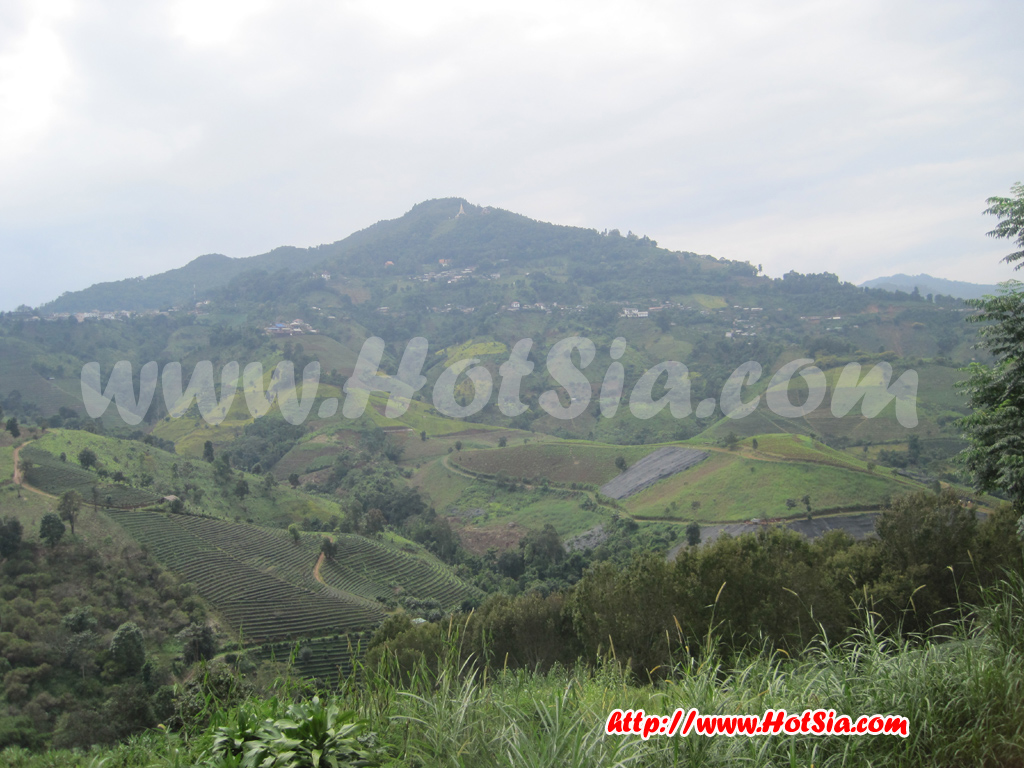
people cannot occupy it; it must belong to the state or national parks. Therefore, we do not see communities on steep slopes. I have seen three places in Thailand where communities live in valleys and are famous for tourism: Pai, Doi Ang Khang, and Doi Mae Salong. All three are worth visiting, and every traveler should visit all of them at least once. For tourist spots in Doi Mae Salong, Mr.Hotsia recommends visiting the Mae Salong viewpoint and tea plantations.
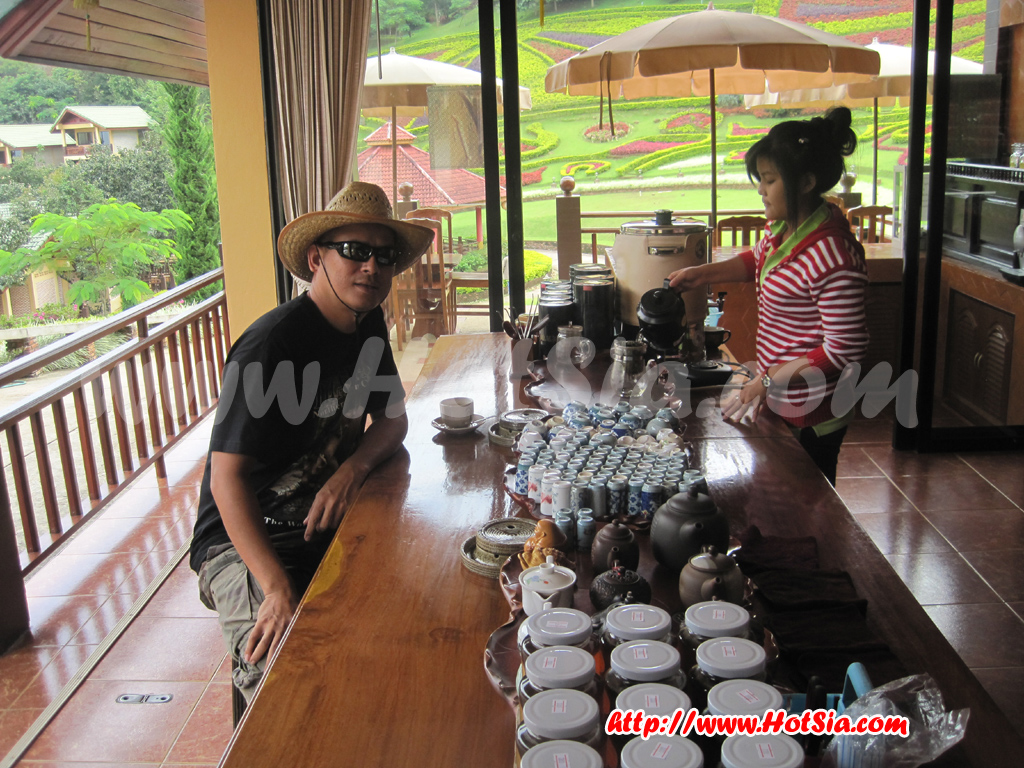
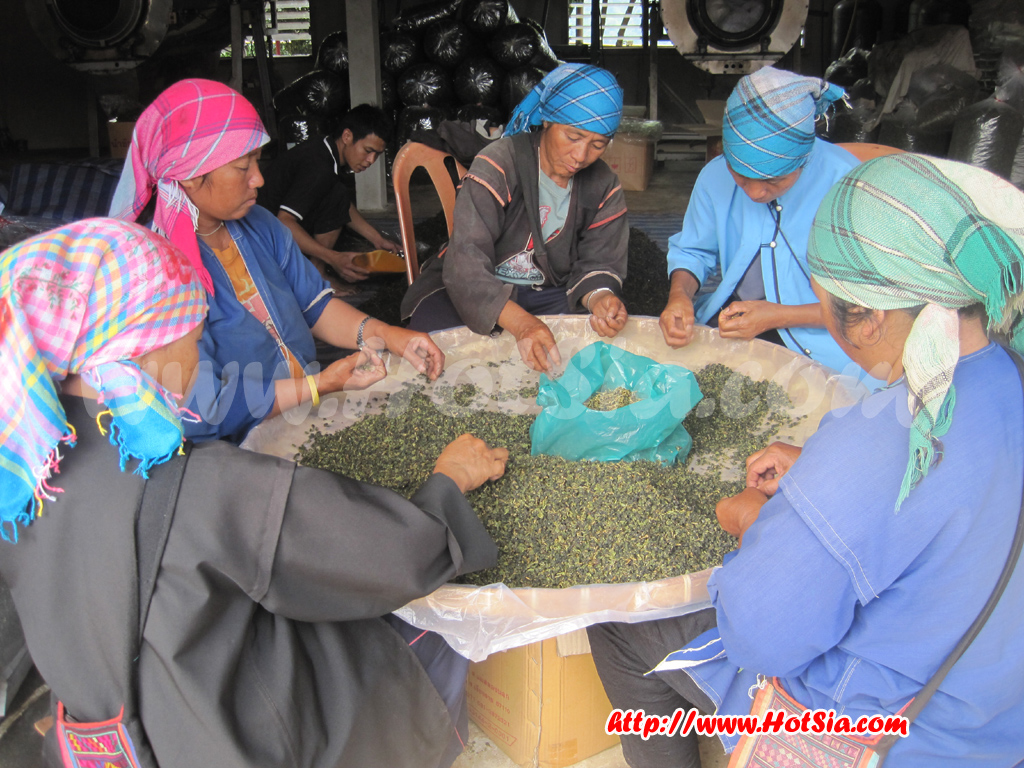
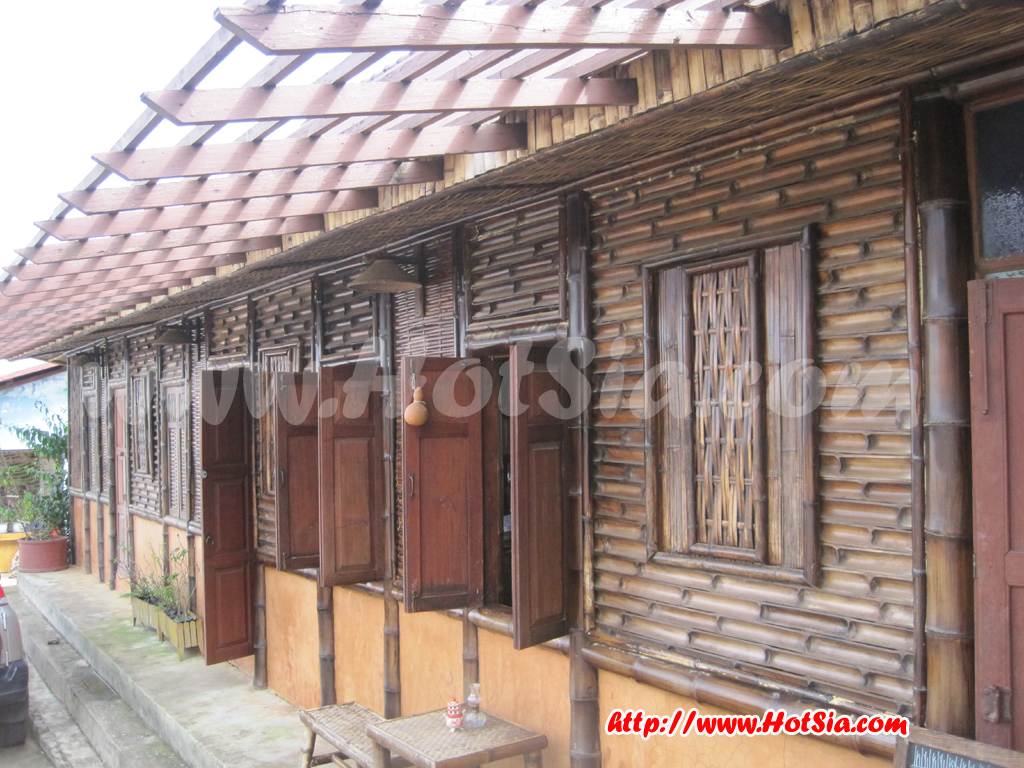
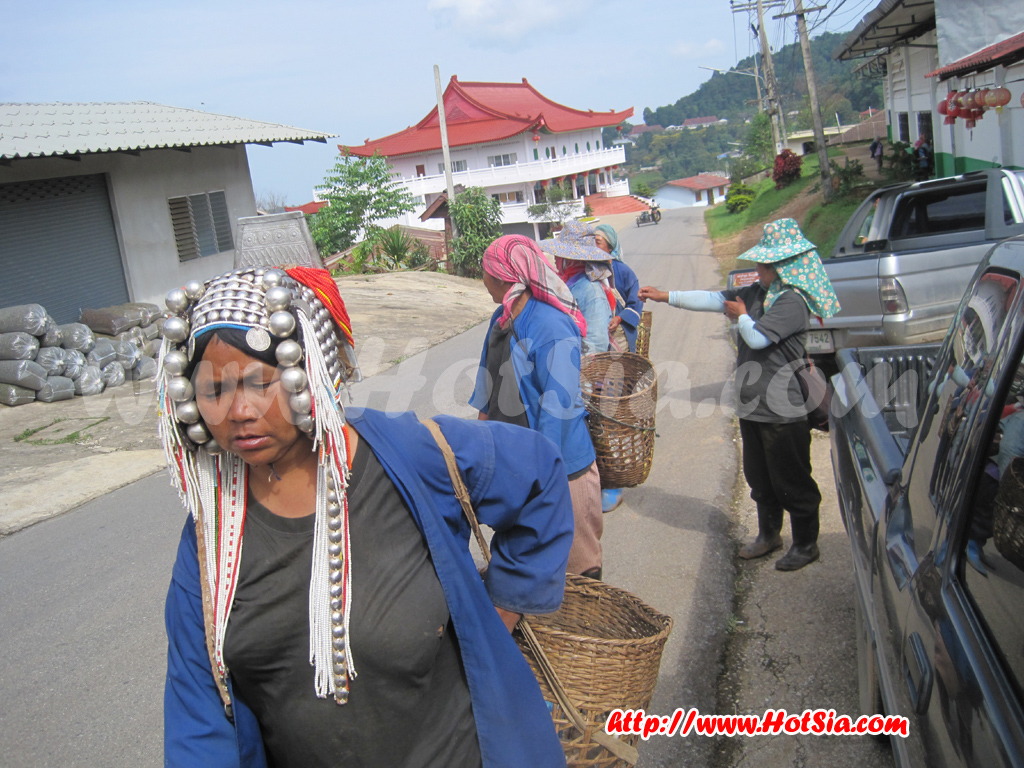
Taste tea and coffee at Doi Mok Dok Mai Resort, and stroll around the village to watch tea picking and processing. At night, relax at Ban Bon Doi restaurant or enjoy star gazing at your accommodation. For lodging, I stayed and recommend Ban See See Resort, priced at 400/500 baht. Staying here offers views of the Mae Salong valley and star gazing. The valley is planted with tea. The hill tribe people select tea leaves at Ban Doi Mae Salong. To enjoy your trip, learn about the origins of Doi Mae Salong.
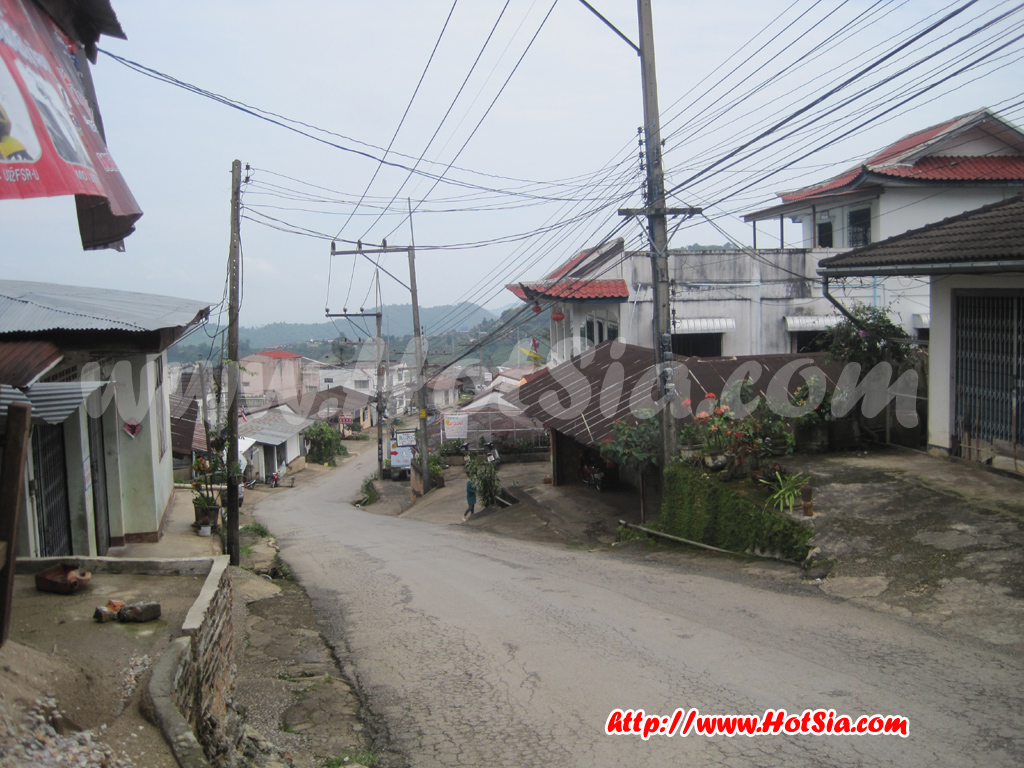
I have gathered information from the website to present here and thank the source. Experience the Chinese village, taste exquisite tea, savor Chinese cuisine, and admire cherry blossoms blooming all over Doi Mae Salong. Doi Mae Salong or Doi Santikhiri is home to a Chinese community from the 93rd Division who migrated here since 1961. The community is filled with the lifestyle and culture of Chinese from Yunnan province, engaged in agriculture by growing tea and temperate vegetables.
Amid beautiful scenery and cool weather, the food is renowned as authentic Chinese cuisine from southern China. Doi Mae Salong is located in Mae Salong Nok Subdistrict, Mae Fah Luang District, Chiang Rai Province. Travel by private car via Phahonyothin Road, passing Mae Chan District for about 1 km. At Ban Pa Sang near kilometer marker 860, turn left and continue 12 kilometers on Highway 1130 connecting to 1234 to the Hill Tribe Development and Welfare Center. From the center, continue 11 kilometers
to Ban Pa Duea village, a stop for hill tribe handicrafts. Then travel from Ban Yae to Ban E-Ko at the three-way junction: turn right to Thoed Thai village, left to Doi Mae Salong, 18 kilometers. The total distance from Chiang Rai is 42 kilometers, all paved roads, reaching Doi Mae Salong. Another route before Mae Chan District is to turn left onto Highway 1089 and continue until between kilometer markers 54 and 55 (Kew Satai), then turn right for another 13 kilometers
to reach Doi Mae Salong as well. The first route from Chiang Rai is the most convenient. (From Doi Mae Salong, there is a connecting road to Ban Tha Ton, Fang District, Chiang Mai Province, 45 kilometers.) For public transport, take a bus from Chiang Rai Bus Terminal on platform 5 for the Chiang Rai-Mae Sai route and get off at Ban Pa Sang (the entrance to Doi Mae Salong) in Mae Chan District. There is a green songthaew queue serving tourists from 6:00 AM to 5:00 PM (departing every 30 minutes). The fare is about 700-800 baht per vehicle for 10 people (80 baht per person). **Prices may change; please check in advance before traveling.**
Relax with hill tribe people selling vegetables. From the Mae Salong viewpoint, in the past, this hill was home to various hill tribes who survived by shifting cultivation, which caused deforestation in this mountain range until now.
Later, Doi Mae Salong underwent a major change in 1961 when the 93rd Chinese Division from Yunnan Province migrated here. This community consists of former soldiers of the 93rd Division under the Kuomintang led by General Chiang Kai-shek, who fought in southern China during World War II. Later, a major change occurred in China when the Communist Party led by Mao Zedong took power. The Kuomintang retreated to Taiwan, and the 93rd Division became a displaced force.
They were heavily pressured and retreated into Myanmar but were pushed back by Myanmar forces, leading to several clashes until they retreated to the Doi Tung mountain range on the Thai border. Myanmar complained to the United Nations in 1953, which resolved to relocate the displaced forces to Taiwan. However, about 30,000 soldiers under Generals Li Wenfan and Tuan Xiwen applied for asylum in Thailand, uncertain about the future since Taiwan is a small island.
The Thai government allowed this by allocating soldiers under General Li Wenfan to live in Tham Ngob, Fang District, Chiang Mai Province, while 15,000 soldiers under General Tuan Xiwen stayed on Doi Mae Salong since 1961 to act as a buffer against minority groups. Initially, Doi Mae Salong was a mysterious forbidden land with issues of drugs and armed forces. The Thai authorities tried to solve these problems by transferring these forces under the Supreme Command Headquarters.
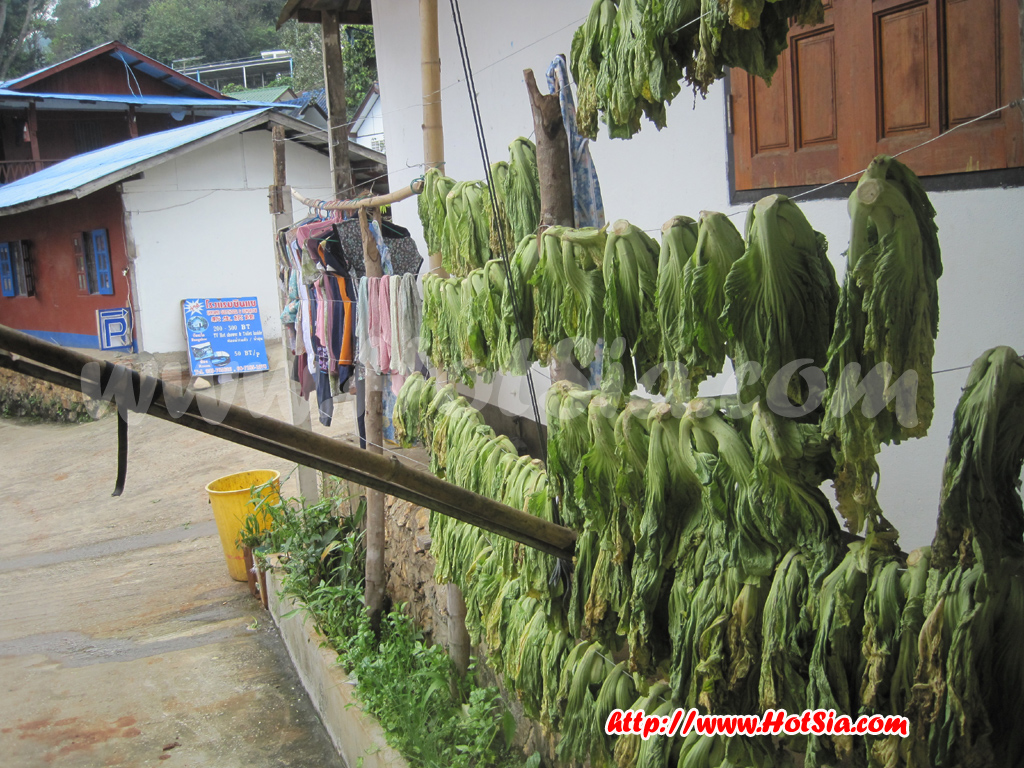
In 1972, the Cabinet officially accepted the Nationalist Chinese soldiers to reside in Thailand, ending opium trade, disarming, and turning to agriculture. Former Prime Minister General Kriangsak Chomanand initiated tea planting and three-needle pine planting to replace forests. The community on Doi Mae Salong was renamed Ban Santikhiri and was issued ID cards in 1978. Since then, Doi Mae Salong has returned to peace and become an important tourist destination. Salted mustard greens are dried on drying racks.