ไทย
ไทย
 English

Chiang Rai Solo Adventure: Homestay at Mien Village, Akha Village, Lanna Ban Huak, and Tai Lue Village
Experience homestays with the Mien tribe at Ban Huak, the Akha tribe, and the Tai Lue people. Explore hill tribe homestays at http://www.hotsia.com > Solo adventure visiting Mien Village, Akha Village, Lanna Ban Huak. Mr.Hotsia's trip to Chiang Khong includes the Giant Caterpillar Market at Ban Jam Pong, Ban Ngom Hin, Ban Don Maha Wan, the Chiang Khong Songkran Festival, the Pla Buk Spirit Worship Ceremony, water splashing during Songkran, boat racing, Buddha bathing procession, almsgiving, and merit-making during Songkran.
The photos I share here are just a preview of the stories to come. The full experience includes many more photos and videos. After two months of developing the HotSia.com website, it's finally time to travel and live up to the site's slogan: "Travel with passion in Thailand, Cambodia, Laos, and Vietnam." My first solo travel trip aims not only to gather stories to share with friends on the website but also to learn how to travel alone for several days.
This trip focuses on truly living with local people. I chose to stay in homestays because it allows me to live alongside villagers—cooking together, working in the garden, and being guided around the village by locals. After this first trip, I hope to have the courage to travel and stay with Vietnamese and Laotian villagers in the coming months. I named this first journey:
"Solo Adventure Homestay" because I traveled alone, sleeping wherever I stayed, focusing on homestays with various hill tribes. Some nights I barely found accommodation; other nights I was scared of ghosts! Follow all episodes—there will be about 20 trips in this "Solo Adventure Homestay" series. The destinations include the Mien (Yao) village at Ban Pha Daeng, Sri Thoi District, Phayao Province, then onward to Chiang Kham District to reach Ban Huak on the Laos border.
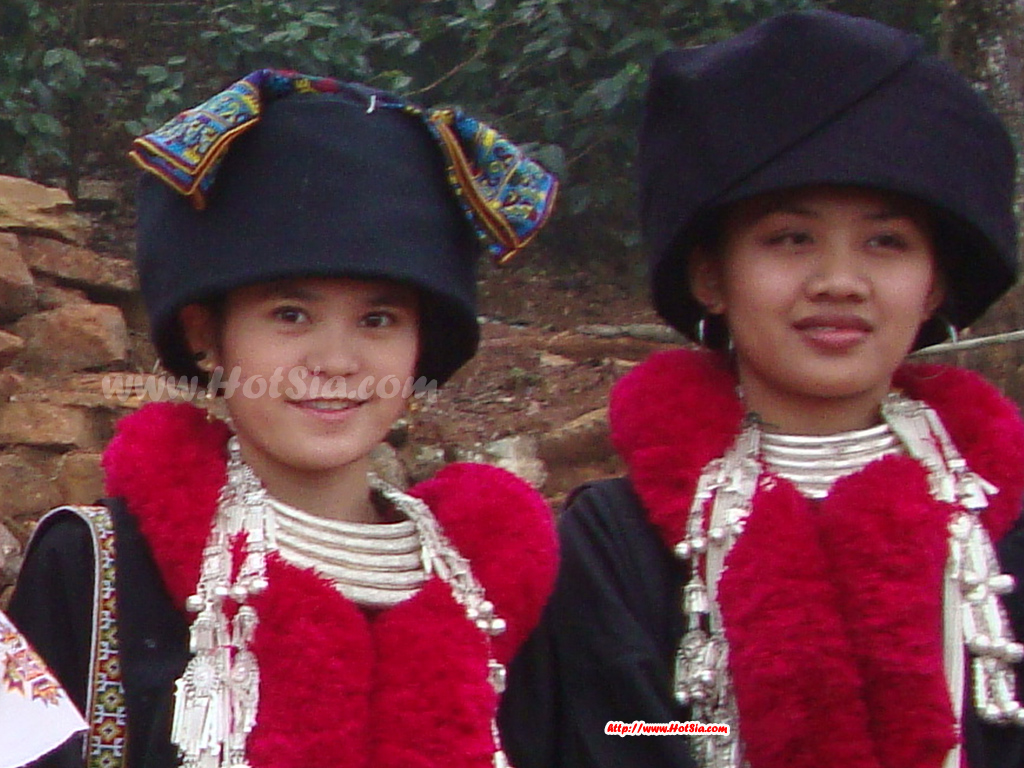
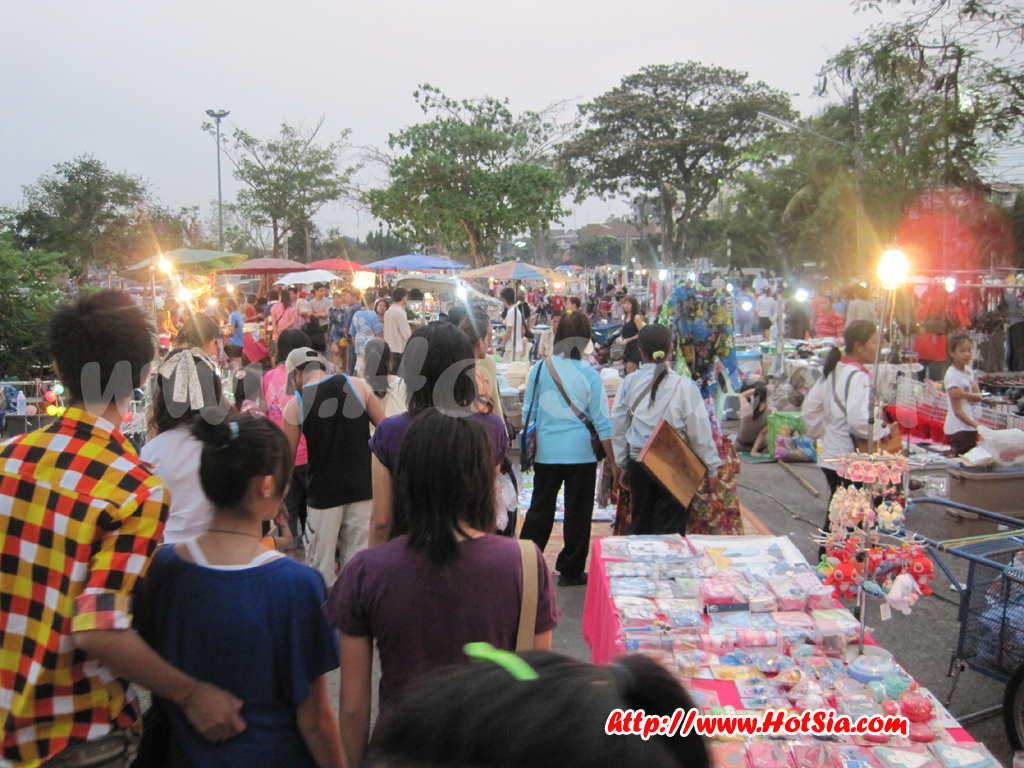
After that, I stayed at the Tai Lue village in Chiang Khong and continued to Chiang Rai to find accommodation with the Akha (Iko) tribe in a village. These are my planned destinations, each with unique highlights. I like the red woolen outfits of the Yao people. At Ban Huak in Chiang Kham, there is a lively Laos border market every 10th of the month where Lao people come to shop. Visiting the Tai Lue homestay is to gather information about the Tai Lue people before I travel to southern Xishuangbanna in China.
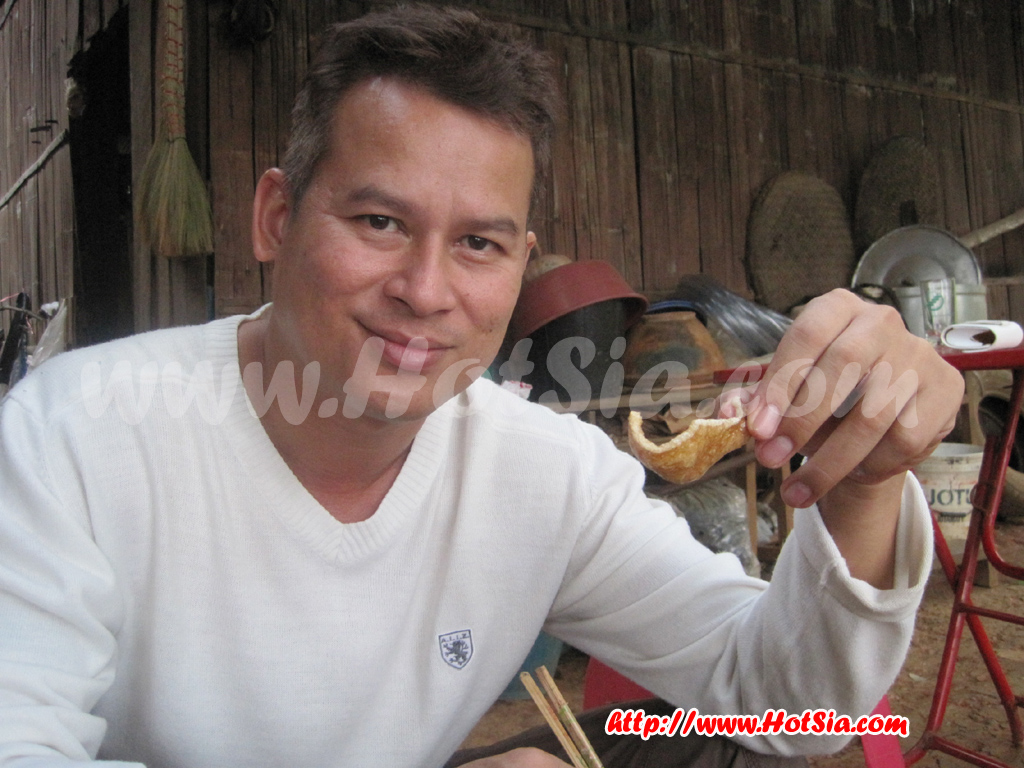
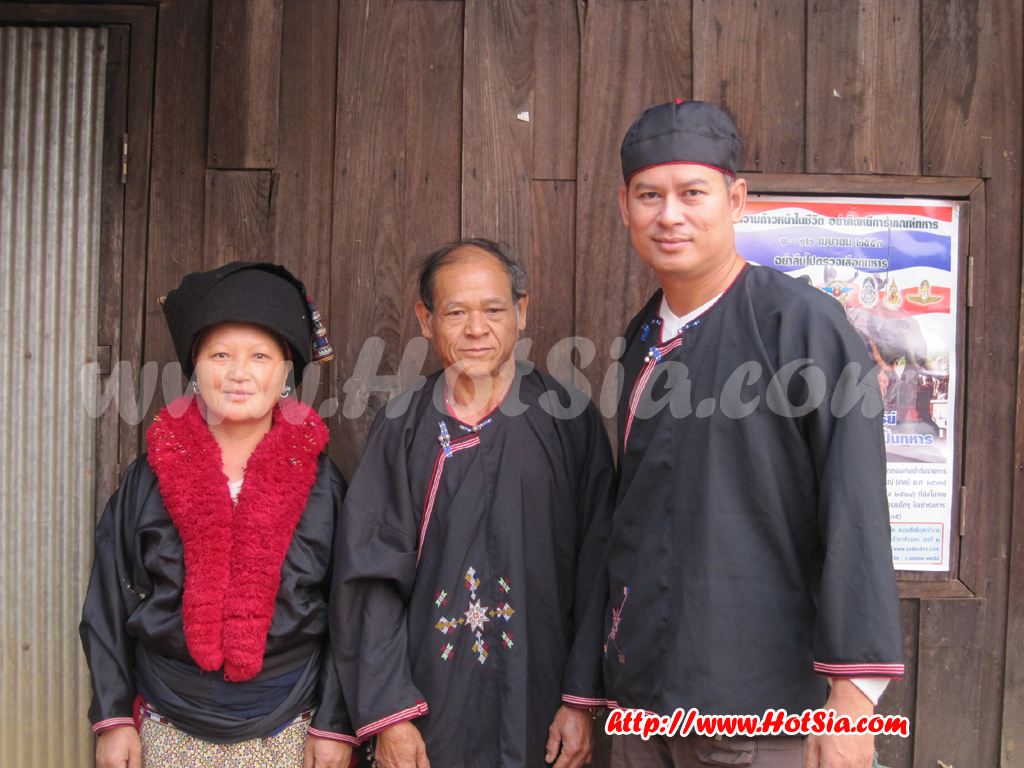
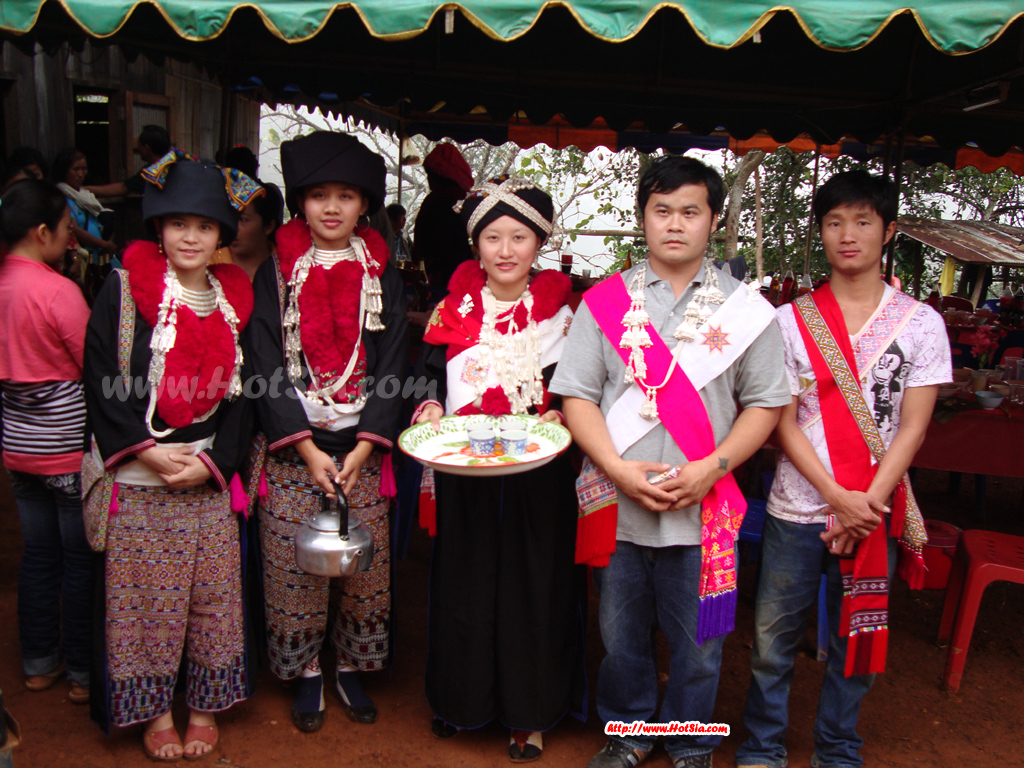
This is to trace the culture of the Tai Lue before they settled in Thailand. Lastly, with the Akha or Iko tribe, besides learning about their culture, I also sought factual information about the Mida Lan women's embrace tradition—whether it truly exists or not. I took photos with the homeowners at the Mien village during my solo homestay adventure. We update www.hotsia.com regularly. Besides the website,
there is a travel blog. Friends who want to follow can subscribe via Facebook to enjoy and share the excitement of where I stay and how it is. I also announce each trip in advance on Facebook and Twitter. When internet access is good, I upload daily clips on YouTube. So don’t miss following my travels through these channels.
The story about the Cupid at the temple is a must-watch. Now, let's start packing. For homestay trips, I prepare a flashlight. For clothes, I pack two sets for dinner and sleeping, and two sets for daytime. I bring a lightweight, quick-drying towel and personal items like soap, shampoo, and a toothbrush. No need to bring too much to avoid heavy luggage.
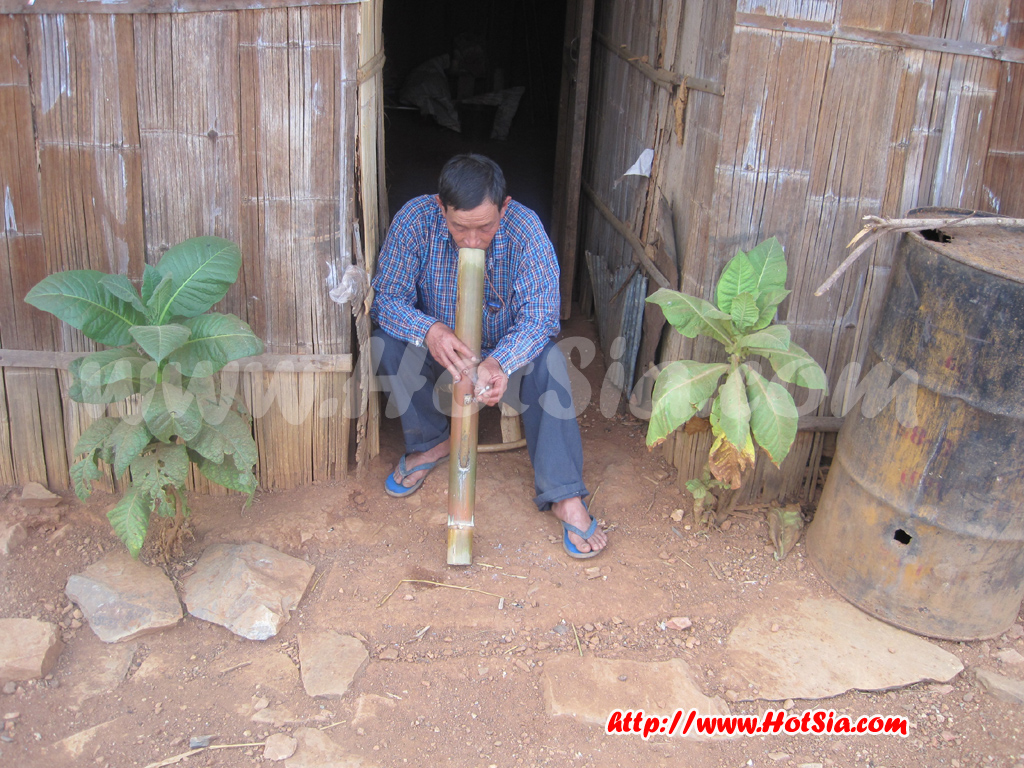
If you worry about bed cleanliness, bring a thin sheet to lay on the mattress. Don’t forget a wide-brimmed hat for sun protection—not just for style. Food is not a concern because most homestays have village shops where you can buy eggs to fry if you don’t like the local food. Sometimes, Lao people bring goods across the border to sell at Ban Huak market. Here is a genuine Tai Lue elder who has never cut his hair since birth. For my trip, I traveled by bus.
Before traveling, I gathered some information about who to contact. For hill tribe homestays, usually, you contact the village headman. For popular homestays, phone numbers are available online. I contacted the village headmen in advance and roughly scheduled my arrival dates. They prepared accommodation for me.
Most hill tribe villages are not accessible by public transport, so I walked, rode a motorcycle, or hitchhiked with villagers. To follow my journey, let me first share some basic information about the tribes. According to the Highland Agricultural Development Division, Thailand has 1,203,149 hill tribe people. The largest group is Karen with 438,131 people, accounting for 36.41%. Next are the Lahu with 153,955 people (12.79%), the Hmong with 102,876 (8.55%), the Akha with 68,653 (5.70%), and the Yao with 45,571 (3.78%). The rest include Lisu, Lua, Thin, Khmu, Malabri, Palong, Tongsu, Tai Lue, Chinese Ho, and Shan, making up less than 4% of the total hill tribe population.
"Tam Ta" at Ban Huak is delicious and smooth.
Fishing for snails and fish with villagers. Some names may confuse because they have been renamed. Originally, lowland people named and called them (information from Mr. Somsak at http://www.hilltribeguide.com), but these names were disrespectful and meaningless, so new names were adopted. I summarized the names for easier understanding. This is excellent. I will reveal more in the upcoming stories.
Now that we know this, we can use the correct names and avoid the old names that the tribes dislike. In the "Solo Adventure Homestay" trip, we introduce the cultures of the Mien, Akha, and Tai Lue people. The trip is fun and engaging, with excitement, thrills, and delicious food to try. Follow daily updates on www.hotsia.com. Important information about tribes and ethnic groups.