ไทย
ไทย
 English

Chiang Rai Mae Sai Border Market
http://www.hotsia.com > Chiang Rai > Mae Sai Border Market Everyone wants to visit and shop here because goods from Mae Sai are incredibly cheap, coming from China. The Mae Sai market is divided into two sides: the Thai side and the Tachileik market in Kengtung, Myanmar. Each has its pros and cons. The Thai side is run by Thai sellers who speak the language, prices may be higher but transactions are smoother. The other side is the Tachileik market on the Myanmar side.
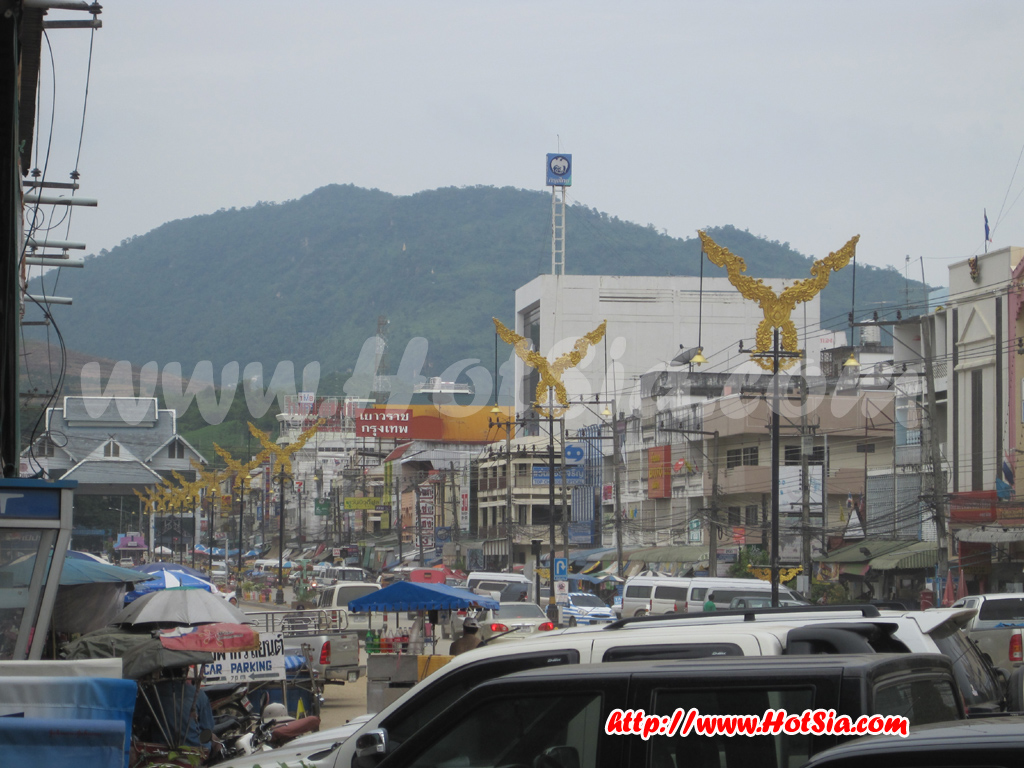
Here, bargaining skills are essential because an item priced at 1000 baht might be negotiated down to 100 baht. Patience is also needed to resist buying from children selling low-quality goods. If you engage in bargaining or chatting, they might follow you for hours until you return to the Thai side. If you bargain but don't buy in shops, there are stories online about possible violent reactions. I have personally encountered children selling cigarettes.
For those visiting Mae Sai who don't want to shop, you might visit the Jade Buddha Temple or see the Karen Long Neck tribe on the Myanmar side. I will write about this to offer alternatives for those who prefer sightseeing over shopping or want to travel in groups. Today, visitors must obtain a border pass at the district office; it's easy—just submit your ID card for photocopying and sign the form.
Traveling to Myanmar today mostly requires flights in and out, except for border crossings like this where individual passes are needed instead of passports. Let's get to know Mae Sai: it is 61 kilometers from Chiang Rai city along Highway 110. It is Thailand's northernmost district, bordering Tachileik, Myanmar, separated by the Mae Sai River. A bridge connects the two towns, allowing free movement of Thai and Myanmar people for trade and visits.
Thai tourists often visit Mae Sai and Tachileik markets in Myanmar to buy local and inexpensive products such as herbal soap, brassware, and baskets. Thai tourists can enter Myanmar daily from 6:30 AM to 6:00 PM using their ID card or other government-issued cards. The fee is 30 baht per person, with a 10 baht border crossing fee. Items prohibited from import into Thailand include wildlife products and alcohol.
Foreign cigarettes and pornographic CDs are also restricted. If purchased for commercial purposes, proper import taxes must be paid. Nearby attractions include Wat Phra That Doi Wao, located in Village 1, Mae Sai Subdistrict, Mae Sai District, Chiang Rai Province (situated on a hill by the Mae Sai River). According to history, Phra Ong Wao, ruler of Nakpan Yonok city, built it in 364 BE to enshrine a relic of the Buddha's hair. It is one of the oldest pagodas after Doi Tung.
Doi Wao Pagoda is beautifully shaded and features a viewing tower with clear views of Mae Sai town and Tachileik, Myanmar. A large cement sculpture of a scorpion elephant (Mang Wao) stands prominently on the northern plaza of the pagoda. Monuments of King Naresuan the Great, Queen Suphankanlaya, and Prince Ekathotsarot are enshrined side by side.
These three monuments were built according to the wishes of Luang Pu Ngon Sorayo of Wat Phra Phutthabat Khao Ruak, Phichit Province. There is also the Paichai Castle, constructed to honor virtues and to pay respect to Indra (Amarintharath), built through cooperation of government, private sectors, and Mae Sai district benefactors. Information partly from: Tourism Authority of Thailand, Northern Region Office 2, Chiang Rai (TAT). Explore Mae Sai Border Market.
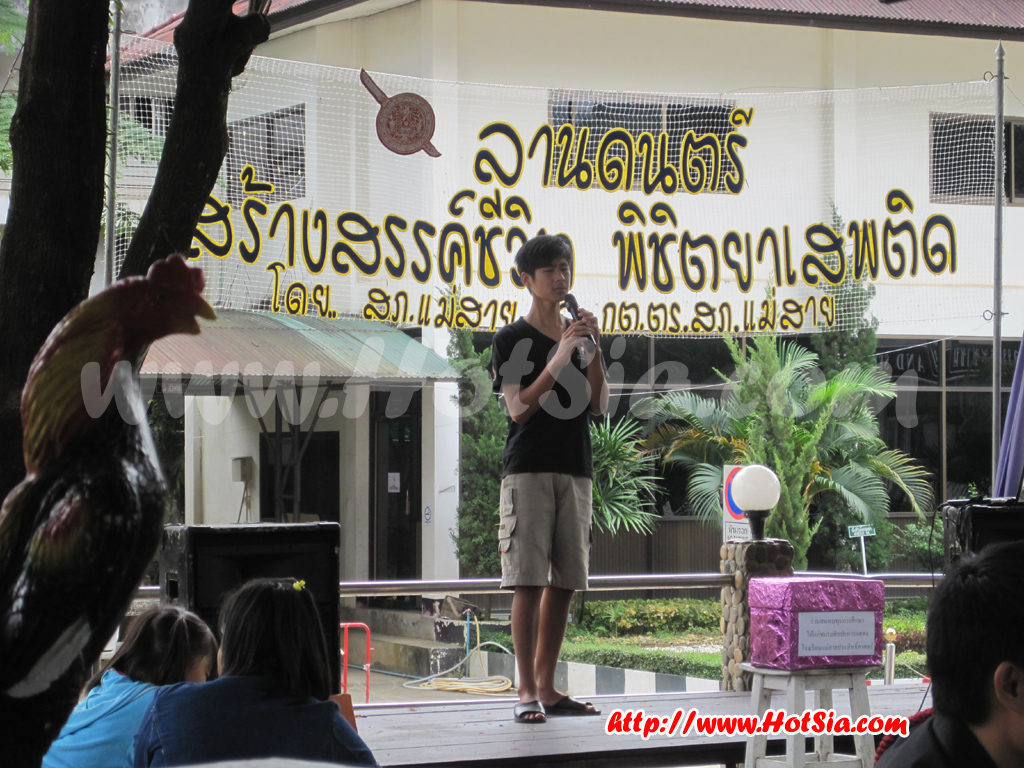
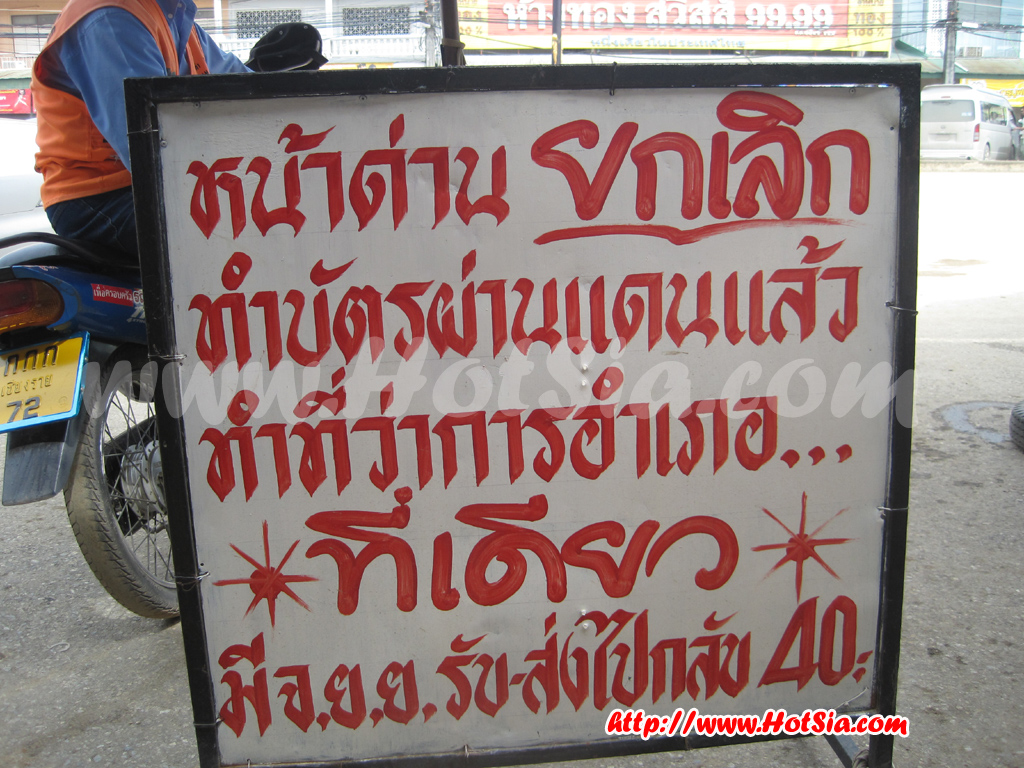
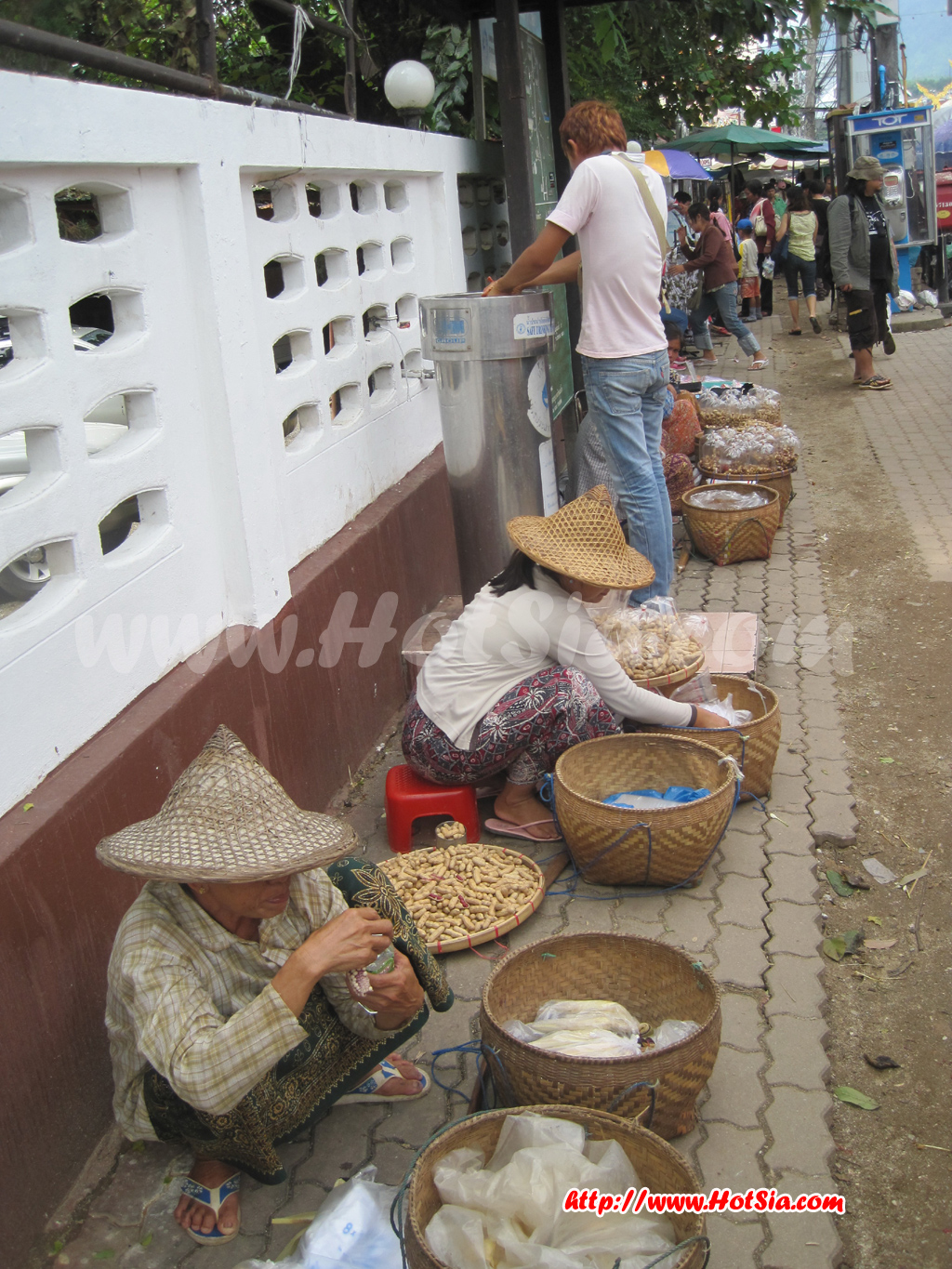
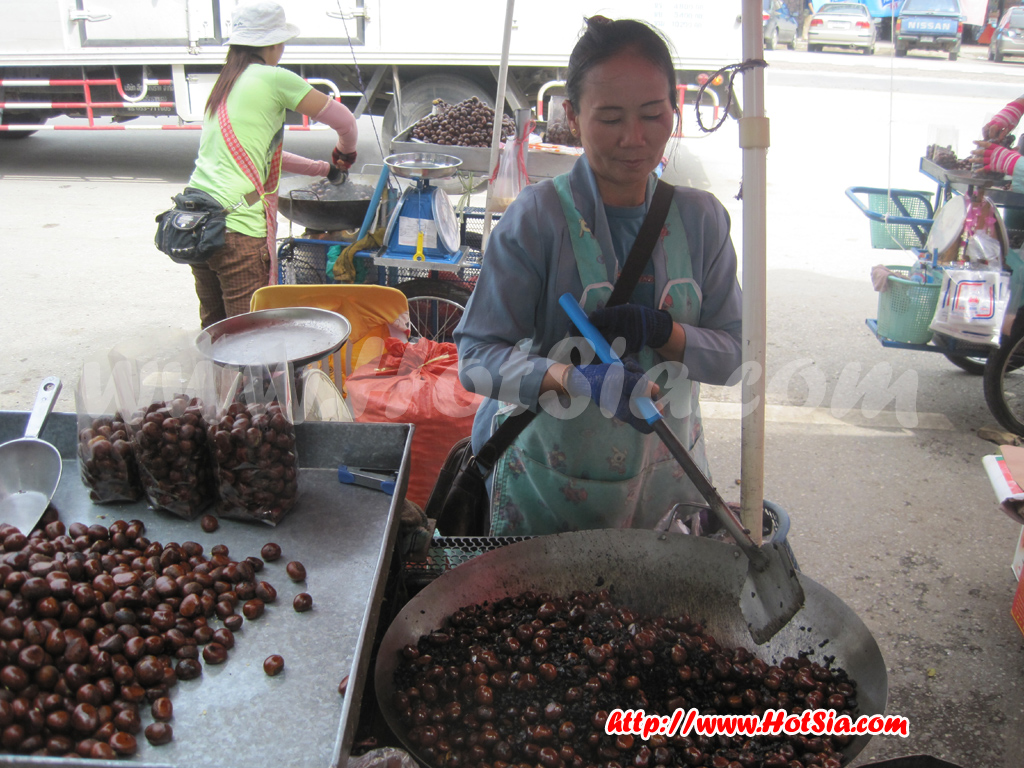
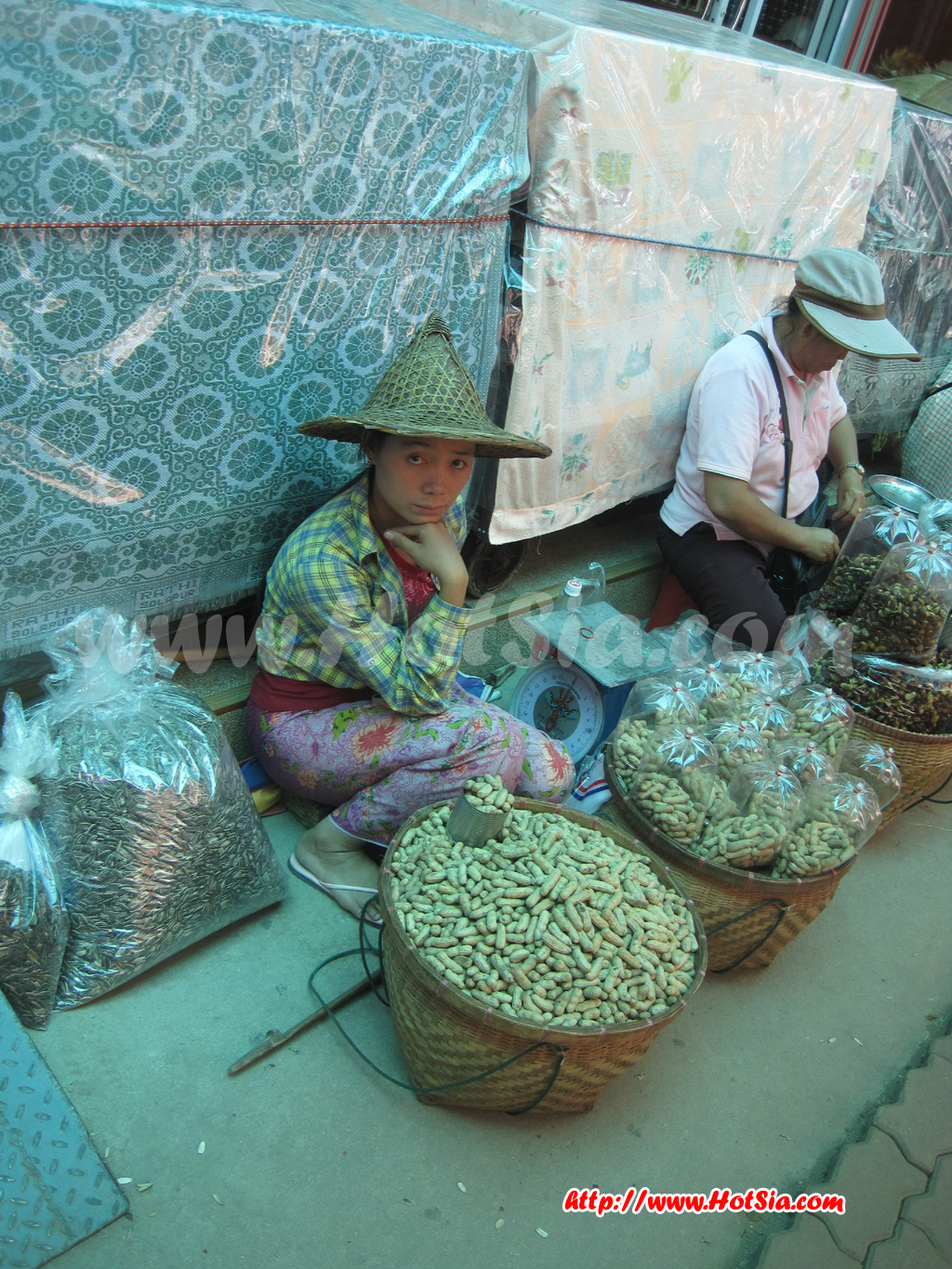
Let's get to know Myanmar's Thanaka. Shan people sell roadside goods. Mae Sai police station music plaza. If you don't want to get your own pass, you can send a motorcycle. Sellers here are tough; the signs are harsh, haha. A Shan Thai vendor watched me while I took photos. Mr.Hotsia with a new hat at Mae Sai. Many shops sell roasted white chestnuts, which confused me. Other trips by Mr.Hotsia in Chiang Rai include the highest hot springs in Thailand, the thrilling Doi Chang Moob, and fried rice crackers.