ไทย
ไทย
 English

Chiang Rai, Hill Rice, Mountain Rice
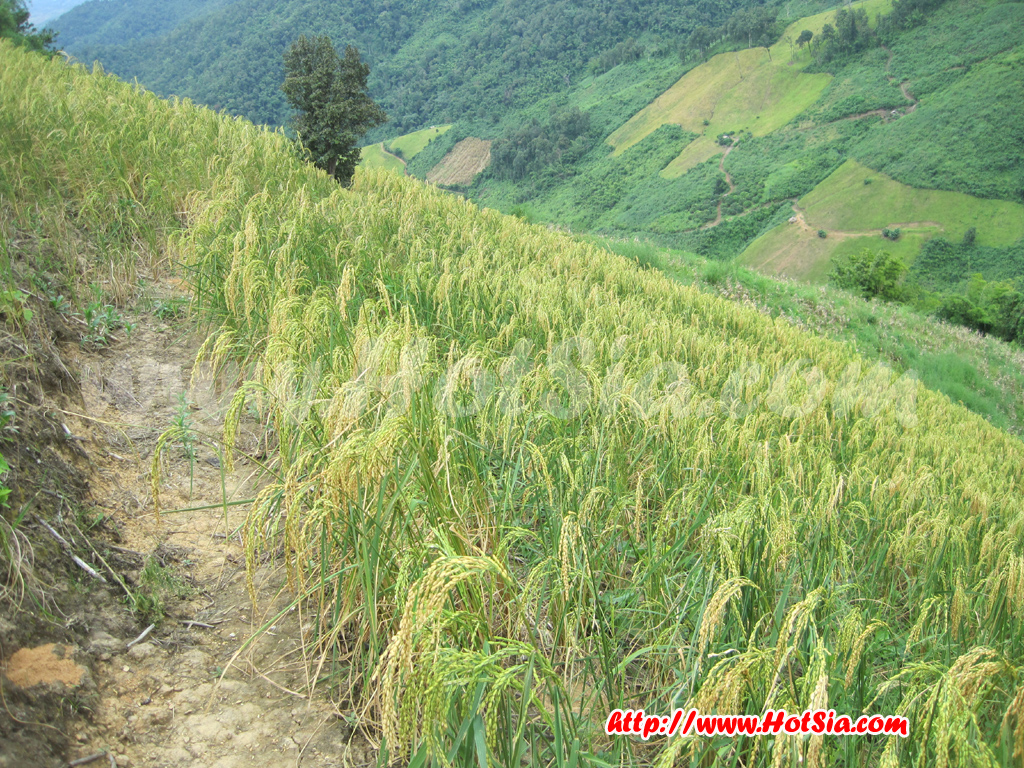
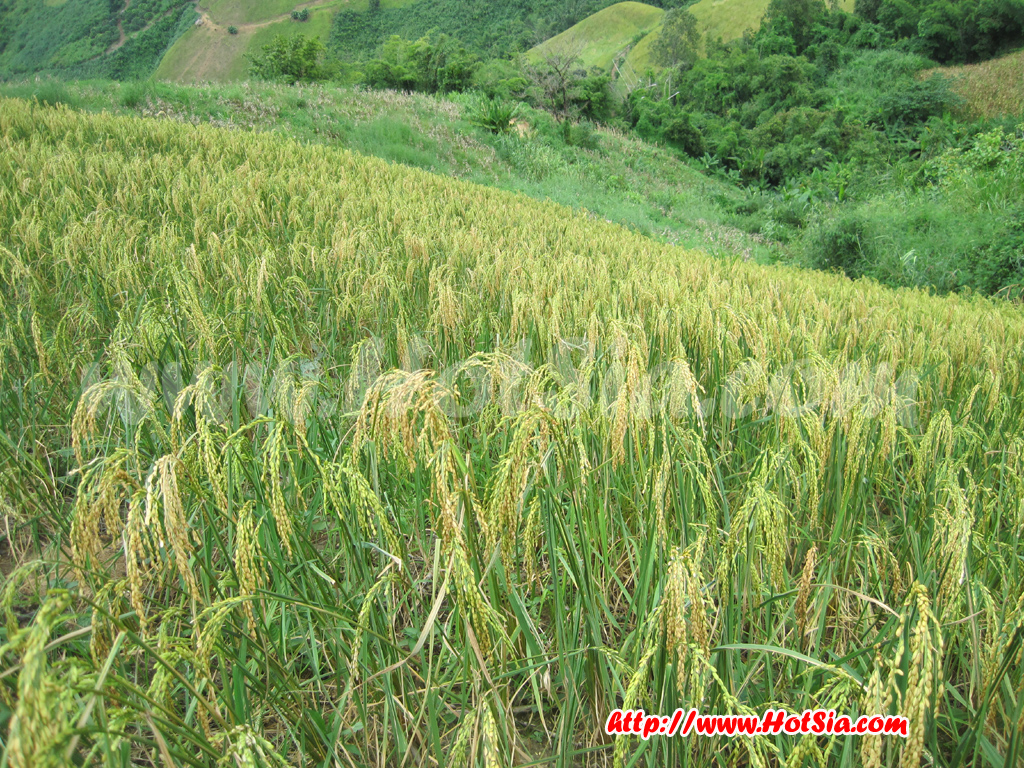
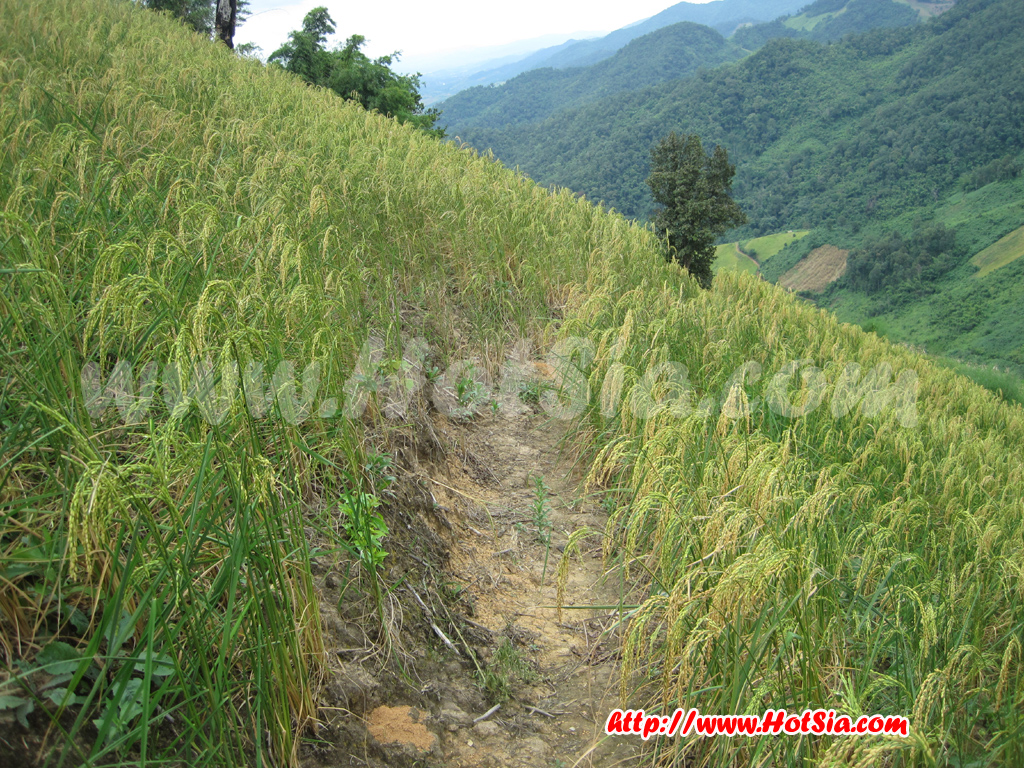
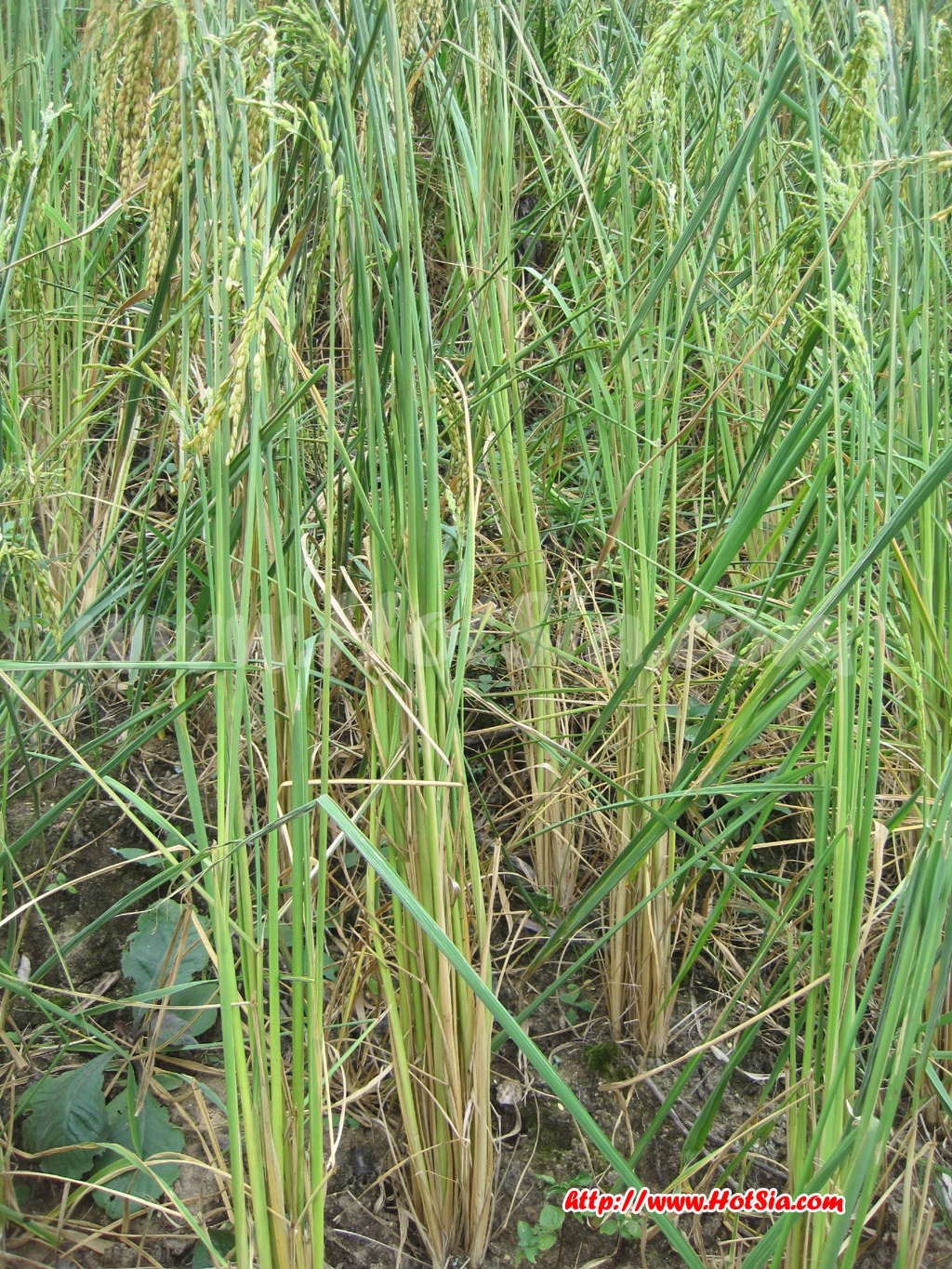
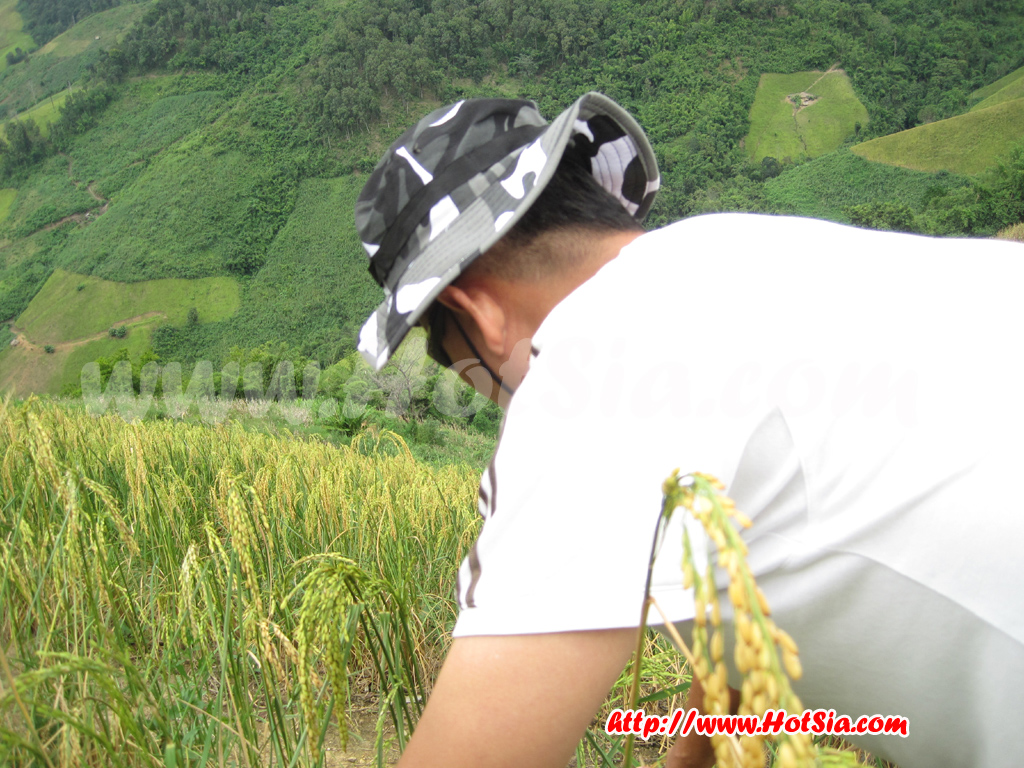
http://www.hotsia.com > Chiang Rai > Hill Rice, Mountain Rice Getting to Know Hill Rice or Mountain Rice On the way to Wiang Kaen, I came across hill rice which is becoming increasingly rare. Normally, rice is planted in lowland fields by transplanting or broadcasting, but on the mountains without water sources, farmers rely solely on rainwater. They must time the planting before the rains, sow the rice seeds, cover them, and then wait for the rice to grow into ears as shown in the picture above. The route to Doi Pha Tang features high mountains.
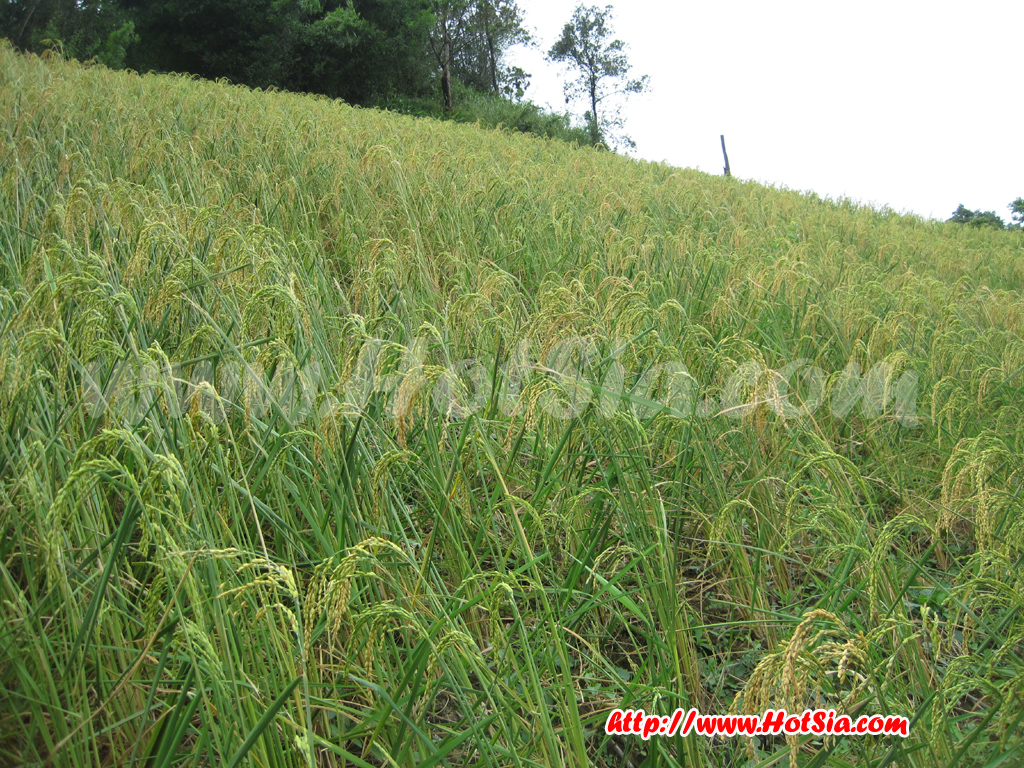
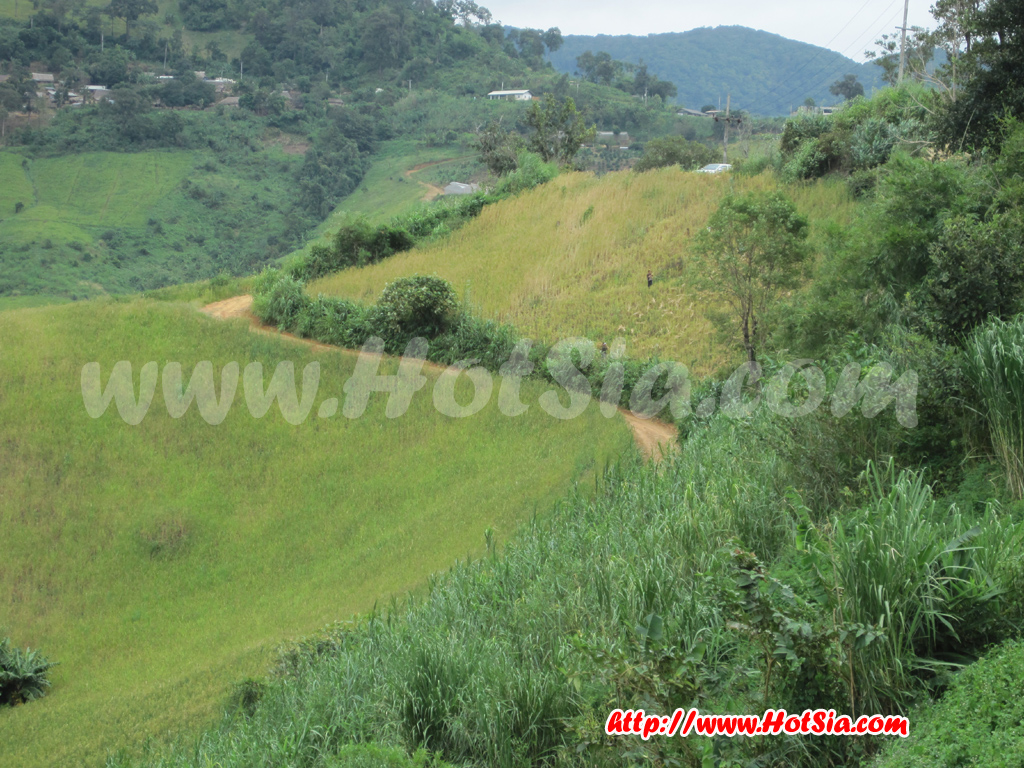
The view is beautiful when hill rice is planted, with the mountains turning golden, though not as vast as the fields of Mexican sunflowers at Doi Mae U Kho (not Doi Mae Ukho). It gives the atmosphere of visiting the mountains and also knowledge about what hill rice looks like. Additional information from the book "Rice Knowledge" by Dr. Prapas Weerapet, Rice Breeding and Pest Resistance Division, Rice Department, Department of Agriculture, Ministry of Agriculture and Cooperatives, refers to rice planted on high ground without waterlogging in the planting area.
The type of rice planted is called hill rice. Most highland areas, such as mountain foothills, are uneven with high and low spots, so it is not easy to plow or level the soil like flatlands. Therefore, farmers usually plant by dropping seeds. First, they cut grass and small trees, clean the planting area, then use a pointed wooden stick to poke small holes about 3 centimeters deep and about 1 inch wide at the opening. These holes are spaced about 25x25 centimeters apart between rows and within rows.
Normally, seeds are dropped immediately after making the holes, about 5-8 seeds per hole. After sowing, the seeds are covered with soil by foot. When rain falls or the seeds get moisture from the soil, they germinate and grow into rice plants. Since highlands have no waterlogging or irrigation, hill rice relies solely on rainwater. The soil dries out and lacks water immediately after the rainy season ends.
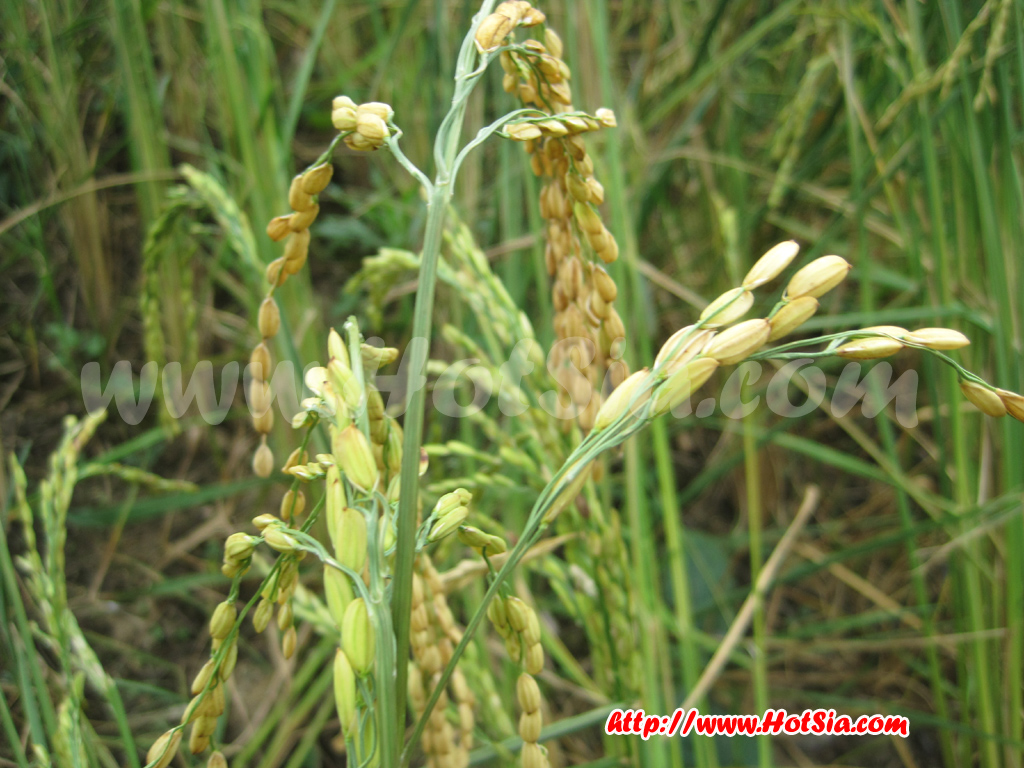
Therefore, hill rice must be a short-duration variety, planted at the beginning of the rainy season and harvested by the end of it. Farmers must frequently remove weeds because highlands usually have more weeds than lowlands. The area used for hill rice cultivation in Thailand is small, mostly in the north and south, while the northeast and central regions have very little hill rice farming. Farmers poke holes with sticks and drop rice seeds into them. The rice ears are full and forming grains. The soil is very hard, yet rice can still grow.
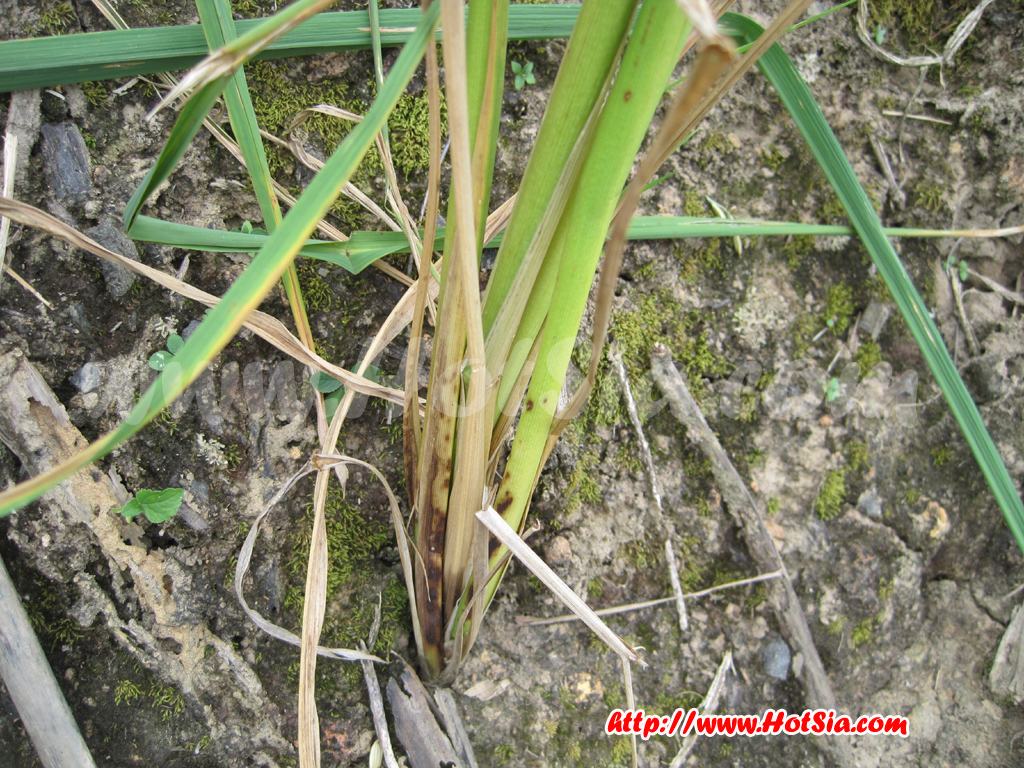
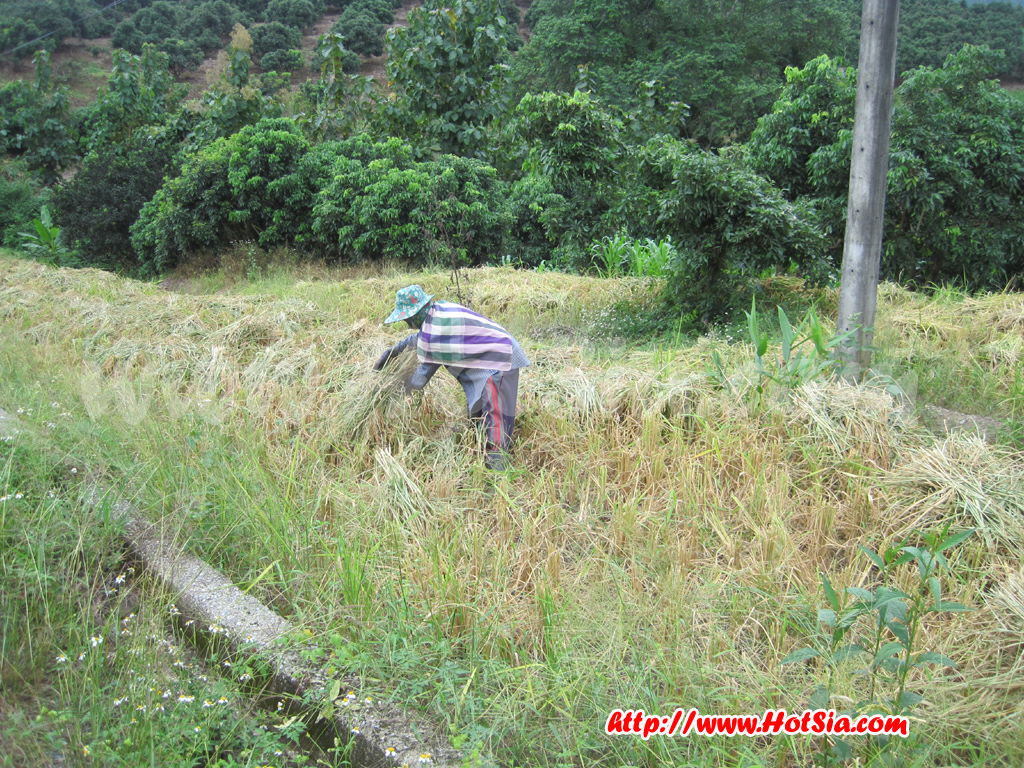
Large clumps of hill rice grow several stalks. When the time comes, they harvest and prepare to thresh the rice into unhusked rice. On a trip Mr.Hotsia took to Phu Chi Fa - Pha Tang, Doi Pha Tang on the Thai-Laos border, at the Ban Boran Pha Tang shop, tasting roti to warm up at Phu Chi Fa, on the Phu Chi Fa cabbage road.