ไทย
ไทย

Lampang Travel: Stay at Thai Lue Homestay, Sridonchai, Chiang Rai
Travel to Thai Lue Homestay, Sridonchai, Chiang Rai http://www.hotsia.com > Experience the authentic Thai Lue homestay in Sridonchai, Chiang Khong District, Chiang Rai Province. The Thai Lue people in Thailand live in several provinces and districts. As the world changes, the culture of the Thai Lue is gradually disappearing. I have tried to find a genuine Thai Lue village that I believe preserves their culture the most. It reflects their natural daily way of life without any artificial elements made just for tourists.
Then I found my dream Thai Lue village: Ban Sridonchai, Chiang Khong District, Chiang Rai Province. Previously, I traveled to Ban Huak and met Thai Lue people there, but most houses had changed to half-concrete structures and looked less traditional. So I did not stay in a Thai Lue house at that time. But the Thai Lue village of Sridonchai that I recommend today still preserves much of the Thai Lue way of life.
Many aspects still fully reflect the Thai Lue identity. I chose to stay, live, eat, and sleep in this village. First, let’s learn about the history of this village. The Thai Lue of Ban Sridonchai originally came from Ban Sridonchai, which was located in Muang U North, Xishuangbanna Prefecture, Yunnan Province, southern China. Later, due to economic hardship and Chinese invasion in 1885, 994 Thai Lue people led by Phaya Kaew migrated.
They moved to Doi Lak Kham, the border area between China and Laos, and stayed there for one year. Then in 1886, they crossed the Mekong River to settle along the riverbank between Nam Khuk (Wiang Subdistrict, Chiang Khong District). Later, they moved to Sa Than Subdistrict. After that, the Thai Lue split into three groups: the first settled at Ban Huai Meng, Wiang Subdistrict, Chiang Khong; the second moved to Laos; and the third moved to
Wiang Kaen District. It was in Wiang Kaen that the last migration took place in 1953 to settle in Sridonchai Subdistrict, their current location. The photo you see is of my sister-in-law, P’Kasem’s wife, who is Thai Lue and daughter of a village headman. It was taken before they rode a cart to move to Ban Sridonchai. Let’s gradually get to know the Thai Lue culture, starting with a surprising fact: almost everyone in the subdistrict shares the same surname, "Wongchai" (Wongchai).
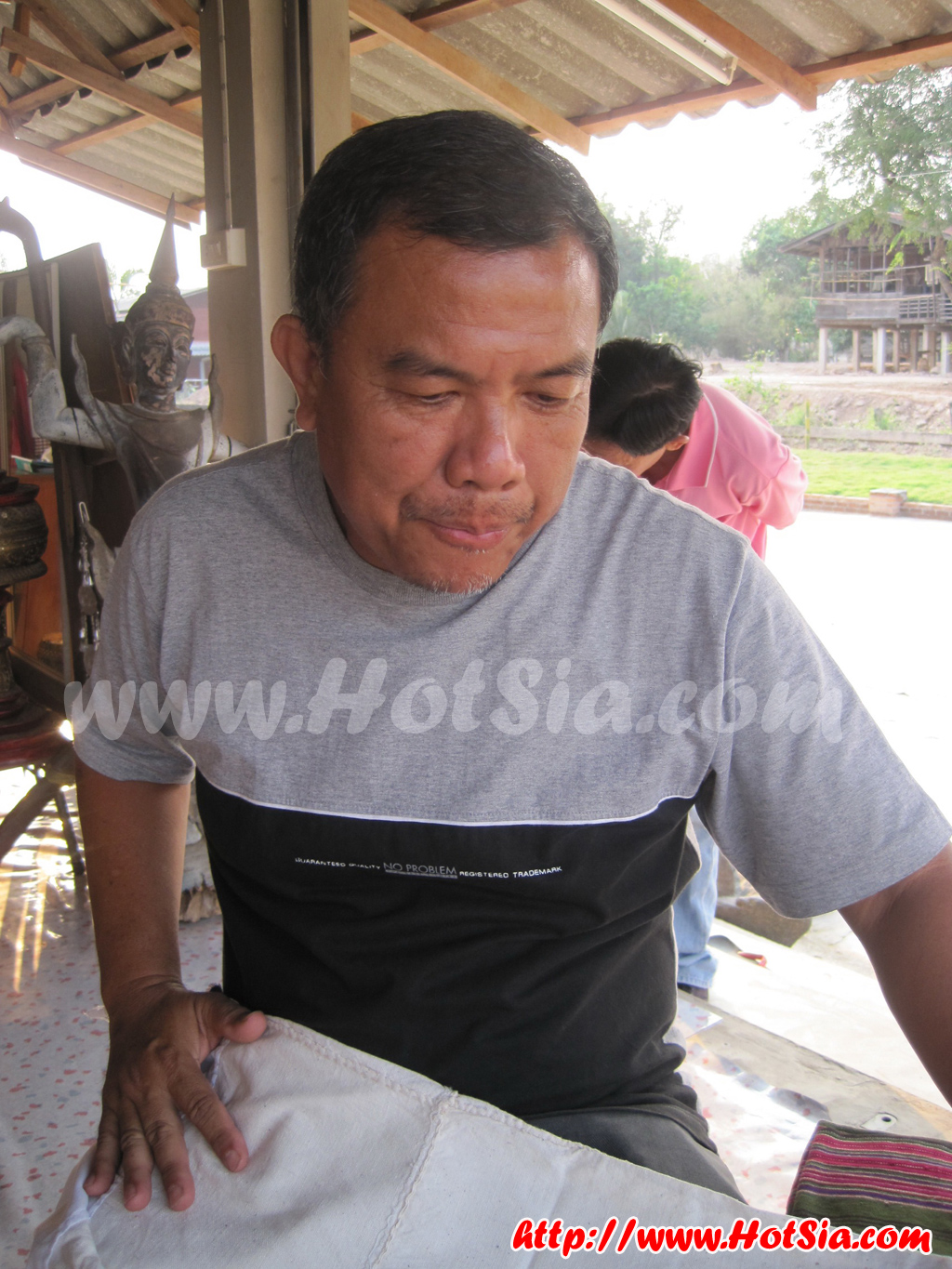
And there are thousands of people with this surname in the village. How is this possible? It is indeed possible and true because traditionally, the Thai Lue culture did not allow marriage outside the Lue community. I wondered why, so I asked P’Kasem, the homestay owner, who explained, "The Thai Lue do not want locals or other Lue groups to deceive them, so they do not easily give their daughters in marriage. They also want their descendants to remain pure Thai Lue."
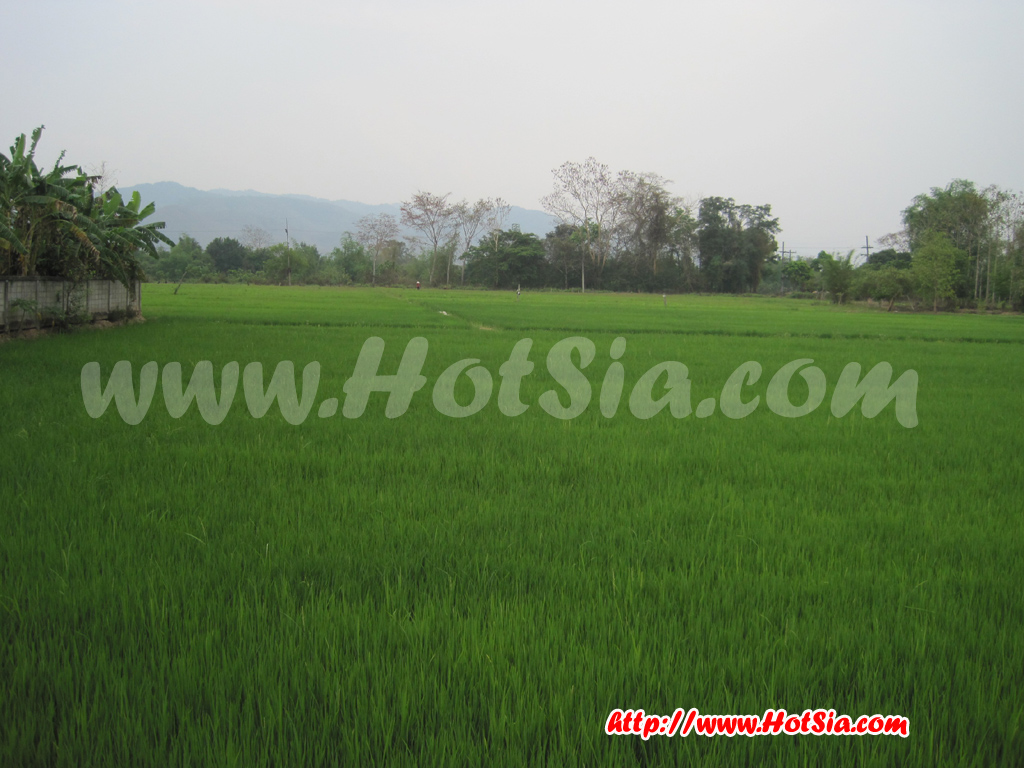
Nowadays, Thai Lue descendants attend school, make friends from other ethnic groups, and can marry outside the Thai Lue community without restrictions. Elderly Thai Lue women never cut their hair from birth. The Thai Lue are primarily farmers, cultivating rice and gardens. They are very hardworking, waking up early to work in the fields from 4 a.m., taking a break at 8 a.m. to eat breakfast prepared by their children or wives, and finishing work around 8 p.m. Truly diligent people.
Besides being hardworking, the Thai Lue eat simple food, especially those living in fields and farms, such as tadpoles, frogs, and dragonfly larvae. I was very lucky on this trip to have the chance to eat these. You can watch the clips and photos I took. I will tell you more about the preparation later. Let’s learn about the Thai Lue first. The Thai Lue have a traditional color: black. They dress in black cloth and wear beautiful white headscarves. Besides black cloth, their mosquito nets are also black.
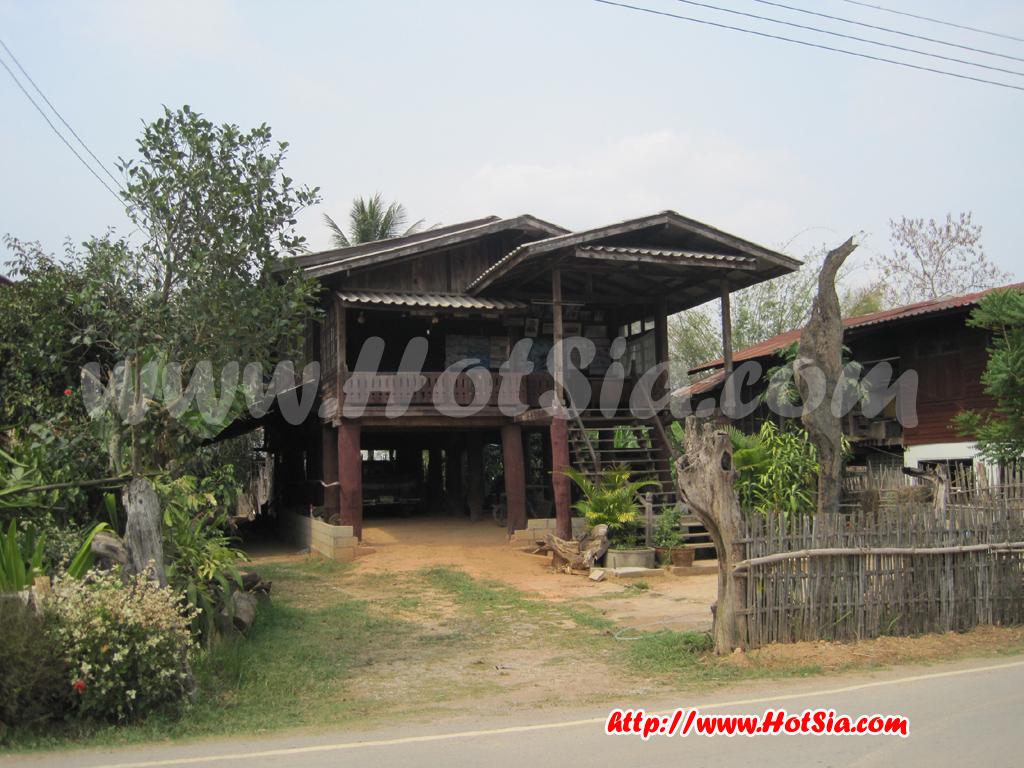
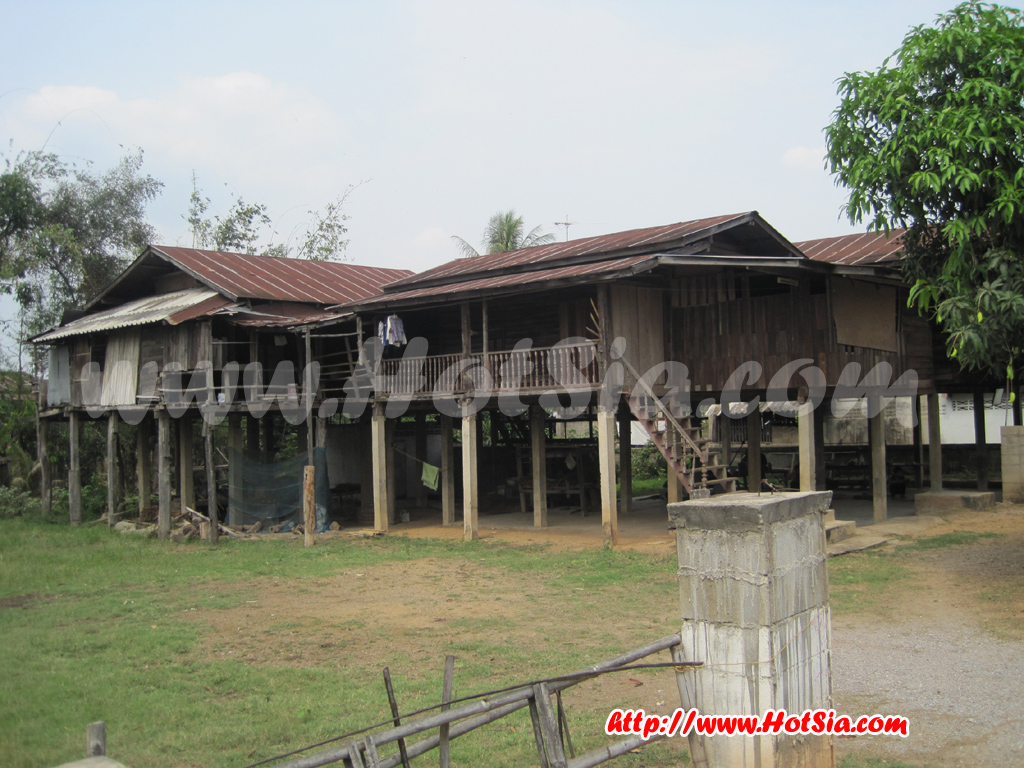
Regarding the black mosquito nets, I must add from P’Kasem’s explanation that it may be because the Thai Lue sleep together in large families without separate rooms. Having black mosquito nets makes nighttime activities more convenient. I stayed in a genuine Thai Lue house designed and newly built by P’Kasem. One room displays Thai Lue items such as bedding and pillows, while another room has modern beds. Guests can choose whichever room they prefer.
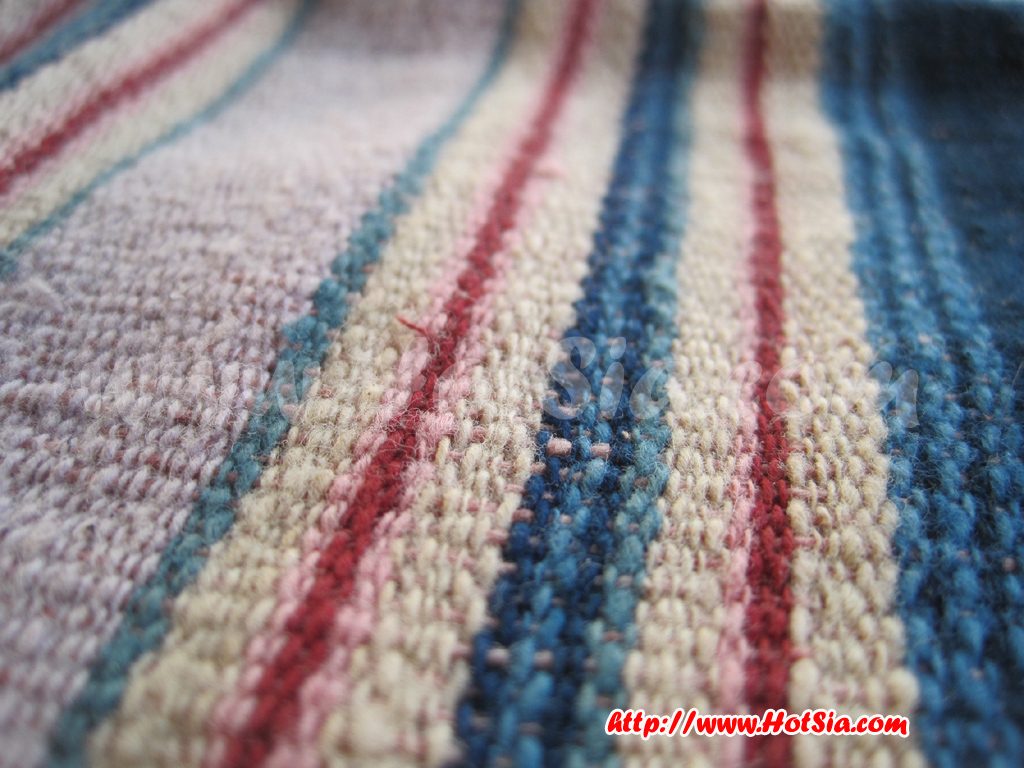
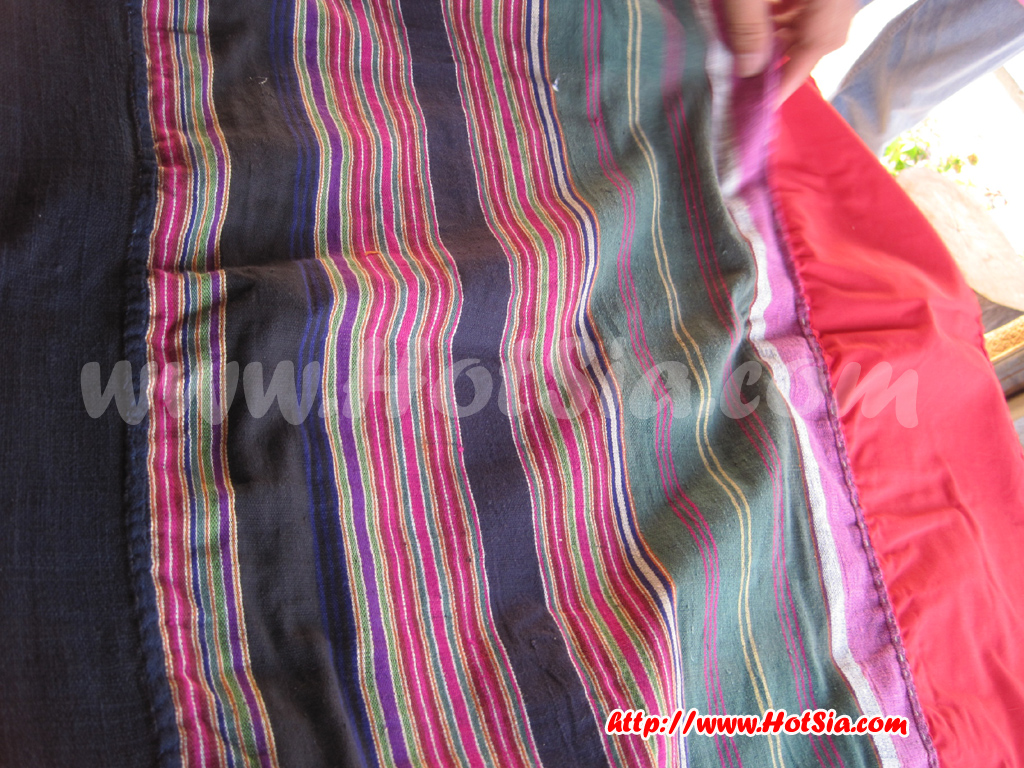
At first, I planned to stay in the traditional room to relax, but when it was time to sleep, I changed my mind and stayed in the modern room. Traveling to find the Thai Lue, we discover their outstanding skill in weaving flowing water patterned fabric. Their weaving technique is special, not only in the patterns but also in dyeing, weaving, and preservation, allowing the fabric to remain beautiful for hundreds of years. This is just a part of the Thai Lue culture I want to share.
Many wonderful things await you when you stay and talk with the Thai Lue people, promising an unforgettable experience. During my visit to the Thai Lue homestay, I had the chance to cook traditional Thai Lue dishes. I especially enjoyed the ancient recipes that are hard to find, such as dried fermented fish made by the Thai Lue at home. One dish is "Dragonfly Larvae Omelette," which is simple: beat eggs with a little salt, add dragonfly larvae freshly scooped from the rice field, and mix.
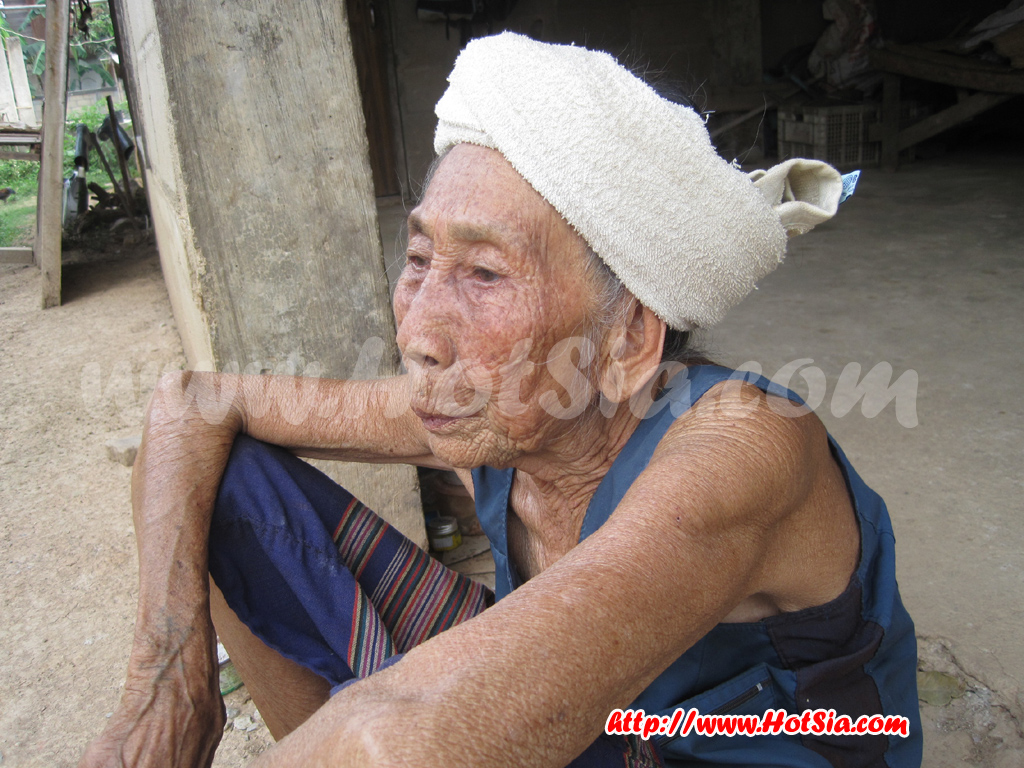
Then heat oil in a pan, pour in the egg mixture with the larvae, cook until golden on one side, then flip once. That’s how you get a delicious dragonfly larvae omelette. Another dish is "Stir-fried Tadpoles Thai Lue Style," which is also easy: pound chili, garlic, shallots, and salt together, stir-fry until fragrant, add tadpoles and stir-fry dry until cooked, then squeeze plenty of lime juice for a sour and salty taste. This dish is very tasty. The Thai Lue auntie you see in the photo above
Another authentic Thai Lue dish I like is a quick favorite among the Thai Lue because it’s fragrant, delicious, and easy to make. Just boil mustard greens with ginger and salt until cooked, and it’s ready to eat. Simple and nutritious. That evening, I ate with the Thai Lue family, enjoyed lively conversations, and even spoke the Lue language, which is similar to Thai, so communication was easy. After a satisfying meal, I rested at the Thai Lue homestay.
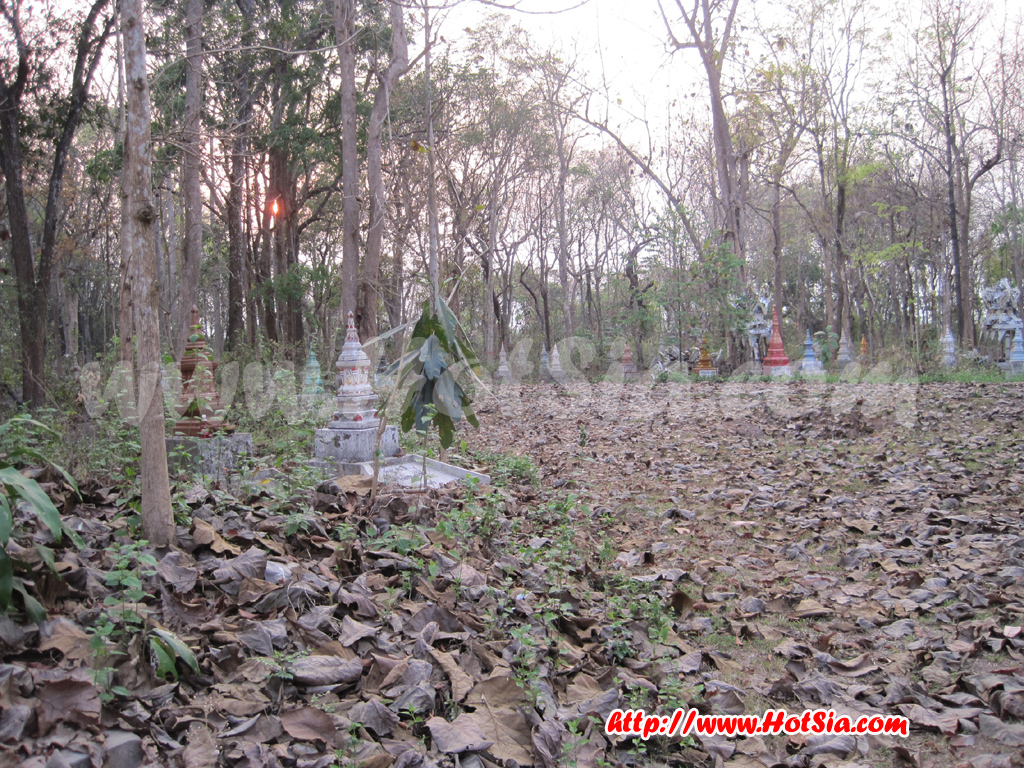
Since I traveled alone and visited the Thai Lue cemetery in the evening, it was hard to fall asleep that night. But after praying and paying respect to Buddha, I finally slept well until morning. Simply put, I was a bit scared of ghosts :) Thanks to the Thai Lue family for the delicious food and to P’Kasem. I really enjoyed my visit to the Thai Lue village, especially the food. Next, I will stay at the Akha village in Huai Khi Lek. Follow my journey. For those planning to visit Ban Sridonchai Thai Lue village,