ไทย
ไทย
 English

Lampang Travel to Ngao Town Ngao Information Sai Bua Ngao Shop Lan Doi Coffee Ngao Ngao Suspension Bridge
Travel to Ngao Town Ngao Ngao Information Sai Bua Ngao Shop Lan Doi Coffee Ngao Ngao Suspension Bridge http://www.hotsia.com > Travel to Ngao Town Ngao Information Sai Bua Ngao Shop Lan Doi Coffee Ngao Ngao Suspension Bridge The last tricycle Rice soup shop for one baht Pa Nong's fermented pork noodles Knight chicken drumstick noodles recommended Playing tennis in Lampang Spicy mineral egg salad at Jae Son Hot Springs Jae Son Hot Springs Lampang Taking the bus to visit Ngao Delicious and satisfying Yen Ta Fo Heb Sen Beef offal noodles Southern food at Go Boy
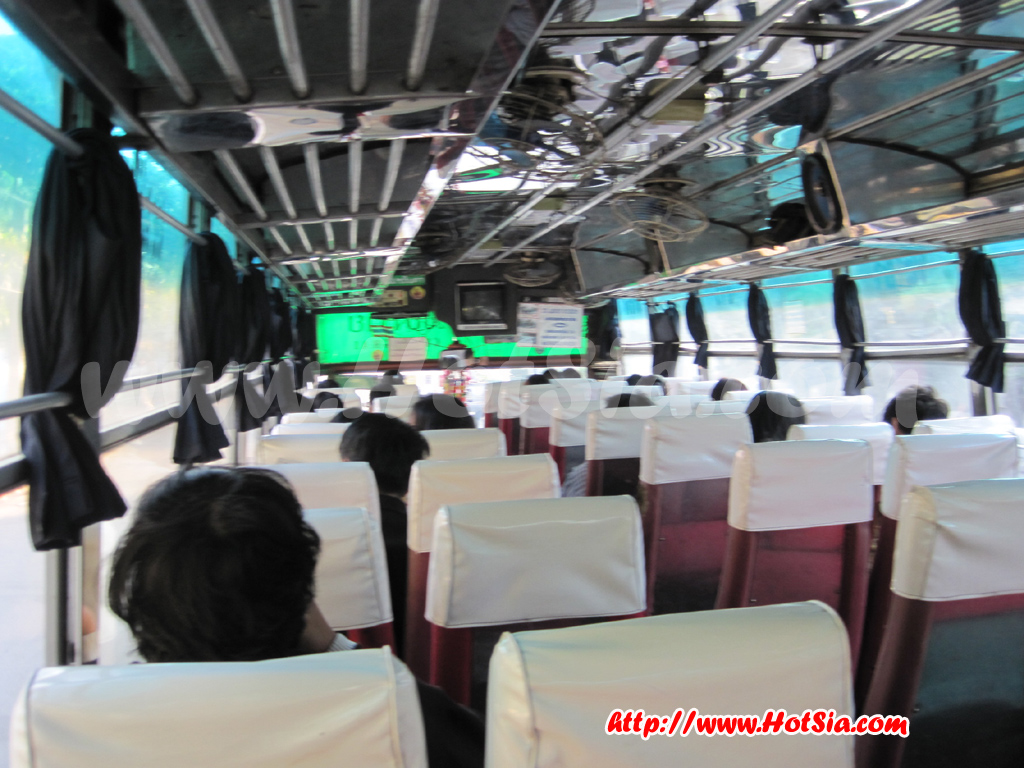
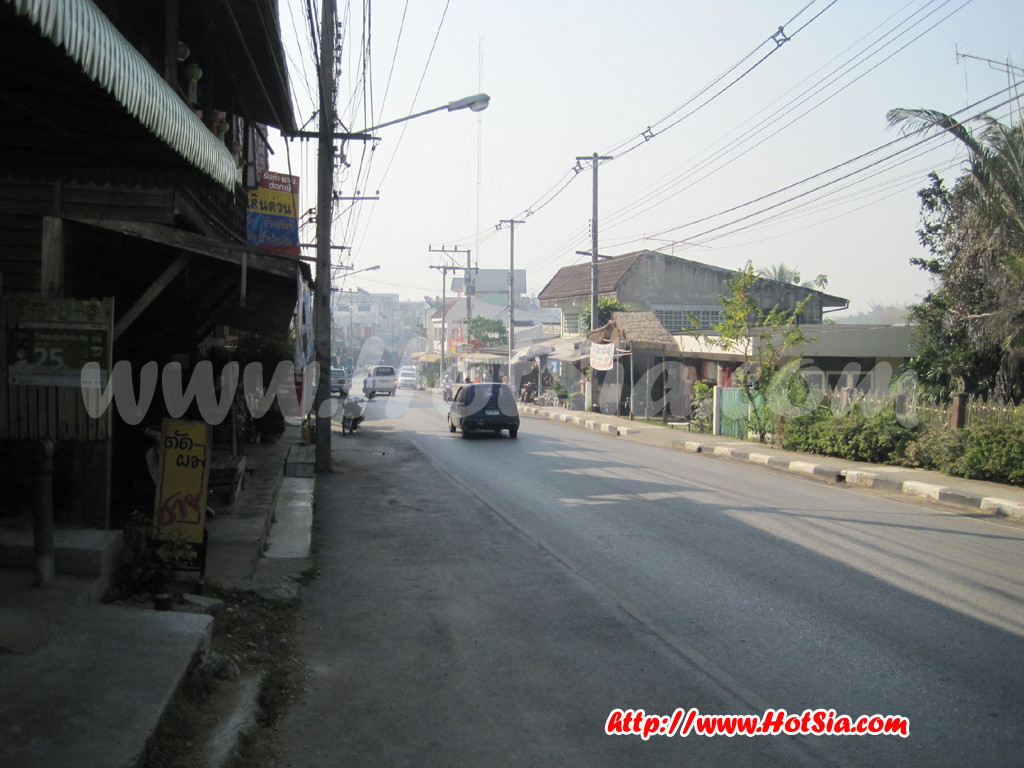
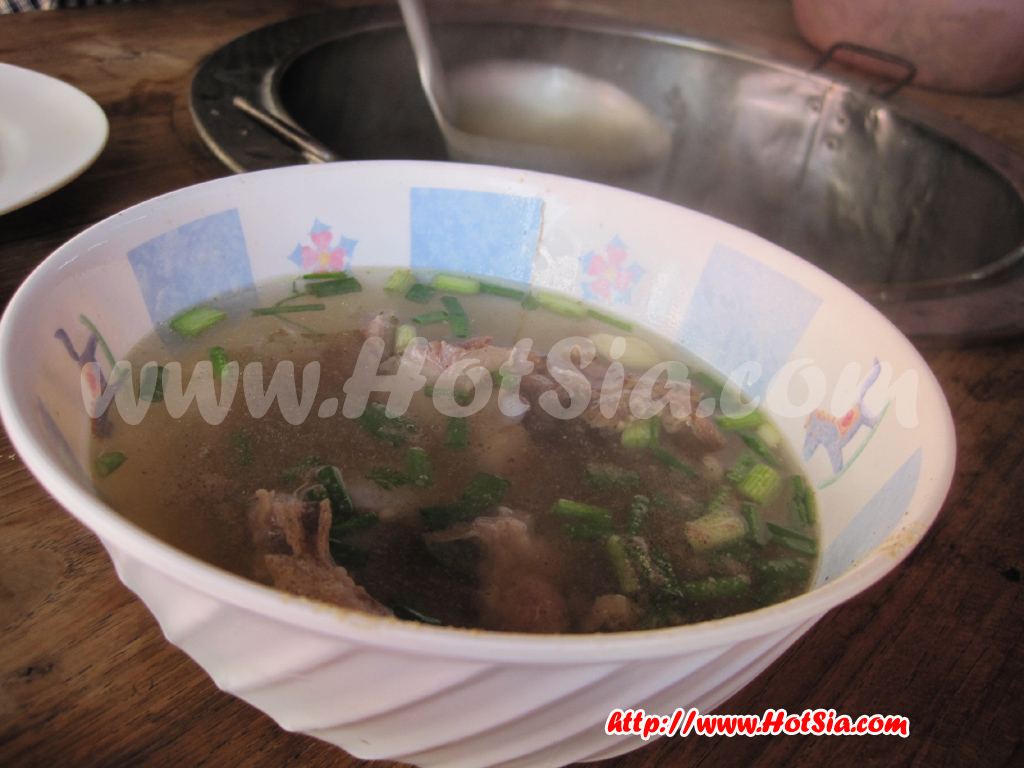
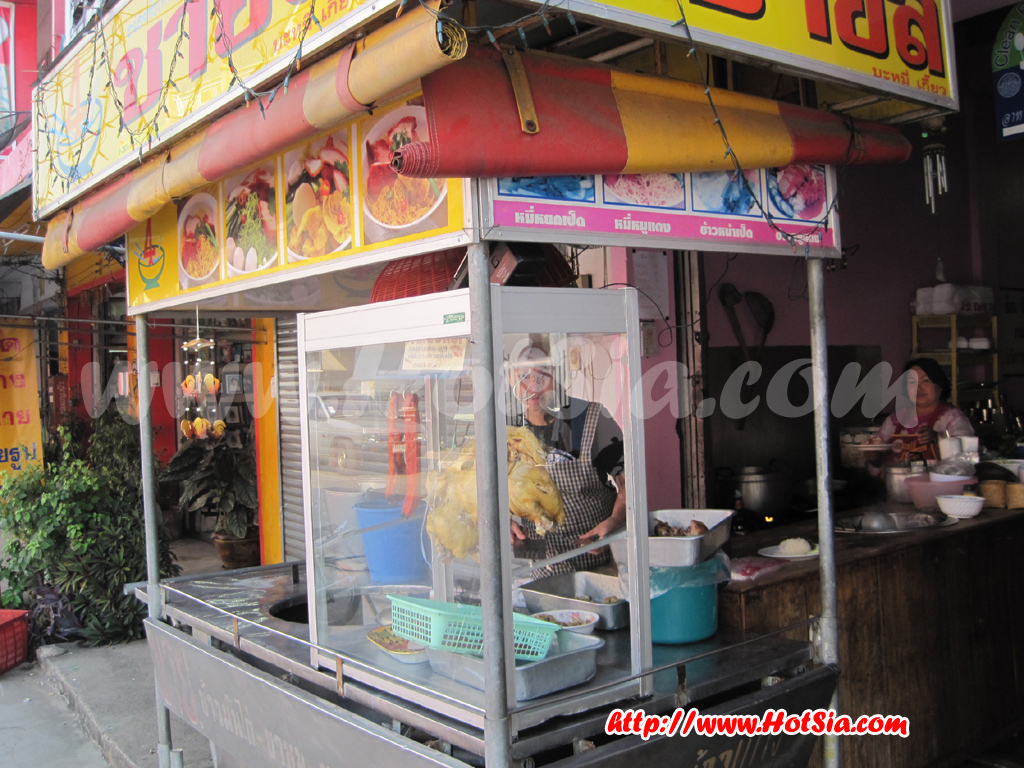
Hoi Kha Ba Shop, Ba Tasabai Mr.Hotsia recommends good location hotels that are cheap and clean in Lampang. While working on the website in Lampang, I took a bus from Lampang to visit Ngao Town because the name Ngao was unusual. At that time, I did not know about Ngao of Khao or Ngai Town. Ngao Town was therefore my first choice. I took the bus continuously and when I arrived at Ngao, I walked around the whole town. When hungry, I looked for food. The shop I ate at was called Sai Bua.
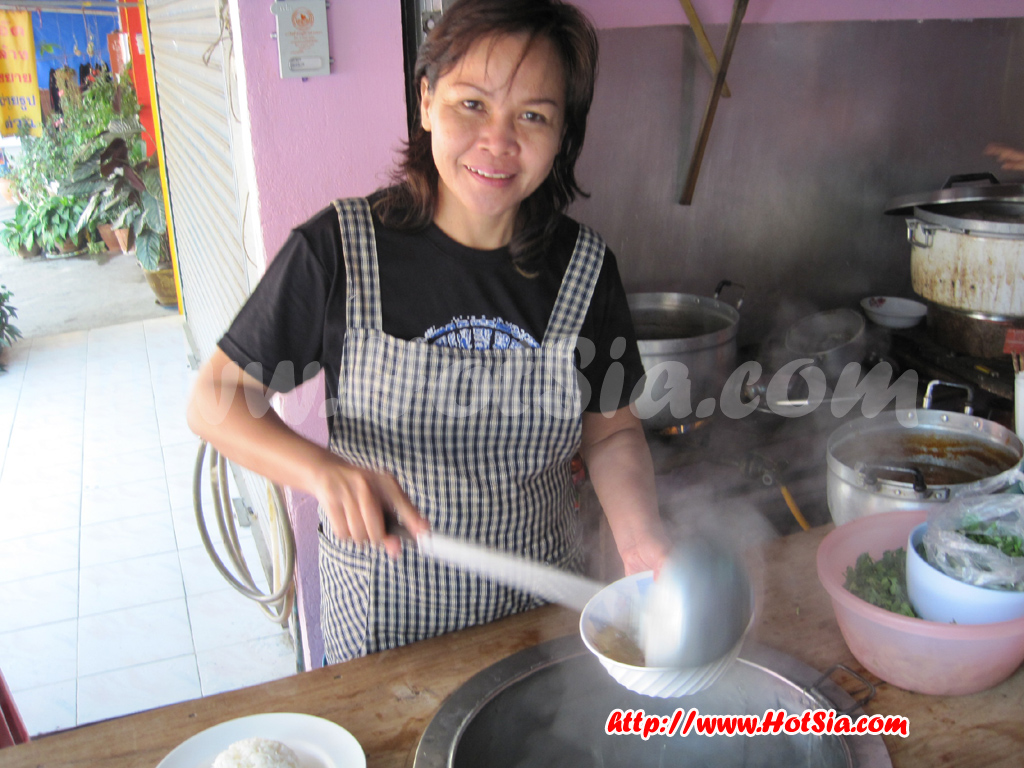
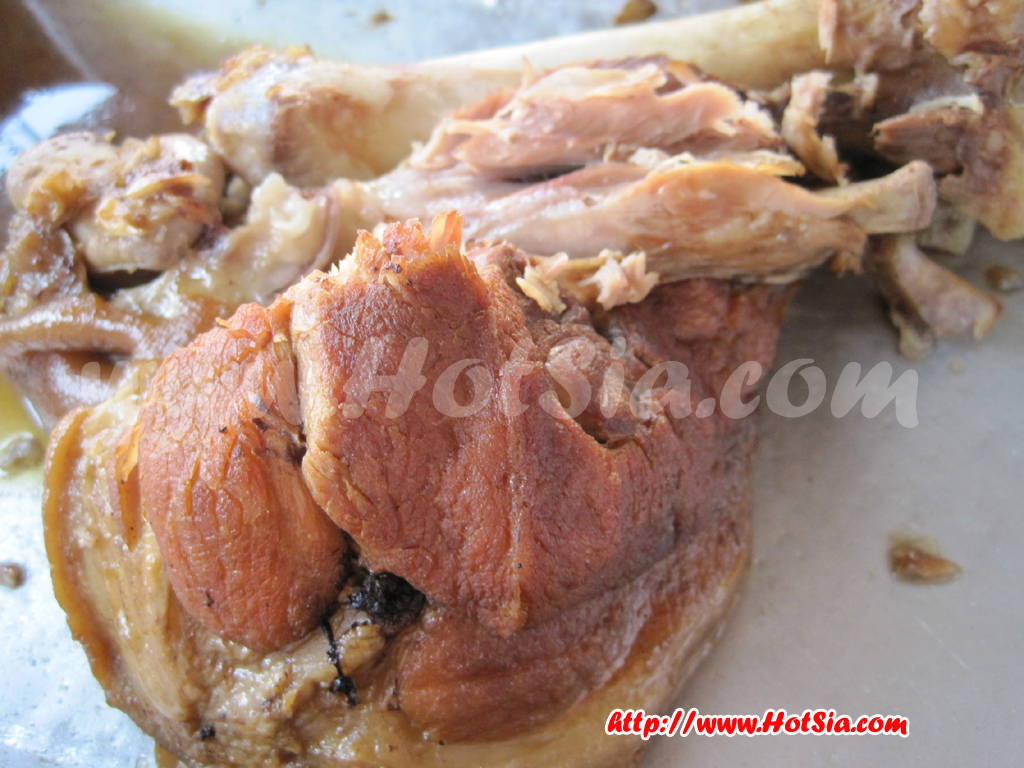
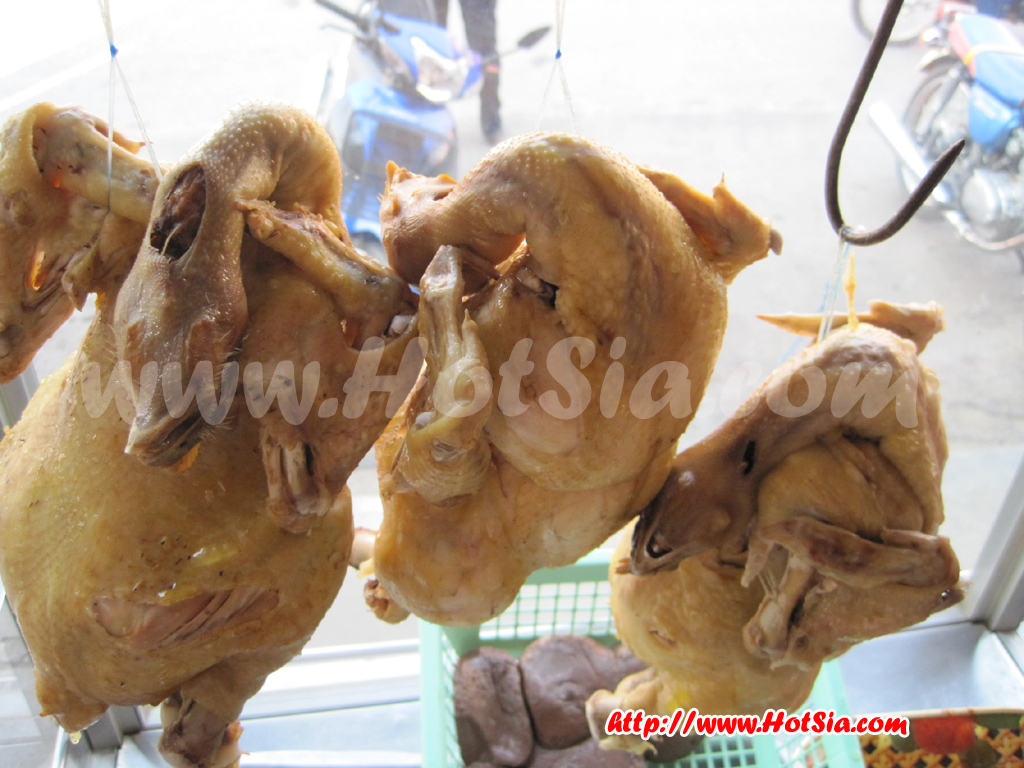
Selling for over twenty years, selling chicken rice and stewed pork leg rice. People of Ngao often come to eat here, and it is truly delicious. This shop does well and tastes great, so I recommend it. Another shop I want to recommend is Lan Doi Coffee, located by the roadside. If you drive from Lampang to Phayao, when you reach Ngao, this shop will be on the right. The shop looks very local but has the atmosphere of visiting Ngao Town. (mr.Hotsia) Ngao Town or Ngao District is located in the northeast of the province. It is a border district adjacent to Phayao and Phrae provinces.
The current district office is located along Phahonyothin Road, the Lampang-Phayao route, near Ban Nong Hiang village. It is about 83 kilometers from Lampang city, about 50 kilometers from Phayao city, and about 89 kilometers from Phrae city. Taking the bus from Lampang to Ngao, the former Ngao District was called Mueang Ngern, one of the main cities of the Lanna Kingdom. It has a long history and was an important frontier city of Khelang Nakhon.
(Lampang) In the past, Mueang Ngern had a strong ruler skilled in warfare, proficient in battle, using the glaive as a key weapon. When enemies from the Lue, Khen towns invaded, they could not penetrate to Khelang Nakhon city because whenever they reached Mueang Ngern, they were defeated. The ruler of Mueang Ngern volunteered to suppress the invaders, the Ho and Ngeaw groups who invaded the Ngeaw, Lue, and Khen towns.
Up to the Twelve Panna region, achieving victories that became legendary. The ruler of Khelang Nakhon granted a silver-handled glaive as a reward for his virtue and bravery, which pleased the townspeople. Therefore, the ruler was called Phraya Ngao Ngern and the city was named Mueang Ngao Ngern. Over time, the name changed to Mueang Ngao. Ngao Town has many tourist attractions, such as Wat Chong Kham, a royal temple in Ban Huad Subdistrict, located on the Lampang-Ngao road, about 10 kilometers from Ngao district center.
Wat Chong Kham is one of the ancient temples in Lampang province. Its architecture is outstanding and elegant, in the Shan style. There is no clear evidence of its original construction. The original Shan-style viharn was dismantled and relocated to the Ancient City in Samut Prakan province. The current building is a newly constructed Shan-style temple completed in June 2006, commemorating the 60th anniversary of His Majesty the King's reign.
The temple was elevated to a third-class royal temple of ordinary type. Wat Chong Kham was selected as the new royal temple in Lampang province and serves as a school for Pali Buddhist studies in the province. Each year, students can pass various levels of Pali examinations up to Pali Degree 9. Many novices have been ordained with royal patronage. The abbot and the head of the temple have been granted ecclesiastical titles as royal dignitaries with the title Phra Rajapariyattiyodom.
Forest Entomology Research Center No. 1, Ban Huad Subdistrict The Forest Entomology Research Center No. 1 is located along Phahonyothin Road from Lampang to Phayao-Chiang Rai, about 72 kilometers from Lampang city. If you are not in a hurry, you can drive slowly and enjoy the forest and mountain scenery on both sides of the road. This route has many rest stops for tourism, including historical, educational, and natural sites such as prehistoric paintings at Pratu Pha, the Pratu Pha Shrine.
Pha Tai Cave National Park, Forestry Faculty Student Training Station, Teak Breeding Station, Huai Tak Arboretum, and Forest Insect and Microbiology Research Center No. 1, among others. Although some parts are mountainous, with caution and moderate speed, the route is not dangerous as it is now a 4-lane road with light traffic. However, I must say, "The center is about 12 km before Ngao District on the left." Pratu Pha Shrine, Ban Huad Subdistrict.
Legend of Pratu Pha Shrine: Tao Ti Pi Nan Hu came to be known as the chief soldier of Chao Luang Lin Kan, ruler of Wiang La Gon, holding the position of Iron-Handed Lord. He performed heroic deeds sacrificing his life to save Chao Luang Lin Kan from the Burmese army. The exact year is unknown. The Burmese army advanced to attack Lampoon city, also called Chiang Saen, but it is uncertain (Nan thinks it might be Chiang Saen based on the geography because Pratu Pha is a narrow pass between Chiang Rai and Phayao leading to Wiang La Gon).
This is a legend of Wiang La Gon (Lampang), which was once an independent state ruled by a king (Chao Luang). During the reign of Chao Luang Lin Kan, the Burmese sought to expand their influence into this Lanna border area and launched an invasion. Chao Luang Lin Kan led his army to confront the Burmese at Pratu Pha.
When the two armies clashed, both sides suffered heavy casualties. The Wiang La Gon army was defeated. Chao Luang Lin Kan was surrounded by Burmese soldiers at Pratu Pha Cave. The Iron-Handed Lord led soldiers to fight to protect their ruler to the best of their ability, buying time for reinforcements from Wiang La Gon. Eventually, all soldiers were killed by the Burmese except the Iron-Handed Lord alone. He continued to stand at the cave entrance fighting the Burmese all day from morning until evening.
He killed many Burmese soldiers, preventing them from entering the cave where Chao Luang Lin Kan was hiding. Eventually, the Iron-Handed Lord was exhausted and near death. Before dying, he realized that if he fell, the remaining Burmese soldiers would harm their ruler. Therefore, he refused to fall and continued fighting until he died standing, still holding his weapon firmly.