ไทย
ไทย

Loei Province Phi Ta Khon Dan Sai Phi Ta Khon Parade Phi Ta Khon Procession
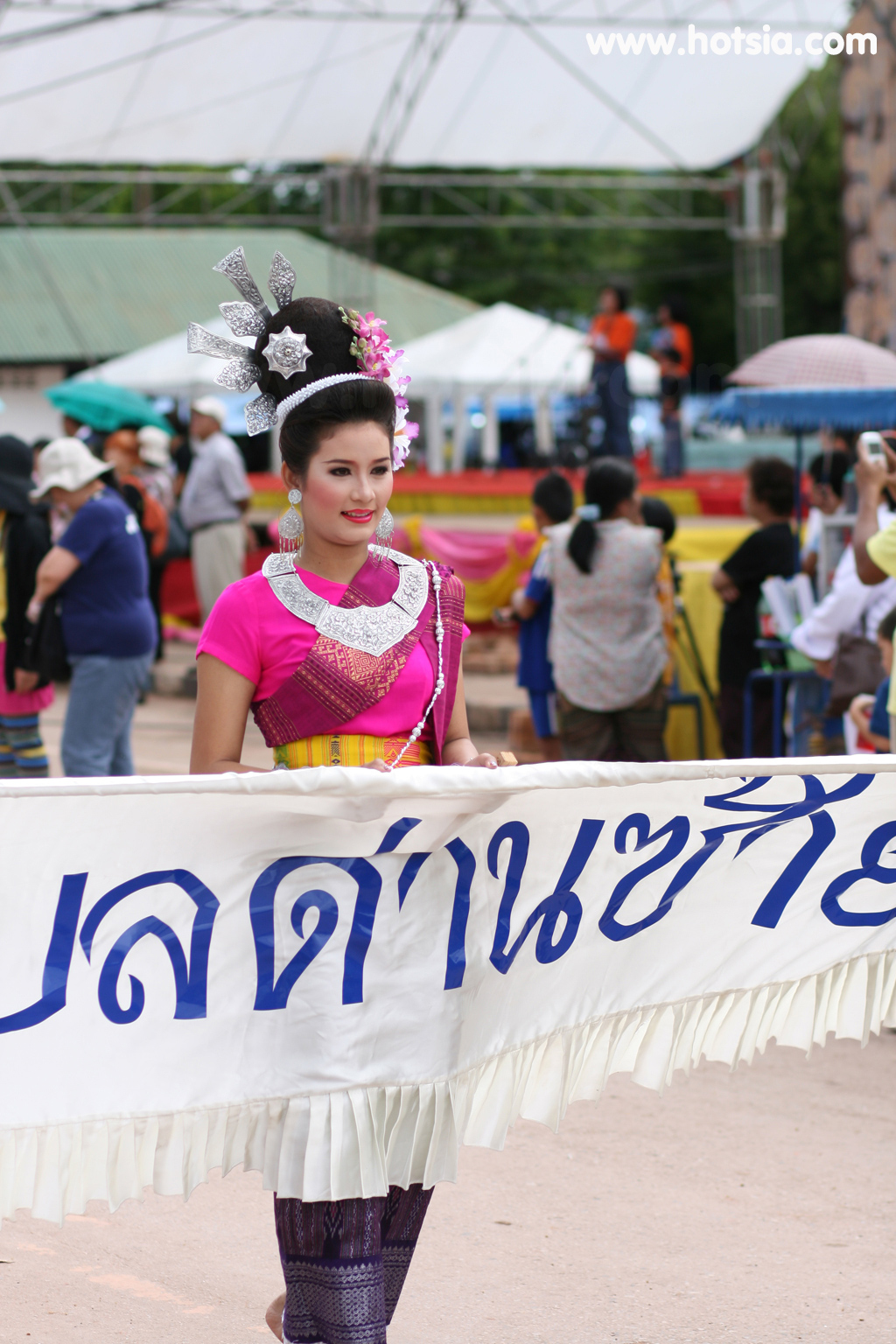
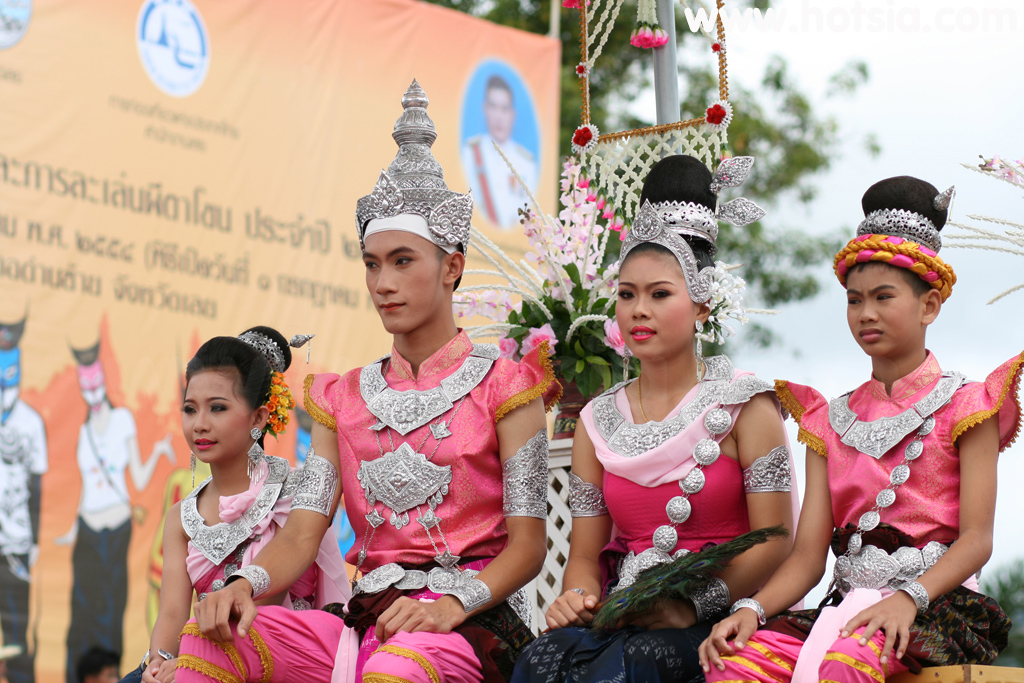
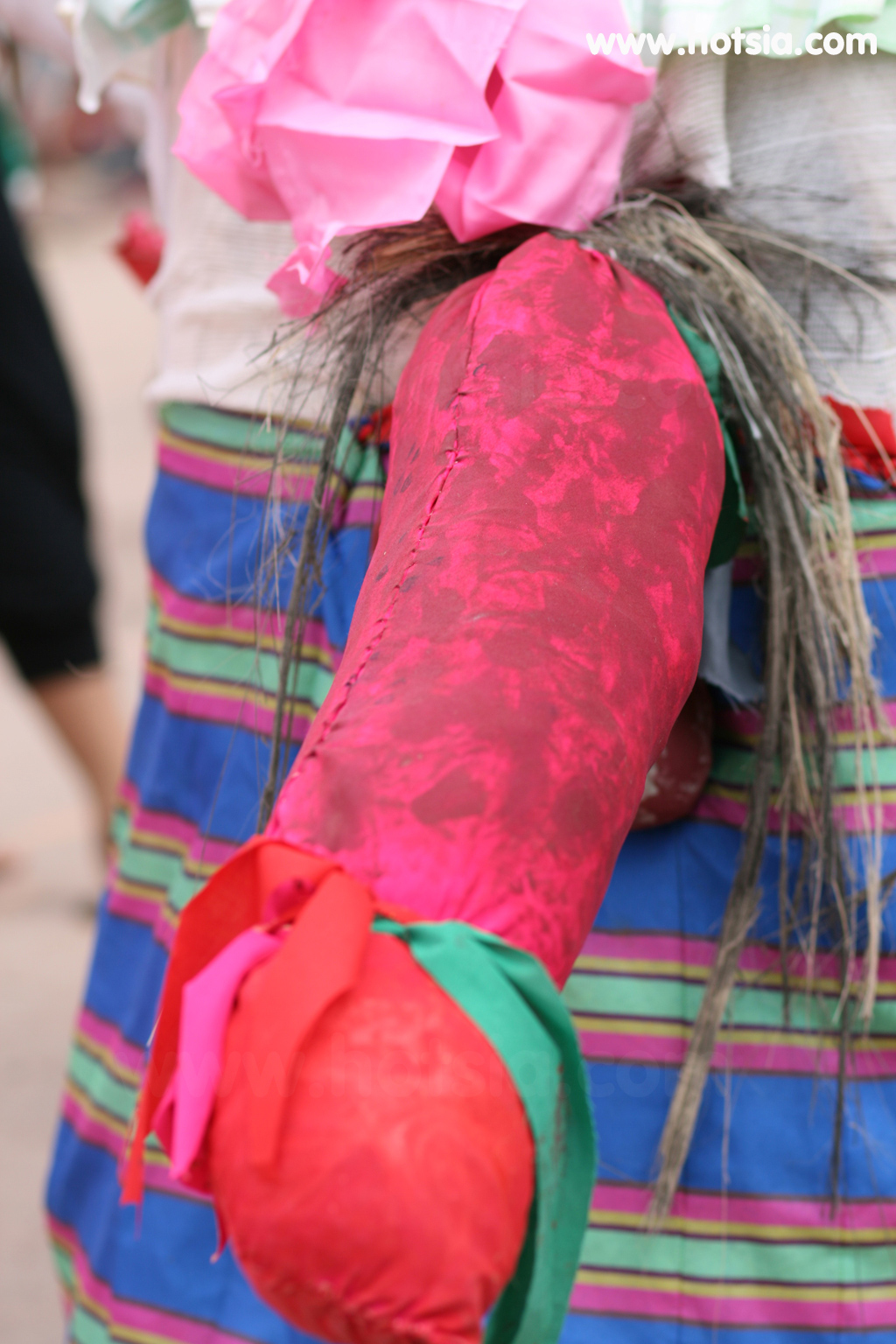
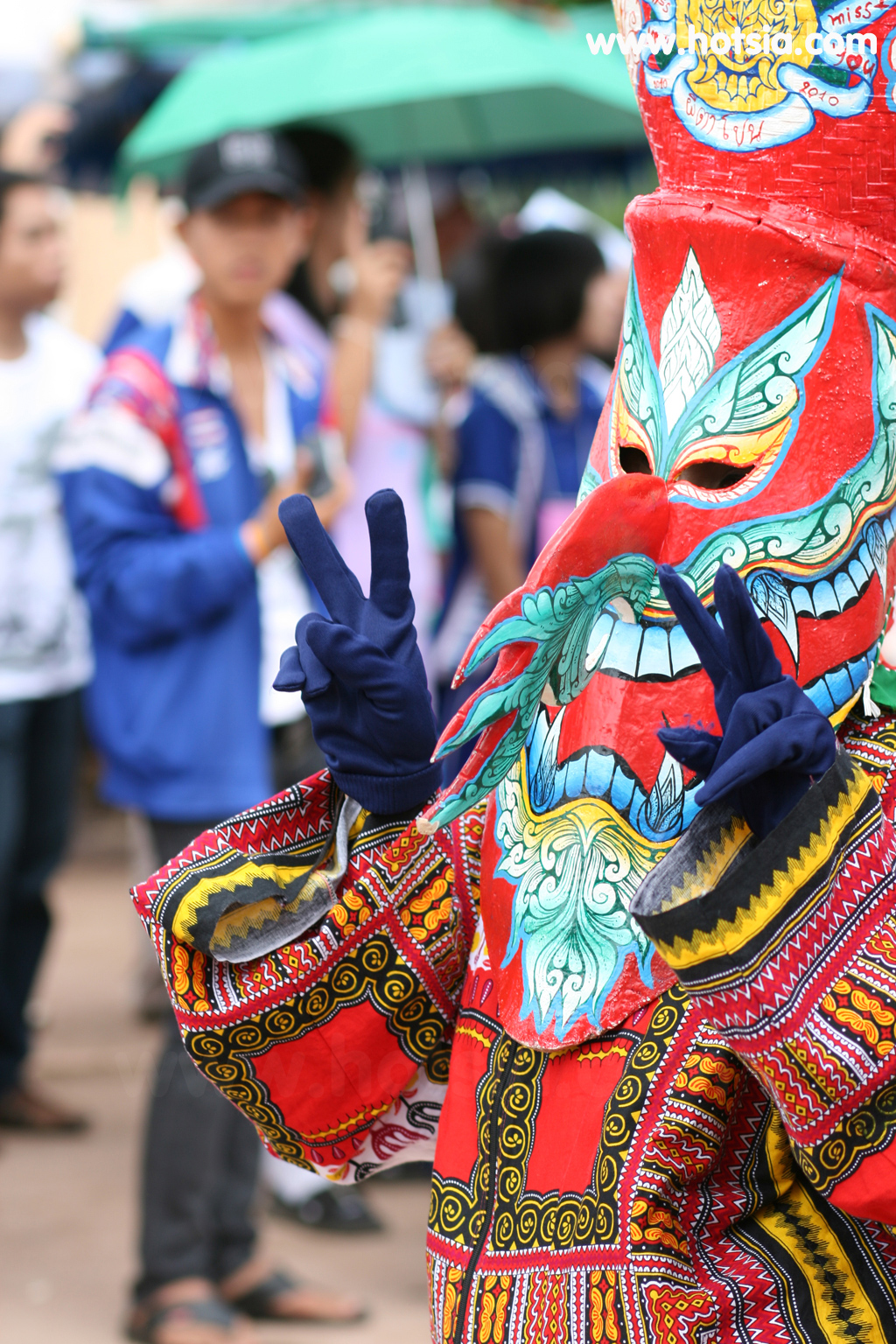
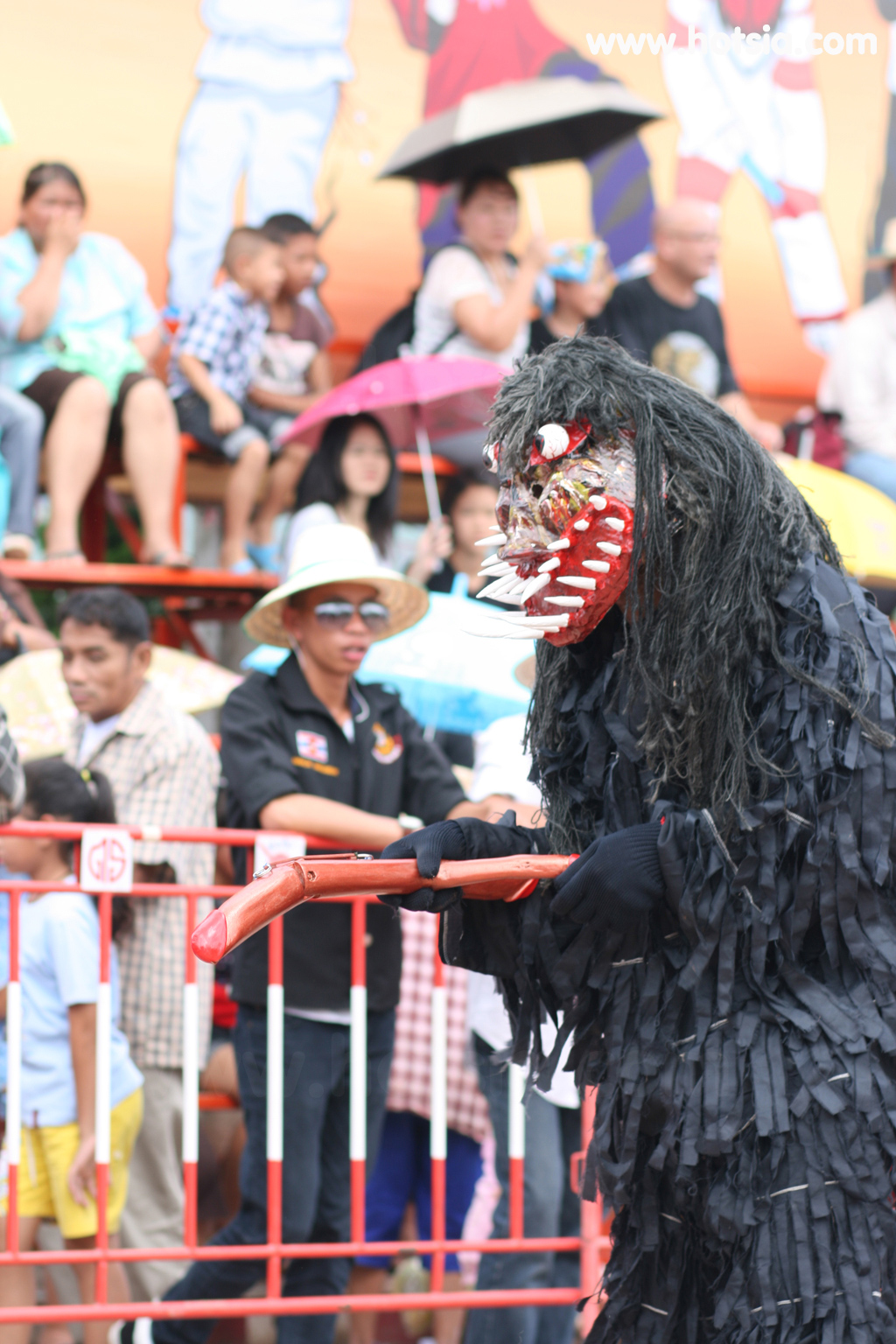
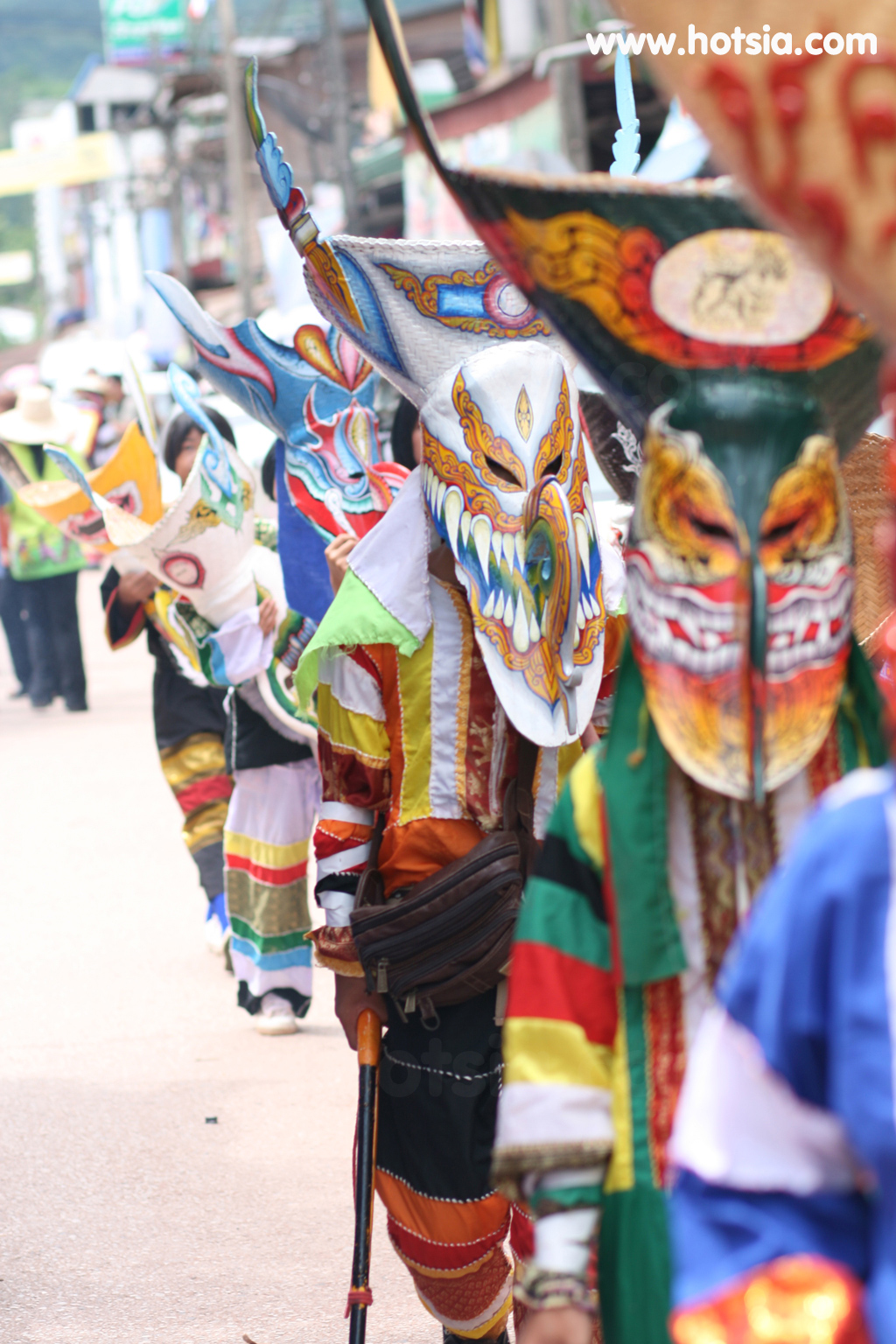
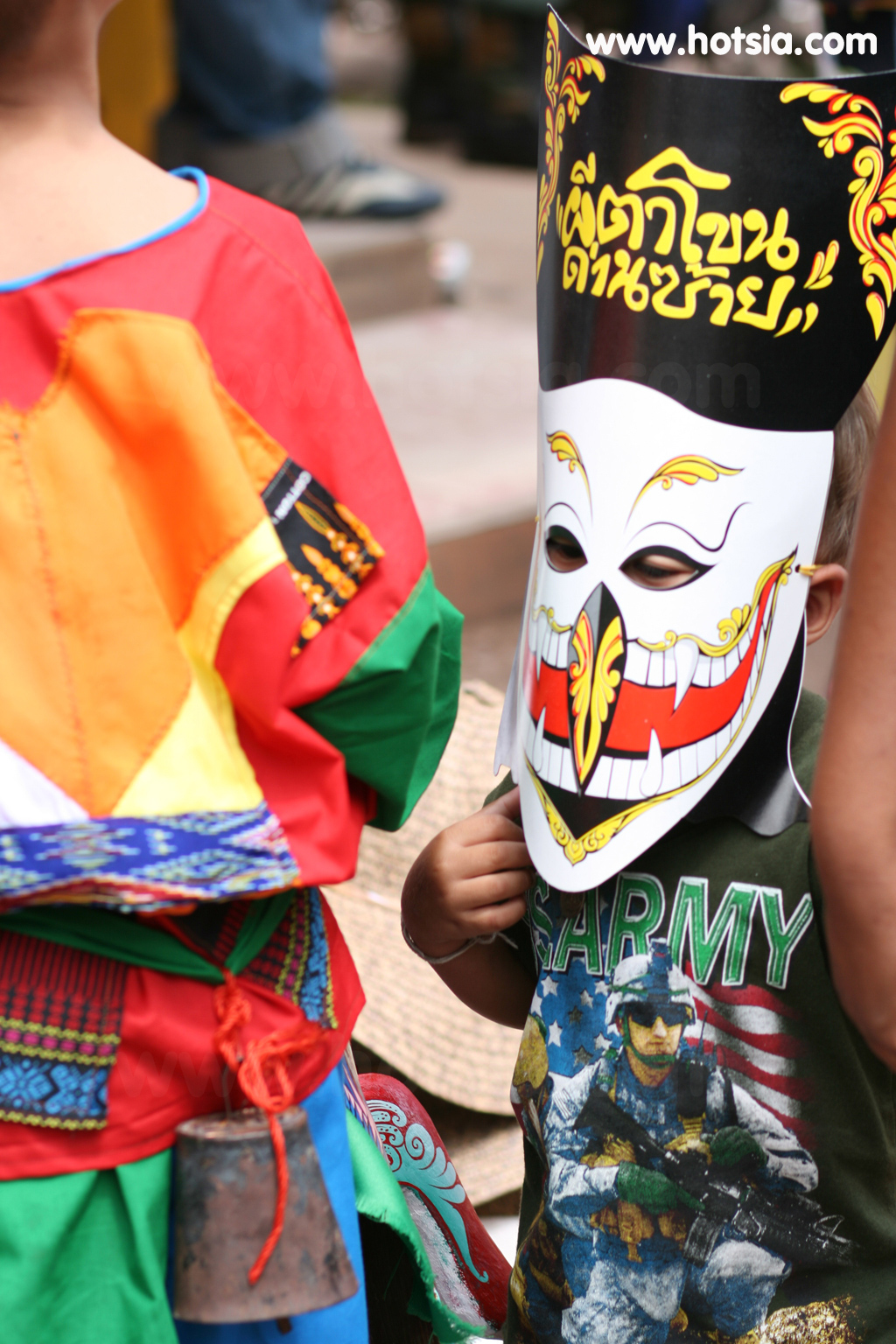
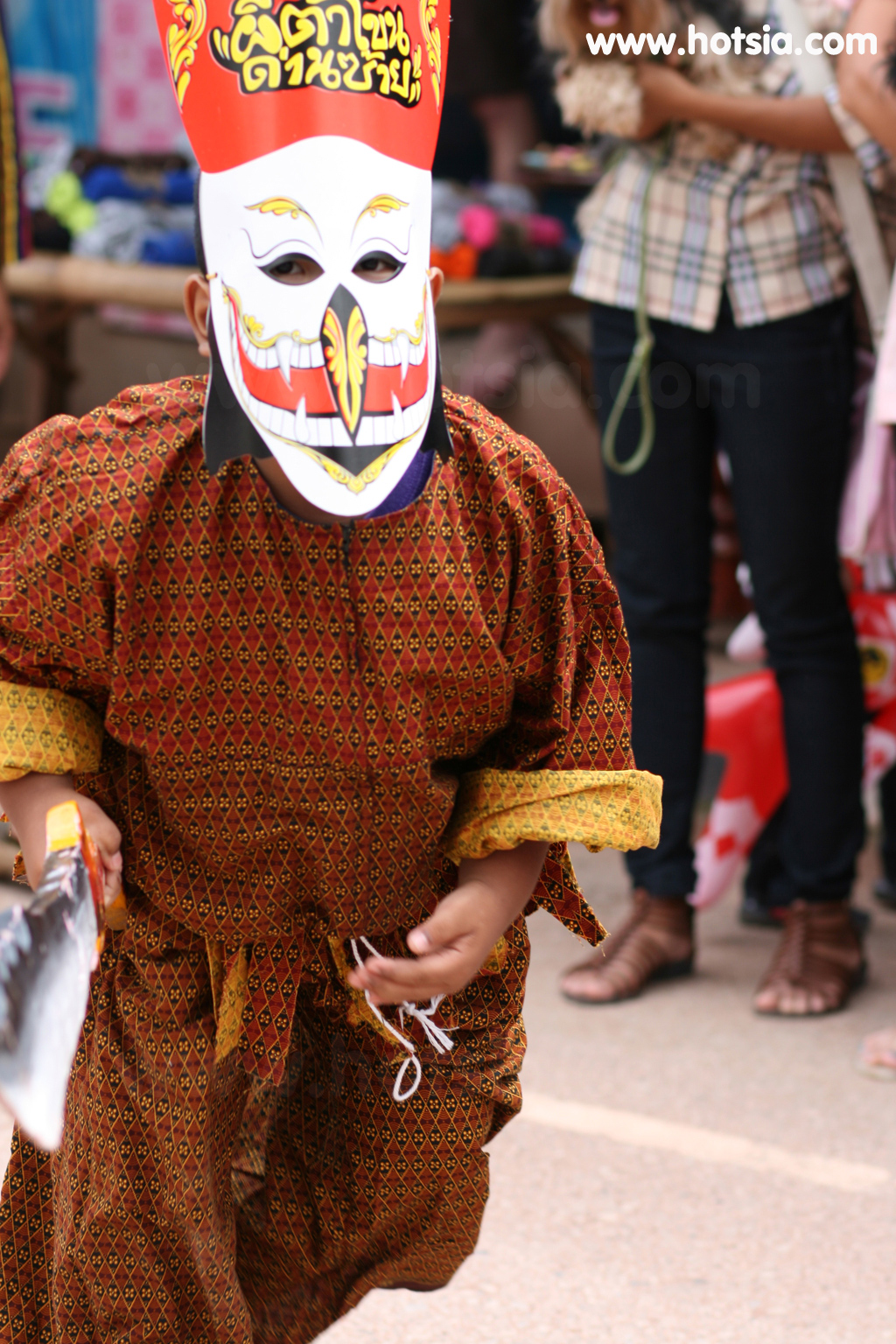
Phi Ta Khon Dan Sai Phi Ta Khon Parade Phi Ta Khon Procession http://www.hotsia.com > Loei Province > Phi Ta Khon Dan Sai Phi Ta Khon Parade Phi Ta Khon Procession Photo by Jack Hotsia See full Phi Ta Khon photos at http://www.facebook.com/7ackieHOTSIA Previously, I read online that Phi Ta Khon refers to the ancient eight-sok tall people. After reading more legends and information below about Dan Sai District, Loei Province, regarding the Phi Ta Khon play and its origin.
Of the Luang Prabang people “Pu Yoe Ya Yoe” and when reading the legend of Pu Yoe Ya Yoe from Luang Prabang, who was from the Muang Than era, reading the history of Muang Than reveals it was a city on the Thai-Lao land about 2,000 years ago. I recalled that the people mentioned might have been very tall, about eight sok (2 wa). This seems unlikely because 2,000 years ago, people probably were not that short. In 2010, I followed the stories from Lao brothers and sisters.
There is an eight-sok tall stone carving at Thong Wai Temple (see eight-sok person). Judging by the height carved, it might really be about two wa tall, but only in stone form; real people probably were not that tall. Phi Ta Khon is a play of the Lao and Thai people along the Mekong River basin. According to legend, it dates back about two thousand years. In Laos, it is Pu Yoe Ya Yoe; in Thailand, it is Phi Ta Khon. In Thailand, the tradition was not continuously practiced until about 20 years ago when it was revived.
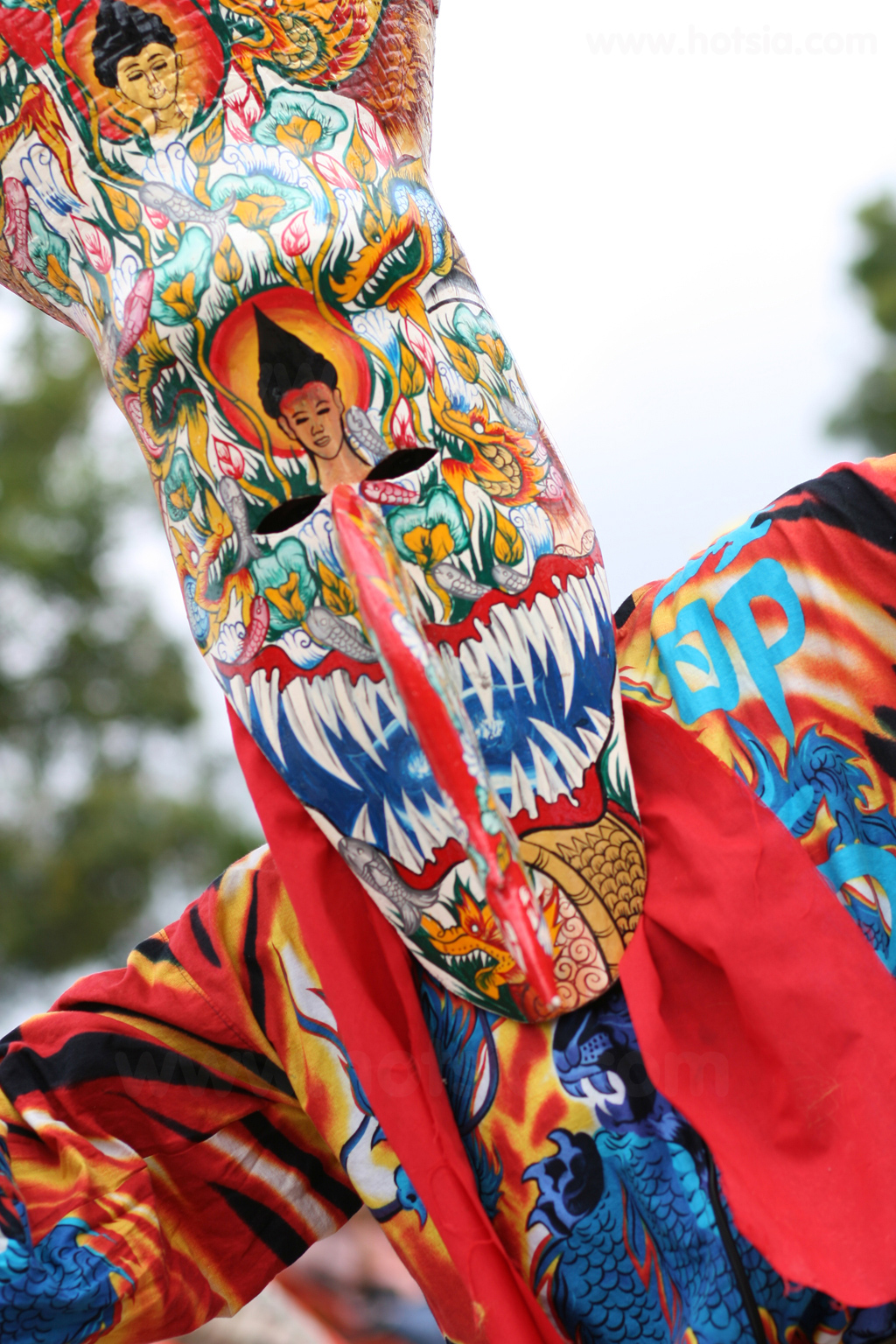
It received support from the government and the Tourism Authority of Thailand, making it a proud tradition of Dan Sai District to this day. Anyone wanting to visit the Phi Ta Khon parade and explore the origin of the ancient eight-sok people can attend the Phi Ta Khon festival held during the “Boon Luang” or the seventh lunar month in Dan Sai District, Loei Province. The exact dates vary each year, so check the travel calendar first. The event features people wearing colorful Phi masks made from sticky rice steamers. Mr.Hotsia July 2011
The history of Phi Ta Khon by the Public Relations Department of Dan Sai District is renowned nationally and internationally for its distinctive costumes and graceful movements, becoming a highlight that captivates people. Phi Ta Khon is a symbol of the legendary merit-making festival tradition that has long been part of Dan Sai, Loei Province. It not only creates color, fun, and enjoyment for people.
Phi Ta Khon is also a bridge to the past where Thai ancestors created unique wisdom, passing stories through time continuously and for a long time. It is a valuable local tradition and culture for Thai descendants to study and learn about their roots and the essence of identity born from local wisdom. Many wisdom teachers and researchers studying Phi Ta Khon from various perspectives
agree that Phi Ta Khon is part of the Boon Luang merit-making festival of Dan Sai or the old Dan Sai town. It is a play mainly for fun and entertainment, similar to net casting, medicine selling, and rocket launching, which add color to the Boon Luang festival, especially in the ceremony inviting Phra Vessandorn and Nang Matree into the town during the fourth lunar month (Boon Phewa) of the Isan people. Dan Sai combines the fourth lunar month merit (Boon Phewa), fifth lunar month merit (Songkran), sixth lunar month merit (Rocket Festival), and seventh lunar month merit (Boon Samha)
to hold together in the seventh lunar month each year, usually between late June and early July. The local spiritual leader, Chao Pho Kuan, determines the date through a spirit medium ceremony in advance. According to Chao Pho Kuan (Thawon Chueanboonmee), the term Phi Ta Khon likely comes from the spirits wearing masks resembling Khon dance masks. Originally, some called it Phi Ta Khon or Phi Ta Khon.
But the exact meaning was unclear. According to Chao Pho Kuan during spirit possession, the spirits follow people to the merit event, so it was called Phi Tam Khon, later distorted to Phi Ta Khon. Research by Sanong Upla on the development of the Phi Ta Khon tradition found that it originated from beliefs about ancestral spirits, continuing from the Pu Yoe Ya Yoe play of the Luang Prabang people. However, the Phi Ta Khon play in Dan Sai
has endured a long passage of time and faced political, administrative, economic, social challenges, and cultural interactions with various groups. To align with community lifestyles, it has adapted and blended into a unique local form, evolving with the times. The original era (before 1957) derived from the Pu Yoe Ya Yoe play,
a belief blending Buddhism, Brahmanism, and spirits passed down from the ancient Lan Xang Kingdom, adapted to suit Dan Sai’s community economy, politics, and administration. Then it developed into the seeking era (1957-1987), coinciding with economic growth, government involvement in festival management, new generation ideas, and tourism trends.
This caused conflicts and debates on the direction of Phi Ta Khon development, dividing into three views: those wanting to keep tradition, those seeking new forms for economic benefits, and those wanting a blend. Eventually, all ideas crystallized into today’s Phi Ta Khon tradition, supported by the Tourism Authority of Thailand and all media.
By promoting Phi Ta Khon performances everywhere for publicity, Dan Sai’s Phi Ta Khon tradition gained international fame and attracted general tourists. To promote tourism, the Phi Ta Khon parade was added to the original tradition, including contests for parades, mask designs, and beautiful dance moves. All these caused
changes in beliefs, prohibitions, and practices in Phi Ta Khon play. The number of Phi Ta Khon performers increases yearly. Traditional mask making has been adapted into new styles based on art, technology, and market mechanisms. Dan Sai locals have accepted tourism as a catalyst for change, making Phi Ta Khon a cultural tourism tradition.