ไทย
ไทย
 English

Siem Reap Angkor Wat
http://www.hotsia.com > Siem Reap > Angkor Wat Travel information for Siem Reap, Cambodia Broadway+ Apsara Dance Chinese Restaurants in Siem Reap Nightlife in Siem Reap Transport from Poipet to Siem Reap Poipet / Aranyaprathet Border Recommended Hotels in Siem Reap How to Get to Siem Reap Shadow of Angkor Guesthouse Apsara Dance Khmer Dance Recommended Affordable Hotels Siem Reap Night Market Transport from Siem Reap to Phnom Penh Prepare for an Exciting Trip Angkor Wat is one of the ultimate 7 wonders
A world wonder recorded alongside the pyramids. Angkor Wat is only 2 hours by car from Thailand, while the pyramids require crossing seas and long distances. Yet few Thais have had the chance to visit Angkor Wat. Cambodia is a country with lovely people and an atmosphere perfect for tourism. Mr.Hotsia recommends visiting Siem Reap and Angkor Wat independently to gain a unique life experience easily found in our neighboring country.
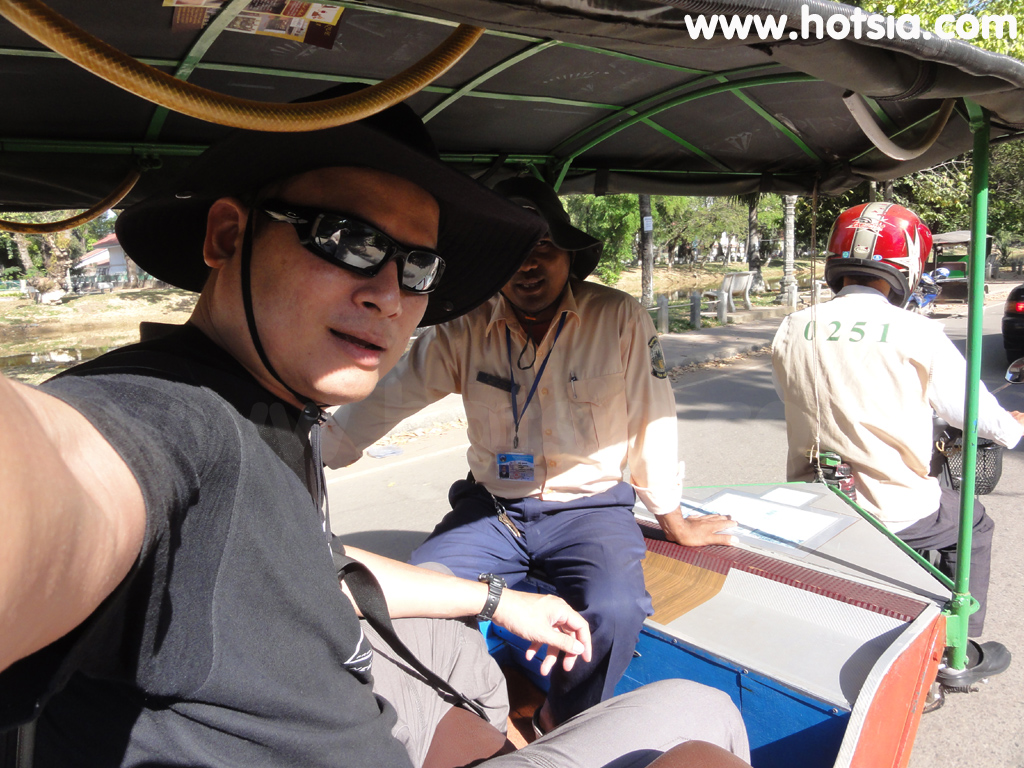
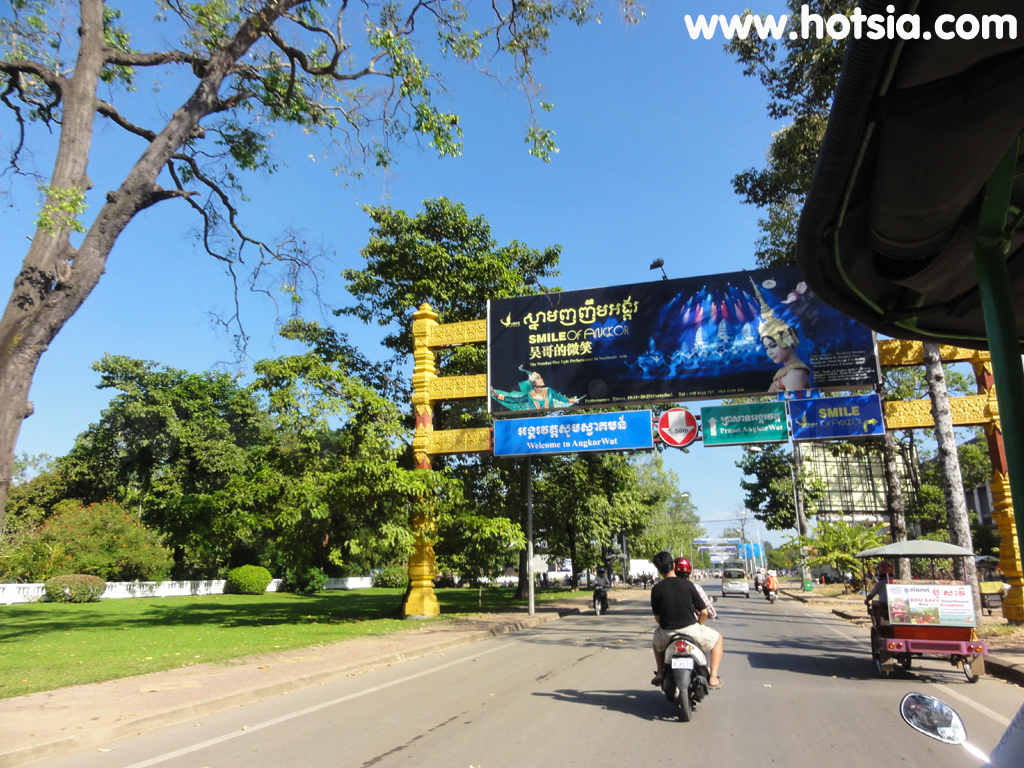
Getting to Angkor Wat is quite easy. Take a bus to Aranyaprathet, use your passport to cross the border into Cambodia at Poipet. No visa is needed for a 14-day stay. Upon arrival in Poipet, take a shared taxi to Siem Reap. Angkor Wat is located 6 kilometers from Siem Reap. Stay in Siem Reap and hire a tuk-tuk for the day to visit Angkor Wat. This is the most convenient way to travel independently. Some may also rent a bicycle for the day.
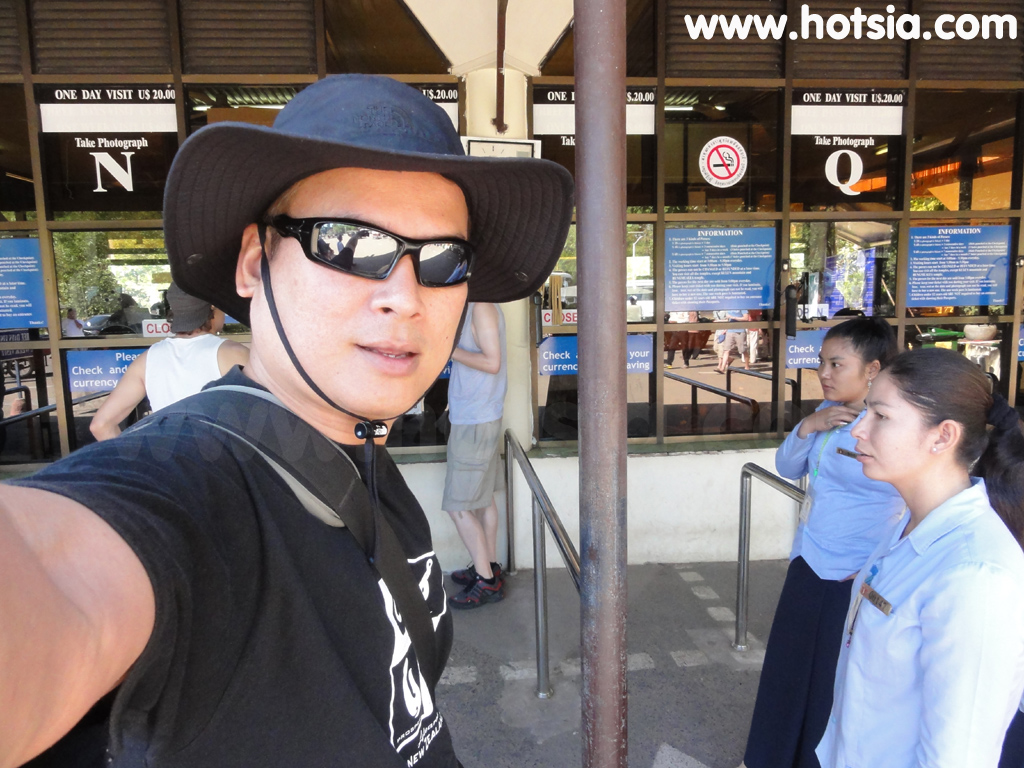
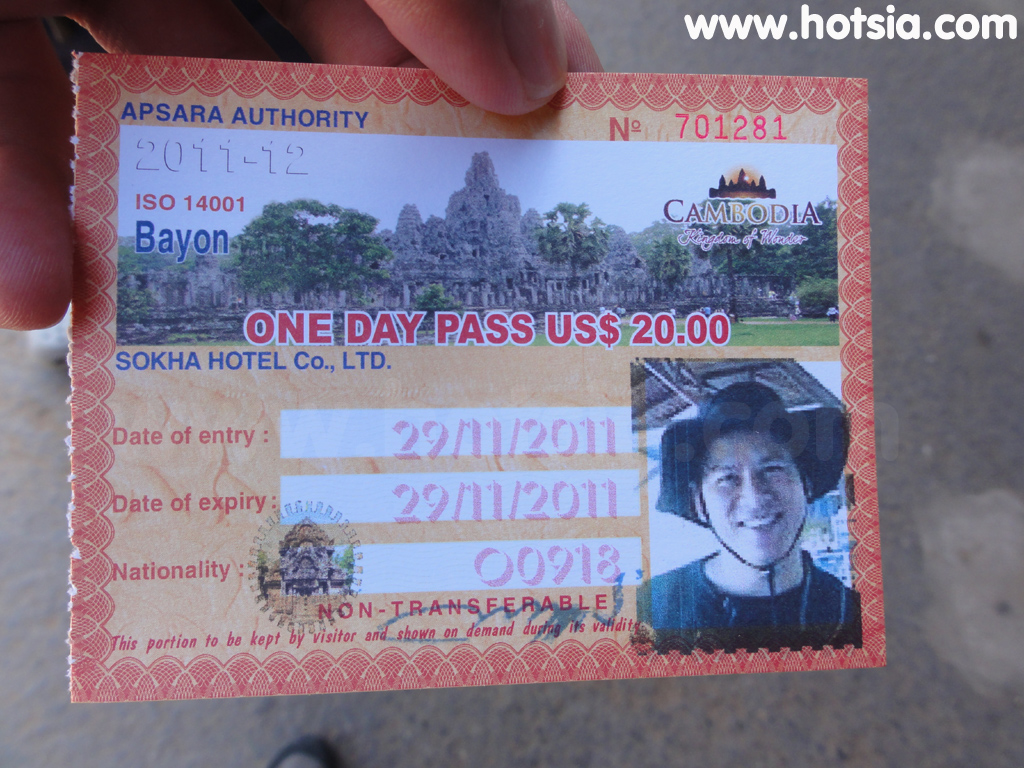
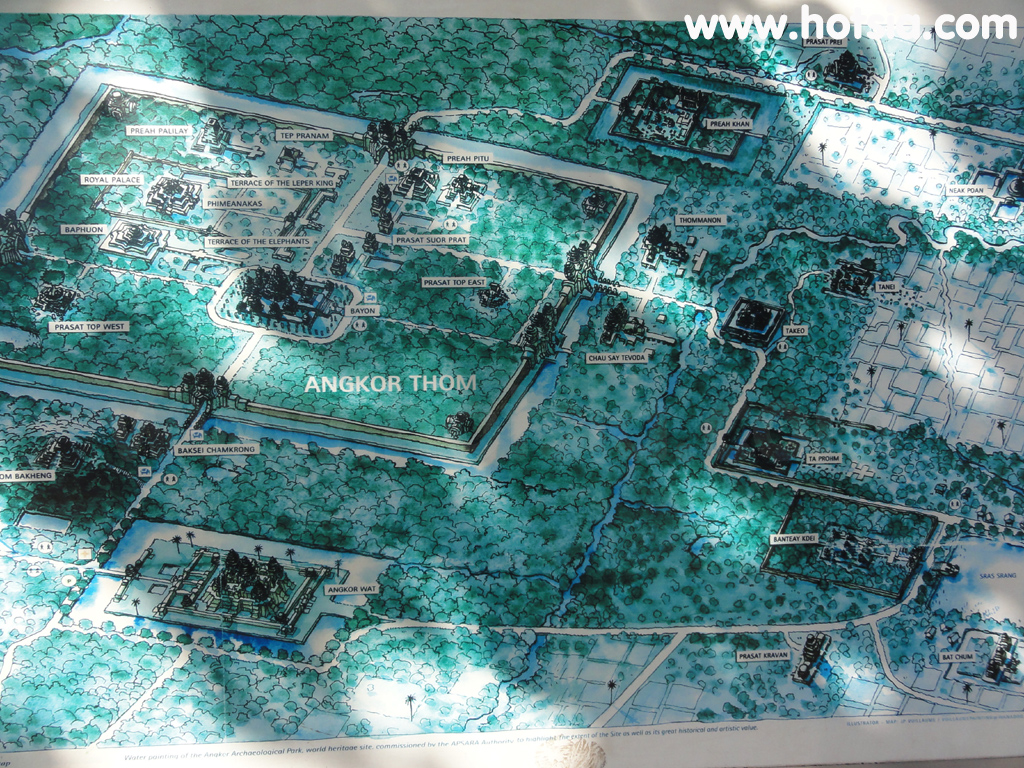
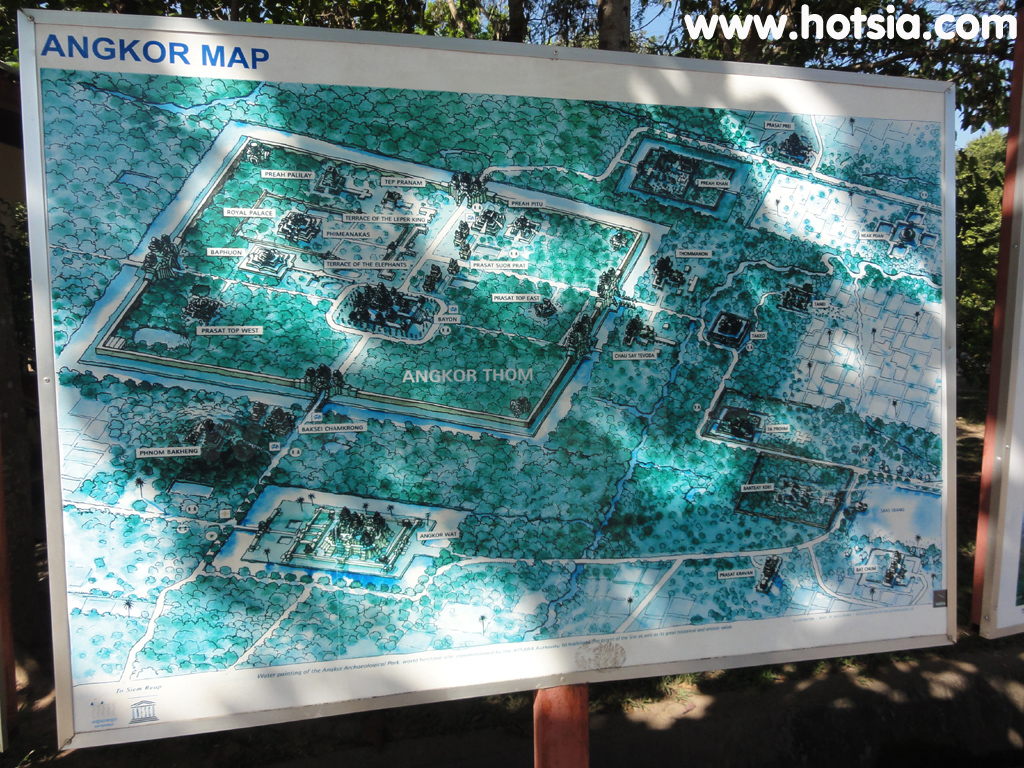
At 60 baht per day, you can explore Angkor Wat on your own bicycle. To enter Angkor Wat, you must purchase an entrance ticket available for 1 day, 3 days, or 1 week, with prices increasing accordingly (see the video). If you are just sightseeing without focusing much on history, a 1-day ticket is enough, costing 20 USD. This ticket grants access to all temples in the area such as Angkor Wat, Angkor Thom, Ta Prohm Temple, etc. When you buy the ticket, your photo is taken and printed on the card.
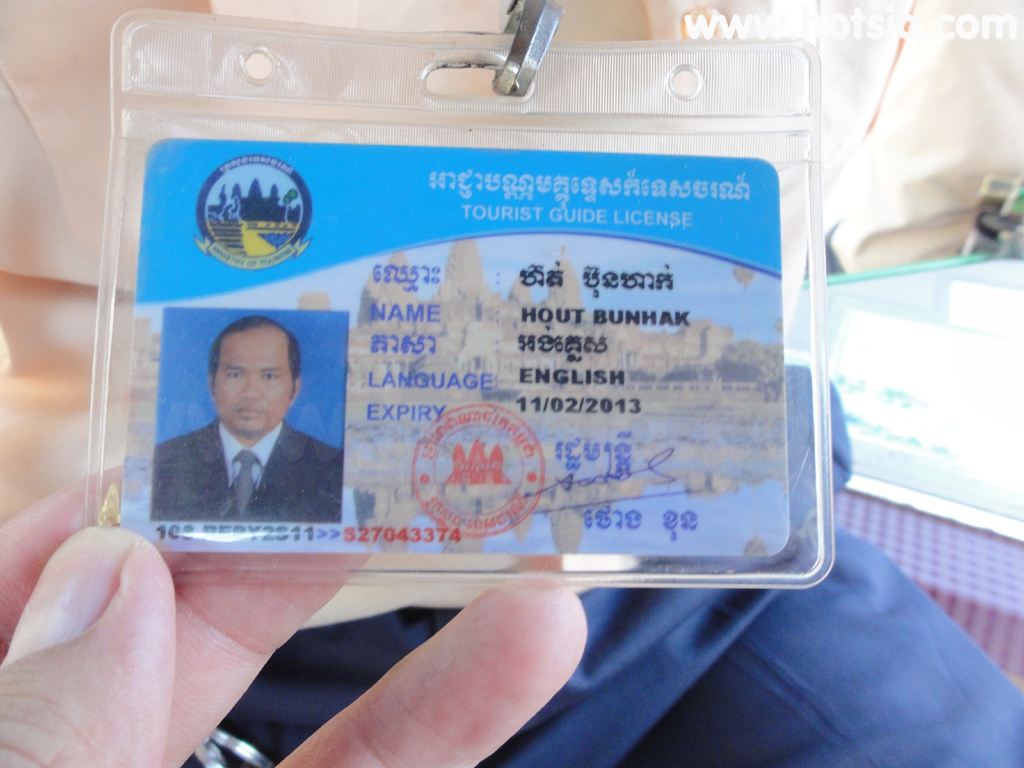
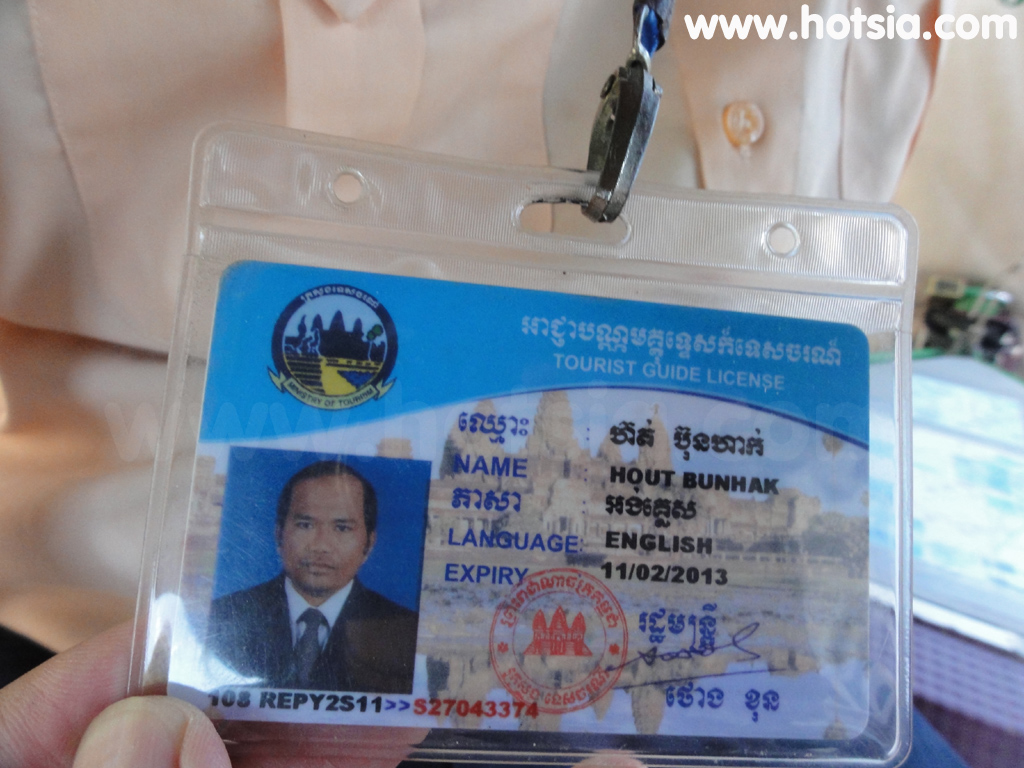
This ticket is checked at Angkor Wat, Angkor Thom, Ta Prohm, and other key sites. Normally, a 1-day ticket allows visiting about 3 places, but if you start early, you can see more. If you want a guide, Thai guides cost 30 USD per day, English guides 25 USD per day, regardless of group size. Since Angkor Wat is a stone temple, without knowledge it’s just looking at stones, but with some understanding, you don’t need a guide. Mr.Hotsia
Recommends watching the video I prepared fully and skipping the guide to save money for other activities. You can contact guides through your accommodation. The belief that beggars are common in Cambodia is outdated. On my recent trip, I saw none or only a few who did not bother tourists. So you can enjoy Angkor Wat happily without the old negative images that spoil the travel atmosphere.
Mr.Hotsia December 2011 (Photo of Angkor Wat temple) Mr.Hotsia recommends hotels in Siem Reap History of Angkor Wat from Wikipedia: Angkor Wat is a religious site located in the city of Angkor, Siem Reap Province, Cambodia. It was built during the reign of King Suryavarman II in the early 12th century as his state temple. The temple has been well preserved.
It remains the only major religious center surviving from its time. Originally a Hindu temple dedicated to Vishnu, it later became a Buddhist temple. Angkor Wat is the largest religious monument in the world. The temple represents the pinnacle of classical Khmer architecture and has become a symbol of Cambodia, appearing on the national flag and serving as the country's main tourist attraction.
It is also registered as a World Heritage Site under the name Angkor Archaeological Park. Construction began in the mid-12th century during King Suryavarman II’s reign to honor Vishnu. In 1177, the Cham invaded the Khmer, forcing King Jayavarman VII to move the capital to Angkor Thom, now Siem Reap. He then built Angkor Thom and Bayon Temple north of Angkor Wat as the new Khmer capital.
In 1586, Portuguese missionary Antonio da Magdalena was the first Westerner to visit Angkor Wat. However, the temple was truly 'rediscovered' about a century ago by French explorer Henri Mouhot. Angkor Wat marks the end of the Khmer Empire era, built mainly from sandstone.
Angkor Wat covers a vast area of 200,000 square meters. The temple is 60 meters high, 100 meters long, and 80 meters wide. Its layout is considered the ultimate evolution of Khmer temple design, featuring five towers on a raised base symbolizing the center of the universe. The outer wall is 1.5 kilometers long with a surrounding moat representing the cosmic ocean around Mount Meru. It used 600,000 cubic meters of stone and over 40,000 elephants for transport.
Hundreds of thousands of workers carried and dragged stones from Phnom Kulen, over 50 kilometers away, to build Angkor Wat. The temple has 1,800 pillars, each weighing over 10 tons. Construction took nearly 100 years, with 5,000 sculptors working for 40 years. The central tower is over 60 meters tall with a steep staircase of about 50 degrees, a challenge all visitors must climb up and down.
From the top, you can see the most beautiful views of Angkor Wat. The outer wall, over 800 meters long, features carvings depicting King Suryavarman II’s royal deeds and scenes from the Ramayana epic. The most famous carving shows gods and demons churning the ocean of milk around Mount Meru. There are also 1,635 apsara carvings, each with unique costumes and hairstyles. One stone relief depicts the Siamese army sent to help fight the Cham, with inscriptions mentioning 'Siam Guk' which likely refers to forces from Chiang Rai, Chiang Saen, or Suphanburi, and 'Lavo' thought to be from Lopburi.
Travel map to Angkor Wat and onward to Phnom Penh 13 21 13.739 N, 103 51 16.956 E GPS coordinates (POI) Mr.Hotsia Angkor Wat trip 13 21 21.179 N, 103 51 30.065 E 13 21 21.179 N, 103 51 30.077 E