ไทย
ไทย
 English

Traveling Siem Reap, Angkor Wat, Bayon Temple
http://www.hotsia.com > เที่ยวเสียมเรียบ นครวัด > ปราสาทบายน ข้อมูลเที่ยวเมืองเสียมเรียบกัมพูชา Broadway+ ระบำอัปสรา ร้านอาหารจีนในเสียมเรียบ เที่ยวกลางคืนเสียมเรียบ รถจากปอยเปตมาเสียมเรียบ ด่านปอยเปต / อรัญประเทศ แนะนำโรงแรมในเสียมเรียบ การเดินทางไปเสียมเรียบ ชาโดว์ออฟอังกอร์เกสท์เฮาส์ ระบำอัปสรา ระบำเขมร แนะนำโรงแรมถูกและดี ไนท์มาร์เก็ตเสียมเรียบ รถจากเสียมเรียบไปพนมเปญ เตรียมตัวเที่ยวสะใจ
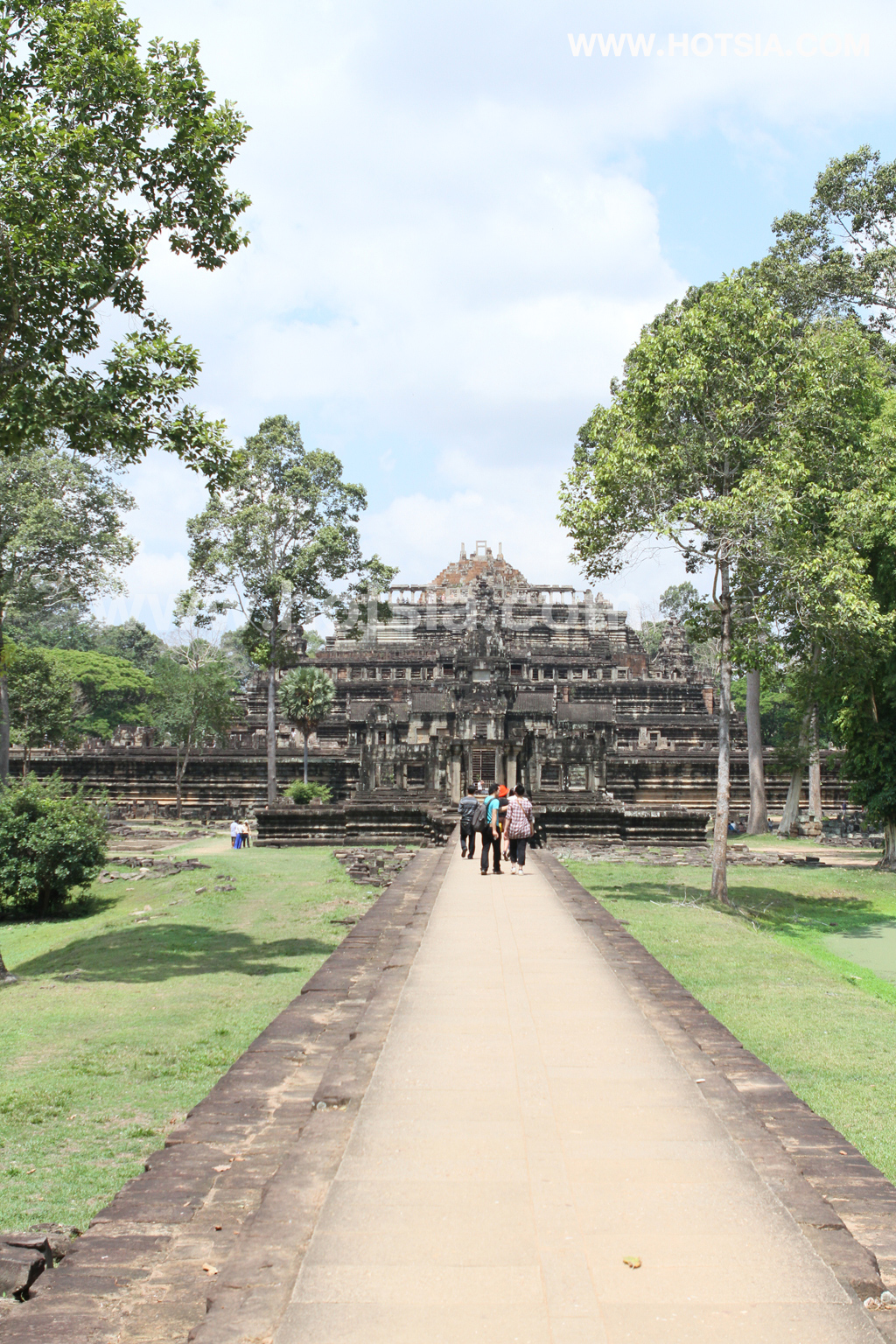
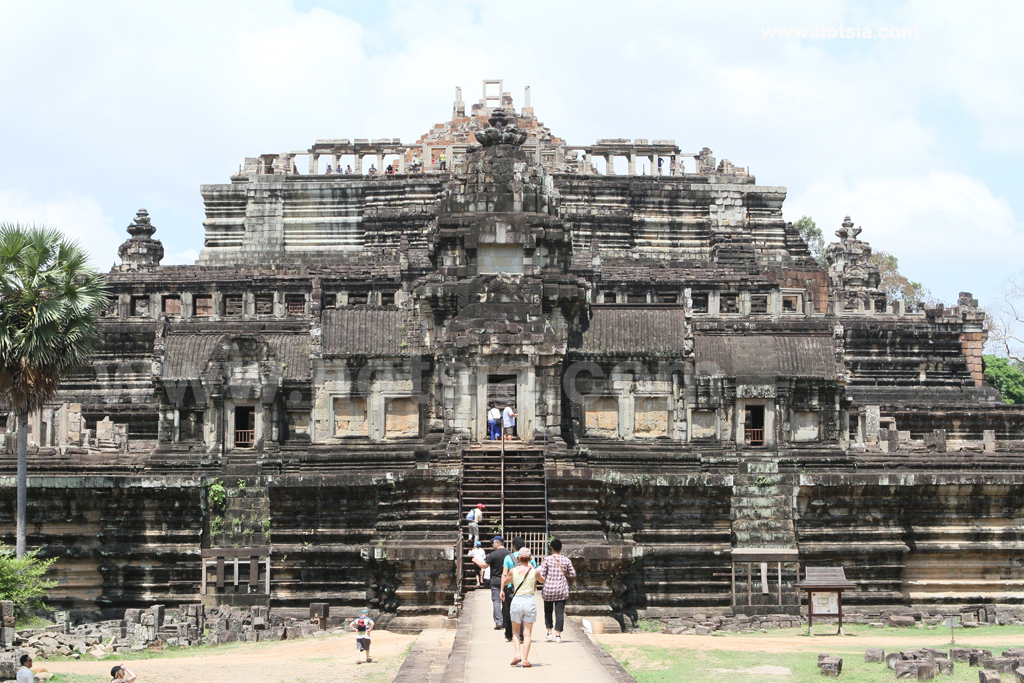
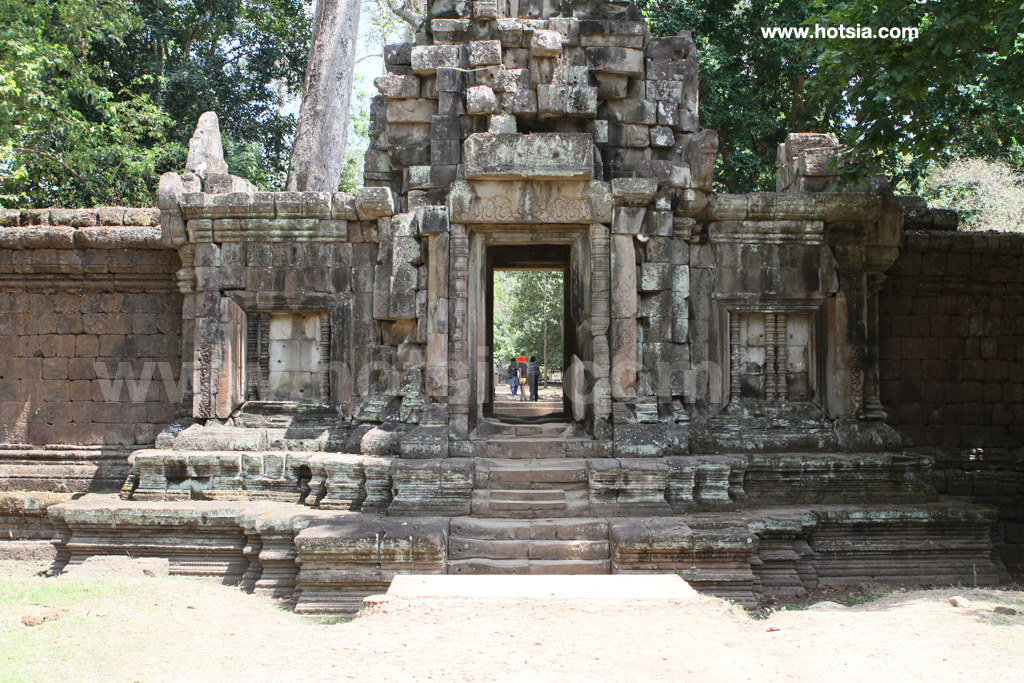
Bayon Temple is another temple that you should visit when traveling to Angkor Wat. According to the guide, this temple was reassembled after being taken apart piece by piece during the French era. Even now, some parts remain in piles. The following is information about Bayon Temple from Wikipedia by mr.hotsia, April 2012: It is a stone temple of the Khmer Empire located in the center of Angkor Thom. It was built as the state temple during the reign of King Jayavarman VII around the year B.E.
1724 - B.E. 1763[1]. After King Jayavarman VII achieved victory by driving out the Champa army, it became one of the greatest religious sites in the world. It is complex both structurally and symbolically due to religious and belief changes from Hinduism to Buddhism. The building is unique because the towers face four directions, totaling 49 towers, with only 37 remaining today. Generally, each tower has 4 faces and 4 directions.
However, some towers may have 3 or 2 faces. The central area of the complex has towers with multiple faces, which tourists often try to count. The architectural style of Bayon reflects the changes in beliefs over many periods. Later kings found it easier to renovate this temple rather than demolish and rebuild, continuing to use it as their state temple. The sandstone bas-reliefs depict apsaras dancing. The complex consists of concentric galleries.
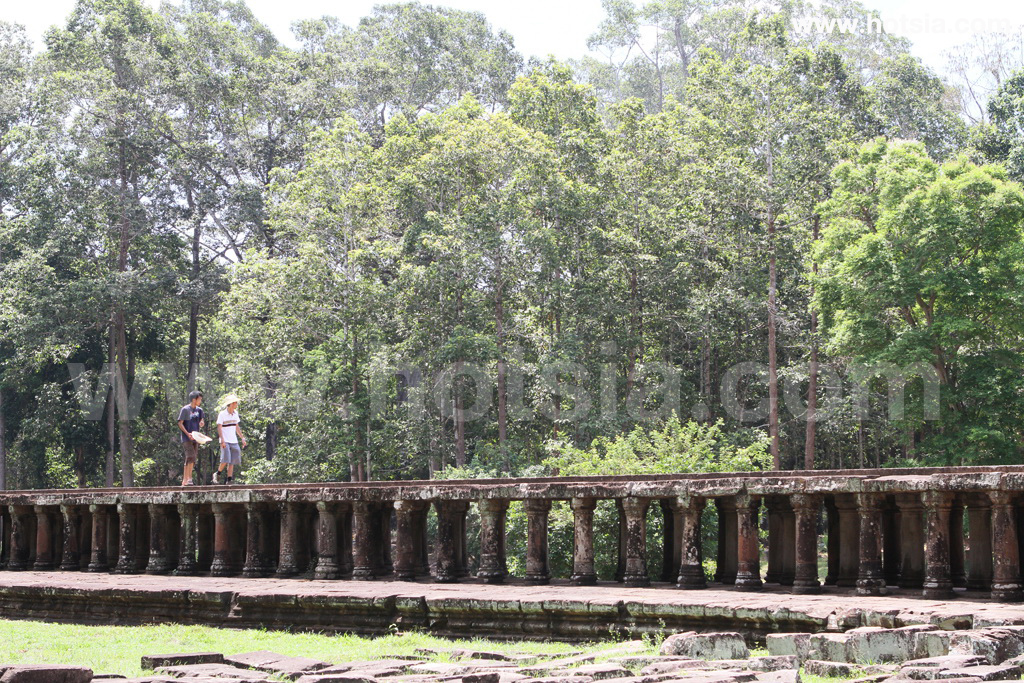
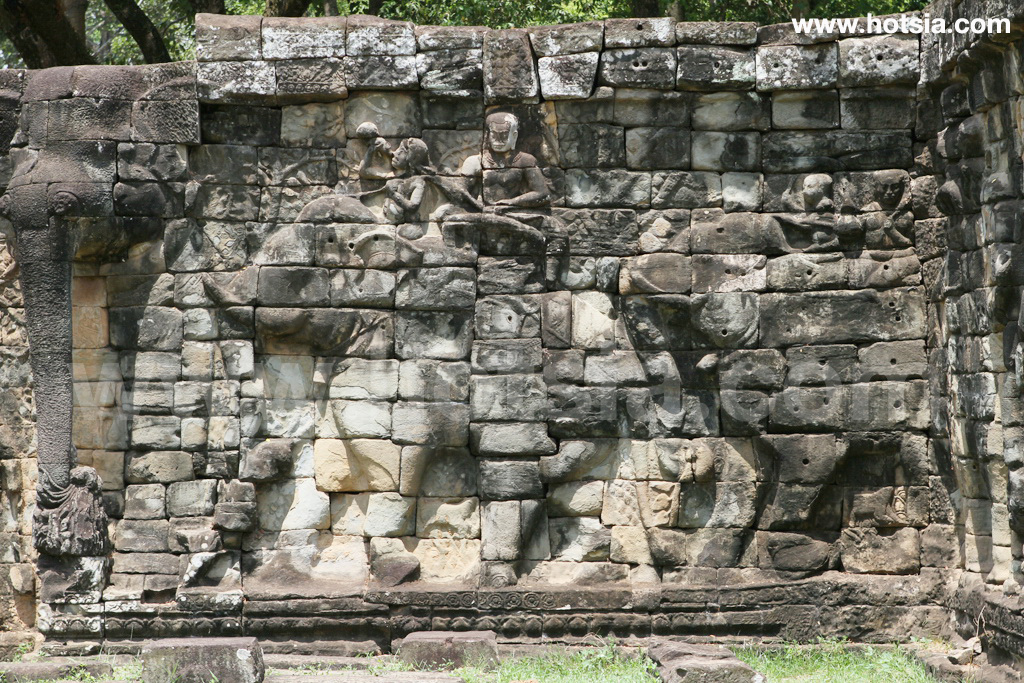
(gallery) Surrounding the temple are two layers called the inner and outer galleries. The outer gallery was built before the inner one. The galleries have rows of stone pillars and often feature bas-reliefs of apsaras, as well as carvings depicting historical and social scenes of that time, such as battles between the Khmer and Champa. The outer gallery leads to two libraries, the northern and southern halls. The inner gallery, built later, shows a shift from daily life scenes to more religious carvings.
Around Bayon Temple in Siem Reap, you can see ancient carvings that are thousands of years old. On the walls of Bayon Temple, there are images of "pradal" which in Thai means battle scenes. "Muay" (boxing) has existed since the Khmer empire's peak. The word "Muay" itself is Khmer, meaning "one". All these words were adopted into Thai from Khmer due to the Khmer empire's influence.
It comes from the phrase "Nia Pradal Lek Muay" meaning the number one fighter, shortened to "Nia Muay" and then adopted by Thai people as "Nak Muay" (boxer). mr.hotsia recommends hotels in Siem Reap and a video clip introducing Bayon Temple by a Khmer guide who traveled with me last time.