ไทย
ไทย

Siem Reap Tonle Sap
http://www.hotsia.com > Siem Reap > Tonle Sap Travel information for Siem Reap, Cambodia Broadway+ Apsara Dance Chinese restaurants in Siem Reap Nightlife in Siem Reap Bus from Poipet to Siem Reap Poipet / Aranyaprathet border Recommended hotels in Siem Reap Getting to Siem Reap Shadow of Angkor Guesthouse Apsara Dance Khmer Dance Recommended affordable hotels Siem Reap Night Market Bus from Siem Reap to Phnom Penh Prepare for an exciting trip The word Tonle means lake in Khmer
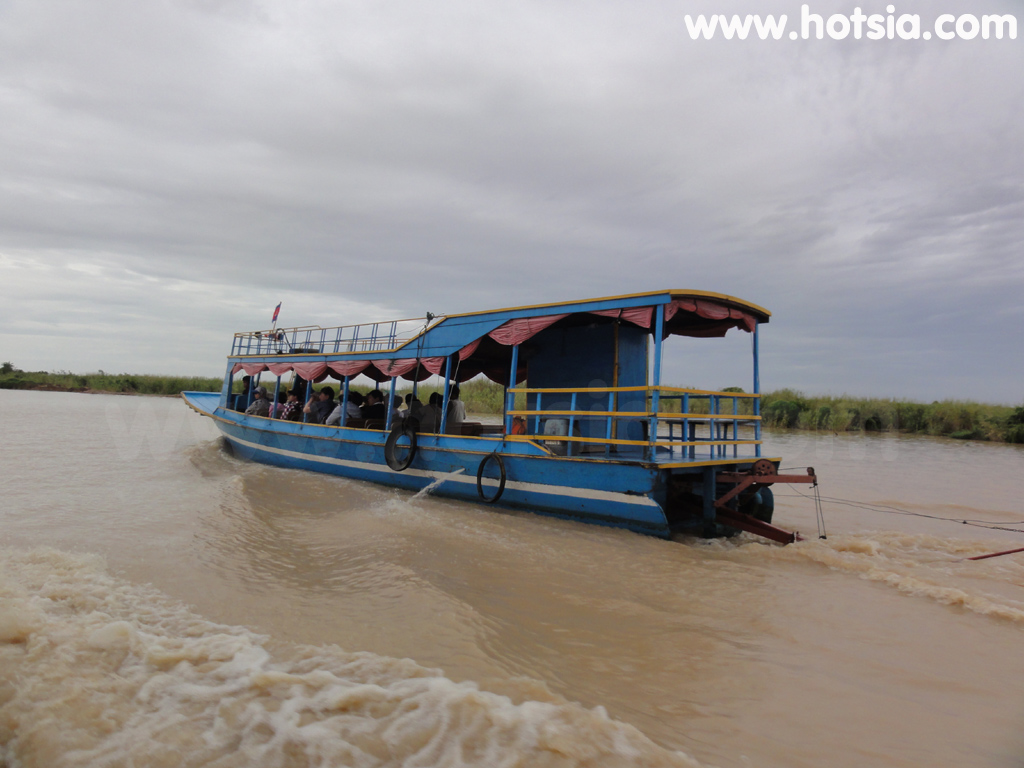
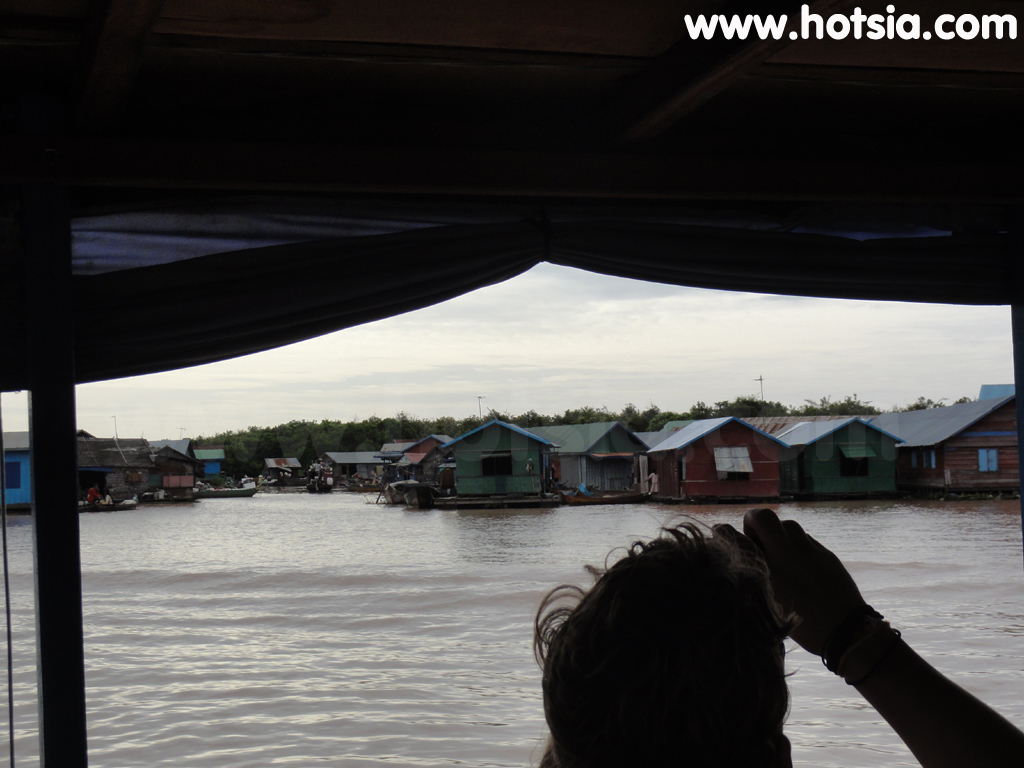
Tonle is the word for sea that we use in Thai. The word for sea in Khmer is 'Samut', which means ocean as we use it. Thai and Khmer languages are very similar in many ways. Today I will take you to explore Tonle Sap, a freshwater lake in the middle of Cambodia, bordering nine provinces of our country. I took a boat from Siem Reap to Battambang passing through this lake. Let's get to know Tonle Sap first. Tonle Sap is the largest freshwater lake in Southeast Asia. Tonle Sap also means
"a large freshwater river," but it is often translated as "Great Lakes." It is a vast lake that seems endless to foreigners. Tonle Sap is formed from the overflow of the Mekong River through the Tonle Sap River (passing Phnom Penh), flowing into the central lowlands of the country during the flood season, creating a great freshwater lake. In the dry season, when the Mekong water level drops, water from Tonle Sap flows back into the Mekong River.
Often during the dry season from November to May, Tonle Sap becomes quite narrow and shallow, with the lake depth reduced to about 1 meter over an area of 2,700 square kilometers. In the rainy season starting in June, the Tonle Sap River draws water from the Mekong River, increasing the lake's water level and expanding its area to 16,000 square kilometers. The lake and its water level can rise up to 9 meters, flooding the banks and forests in the area.
It is a wetland area suitable for breeding many species of freshwater fish. The richness of the area produces giant eggplants, as I mentioned during my trip to Kampong Chhnang. This lake is the rice bowl and water source for the Khmer people and also supplies fish to Thai people. There are many fish here. Fishing in the lake supports 3 million people in the area and provides 60% of the protein intake for Cambodians. There is evidence that sediment accumulation in the lake has historically been low.
However, studies show that sedimentation in the lake is only about 0.1-0.16 meters per year over more than 5,000 years, indicating that the lake is not at risk of filling up incorrectly. Sediment is not harmful but helps maintain the lake's ecological balance. The water in Tonle Sap regulates flooding during the rainy season. When the Mekong River floods, excess water is stored here, preventing floods in Vietnam and Cambodia. In the dry season, when Mekong water is insufficient, water flows out from Tonle Sap to compensate.
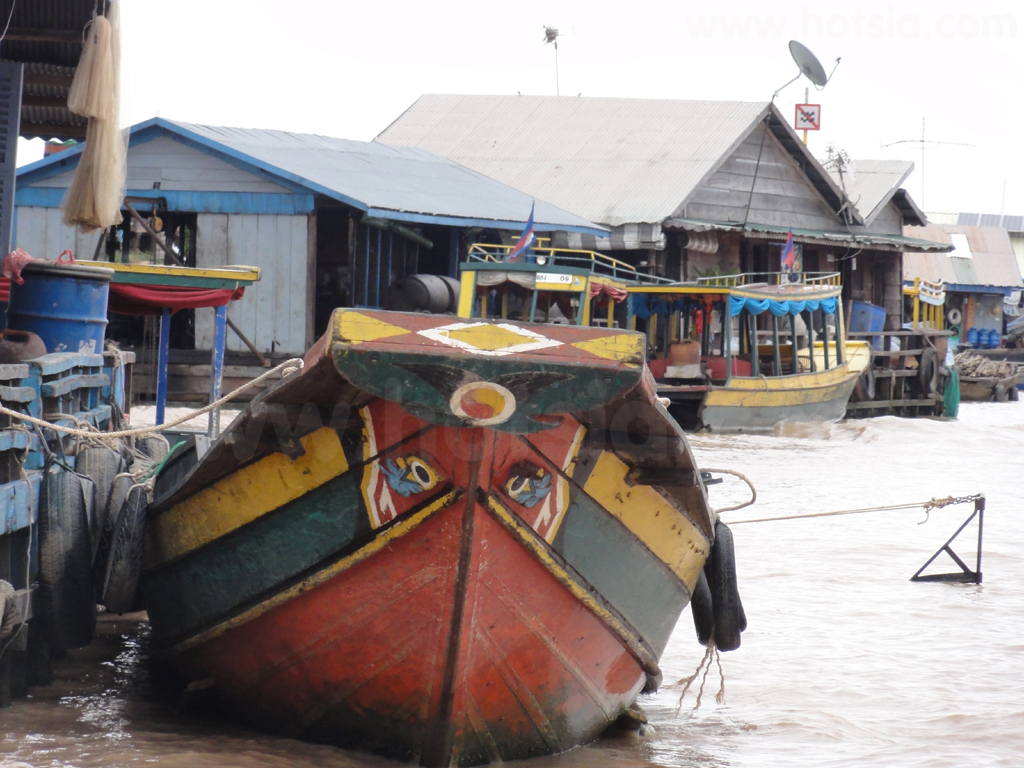
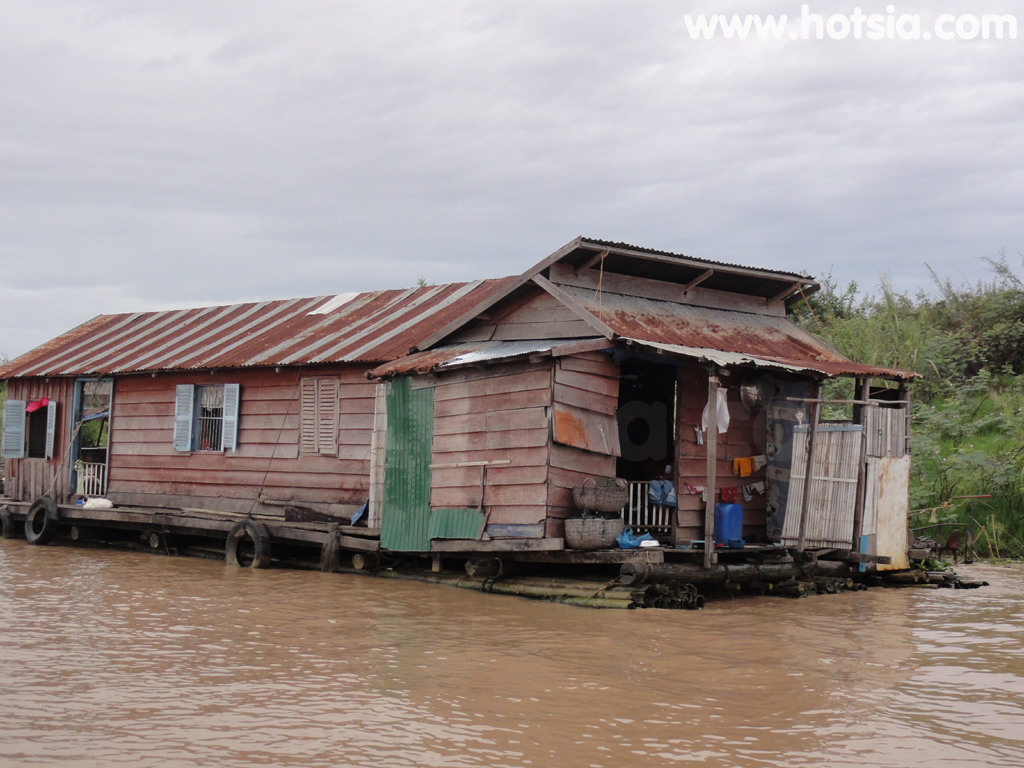
This is a natural mechanism to prevent flooding in the lower Mekong basin. For me, Mr. Hotsia, from a tourism perspective, taking a boat trip on Tonle Sap allows us to see the lifestyle of the floating village people along the lake. We see a way of life different from what we usually know, with people raising pigs, chickens, and fish on floating houses. There are schools for floating village children. Touring Tonle Sap helps us understand diverse ways of life. If you visit Siem Reap, this should not be missed.
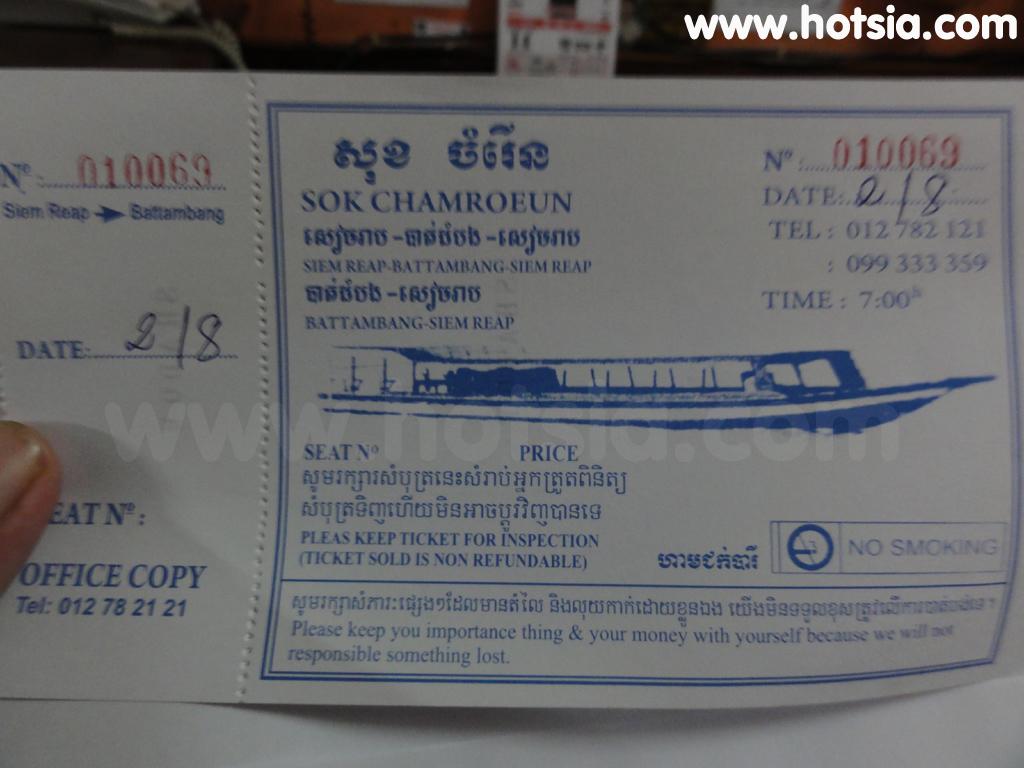
There are two ways to tour Tonle Sap from Siem Reap: buy a boat ticket from Siem Reap to Phnom Penh or to Battambang. The boat to Battambang runs almost all year round. The boat to Phnom Penh is not available in the dry season. Another option is to rent a boat for 1,500 baht per boat, which is cost-effective only if you have a group. Therefore, I think visiting Siem Reap, then cruising through Tonle Sap to Battambang is more practical. The boat ticket to Battambang costs about 25 USD per person, if I am not mistaken.
There is no food sold on the boat, so you must bring breakfast and lunch from Siem Reap. Water is available for purchase on the boat. The boat trip is divided into three parts: first, before entering Tonle Sap, you see canal life; second, in the vast lake with no shore in sight; third, entering the canal to Battambang. The trip takes from morning to evening. Buy tickets at your hotel, which acts as an agent and provides hotel pickup. This tourism system is common in Laos, Vietnam, and Cambodia.
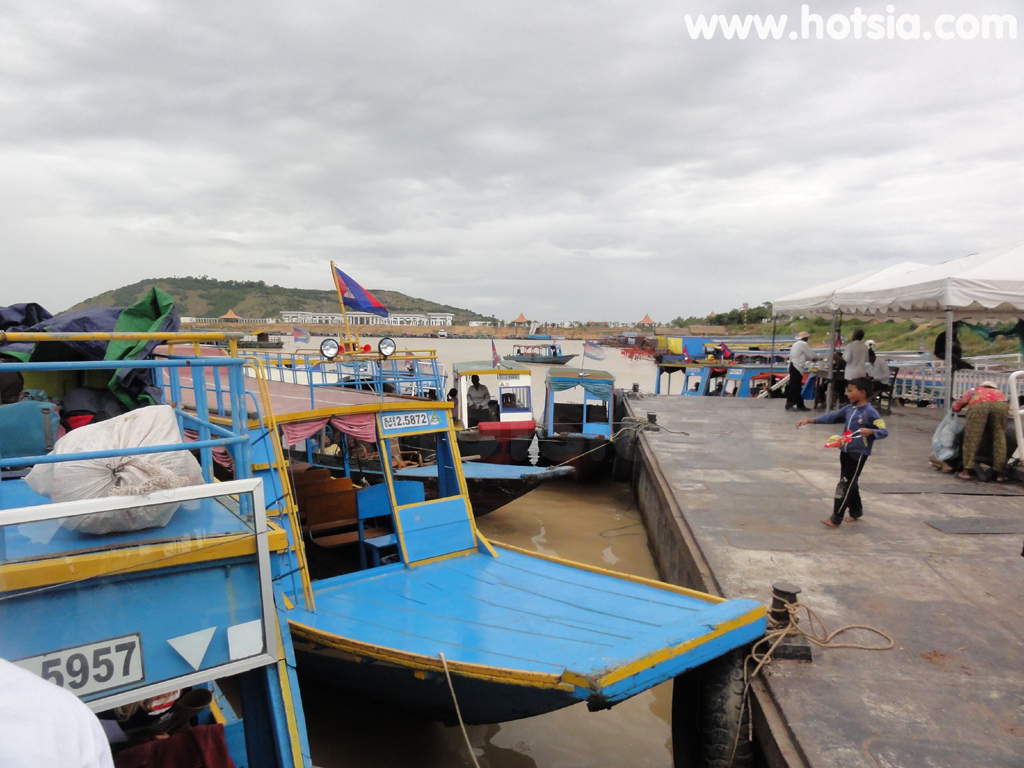
There are two piers in Battambang. During normal water levels, the pier is near the city, and you can walk to accommodations. When water levels drop, the pier is outside the city, requiring a tuk-tuk ride costing 2 USD per person, or 1 USD if you negotiate well. This price is reasonable because it is far from the city and walking is not possible. A small caution when touring Tonle Sap by boat:
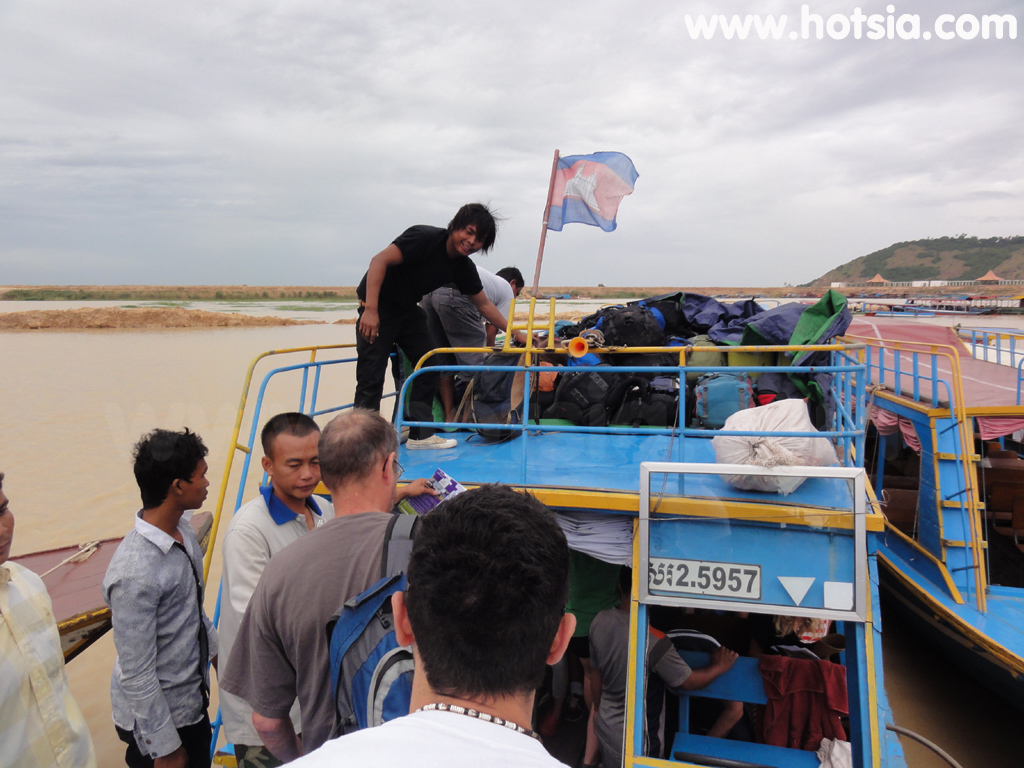
When you arrive, some people will carry your luggage from the vehicle to the boat and then ask for a tip. You don't have to give it if you don't want to; they won't mind as they do it voluntarily. I gave 1 USD but felt it was better to give money to poor children instead. I don't encourage this kind of job. Also, there is no phone signal during the middle of the boat trip, only near Siem Reap and Battambang. mr.hotsia August 2012
mr.hotsia recommends hotels in Siem Reap. This is an aerial view of Tonle Sap. Boat trip from Siem Reap to Battambang passing Tonle Sap. Boat pass Tonle Sap from Siem Reap to Battambang 13°21'40.397"N, 103°51'19.566"E GPS coordinates (POI). Boat ticket from Siem Reap to Battambang costs 25 USD. Not always available; check the numbers I provided. The boat from Siem Reap to Phnom Penh is even harder to get. If water levels rise, the boat to Phnom Penh may not operate, but the boat to Battambang might.
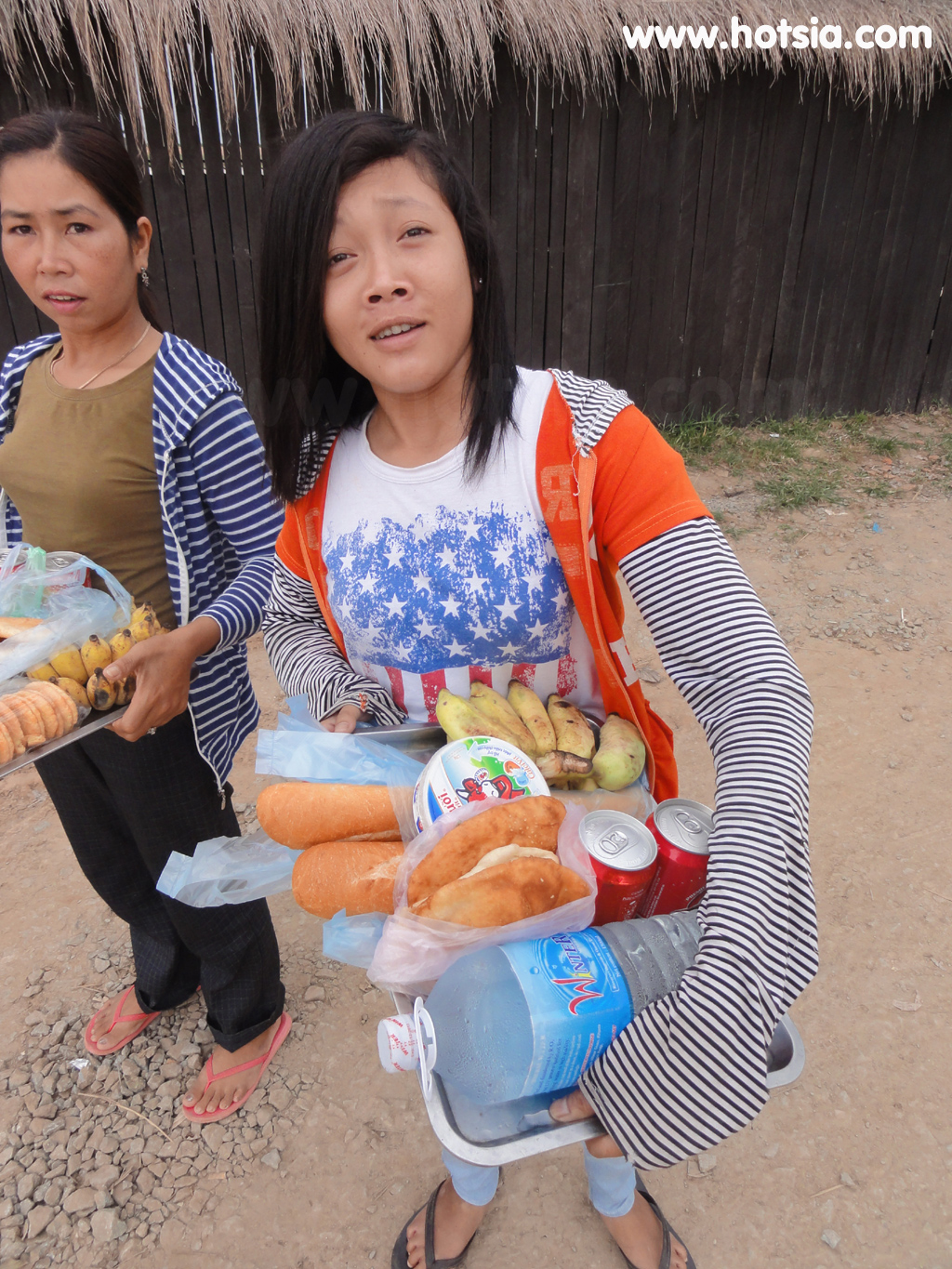
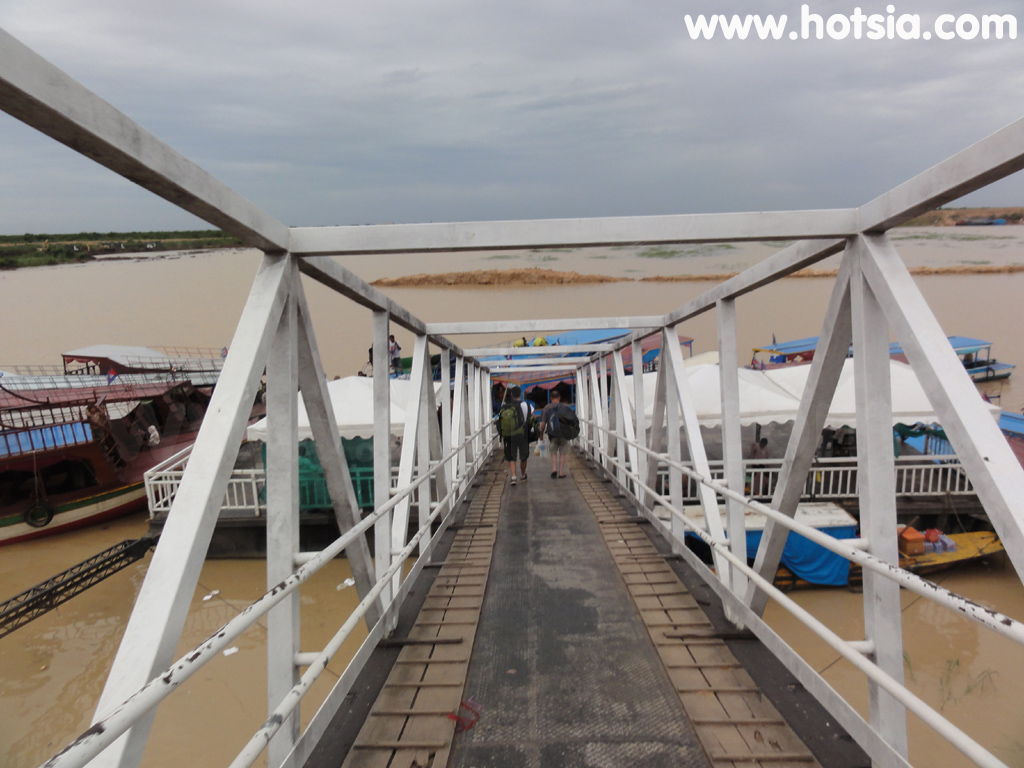
This route is used by Khmer people for real-life travel, not just for tourists. You can also ask at your accommodation. 13°16'11.304"N, 103°49'21.006"E At the pier before boarding, food and drinks are sold. It is recommended to buy food to eat on the boat because only water and beer are sold onboard. 13°16'11.52"N, 103°49'20.25"E Pier for Tonle Sap boat tours 13°16'11.178"N, 103°49'19.127"E Important tips for Tonle Sap boat tours 13°16'3.755"N, 103°49'18.402"E
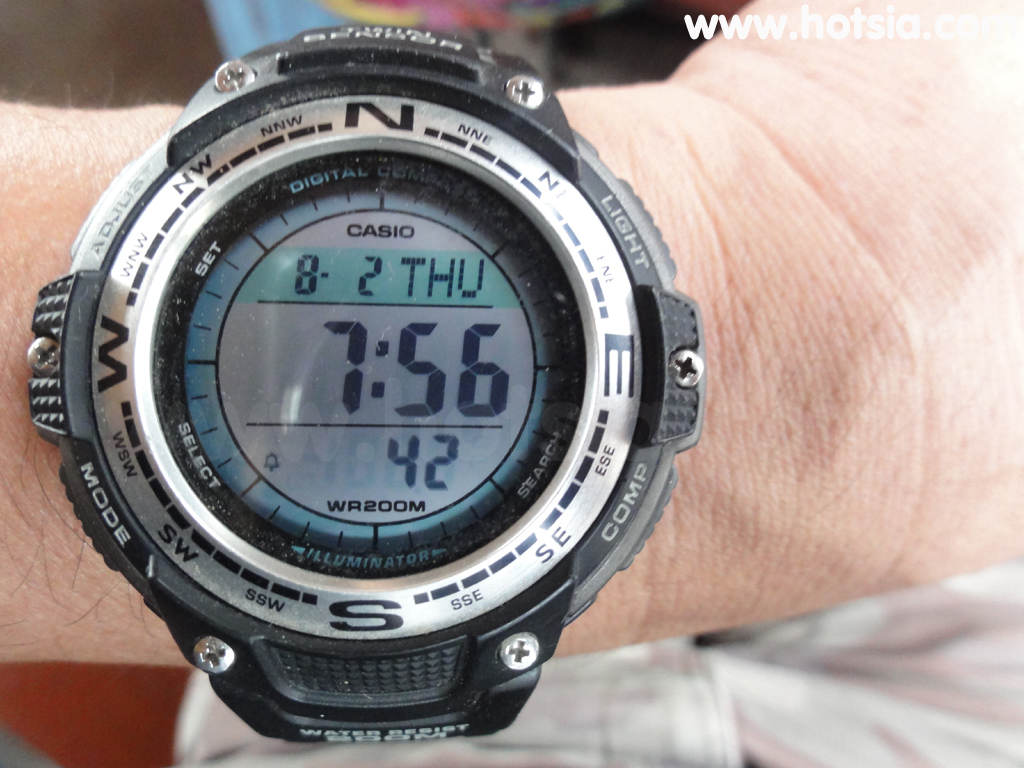
On August 2, I took a boat trip on Tonle Sap at 13°14'33.9"N, 103°49'21.51"E, or what we call floating houses. 13°13'46.518"N, 103°48'20.291"E This is the great Tonle Sap. 13°13'26.67"N, 103°46'6.005"E Uploaded to Facebook while cruising Tonle Sap. 13°13'12.786"N, 103°40'57.42"E Leaving Tonle Sap heading to the river towards Battambang. This river flows all the way to Chanthaburi. 13°14'24.035"N, 103°39'34.139"E Selling food by the river connecting to Tonle Sap canals.