ไทย
ไทย

Momo, a Popular Dish in Darjeeling, India
mr.hotsia travel India Darjeeling HOT06201

Momo, a Popular Dish in Darjeeling, the City of Flavors and Culture
When talking about Darjeeling in West Bengal, India, a place I, mr.hotsia, love the most, besides the breathtaking views of the Himalayas and world-famous tea, one thing you must not miss is “Momo,” a local dish famous and highly popular among tourists and locals alike.
I traveled to Darjeeling with the intention of experiencing the atmosphere of this small town nestled about 2,000 meters above sea level. The weather here is cool all year round, and traces of the British colonial era remain visible in the architecture and lifestyle. But what made me linger the longest was Momo, a local dish similar to Chinese xiaolongbao or dumplings but with a unique flavor and preparation style.
What is Momo? A Flavor that mr.hotsia Highly Recommends
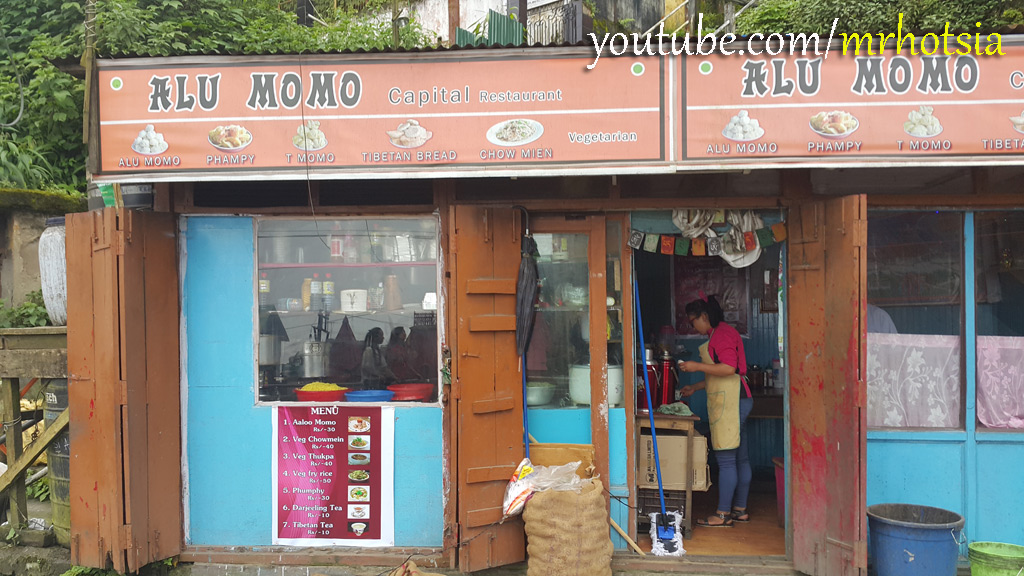
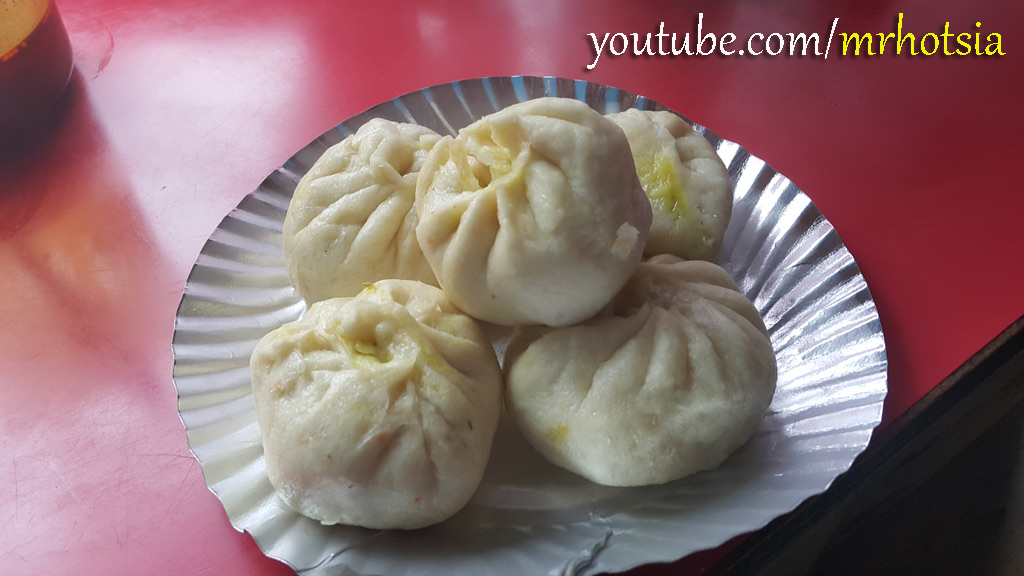
Momo is like a “dumpling” made from thin dough wrapped around pork, chicken, or vegetable filling, then steamed or fried. Sometimes it’s served with spicy chili sauce or tangy sauce that enhances the flavor. For me, eating hot momo in the cool atmosphere of Darjeeling is a small happiness that can’t be found elsewhere.
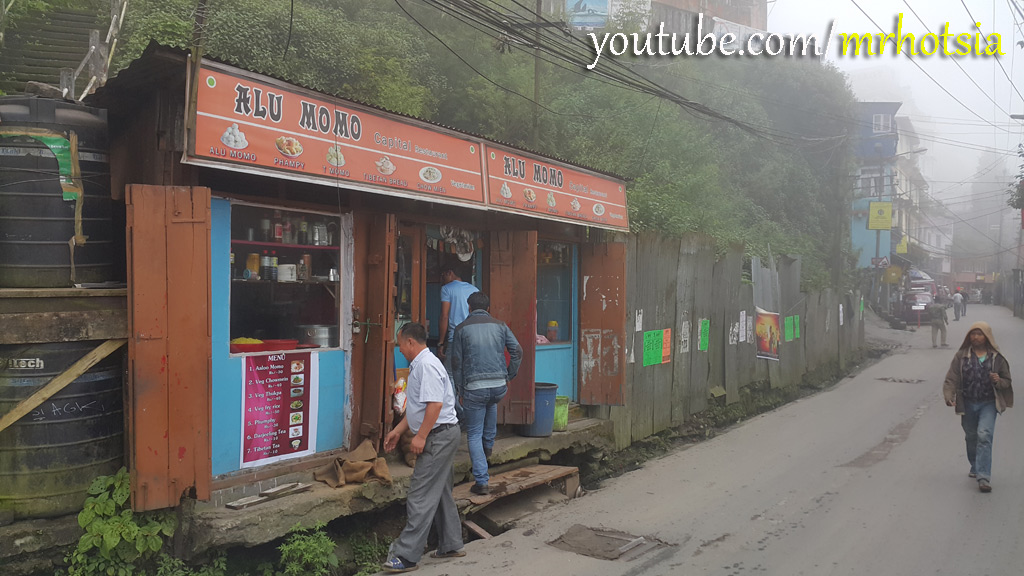
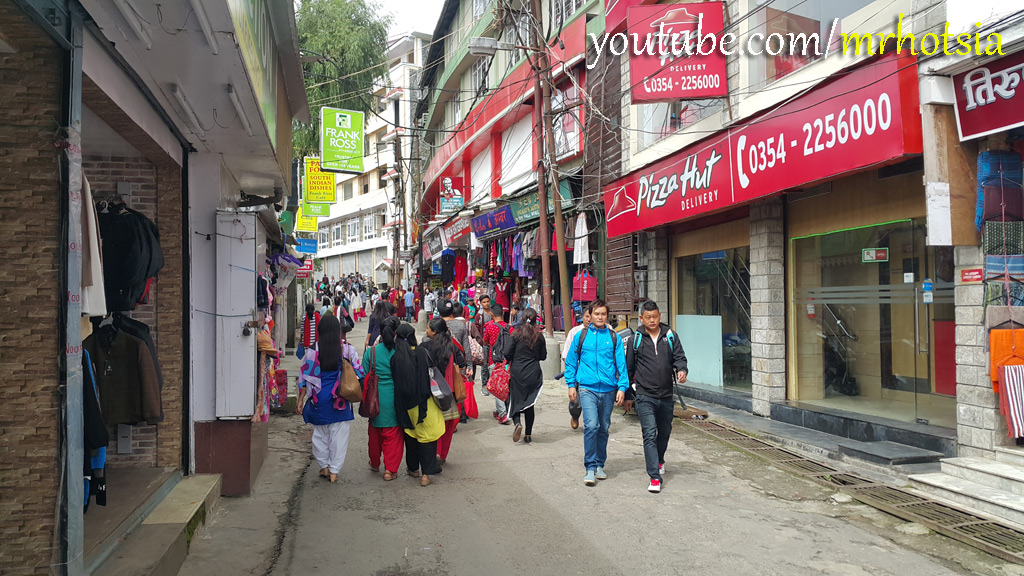
The first time I tried momo was at a fresh market in Darjeeling, located along the main road through the town. I saw local vendors steaming rows of momo, and the aroma of dough and spices floated in the air. I ordered both steamed and fried to taste. The first impression was the soft, tender dough with filling full of herbs and a slightly spicy flavor that was not overpowering, like a perfect blend of Nepalese, Tibetan, and Indian culinary cultures.
Darjeeling Fresh Market and Momo – A Gathering Place for Locals and Travelers
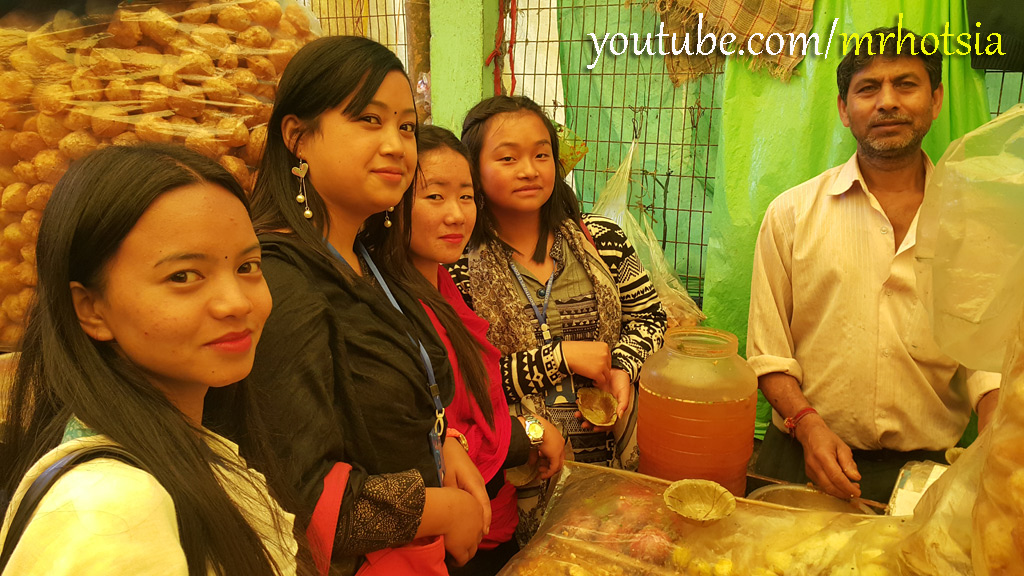
If you want to experience authentic momo, I recommend visiting the fresh market in Darjeeling that I mentioned inDarjeeling Fresh Market, IndiaThis is not just an ordinary market but a hub of Darjeeling’s lifestyle, selling fresh and dried goods as well as local food. Momo here is a best-selling dish with many styles to choose from. Watch how the local vendors prepare it carefully and lovingly in every bite you taste.
During my visit, I saw many foreign tourists and locals sitting around tables enjoying momo warmly, as if it were a daily meal connecting all groups of people.
Momo and the Charming Atmosphere of Darjeeling
Darjeeling is not just about momo and famous tea. The town is also full of cute cafes and local restaurants blending diverse flavors, as I described inDarjeeling Cuisine, IndiaBut momo is the dish I often stop to eat when strolling around the market area or after riding the old steam train here (documented inTraveling Darjeeling on Your Own)
I remember after taking a jeep from the airport to Darjeeling town (where I got some good tips on bargaining), I stopped to eat momo as my first meal here. The delicious momo made me feel warm and at home, even though I was far from Thailand.
Tips for Choosing the Best Momo with mr.hotsia
For those who want to try momo in Darjeeling, I have a few small tips to share.
- Choose freshly made, hot steamed momo for the best taste.
- Try ordering both steamed and fried to compare the flavor differences.
- Don’t forget to ask for local chili sauce, as it adds spiciness and depth to the flavor.
- If possible, eat at places popular with locals to experience the authentic, unadulterated taste.
- Take a walk after eating momo around the market area or nearby tourist zones to truly savor the life and culture of Darjeeling.
Summary of the Momo Experience with mr.hotsia
If you have the chance to visit Darjeeling, I recommend trying momo at least once. It’s not just about the taste but an experience of the Darjeeling lifestyle through this dish. Momo here is not just food but a representation of the cultural blend of Chinese, Tibetan, Nepalese, and Indian influences, reflecting the diversity of the town’s population.
To get to know Darjeeling more deeply, I, mr.hotsia, suggest walking around the town while enjoying momo. I guarantee you won’t be disappointed by the flavors and warmth of this town.
For more information about traveling in Darjeeling, local food, accommodations, and other attractions, you can read the articlesTraveling Darjeeling on Your OwnandRecommended Hotels in Darjeeling, Indiathat I have written.