ไทย
ไทย
 English

Phayao: Discovering the New Unseen Luang Pho Kamthep of Chiang Kham
Chiang Kham Travel Chiang Kham Visit Chiang Kham Luang Pho Kamthep http://www.hotsia.com > Discovering the New Unseen Luang Pho Kamthep of Chiang Kham Mr.HotSia travels in Phayao and beyond, boat trip to see the lotus at Kwan Phayao, ancient Kala Mae of Chiang Kham, Kwan Phayao viewpoint, Kwan Phayao walking street, Luang Pho Kamthep at Nantaram Temple, solo adventure homestay, Miao (Yao) homestay, wild bee catching and eating at Ban Pa Daeng, Ban Huak Ozone Valley #1, Ban Huak Ozone Valley Homestay 2
Luang Pho Kamthep of Chiang Kham opens the world of Chiang Kham tourism to reveal a new unseen in Thailand. Kamthep, the god of love, is a deity in Brahman-Hindu belief, representing love (Kam means love, desire). He is depicted as a large male figure with wings. Western beliefs also have a cupid figure, but Western cupids are small child angels called "Cupid." Such cupids never appear in ancient Thai temples. But today,
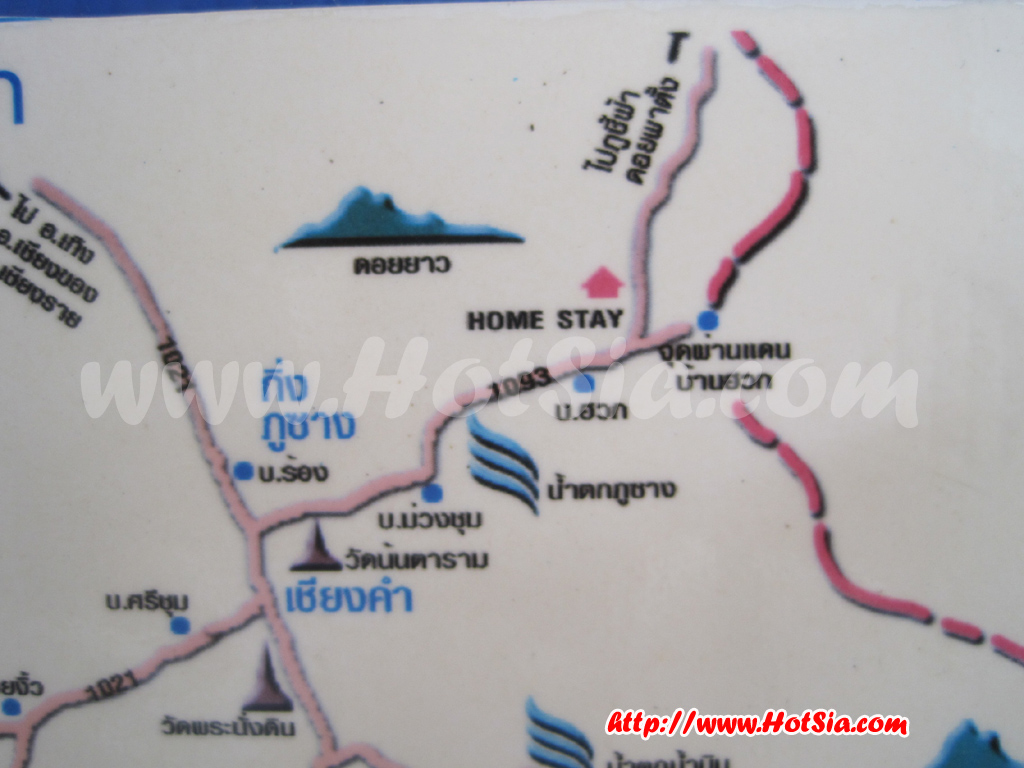
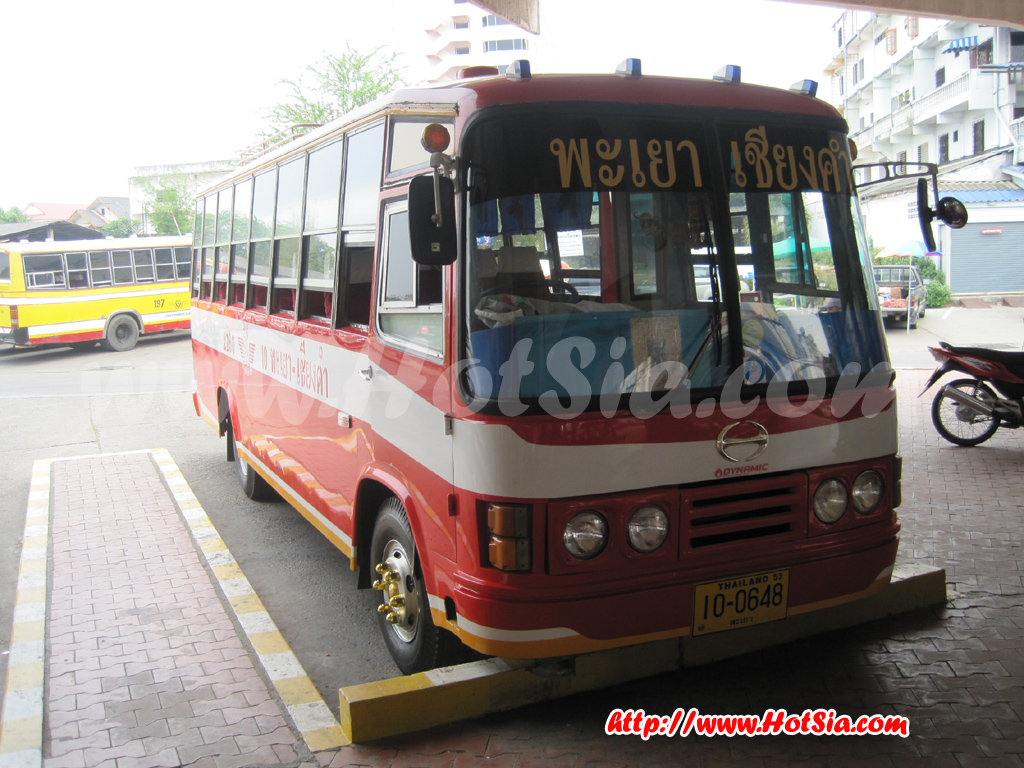
I stumbled upon one by chance and want to share it with friends, making it a new unseen feature on HotSia.com. The vehicle I took from Phayao to Chiang Kham. Looking at the map, Chiang Kham is near the Laos border. For most Thais, the term 'Luang Pho' refers to monks or Buddha images in temples. Today, I traveled by bus to Chiang Kham in the afternoon and found accommodation in the town at Chiang Kham Hotel. The price was affordable, just a few hundred baht.
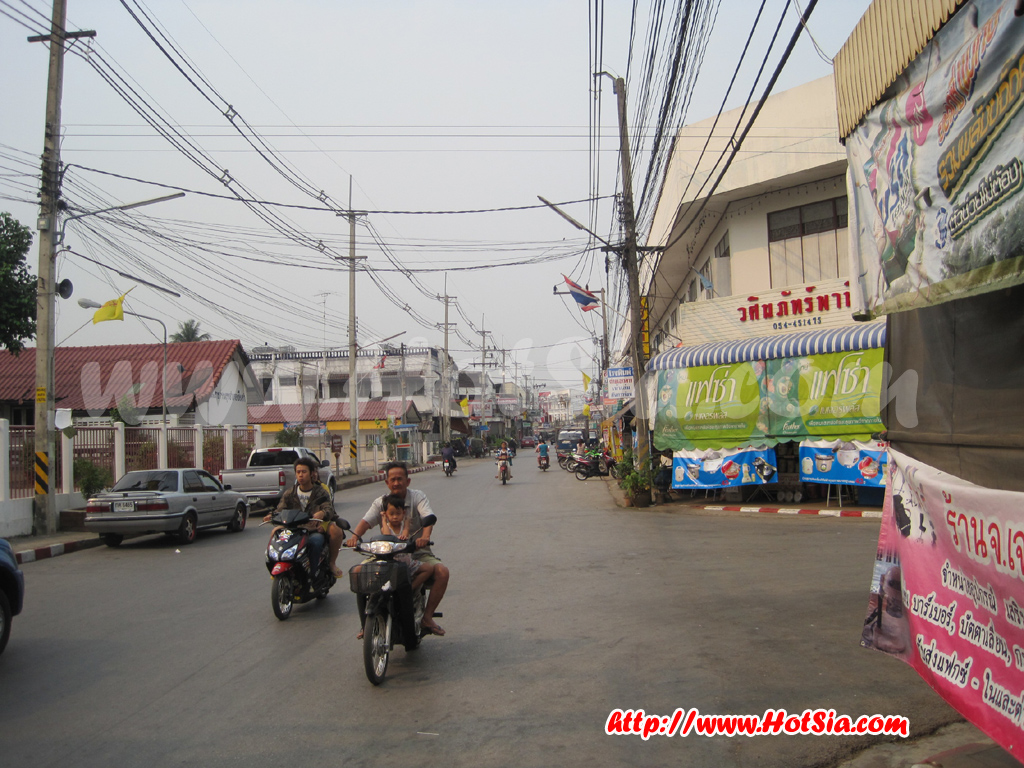
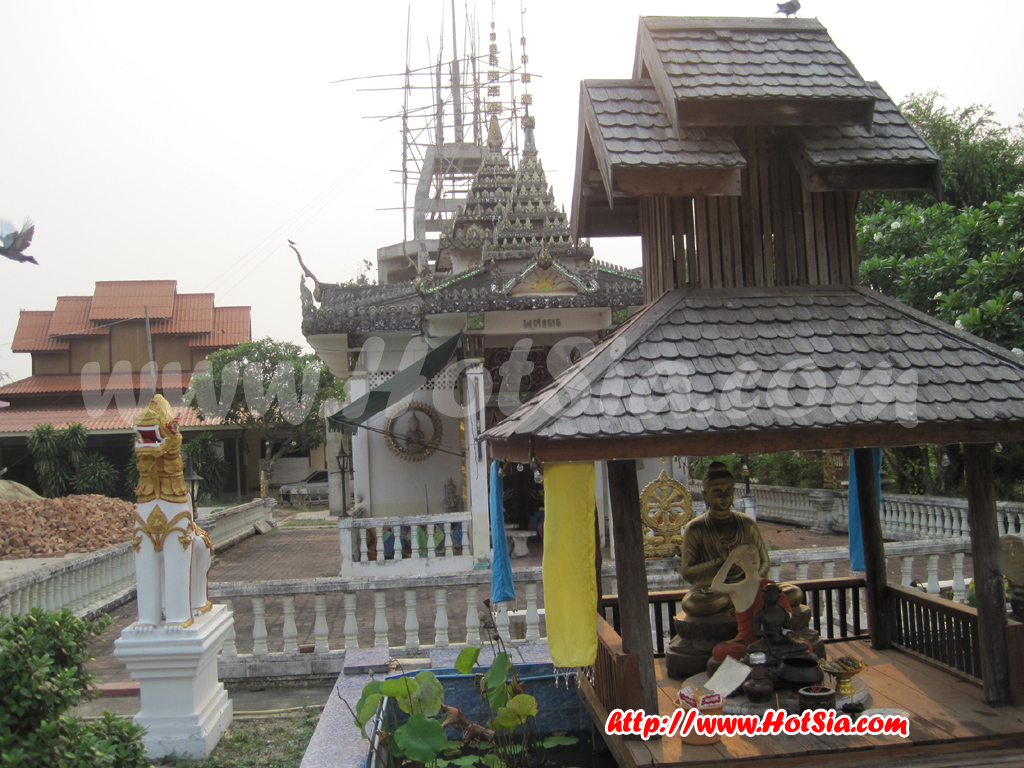
After that, I started exploring Chiang Kham, seeking information at a KFC but only had a drink :) Locals suggested visiting Nantaram Temple, so I walked there to pay respects. The bus route to Chiang Kham is short; the town is quiet and not large. At Nantaram Temple, I discovered a new unseen in Thailand because the Luang Pho Buddha image in the ordination hall has vine patterns and Western-style cupid angels beside it.
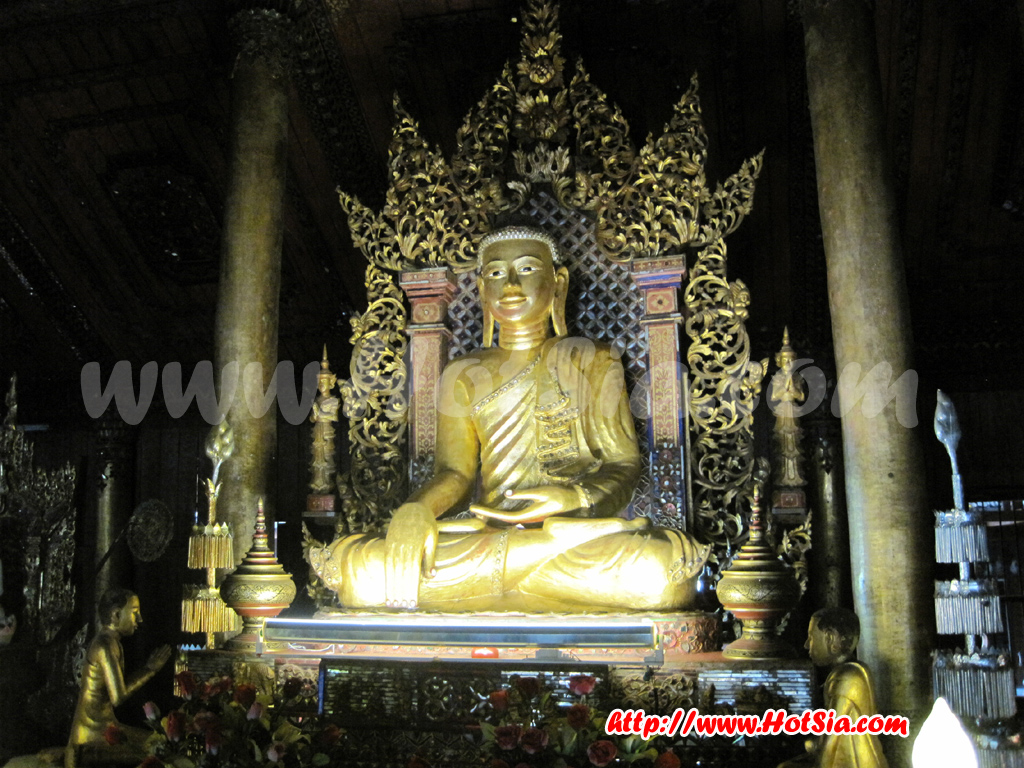
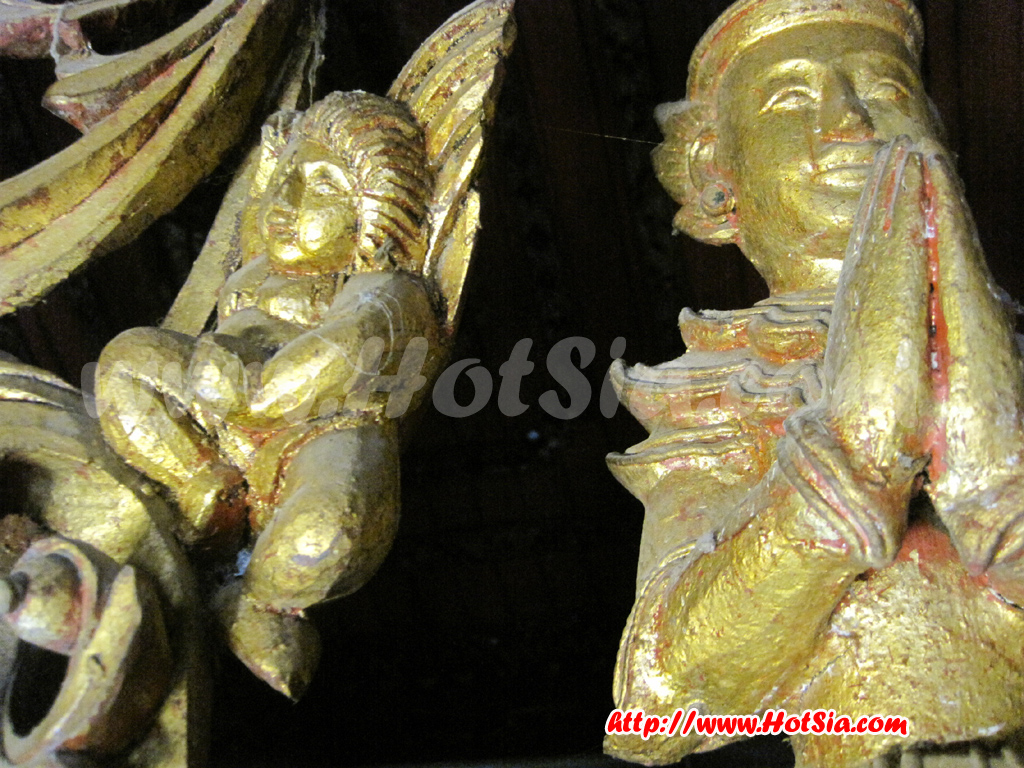
I had never seen a Luang Pho Kamthep like this before, so I was curious and asked the abbot, who clarified that the principal Buddha image has dozens of cupids in the arch. The Buddha image is called the Principal Buddha Image, in the Mara Vichai posture, dressed in Tai Yai style, carved from large golden teak wood, believed to be made in Myanmar, with a 51-inch wide lap.
It stands 9 sok tall from base to top of the ushnisha, enshrined on a wooden lion throne. The uppermost part depicts the Vessantara Jataka story. The wooden panel behind the base is carved in Mandalay style with vine patterns and Western-style cupid angels influenced by Westerners because it was made during the Tai Yai under British rule. This explains the winged child angels attached to the backdrop of the Principal Buddha Image. The Principal Buddha Image, or what I call Luang Pho Kamthep, was brought from Chong Ma Tha Temple.
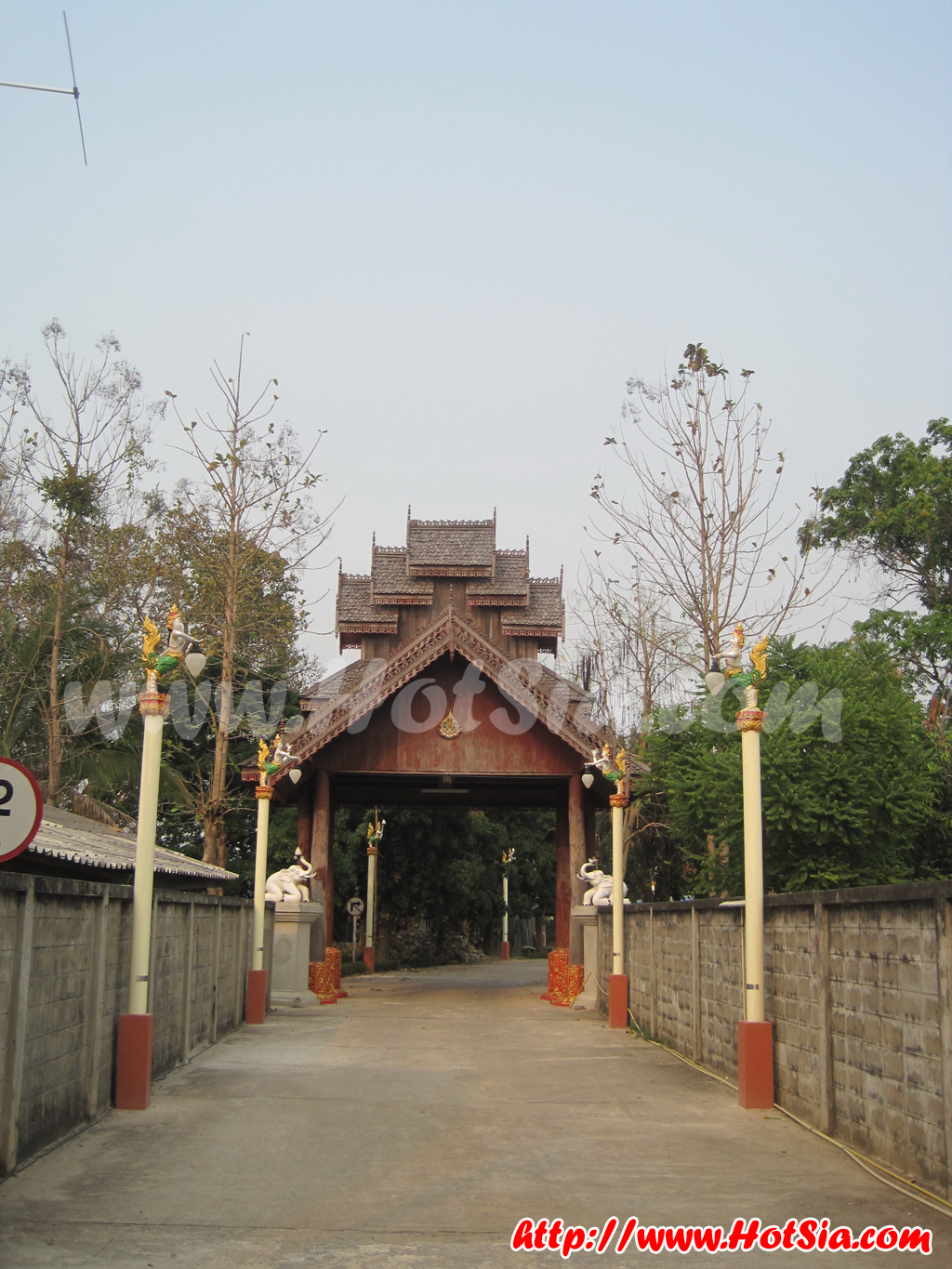
The temple's current location is Ban Don Kaew, Oi Subdistrict, Pong District, Phayao Province. The temple it was brought from is an ancient abandoned Tai Yai temple built by Father Tao Ma Tha. Entrance to Nantaram Temple. Regarding Nantaram Temple's history, where Luang Pho Kamthep is located, it is in Yuan Subdistrict, Chiang Kham District, Phayao Province. The exact founding date is unknown. It is the community temple of the Tai Yai people, originally called Chong Ka Temple because it was thatched with cogon grass (Chong means temple in Tai Yai). The Tai Yai Buddhists built it.
Land was donated by Father Mong Pho Kin, over 3 rai, as the construction site. Father Tao Ubon was the chairman overseeing the construction until completion. It is considered a monastery or hermitage. Locals commonly call it Chong Nuea Temple because it is north of Chiang Kham municipality. For those repeatedly heartbroken, if you have a chance to visit Chiang Kham, try paying respects to this Buddha image. It might boost your confidence.
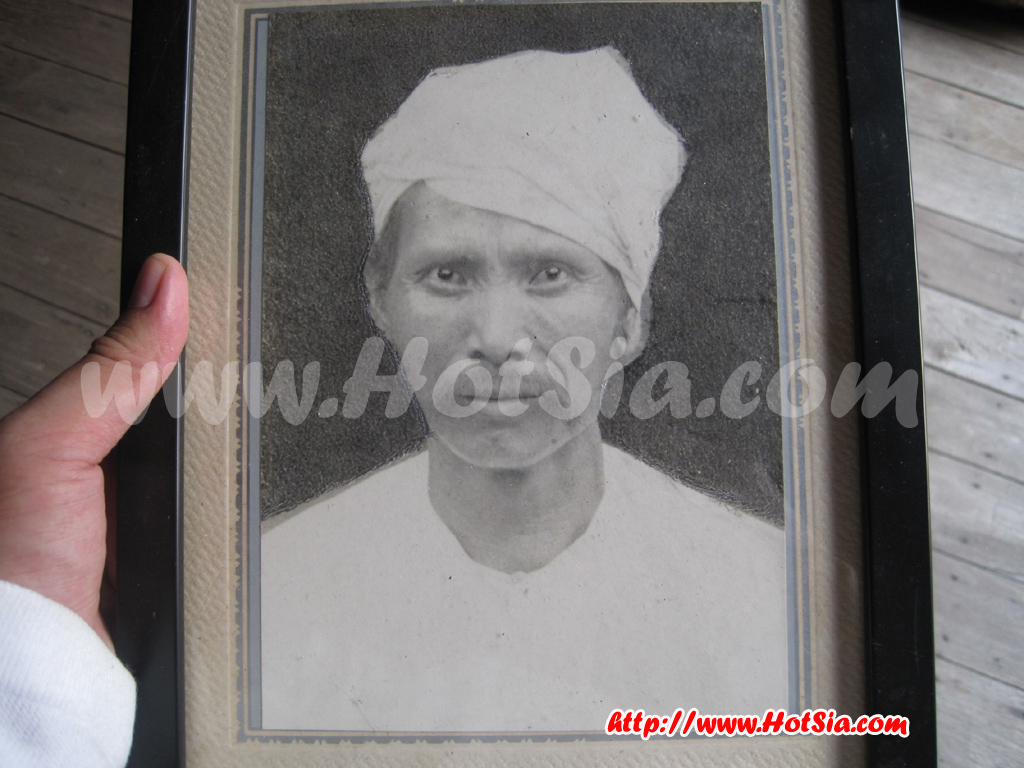
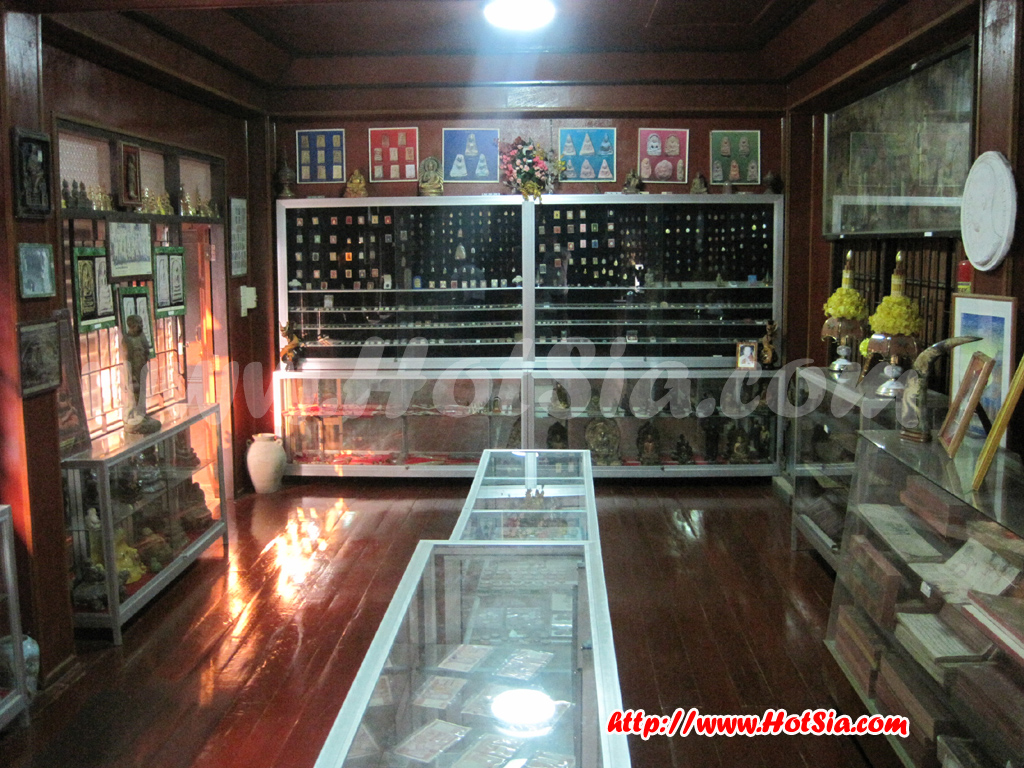
You might not be disappointed or heartbroken again. Such things depend on belief. As the old saying goes, 'If you don't believe, don't disrespect.' Father Tao Nanta U Wong Anan, the temple founder, collected antiques. I paid respects and talked with the abbot about the Tai Lue people, Tai Yai, and Tai Lue cuisine. We talked while touring the temple and antiques collected by the abbot. After that, I respectfully left the temple. At this moment,
I set my goal to stay with the Tai Lue family at Ban Huak tomorrow. I continued walking around Chiang Kham, asking about Ban Huak, bus schedules, and fares to prepare for tomorrow's trip. Chiang Kham is a quiet town near the Laos border, only 30 kilometers from the temporary border checkpoint at Ban Huak. Chiang Kham has a morning fresh market in the town center. Lao people often cross over to Chiang Kham to shop,
making Chiang Kham lively, especially on the 10th, when the border market at Ban Huak is held. This is the Chiang Kham Hotel where I stayed tonight. I had a beer before bed. Chiang Kham District has few accommodations. I recommend staying at Chiang Kham Hotel for convenience. It's easy to get around. At night, there is a noodle shop not far from the hotel where I ate. There are only two bars I saw; I sat at one and drank a bottle of beer before sleeping (after a break).
Tonight I stayed one night in Chiang Kham and woke early to take photos of the morning market to share with friends. Then I traveled to Ban Huak. Follow me for more fun at Ban Huak... Mr.HotSia April 2010. This is dried fermented fish of the Tai Lue people. History of Nantaram Temple, Chiang Kham District, Phayao Province. Located near Chiang Kham municipality market. The exact founding date is unknown. It is the community temple of the Tai Yai people, originally called Chong Ka Temple,
because it was thatched with cogon grass (Chong means temple in Tai Yai). Tai Yai Buddhists built it. Land was donated by Father Mong Pho Kin, over 3 rai, as the construction site. Father Tao Ubon was chairman overseeing construction until completion. It is considered a monastery or hermitage. Locals call it Chong Nuea Temple because it is north of Chiang Kham municipality. A wooden viharn was built in 1924. Lady Jam Heng donated land
of 5 rai, 1 ngan, 72 square wah to expand the temple grounds, totaling 8 rai, 1 ngan, 72 square wah. The current viharn was funded and renovated by Father Tao Nanta (U) Wong Anan, a wealthy Tai Yai patron devoted to supporting Buddhism. He sponsored the construction of a new wooden viharn replacing the thatched one, hiring Tai Yai craftsmen to design and build a fully wooden viharn in Tai Yai style with a tiered front roof.