ไทย
ไทย

Phayao Ban Huak Homestay
Ban Huak Homestay, Ban Huak Ozone Valley http://www.hotsia.com > Mr. Hotsia explores Phayao city and beyond. Boat trip to see lotus flowers at Kwan Phayao, traditional Kalamae sweets in Chiang Kham, Kwan Phayao viewpoint, Kwan Phayao walking street, Luang Pho Kamthep at Nantaram Temple, solo adventure homestay trip, Miao (Yao) homestay, wild bee catching and tasting at Ban Pa Daeng, Ban Huak Ozone Valley #1 Ban Huak Ozone Valley Homestay 2. Ride a tractor to search for shellfish and fish at Ban Huak, Chiang Kham Ozone Valley.
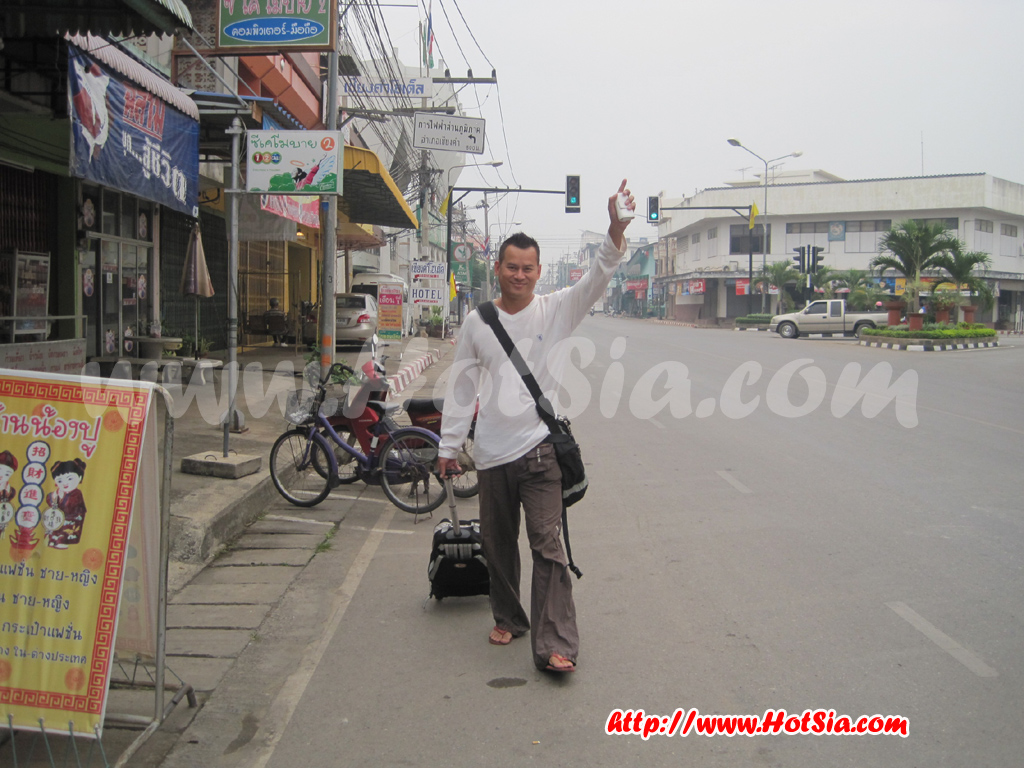
After visiting the Chiang Kham morning market, I packed my things at the hotel and waited for a small bus near the market to travel to Ban Huak. My destination was to stay with the Tai Lue community at Ban Huak. However, after talking with Uncle Boonyuen Khemtong, the bus driver who took me to Ban Huak, he told me that the Tai Lue village at Ban Huak is not very interesting anymore because the houses and lifestyles have changed.
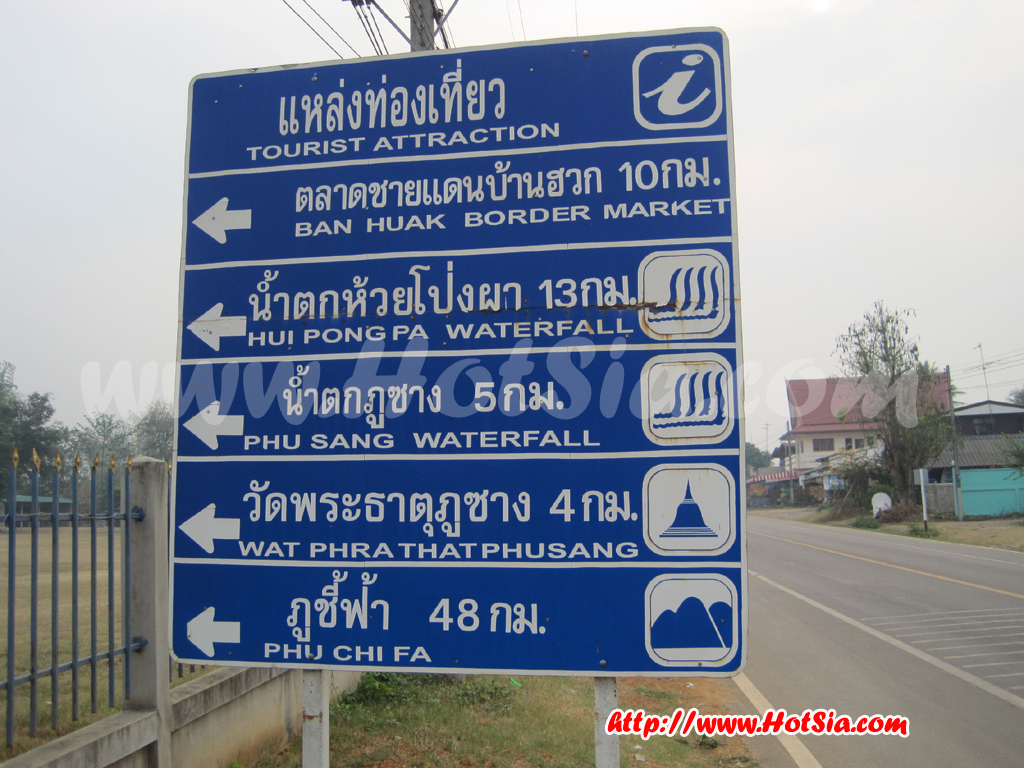
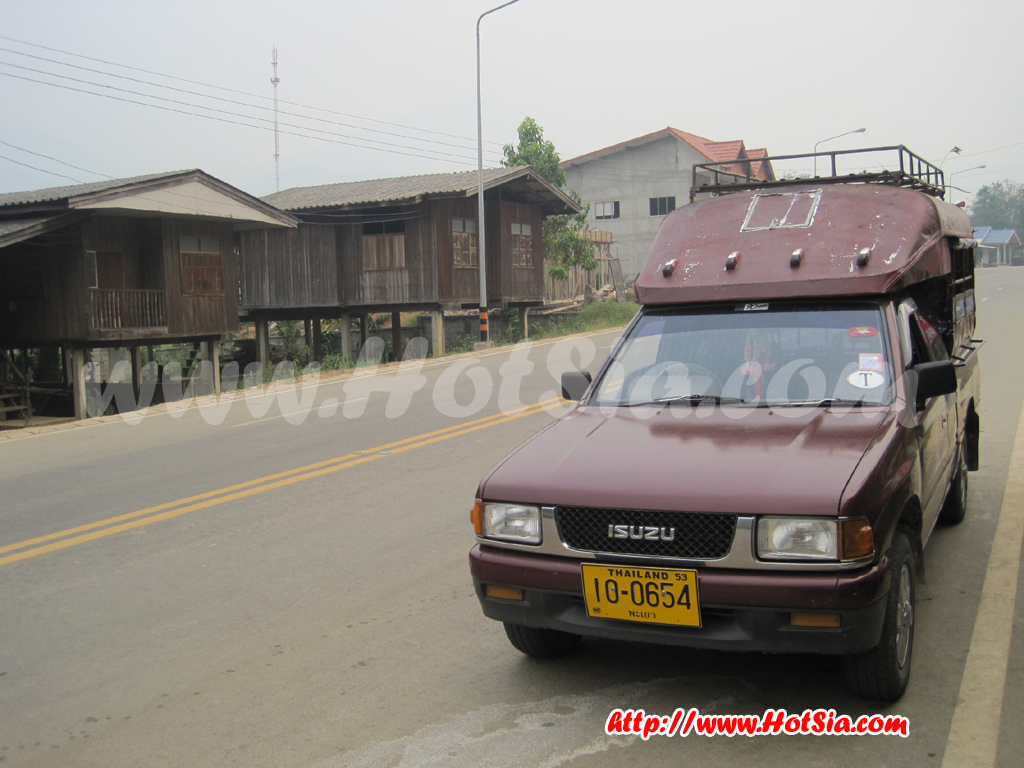
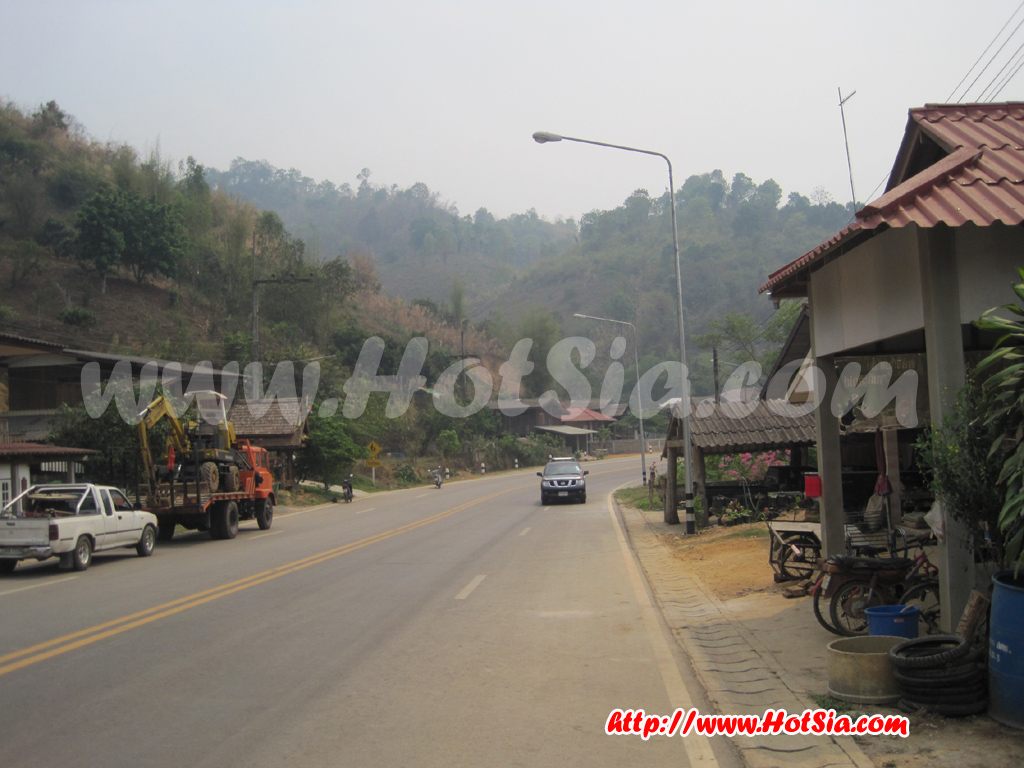
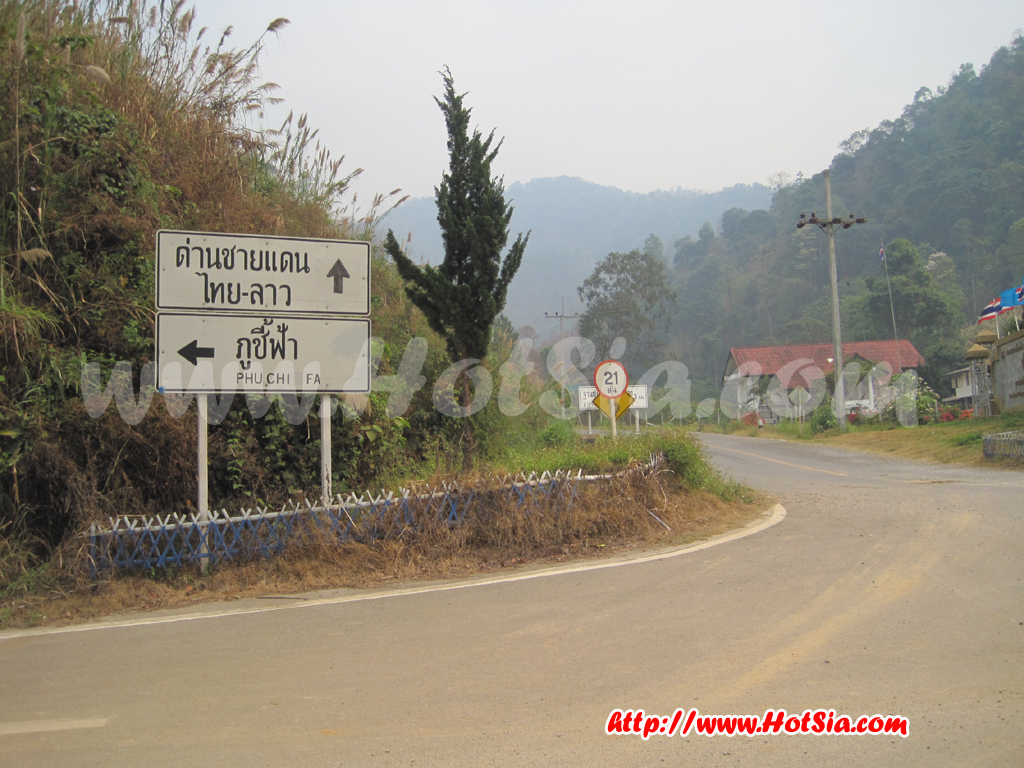
So I changed my plan to stay at Ban Huak near the Laos border instead. I chatted with Uncle during the 30-kilometer ride, paying 50 baht. Leaving Chiang Kham town towards Ban Huak, which is only 30 kilometers from Phu Chi Fa. When the red songthaew neared Ban Huak near Phu Sang waterfall, I felt the cool and refreshing air. The weather is truly wonderful because the area is surrounded by forested mountains at high altitude, making Ban Huak cool all year round.
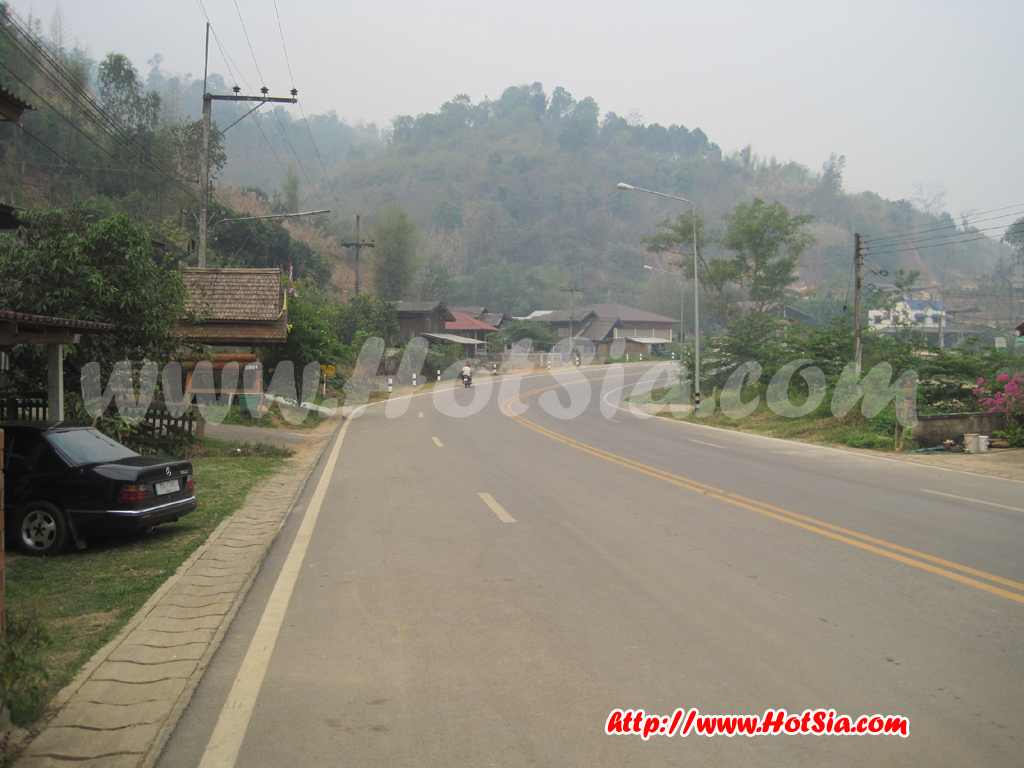
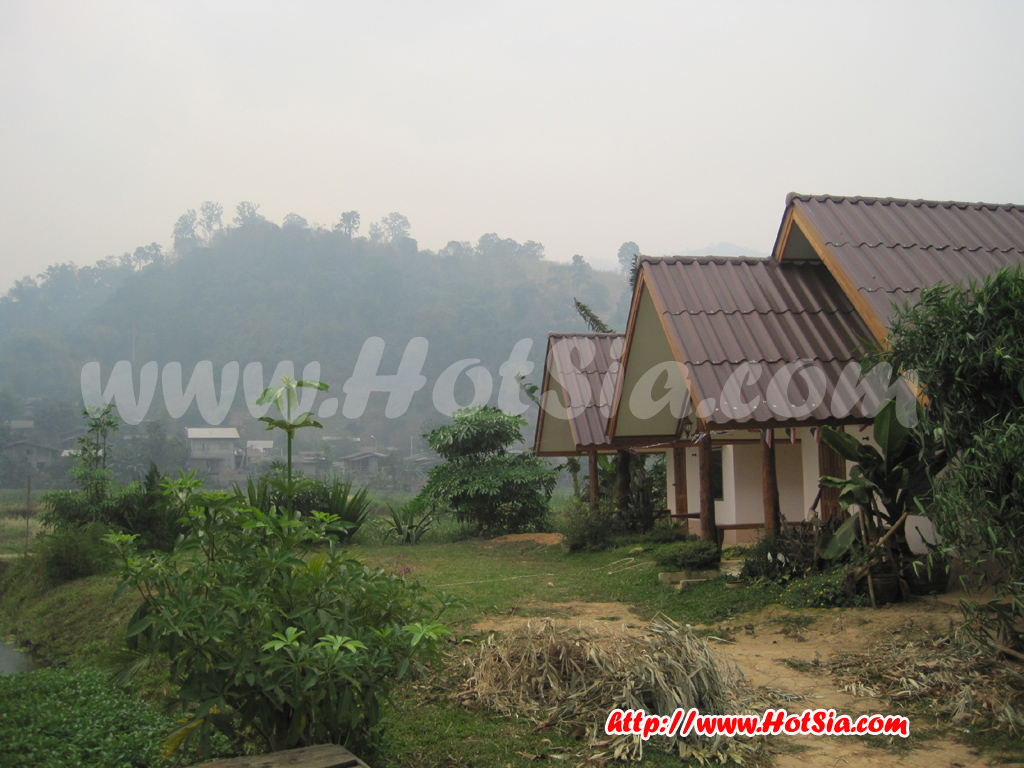
It is truly cool, not just words. This village is perfect for a homestay. Upon arrival at Ban Huak, I was impressed by the scenery. The villagers' houses are old wooden structures with cool air. I think even Pai, known for its charm, would be outshined by Ban Huak. Ban Huak Ozone Valley, Chiang Kham. Although the paved road reaches the village, the nature remains unchanged. Ban Huak is a village located on the Thai-Laos border.
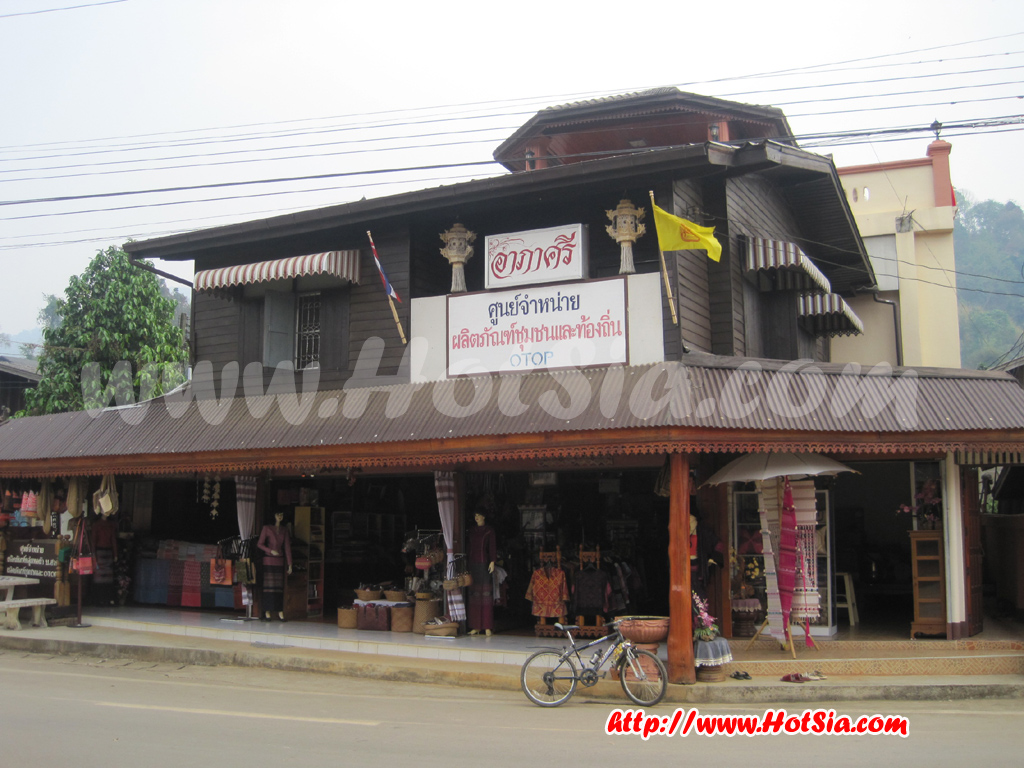
Most villagers are farmers, growing rice, field crops, and orchards. They trade goods with Laotian people, holding markets on the 10th, 20th, and 30th of every month. This allows tourists to stop by to buy souvenirs or simply rest and observe the local lifestyle along the border when returning from Phu Chi Fa and Pha Tang.
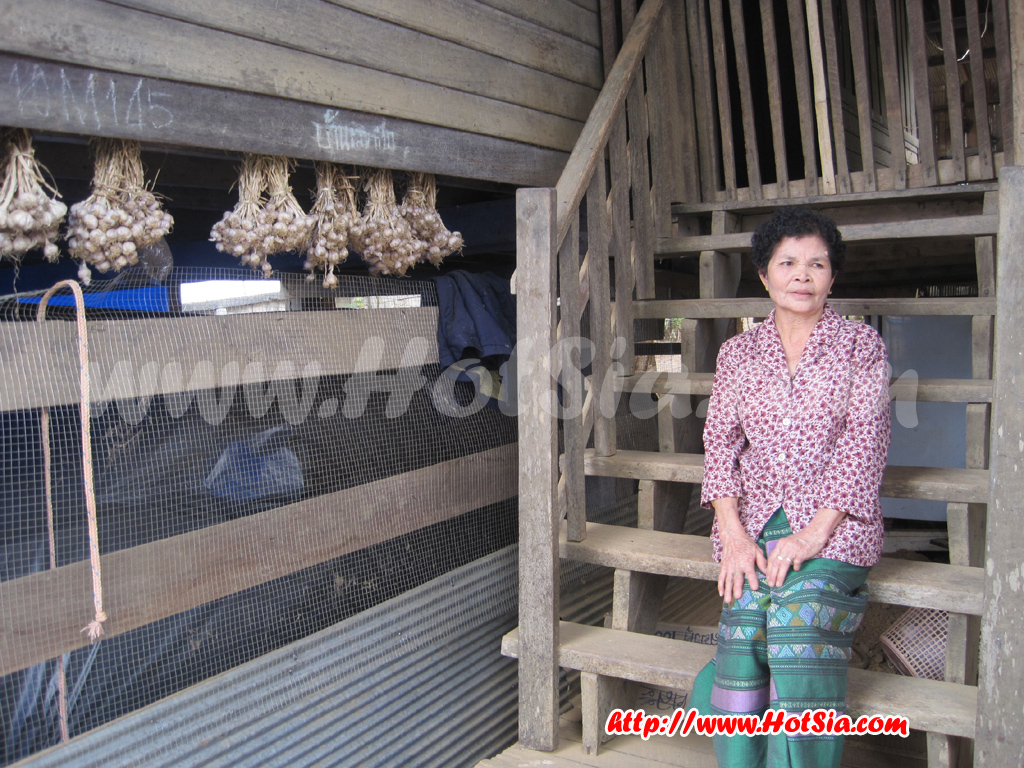
The weather at Ban Huak is pleasant all year, never hot, and it is an ozone-rich area. I call Ban Huak an ozone valley. One proof of the good air quality is that Ban Huak is home to native turtles called 'Tua Pulu'. Anyone visiting Phu Chi Fa should spend at least one night here. Ban Huak Ozone Valley, Chiang Kham. I walked around Ban Huak village for a while, chatting with locals, when I saw a tractor passing by and asked where they were going.
They said they were going to search for shellfish and fish. I immediately asked to join them. The man I went with, later known as Uncle Paiyap, is a mechanic who owns this tractor used for general hauling. The tractor took me winding along the hillside for about 5 kilometers to a medium-sized reservoir. Then Uncle Paiyap and three others got into the water to search for shellfish. I was eager to join them.
I didn’t hesitate. When in Rome, do as the Romans do. I followed them into the water to search for shellfish. The shellfish are called 'Kan'. To find them, you step on the riverbed; if you feel something hard, you dive down to collect them. I can’t dive well, not because I don’t know how, but because I had to hold a camera, so I used my feet to pick them up. After about an hour, I found about 5 shellfish, while my companion got dozens.
Most of the shellfish caught are sold, with only a few kept for personal consumption. I got tired of searching and swam over to talk with Uncle Paiyap, who was setting fish traps in the water. From our conversation, I learned about the villagers' lives at Ban Huak. Most farm rice and crops. Uncle Paiyap works day-to-day; for example, today he caught 4-5 Nile tilapia, which is enough to eat. Some days he catches nothing and uses savings to buy pork.
Chickens are raised only for special occasions or when there is nothing else to eat. Uncle Paiyap is a wood furniture craftsman. I talked with him until we felt comfortable, and I asked to stay at his house. He agreed, saying, 'Stay as you are if you can. I'm glad you came to stay.' Uncle Paiyap was repairing fish traps. After fishing and shellfish gathering, he grilled the shellfish and prepared fresh Nile tilapia without killing them first, as killing them would reduce the sweetness of the meat.
The filleted Nile tilapia is cut into small pieces and immediately squeezed with lime juice to remove the blood. Then it is seasoned with shallots, lemongrass, and other ingredients I can’t recall. This dish is very delicious and is called 'Sa Pla'. It was incredibly tasty for me. Honestly, I had never tried Sa Pla before. 'I like it, brother. It’s very delicious,' I told Uncle Paiyap. He then poured me some herbal infused liquor to drink with the Sa Pla. It was amazing, dear readers.
"After a tiring day of fishing and shellfish gathering, we gather around to eat Sa Pla by the reservoir. It tastes best here; eating it elsewhere isn’t as good," Uncle Paiyap told me. He calls this way of eating 'Kin Khao Pa' (eating forest news). On his days off, he often does this. He says it’s fun and a way for farmers to relax. Cicada nymphs or fried cicada pupae are edible? Click the image to see a larger photo. After eating, we chatted while grilling more shellfish.
I found the shellfish a bit too chewy and not very tasty, so I only ate Sa Pla. After eating and chatting, the lady invited me to catch cicada pupae. Wow, what is that? Is it edible? I didn’t know such food existed before, so I went to take photos to share. Cicada pupae or cicada aphids live in forests, where they form white web-like clusters. To catch them, you use a fine mesh net or a fertilizer bag to sweep and then pick the whole cluster into a bag.
Uncle Paiyap said these cicada aphids are rare to find. When eaten, they are roasted and enjoyed with liquor or rice, tasting excellent. Even the villagers who came with us didn’t know about this dish. It’s truly amazing. I will tell you how it tastes because they hadn’t roasted it yet; they planned to do so later. Tonight, after a tiring day of fishing and shellfish gathering, Uncle Paiyap’s wife cooked another meal for me. This time I ate until full because it was delicious. After chatting for a while, I went to rest.