ไทย
ไทย

Samut Prakan Pi Phat Ensemble, Nang Hong Pi Phat, Mon Pi Phat
Pi Phat Ensemble, Nang Hong Pi Phat, Mon Pi Phat http://www.hotsia.com > Samut Prakan > Pi Phat Ensemble, Nang Hong Pi Phat, Mon Pi Phat Travel information about Samut Prakan by Mr.Hotsia Lotus Throwing Ceremony - Bang Phli Lotus Receiving, Hia Dam Noodle Bang Bo, Idiot Catching Contest with An Nae Mr.Hotsia recommends good and affordable hotels with discounts in Samut Prakan Introducing various types of Pi Phat ensembles that many people still confuse. Following the funeral ceremony on August 26 for my father, "Khun Por Thongui Panmanee"
and the cremation on August 27, 2011, I wondered how many types of Pi Phat ensembles there are, what they are, and how each differs. This also serves as a memorial on the internet for my father's funeral. The ensemble consists of percussion, wind, and rhythm instruments used in royal ceremonies and various rites. They are divided into 3 sizes: - Ten-instrument Pi Phat ensemble including Ranad Ek, large gong circle, Pi Nai, ching, taphon, and klong that. The five-instrument Pi Phat ensemble is divided into 2 types:
- Heavy five-instrument Pi Phat used for performances or ceremonies, consisting of large gong circle, Pi Nai, klong that, taphon, and ching. - Light five-instrument Pi Phat consisting of chatri drum, paired gongs, ching, Pi, and thap or tone. - Paired-instrument Pi Phat similar to the five-instrument ensemble but adds a low ranad and small gong.
- Large-instrument Pi Phat similar to the paired-instrument ensemble but adds steel ranad ek and steel low ranad. Additionally, there are three major types of Pi Phat ensembles: Nang Hong Pi Phat, Mon Pi Phat, and Ancient Pi Phat. The Ancient Pi Phat is a type that combines the hard wood Pi Phat with the Bua Loy ensemble, modifying as follows: using Malay drums instead of taphon and klong that (sometimes klong that replaces Malay drums),
using Pi Chawa instead of Pi Nai, removing the meng gong because ching controls the rhythm. The name Nang Hong Pi Phat comes from the song played called "Nang Hong" and is used only for funerals. It is less popular now as Mon Pi Phat has become preferred. Originally, Nang Hong Pi Phat was used for commoners' funerals, later adapted for royal funeral rites and cremation ceremonies.
During the royal funeral of Her Royal Highness Princess Srinagarindra, the Princess Mother, and Her Royal Highness Princess Maha Chakri Sirindhorn, it was desired to use the Nang Hong Pi Phat of the Fine Arts Department to play after the royal ceremonial music of the Royal Household Bureau. This was the first time Nang Hong Pi Phat was used in a royal funeral. It is a musical ensemble accompanied by Mon people who migrated to Thailand, consisting of instruments influenced by Mon culture including Mon Pi, Mon gong, Mon taphon, Poeng Mang Kok, and Rao gong.
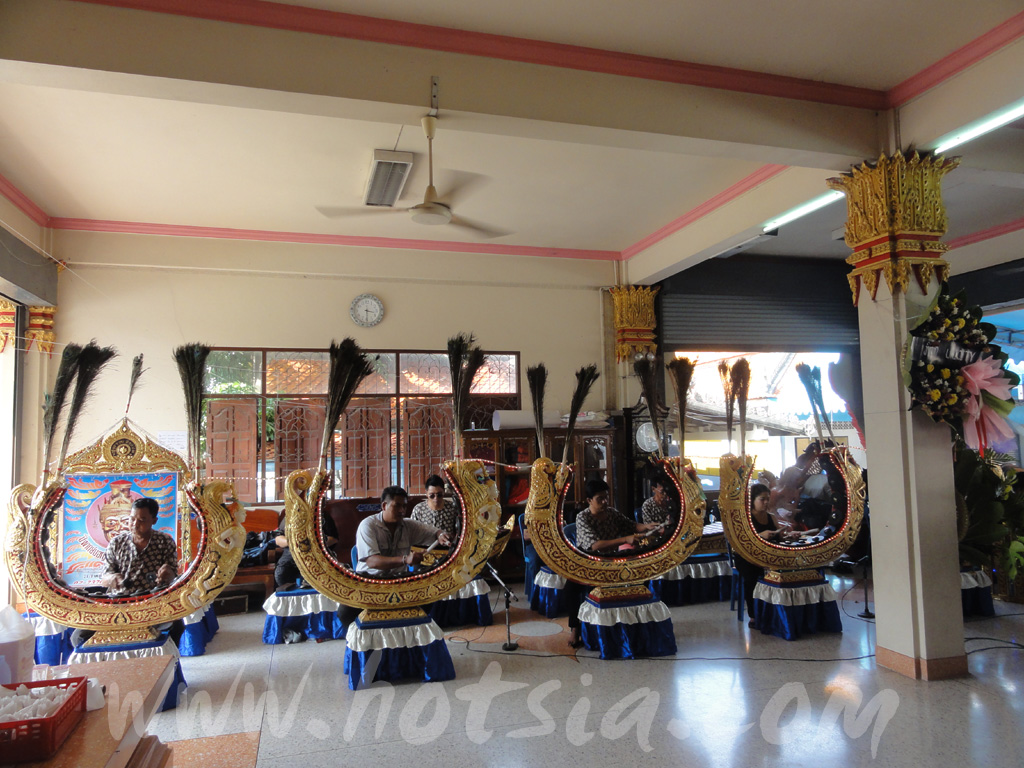
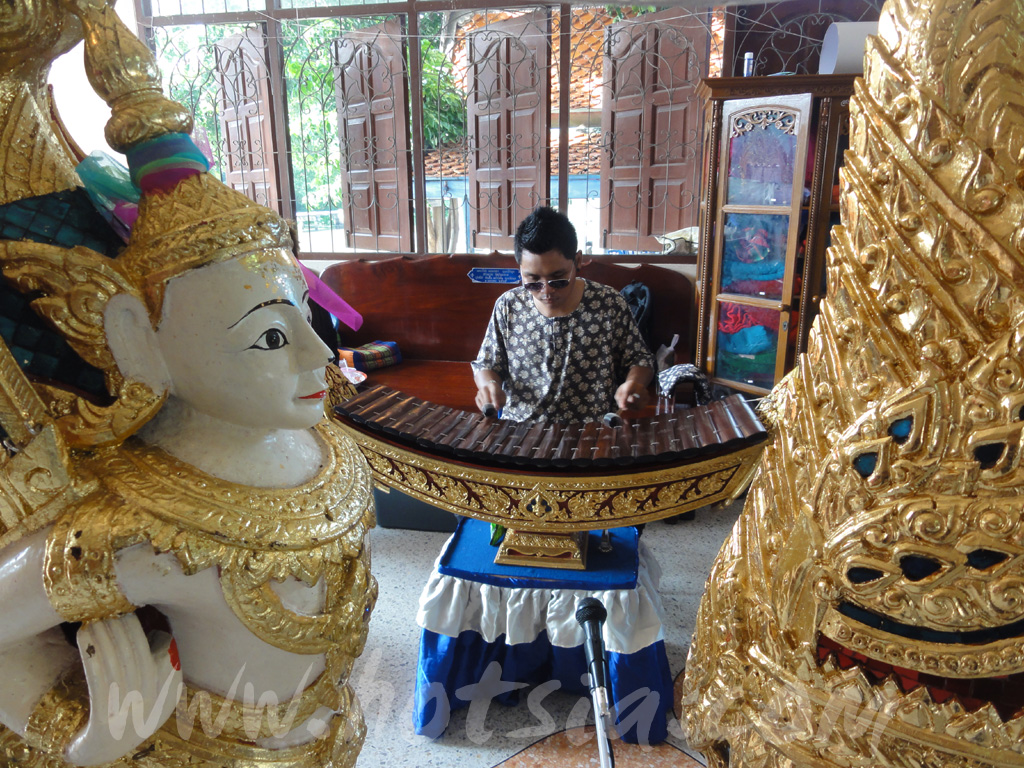
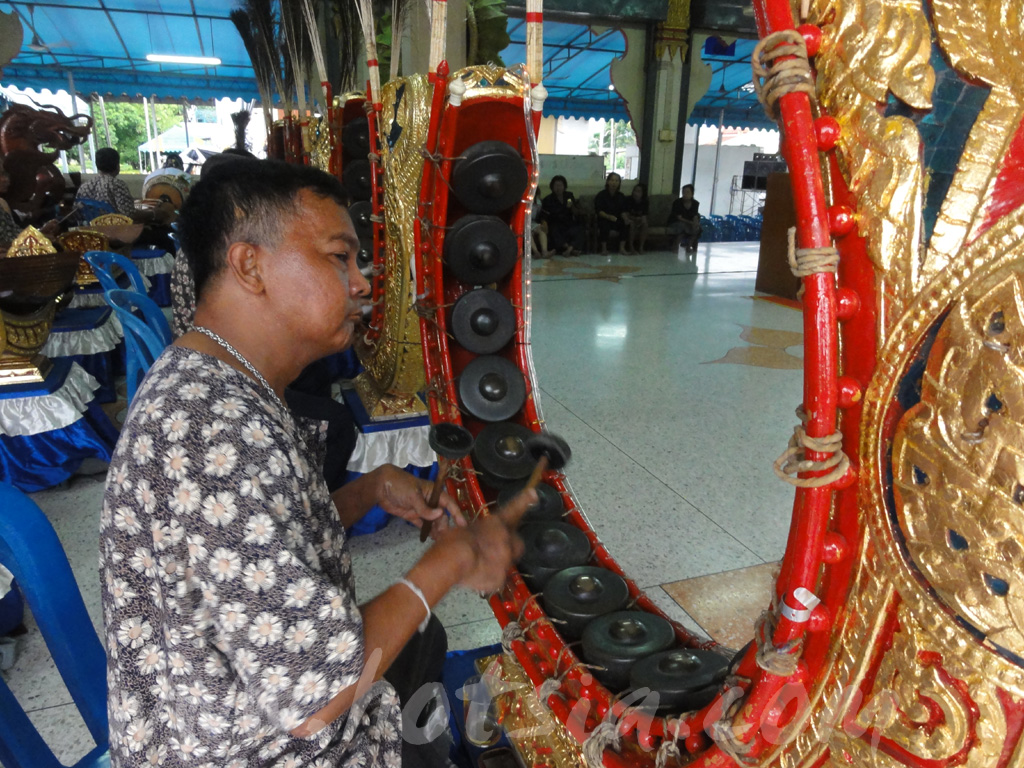
Mon Pi Phat has 3 sizes similar to the Thai hard wood Pi Phat as follows: - Five-instrument Mon Pi Phat consisting of Ranad Ek, Mon Pi, large Mon gong, Mon taphon, Poeng Mang Kok, and rhythm instruments ching and - Paired-instrument Mon Pi Phat similar to the five-instrument but adds low ranad and small Mon gong. - Large-instrument Mon Pi Phat similar to the paired-instrument but adds steel ranad ek and steel low ranad.
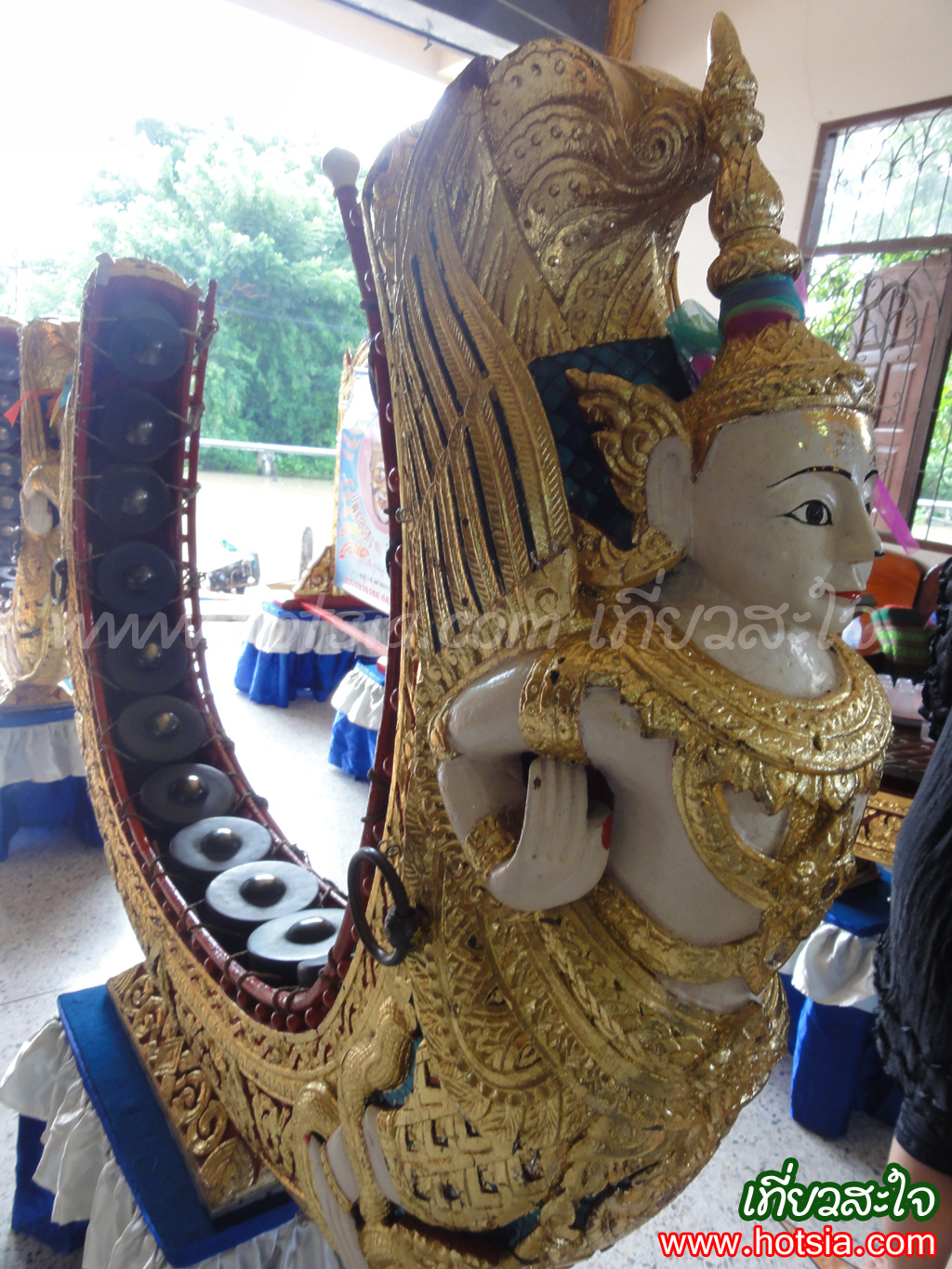
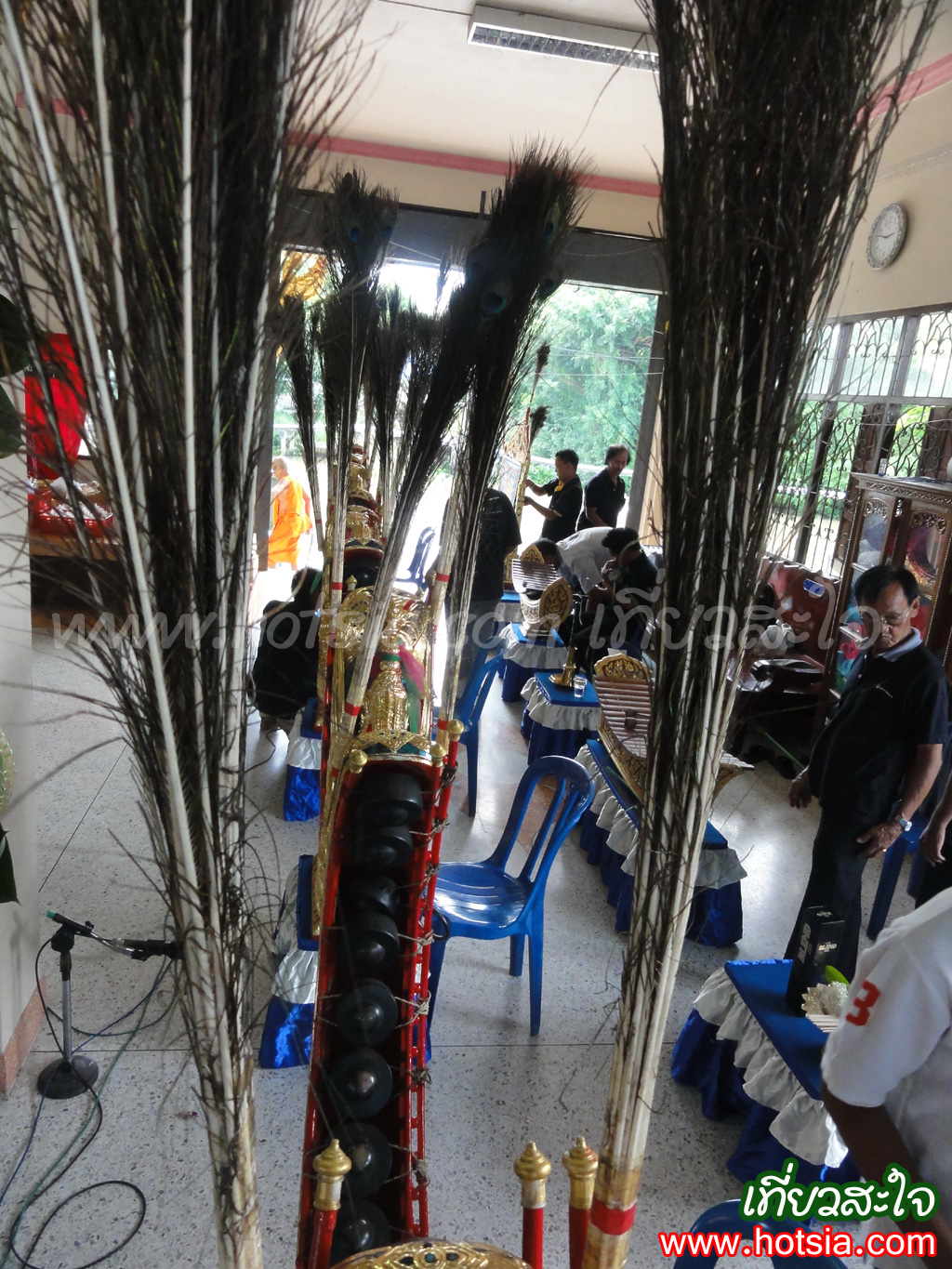
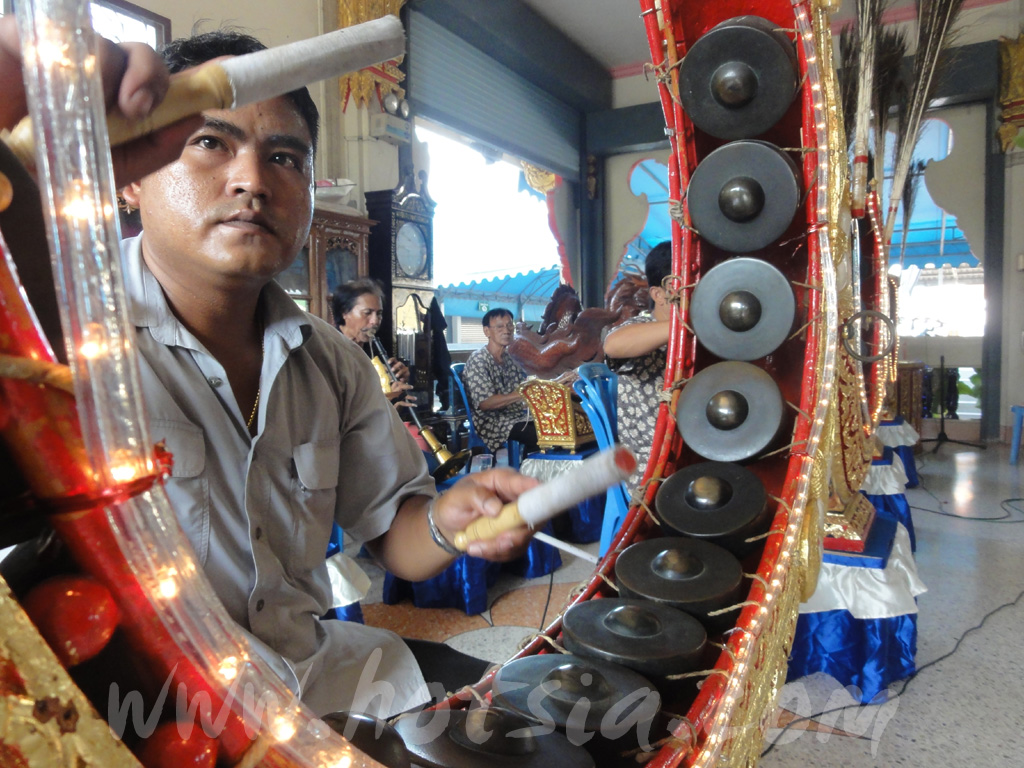
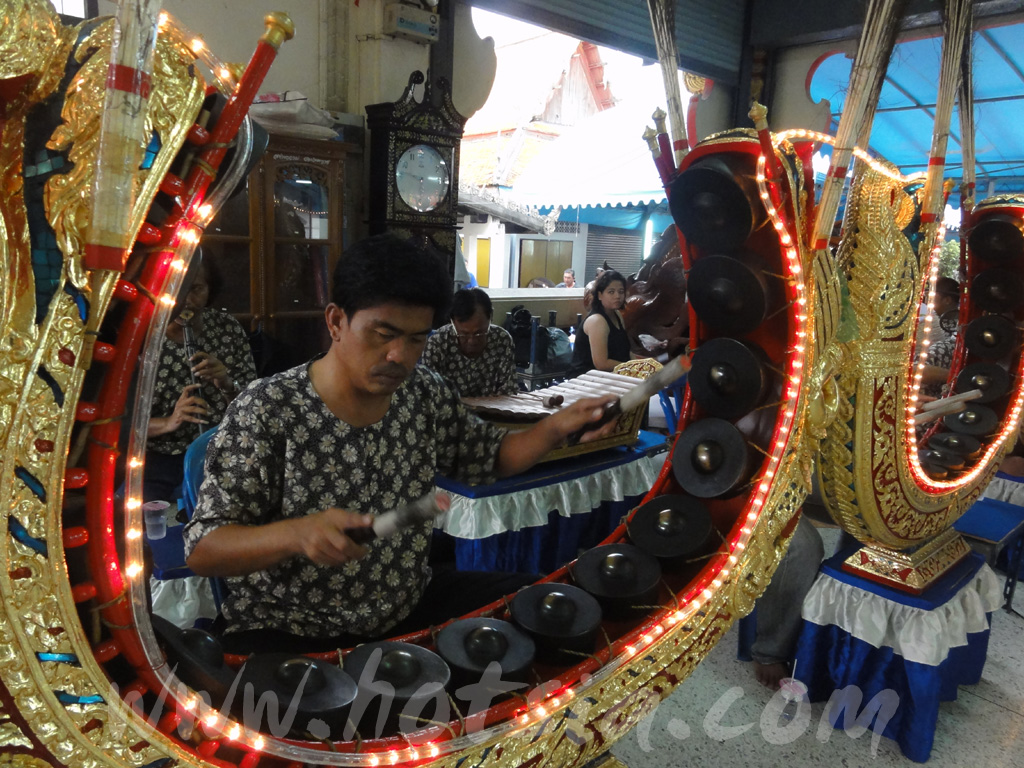
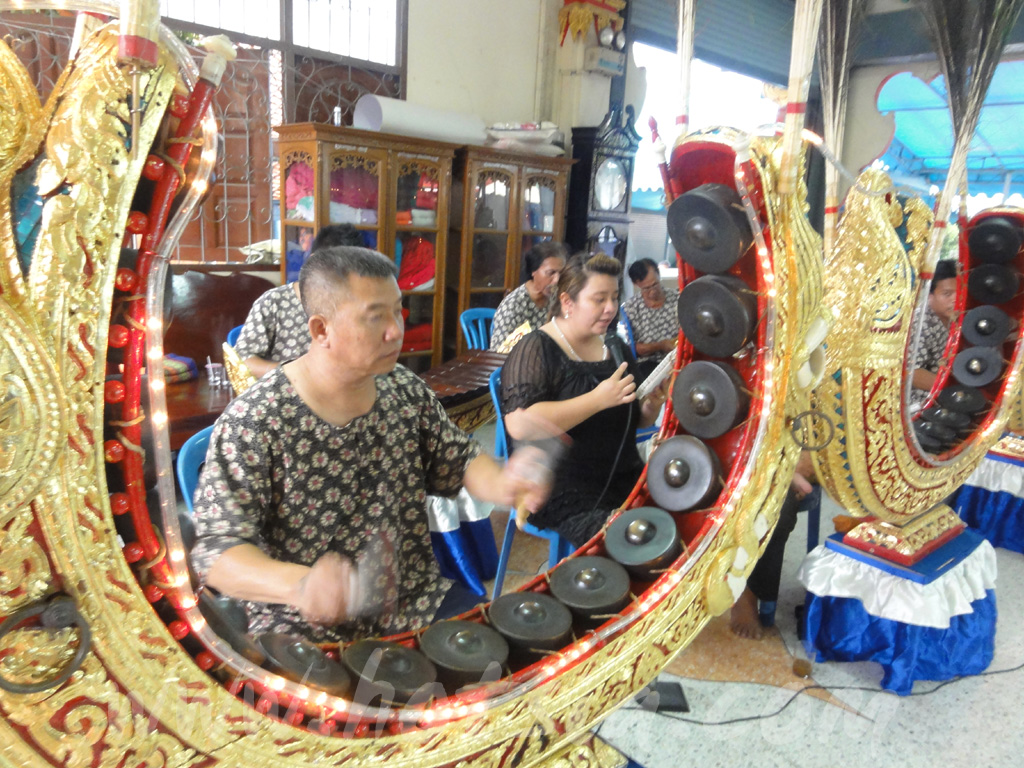
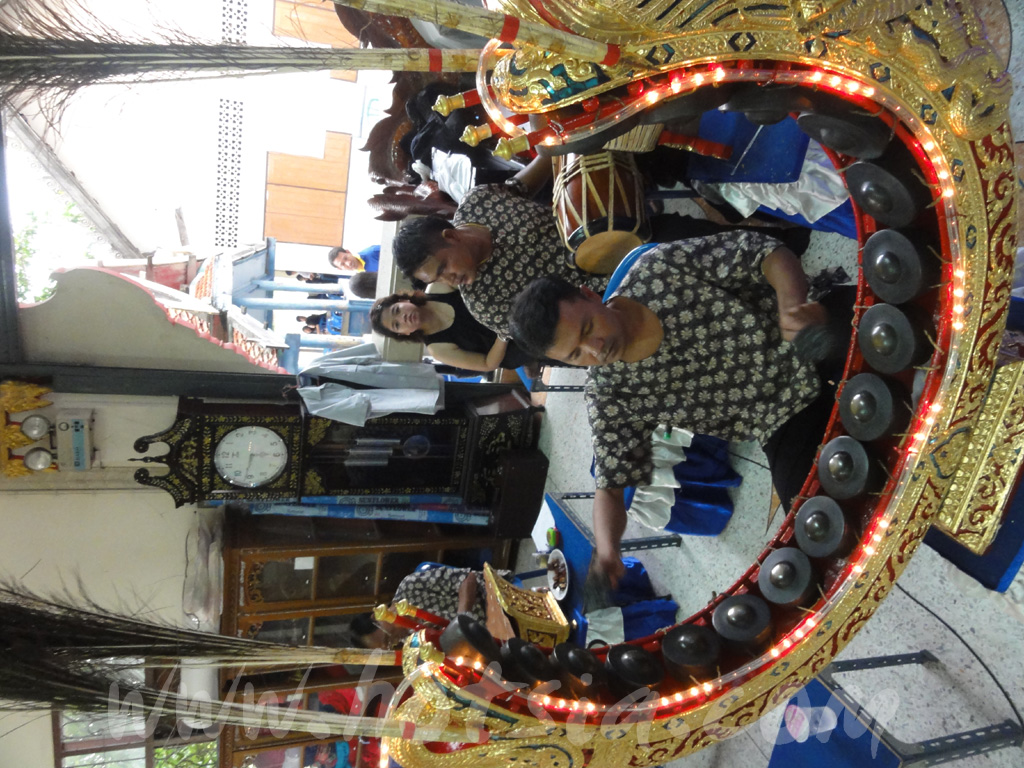
Mon Pi Phat arranges the ensemble differently from Thai Pi Phat by placing the Mon gong at the front. The reason for this arrangement is unclear; some say it is for aesthetic appeal from the front, others say it honors Mon culture, or because the Mon gong leads the musical phrase like the Ranad Ek. Current development: Mon Pi Phat has greatly expanded into a special large Mon Pi Phat ensemble, sometimes with up to 10 or more Mon gongs, symbolizing not only funeral music but also the deceased's honor. Besides adding more Mon gongs, instrument shapes have been modified to suit the ensemble by making the Ranad Ek and low ranad resemble the Mon gong but smaller.
Ancient Pi Phat originated during the reign of King Chulalongkorn, influenced by European opera, developed by Chaophraya Thewet Wongwiwat (M.R. Lan Kunchorn) and HRH Prince Naritsaranuwat. The name "Ancient" comes from the theater name of Chaophraya Thewet, naming the ensemble after the theater. The Pi Phat played at my father's funeral was Mon Pi Phat. In my hometown, Ban Rakat, Bang Bo, it may have been influenced by Mon culture. My favorite instrument in the ensemble is Poeng Mang Kok, a Mon instrument consisting of seven drums of different sizes tied together in one set.
The seven Poeng Mang drums range from large to small, covered with two skins, tightened with strings along the drumhead. When played, sticky rice mixed with ash is applied to the center before playing. Each drum has a hanging ring. The Poeng Mang frame is made of three connected curved sections with hooks or pins to hang the drums, forming almost a full circle with space for the player in the center. History: Because it has seven Poeng Mang drums and one frame, this instrument is called Poeng Mang Kok. Originally a Mon instrument played in Mon Pi Phat ensembles, later adopted by Thais since the Ayutthaya period.
Father toils in the fields, fishes to sell, sends children to study far away, father's heart hopes. Building a house, heavy work beyond strength, reaching the shore, children succeed, family honor. Deep sorrow, crying, broken heart. Today father passes away, vanishes. May merit support through grief, increasing merit, sending father to a good realm. Credit: Poet Maliwan. This is the Ranad Ek prelude played by Champ, 5-time contestant on Khun Phra Chuay show. Poeng Mang Kok clip is very exciting. Mon Pi Phat ensemble performance. GPS coordinates: 13 34 22.71 N, 100 52 51.912 E
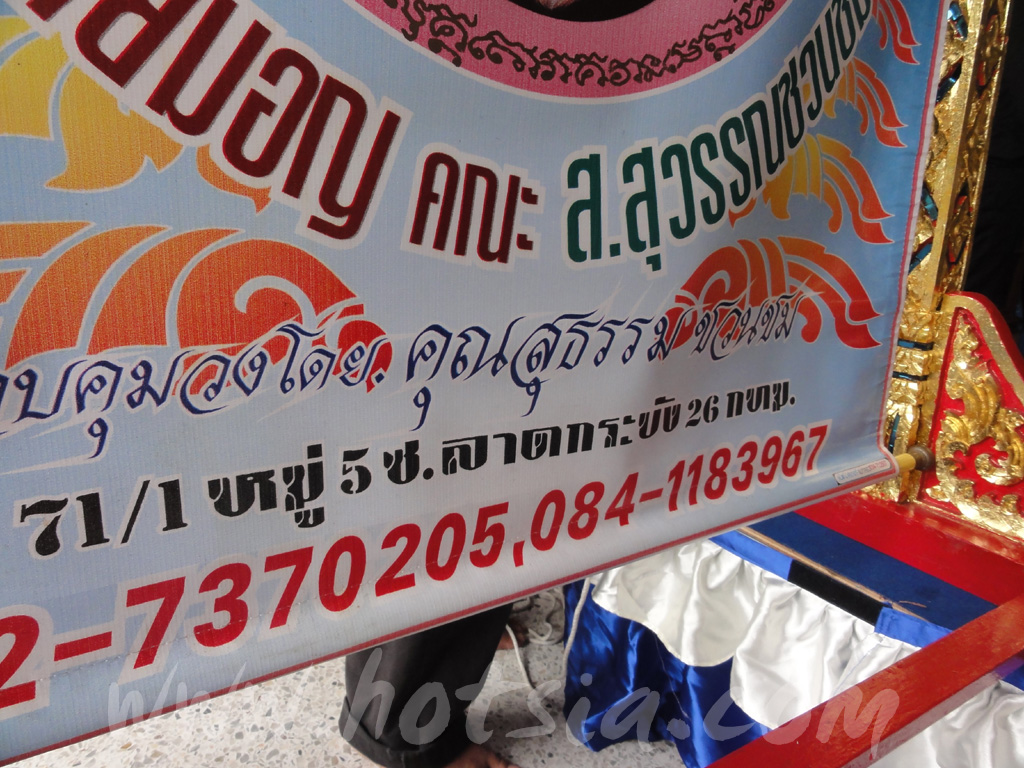
Merit-making and monk feeding at Wat Phlo, Ban Rakat Temple, 26 years of Mon Pi Phat troupe S. Suwan Chuan Chom, conducted by Khun Sutham Chuan Chom, disciple of Luang Pradit Phairoh (Sorn who played at Mr.Hotsia's father's funeral). For inquiries contact Khun Moo 086-7709739, mention Mr.Hotsia's recommendation. GPS: 13 34 22.392 N, 100 52 52.458 E Prepare lotus flowers for worship 13 34 22.44 N, 100 52 52.998 E 13 34 22.818 N, 100 52 52.409 E Old teacher Piep at Ban Rakat Temple, sandalwood flowers on merit day.
Samut Prakan Pi Phat Ensemble, Nang Hong Pi Phat, Mon Pi Phat Image 2
Samut Prakan Pi Phat Ensemble, Nang Hong Pi Phat, Mon Pi Phat Image 3