ไทย
ไทย

Travel to Xayaburi: Gold Panning on the Mekong River
Project gen by hotsia
http://www.hotsia.com > Travel to Xayaburi > Gold Panning on the Mekong River Other trips of mine in Xayaburi, Lao Xayaburi, very delicious. Food of the Xaya people. Travel from Xaya to Luang Prabang. Stayed at Nok Noi Guesthouse, with a friendly kitchen. Support exciting AEC travel. Phou Du border crossing to Laos. Paklai Southern Bus Station. Food of Paklai people. City of Khop, City of Chiang Hon. Stayed at Nok Noi Guesthouse. International border at Huay Kon - Namngen. Homestay at Ban Tha Suang and Ban Pak Ngum Homestay.
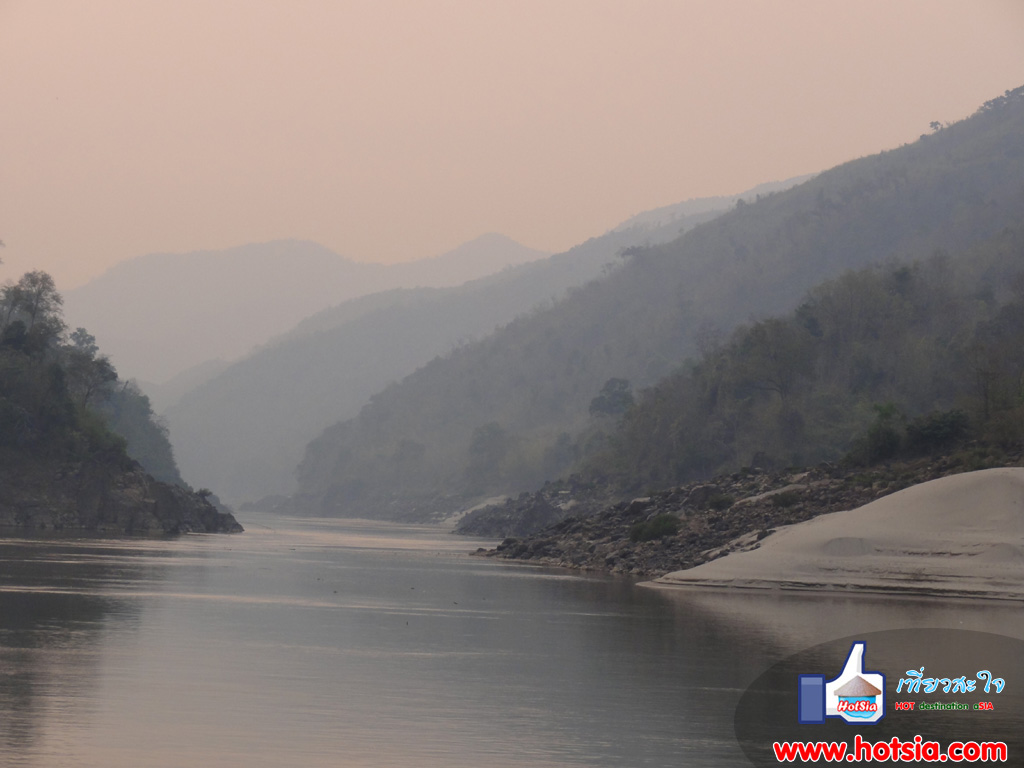
If you travel along the Mekong River during March and April, when the river is shallow, you will see people panning for gold along both banks. Curious about how they do it, I went to observe and try gold panning on the Mekong River myself. My destination was Ban Tha Suang, Hongsa City, Xayaburi Province, deep in the Mekong forest, halfway by boat from Huay Sai to Luang Prabang. I entered Laos via Huay Kon border in Nan Province, then took a bus to Hongsa City.
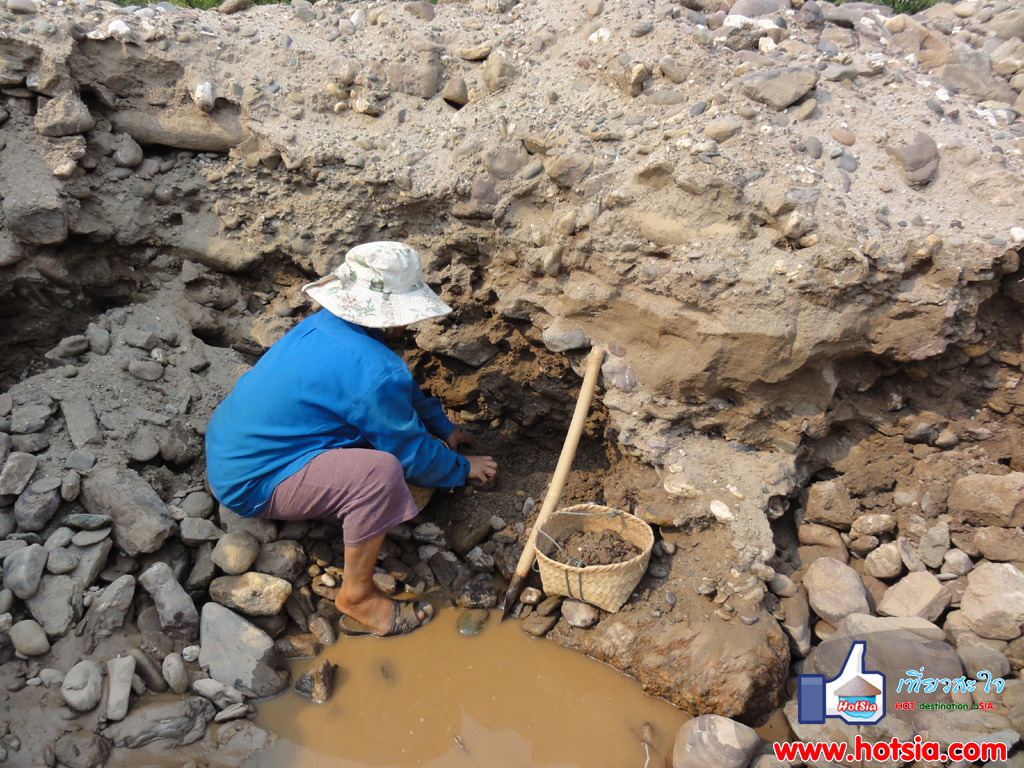
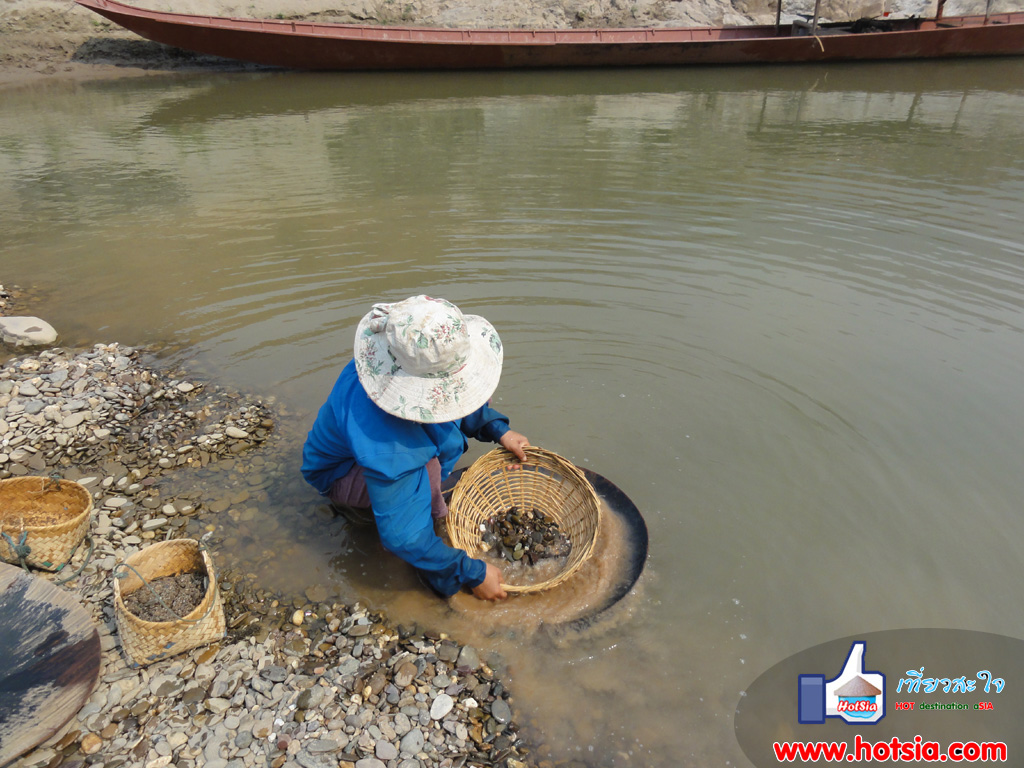
After staying one night in Hongsa, I traveled to Ban Tha Suang and found a boat to cruise the Mekong River to watch gold panning. The Mekong River in March is dry but not as dry as in April. The drier the river, the more gold you can find each time. The timing of my visit was nearly the best period for gold panning. The method starts by digging gold from the sand layer deposited as sediment in the Mekong River. At first, I thought they scooped gold directly from the river, but actually, they dig from the sediment on the riverbank.
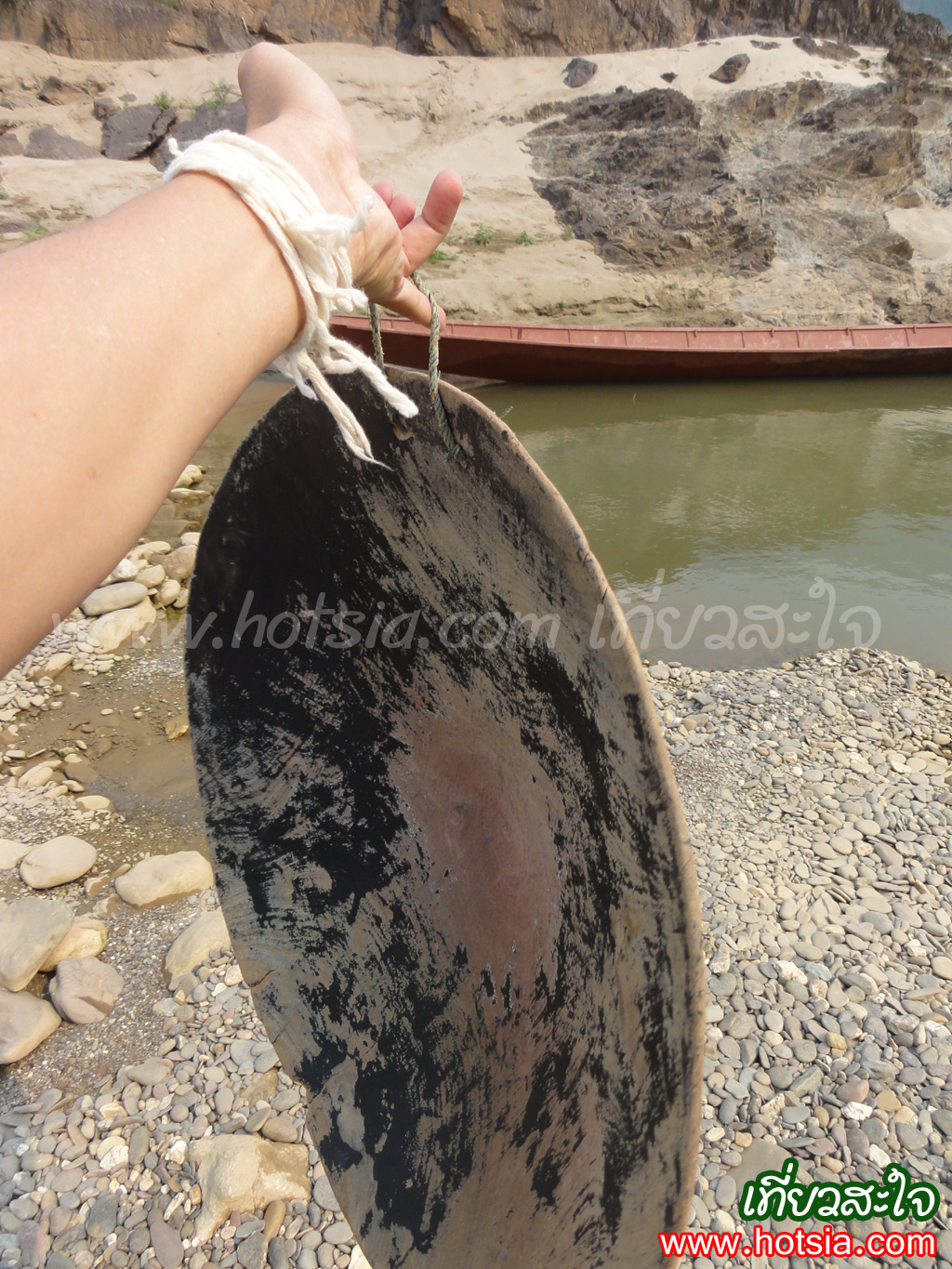
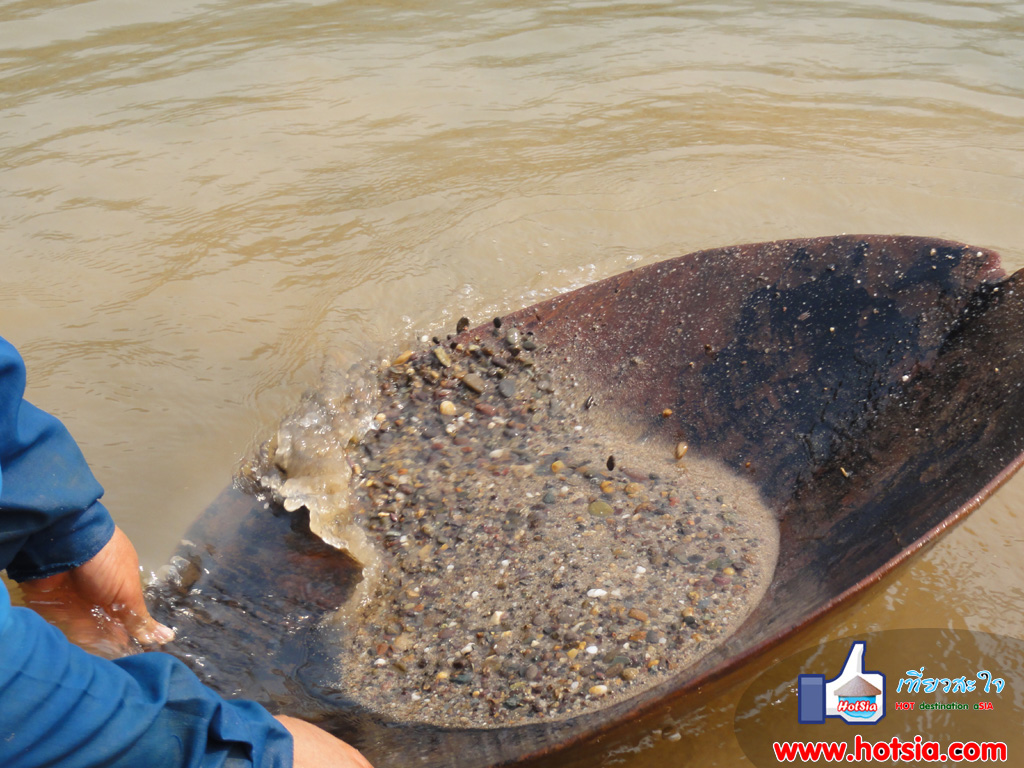
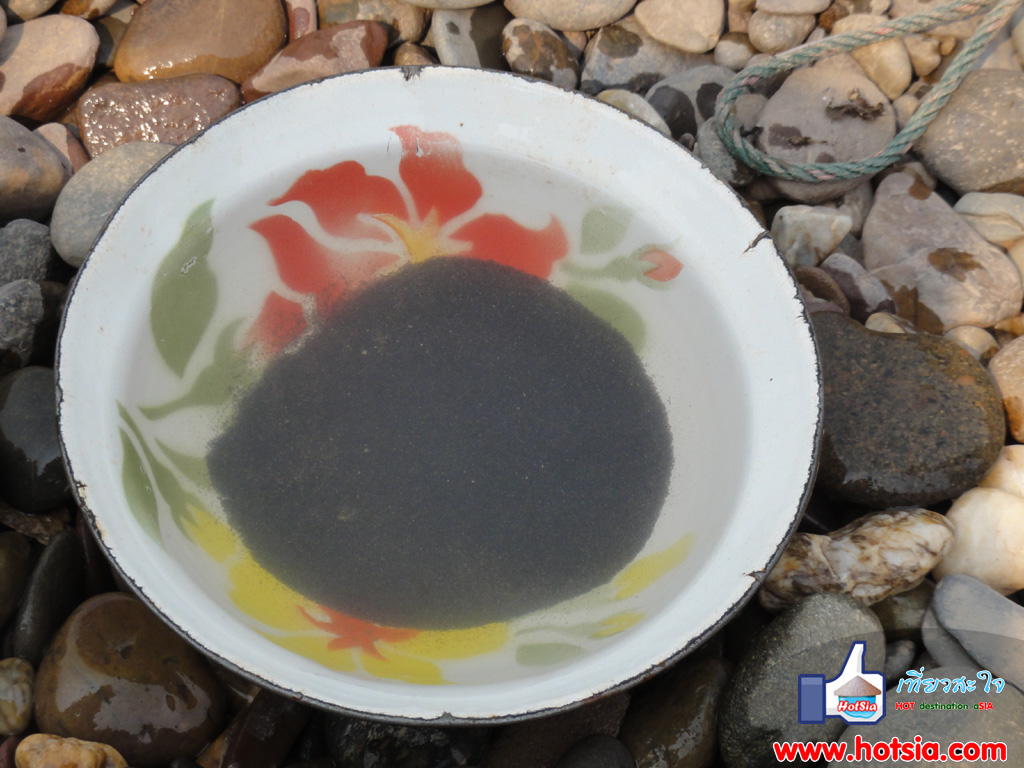
Then they pan the sand and stones in a deep-bottom wooden tray specially made for gold panning, about 50 centimeters wide. Gold panning means letting gold flakes settle at the bottom, then washing away stones and sand with Mekong water. The gold flakes mix with black soil at the bottom. Each panning yields varying amounts depending on how rich the gold source is. Afterwards, they pour the collected material into a bowl. When enough gold is panned each meal or day, they add lead, called
ba by the Lao people, into the bowl, rolling it so the lead binds the gold together, separating it from the soil completely. Then they wrap it in cloth and squeeze out the lead water, leaving only gold mixed with lead. At this stage, the gold is still black. They must roast it by placing the gold in a spoon and heating it until the lead evaporates, resulting in pure golden gold. Lao people call gold “Kham.” The daily gold yield varies; I asked and was told sometimes they get 1 lee, sometimes 2 lee.
Lee is a unit for measuring gold in Laos. 10 lee = 1 hun, 10 hun = 1 salueng, 4 salueng = 1 baht. When gold is found, buyers come directly to purchase it. On the days I asked, the gold panned was worth about 500 Thai baht. I once traveled by boat from the upper U River to Luang Prabang and saw serious gold digging and panning on the Mekong River there, yielding about 4 baht of gold daily. The Mekong River truly is a river of gold. Here is some knowledge about gold in Laos.
Because gold purity varies by country, normally gold bars and jewelry in Thailand have 96.5% gold content. According to Globlex Holding, the standard gold bar purity is 99.99%, traded globally as the international standard; 99.9% in India; 99.5% in the Middle East; 99.0% in Hong Kong; and 96.5% in Thailand.
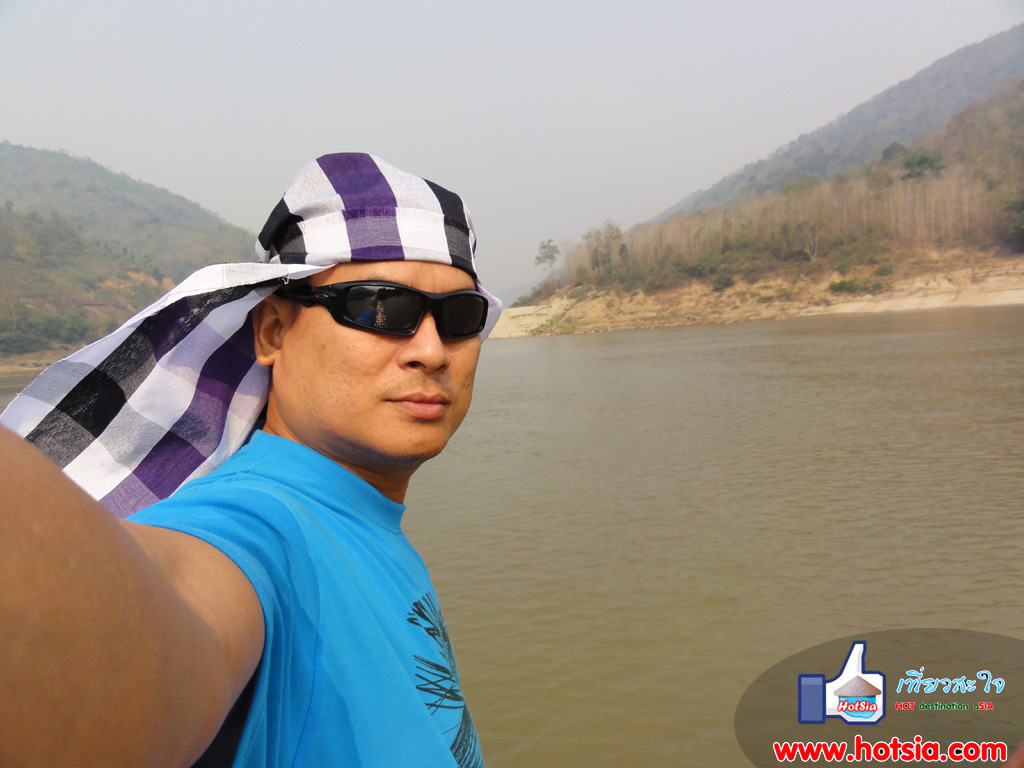
In Laos, the gold purity standard is 99.9%. Gold with higher purity is softer and less suitable for detailed designs. Thai gold at 96.5% is stronger and better for crafting intricate patterns. mr.hotsia Mekong River gold Gold panning Digging gold in the Mekong River mr hotsia with mekong river gold Mr. Hotsia gold panning on the Mekong River Deep in the Mekong forest about 70 kilometers from Huay Kon border in Nan Province, beneath this river lies pure gold.
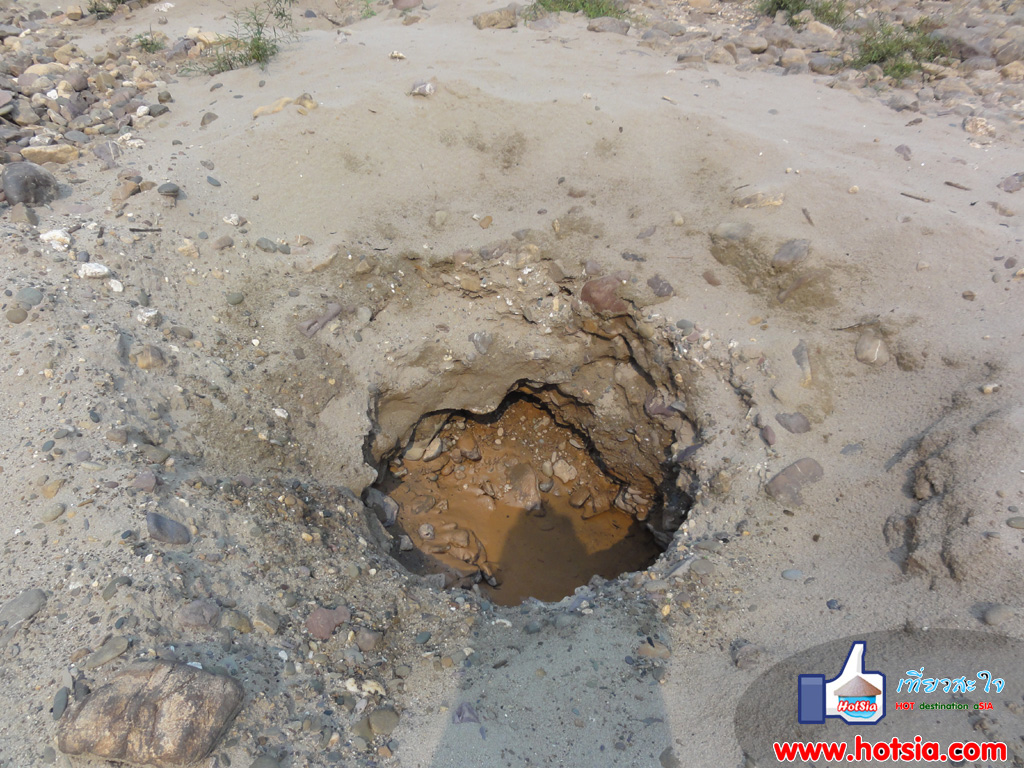
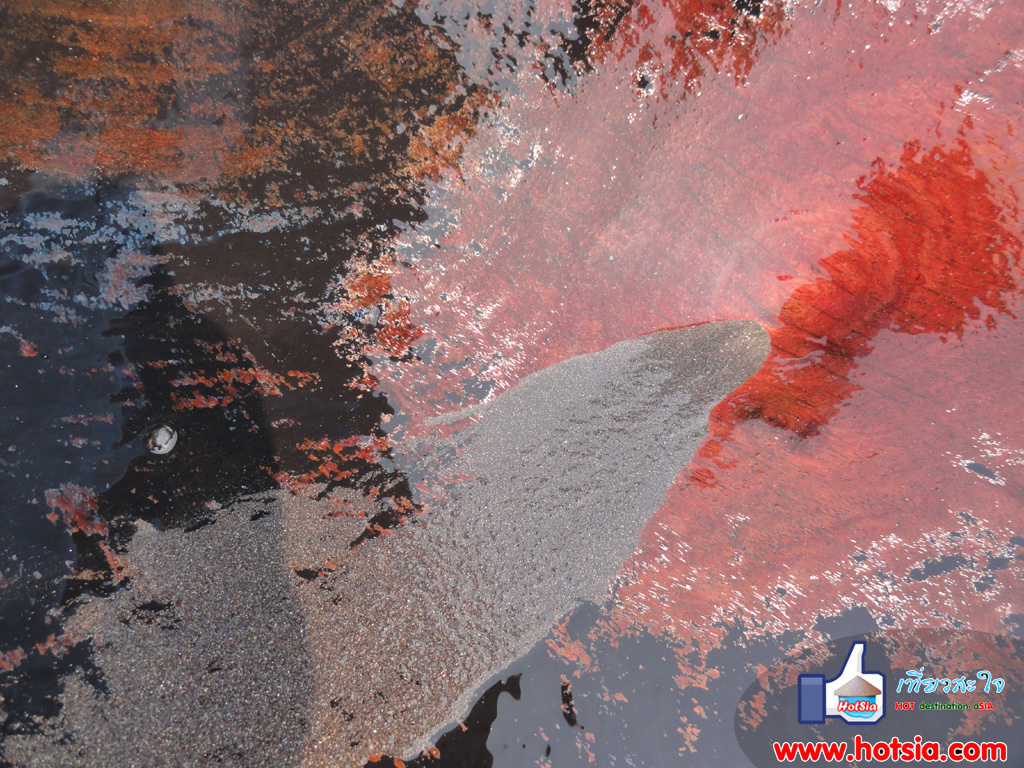
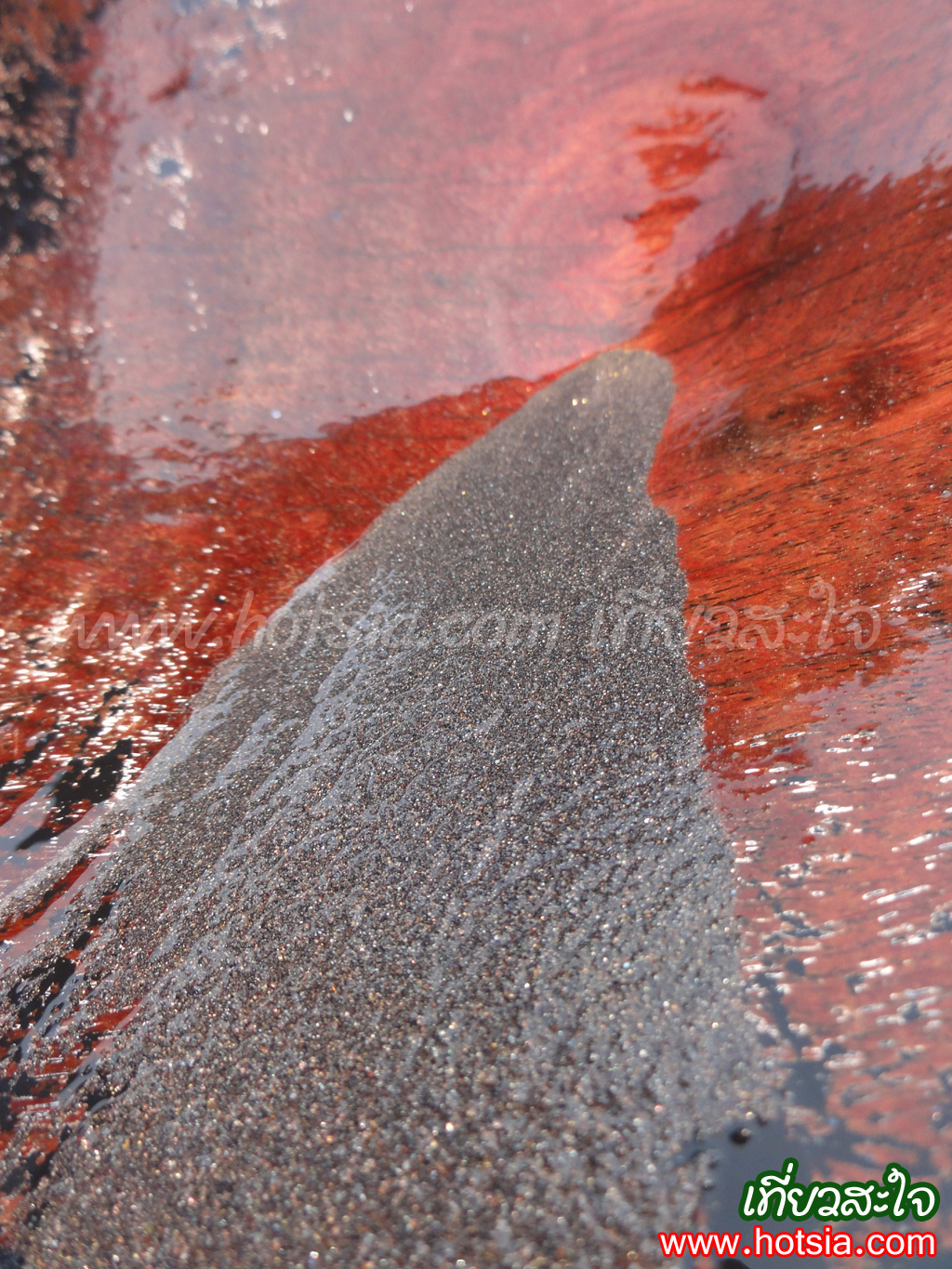
It starts with digging sand mixed with gold from Mekong River sediment. This is the most exhausting part of gold digging. Then the material is panned to remove stones first, washing with Mekong water to remove mud and sand, leaving gold flakes mixed with soil collected in a bowl. These are the gold sparkles obtained from each panning. Mr. Hotsia tried gold panning himself and clearly saw gold in this photo. Then the gold is wrapped in cloth and squeezed to remove lead. Once formed into gold lumps, it is roasted to produce 100% pure gold. The Mekong River bottom is full of gold veins.
Mr. Hotsia's gold panning set Digging sand mixed with gold from Mekong River sediment Gold mixed with soil like this The first round of gold panning mixed with sand I waited while they dug gold Gold obtained from panning Gold flakes from gold panning Enjoying Lao beer while panning Using lead or ba to bind gold 100% pure gold obtained after roasting to remove lead