ไทย
ไทย

Xieng Khouang, The Bombed City of Xieng Khouang
Project gen by hotsia
The Bombed City of Xieng Khouang, Laos War, Vietnam War, Indochina War http://www.hotsia.com > The Bombed City of Xieng Khouang, Phonsavan, Plain of Jars, Exciting Travel in Xieng Khouang, Traveling the Bombed City of Xieng Khouang, Plain of Jars (Plain of Jars Festival), Phonsavan Bus Station, Stay at Night Guesthouse Xieng Khouang, Supporting Exciting AEC Travel, The Bombed City of Xieng Khouang 2014, During the American War, Xieng Khouang area was heavily bombed.
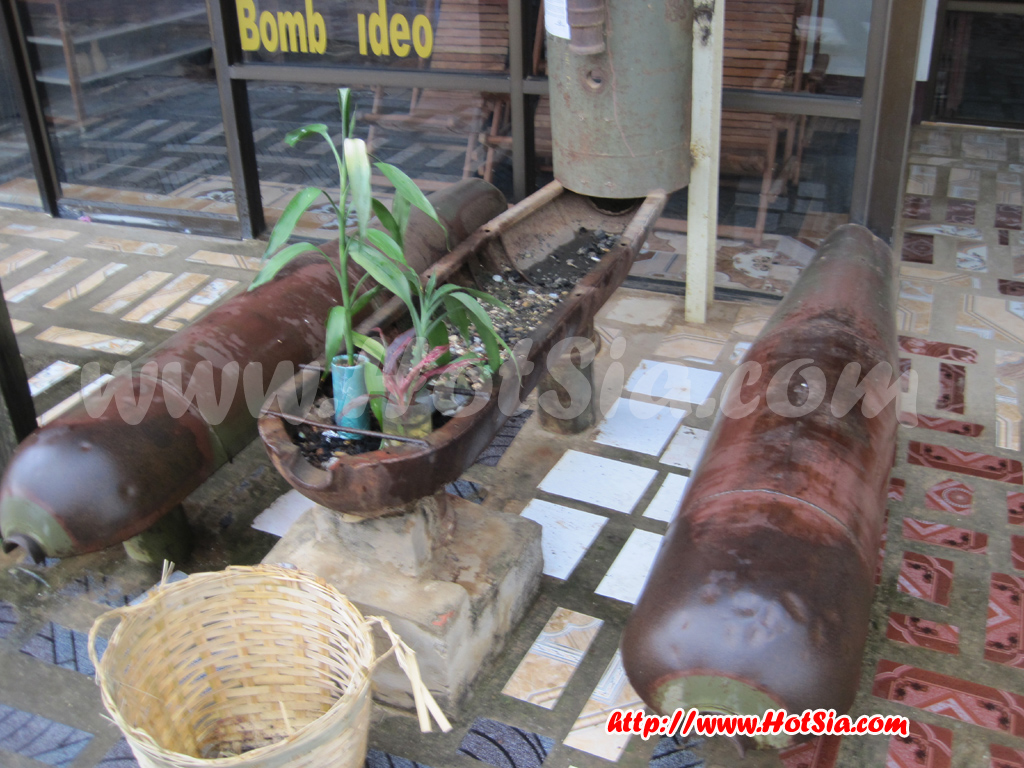
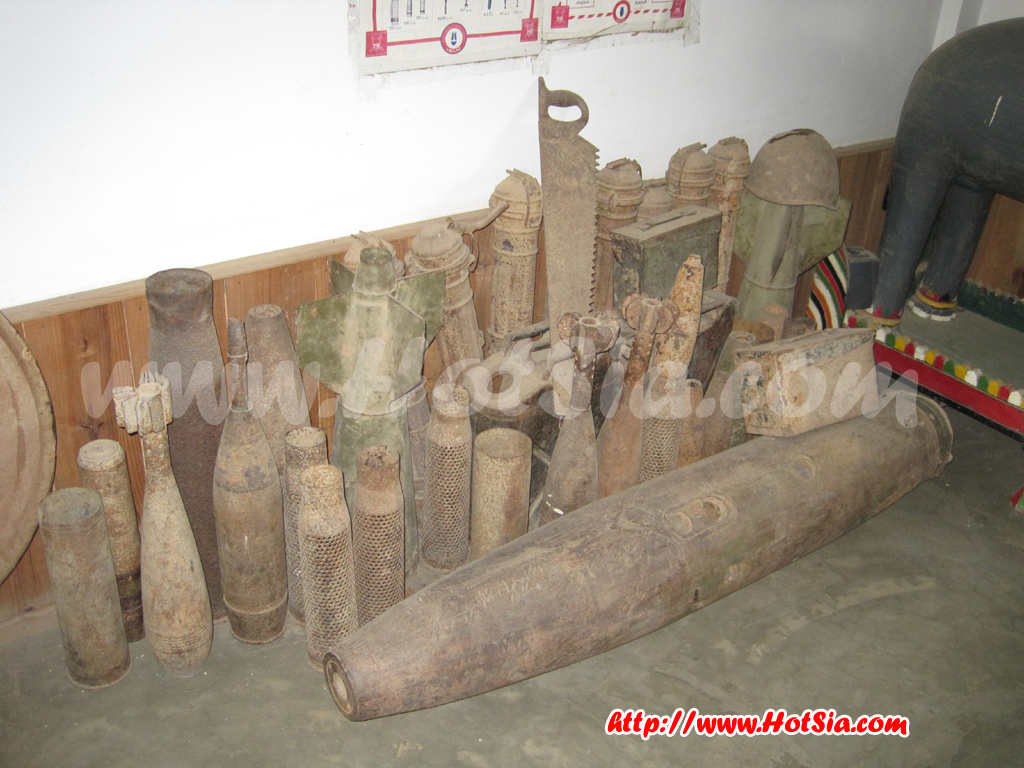
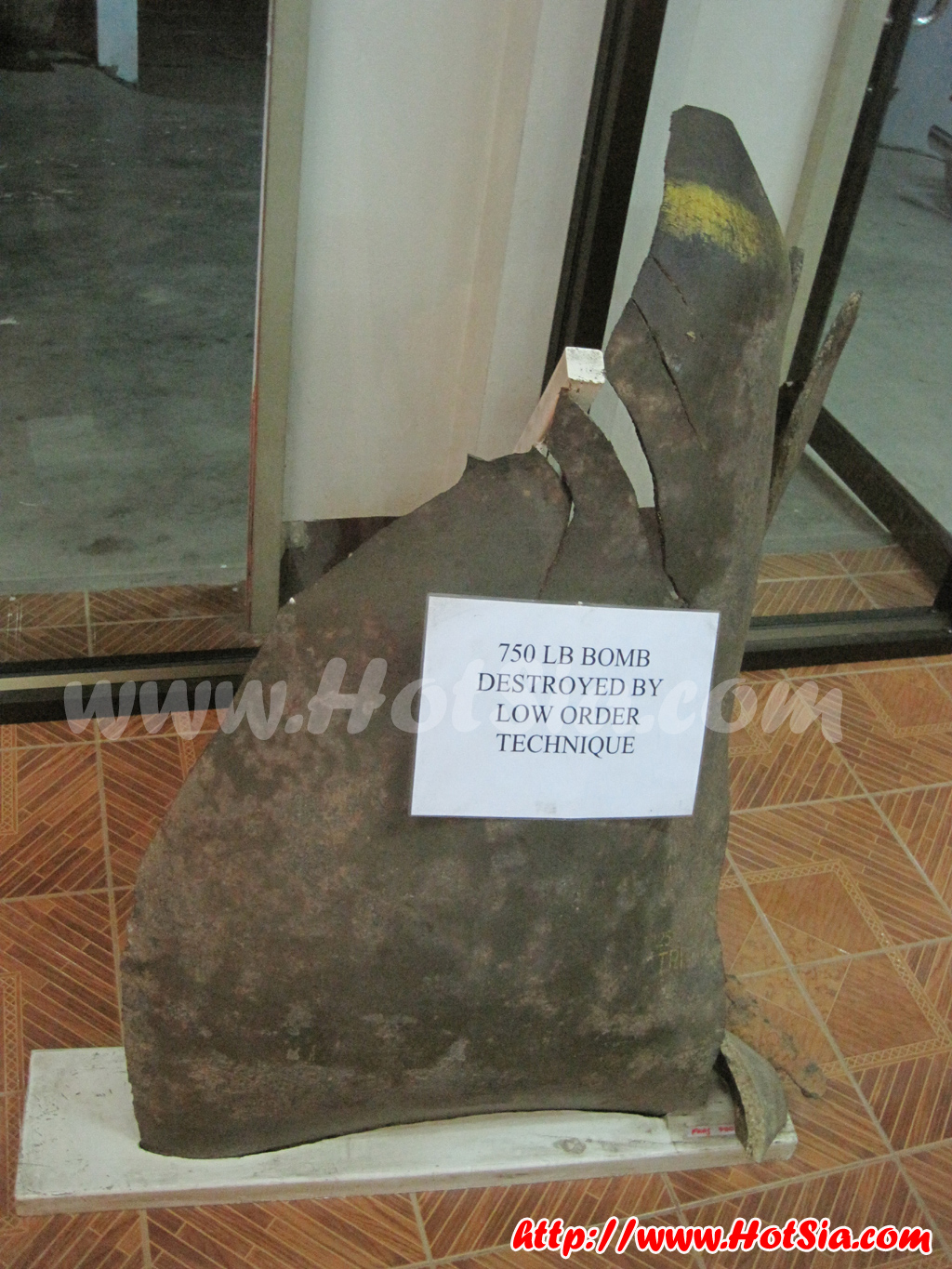
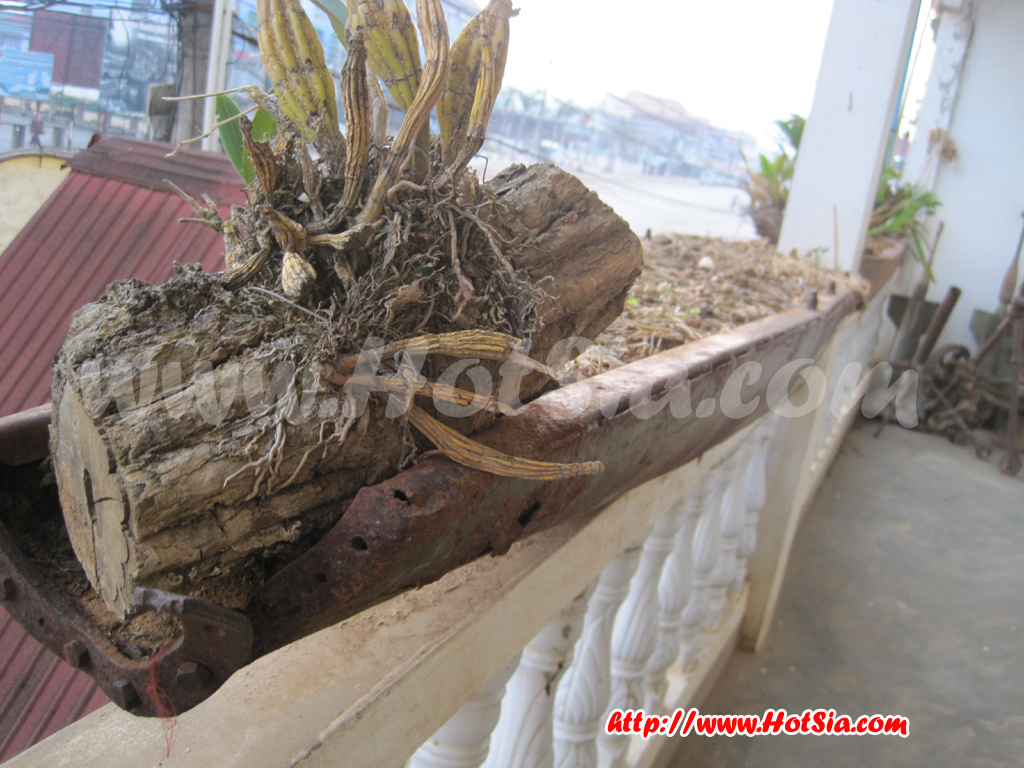
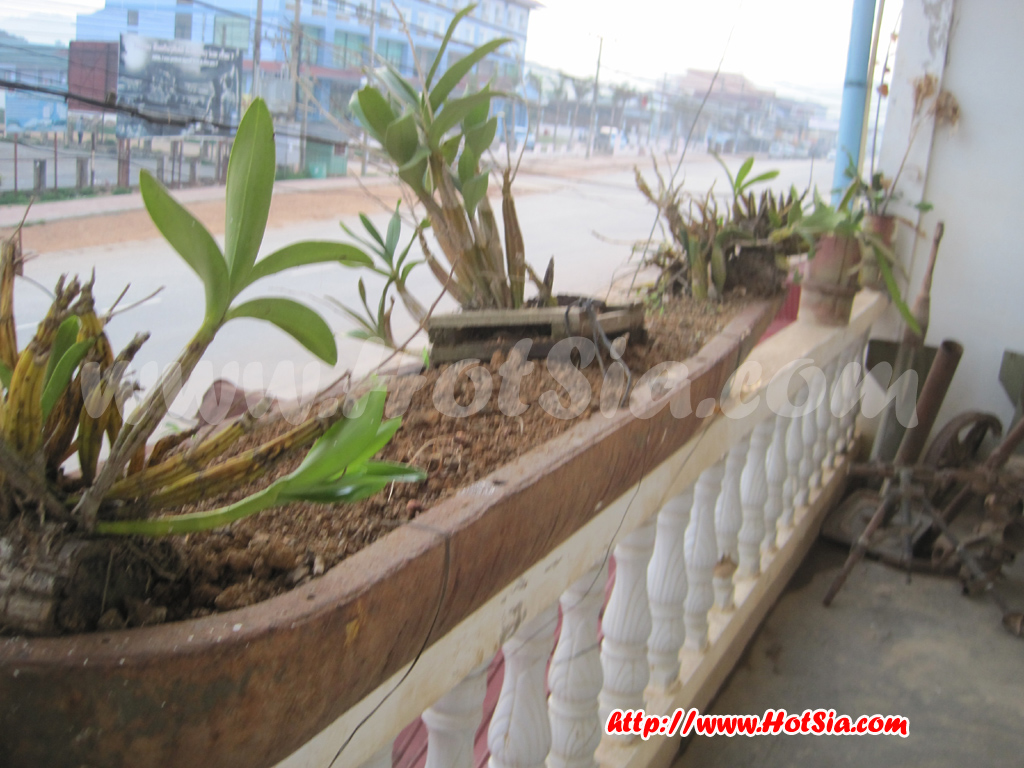
Even today, not all bombs have been cleared; it would take another 100 years to finish. Some bombs are stored at the police station where tour vehicles require signing in. Some bombs have been repurposed by locals to make fences and house pillars. Guesthouses for tourists also use them as decorations to show the bombed city, as shown in my photos. Bombs still remain, and every year villagers get injured by bombs while farming or going into the forest. This is not unique to Xieng Khouang alone.
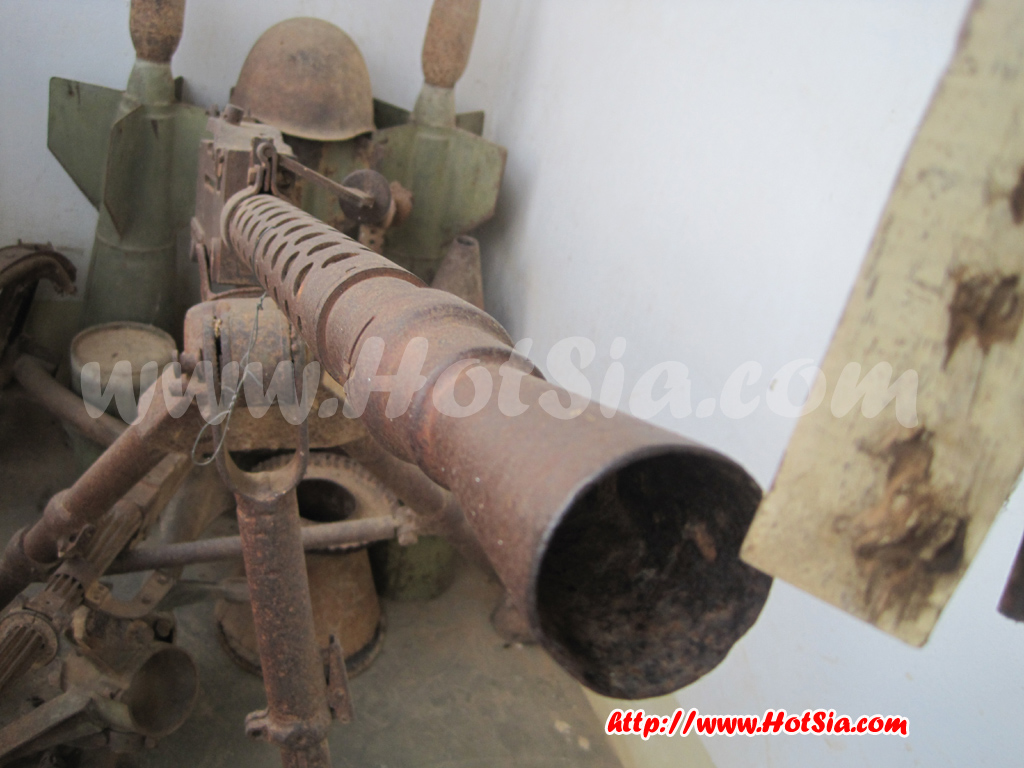
When I traveled to Salavan near Tha Tang, I even found bombs dug up by cattle. So when traveling in northern Laos or areas with bombs, do not urinate outside safe zones and never walk deep into the forest. Years ago when I visited Xieng Khouang, I saw tanks parked by the roadside; now they have all been collected in one place, which is a positive change. Tour prices have become cheaper, and food options for tourists have increased.
In summary, traveling in Chiang Khong today is more convenient and economical. Enjoy your trip with Mr.Hotsia (stay at the same hotel as Mr.Hotsia, click here). The Bombed City of Xieng Khouang (2010). Many articles about the American bombing in Laos during the Indochina War describe heartbreaking stories that bring tears to readers. The legacy left to the Lao people is that each person inherits about one ton or a thousand kilograms of unexploded bombs.
Stories about the war in Laos and the UXO bomb clearance work are provided below. Thanks to the author, Mr. Songrit Phonngern from Nation. We present this without causing too much stress about bombs because it has been many years since then, and Laos has opened its doors to tourists for several years. Let's look from a tourist's perspective and gather good experiences from the city of Xieng Khouang.
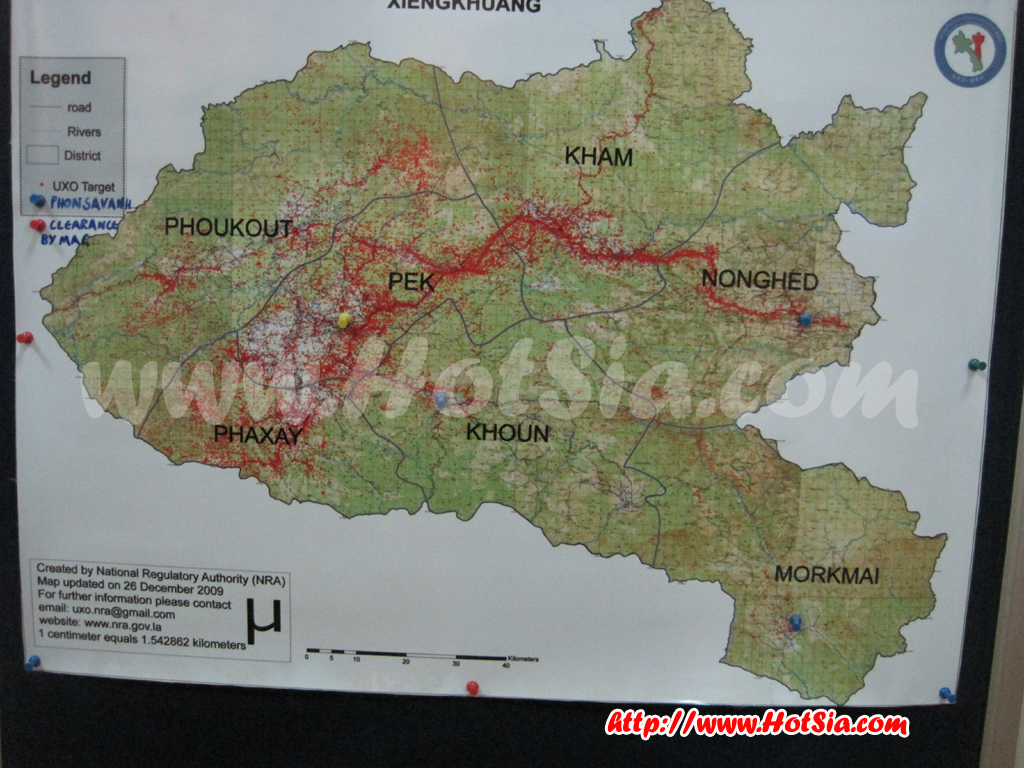
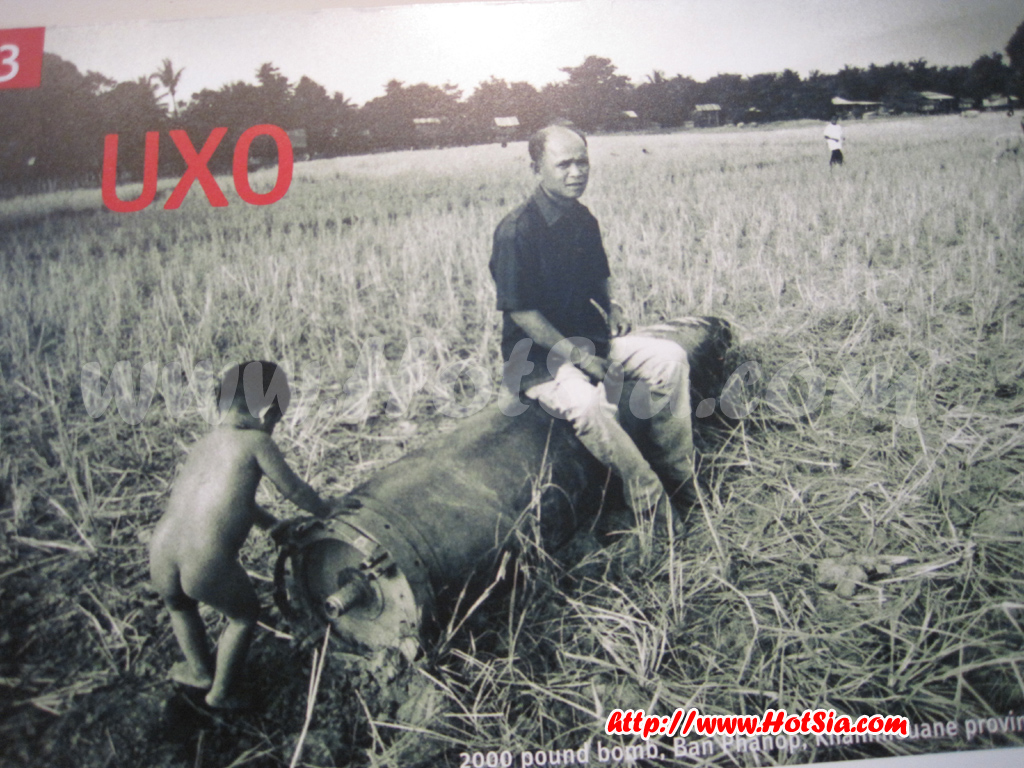
Xieng Khouang is a northern province of Laos bordering Vietnam. To the north is Sam Neua, where Vieng Xai city is located, the stronghold of the Lao army leader. This made Xieng Khouang one of the provinces heavily carpet-bombed almost everywhere. Three million tons of bombs were dropped from the sky over five countries. Thailand was also used as a base for American planes dropping bombs on Laos and Vietnam. Many unexploded bombs remain in forests and fields and are found daily.
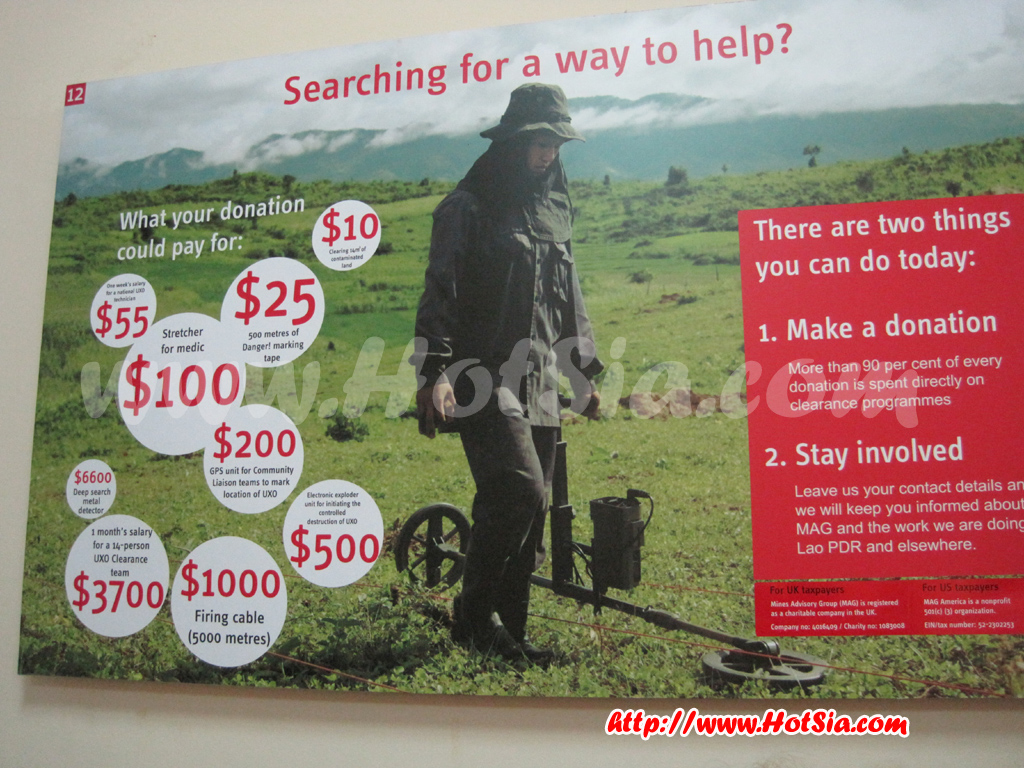
There is an international organization responsible for this called UXO. I had the chance to talk with locals working for UXO; they earn about 4,000 baht per month. Every day they go out to search for bombs and find them daily. Finding bombs in Laos is easier than fishing. I will write another article about how they do this. It is well known that anyone visiting Xieng Khouang must not enter areas not declared safe by UXO under any circumstances.
Because you could easily step on a bomb. Those who have been to the Plain of Jars can imagine that UXO has posted signs declaring the area safe from bombs. Other areas outside residential zones remain dangerous. Tourists in Xieng Khouang must not walk off the path. Before UXO arrived, locals found bombs and, out of ignorance, sawed or burned them, causing injuries and deaths with limbs lost.
Those who survived inherited bombs used to decorate homes, restaurants, and accommodations. Bomb remnants are used as house pillars, cattle barns, decorative items, or displayed in cabinets. Some are even made into boats (see bomb boat) because these bomb shells are more durable than ordinary wood and iron. The mindset of Lao people during the bombing was heartbreaking; villagers lied to their children saying, "They dropped bombs to kill deer and animals so there would be food each day."
Children learned it was normal to hear explosions; if not, it was strange. Without explosions, what would they eat? Mothers lied daily. As time passed and the war ended, bomb remnants remain, reminding Lao people every time they see them. For Thais, Lao people fully understand that Thailand was also a base for American bombing but, as close neighbors, they do not hold resentment against Thais.
Some Lao feel negatively towards the nation that bombed them (America). Some Lao friends told me they do not talk to Americans, do not look at or pay attention to them. American tourists in Laos are few; those who come often say they are from Europe. American tourists themselves know this and rarely visit Laos and Vietnam. We Thais should understand this a little as a safeguard when traveling so we understand each other and avoid sensitive topics.
Especially provinces bordering North Vietnam and North Vietnam itself. If you travel there, understand this well (North Vietnam was aligned with China-Soviet, South Vietnam with America). Now, let's move past the serious topics and see Xieng Khouang today. When I arrived, the accommodation contacted me and picked me up. Lodging here costs only a few hundred baht, which is cheap. Xieng Khouang has internet, electricity, and water supply.
However, some hotels may have weak water flow at night; it is better to shower in the evening to be safe. Xieng Khouang has only a few made-to-order food shops; the one I saw tourists eating at was just one place. Food prices here are not as expensive as Luang Prabang. Most tourists buy tours from Luang Prabang, stay one night in Xieng Khouang, visit the Plain of Jars, then return. Xieng Khouang is the province name; the city where people stay is called Muang Phak. Phonsavan is the old city name before moving to Muang Phak.
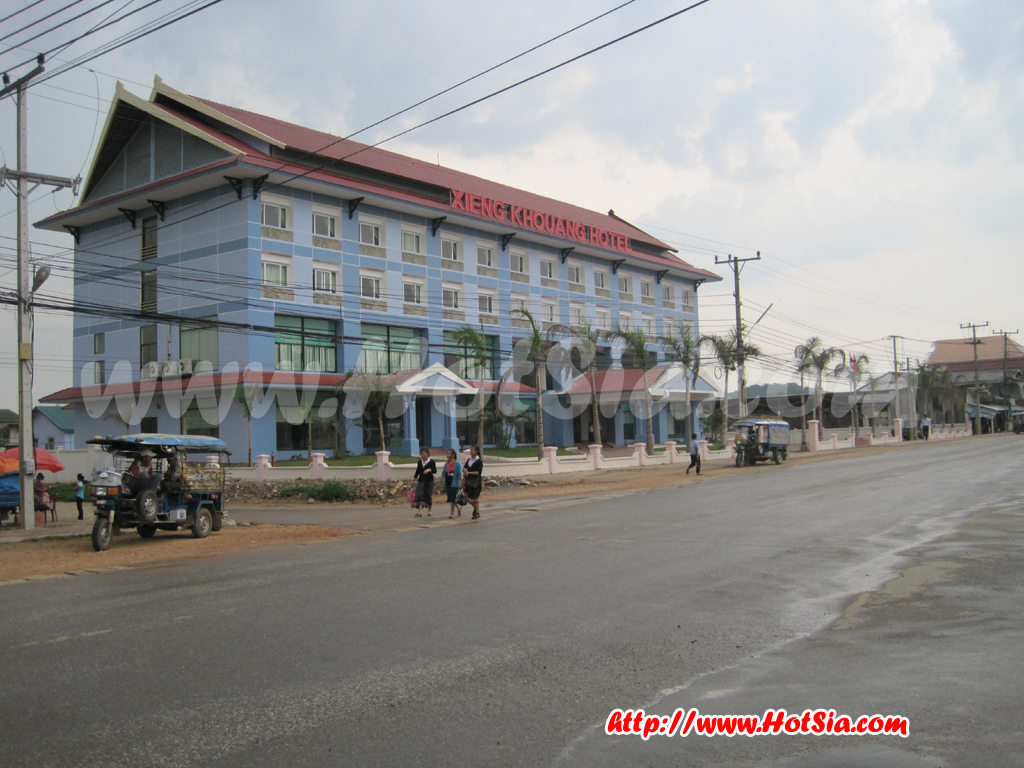
If you ask at Luang Prabang bus station about going to the Plain of Jars in Xieng Khouang, ask if there is a bus to Phonsavan. When you arrive at Phonsavan, it is actually Muang Phak (Pine City), Xieng Khouang province. There are tours selling trips to the Plain of Jars for about 500 baht per person, shared in groups of 7. Muang Phak or Xieng Khouang, restaurants, accommodations, and houses are decorated with bomb shells, looking beautiful and unique. The hotel I stayed at is opposite the small bus station and has more bombs than other hotels, from the front to inside.