ไทย
ไทย
 English

Travel Pai - Pai Historical Bridge
Pai Historical Bridge http://www.hotsia.com > Travel Pai > Pai Historical Bridge Mr.Hotsia's travel trip in Pai town, Mae Hong Son, Khun Yuam, Mae Sariang. Mr.Hotsia recommends hotels, green Thung Bua Tong 2015, coffee shops and restaurants in Pai, Pai Historical Bridge, Pai travel map, city view from Mae Yen Pagoda, good morning Mae Sariang, cycling tour in Mae Sariang, temple meal at Wat Tham Ngao, Fish SPA Mae Sariang, from Mae Sariang to Khun Yuam.
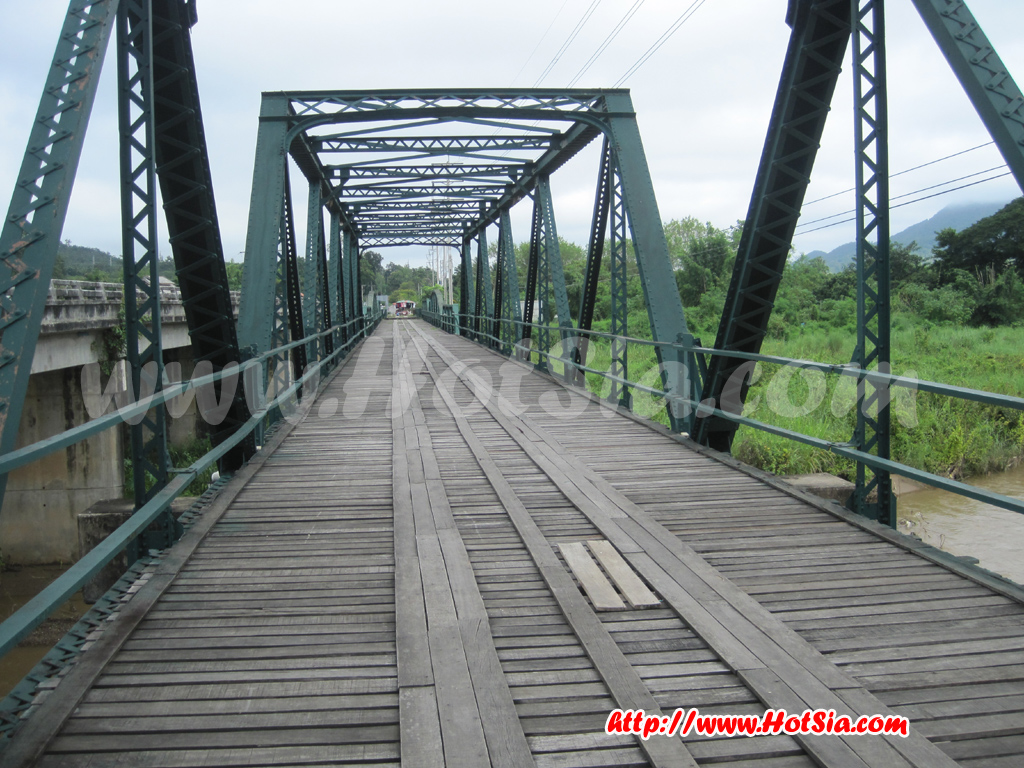
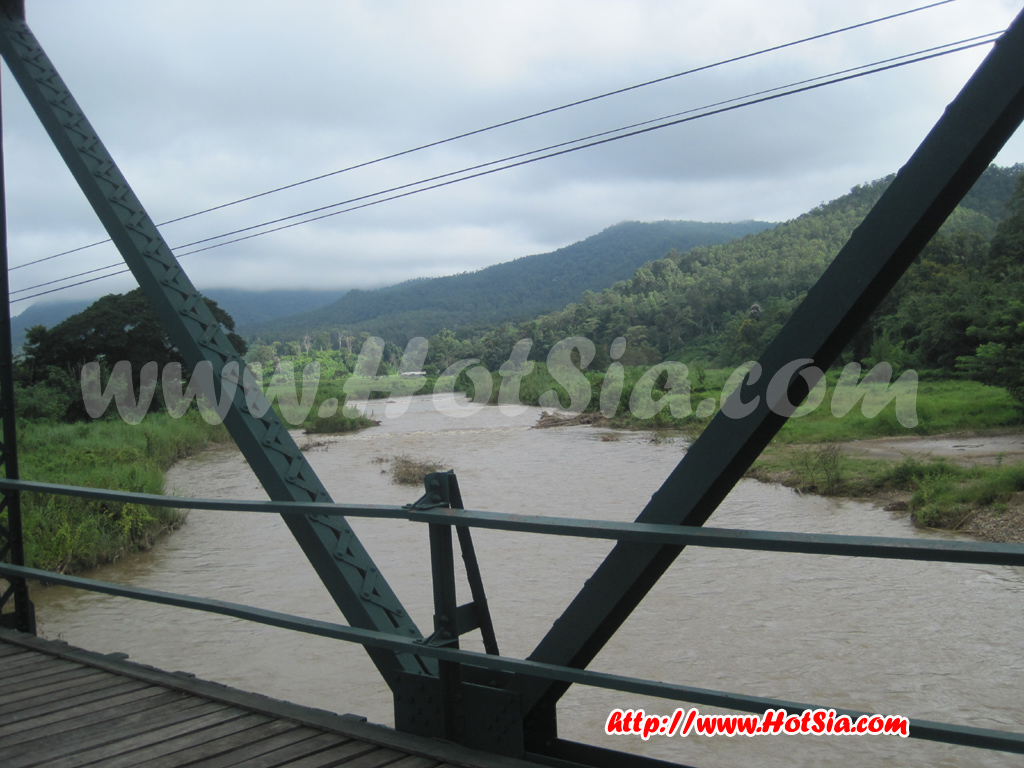
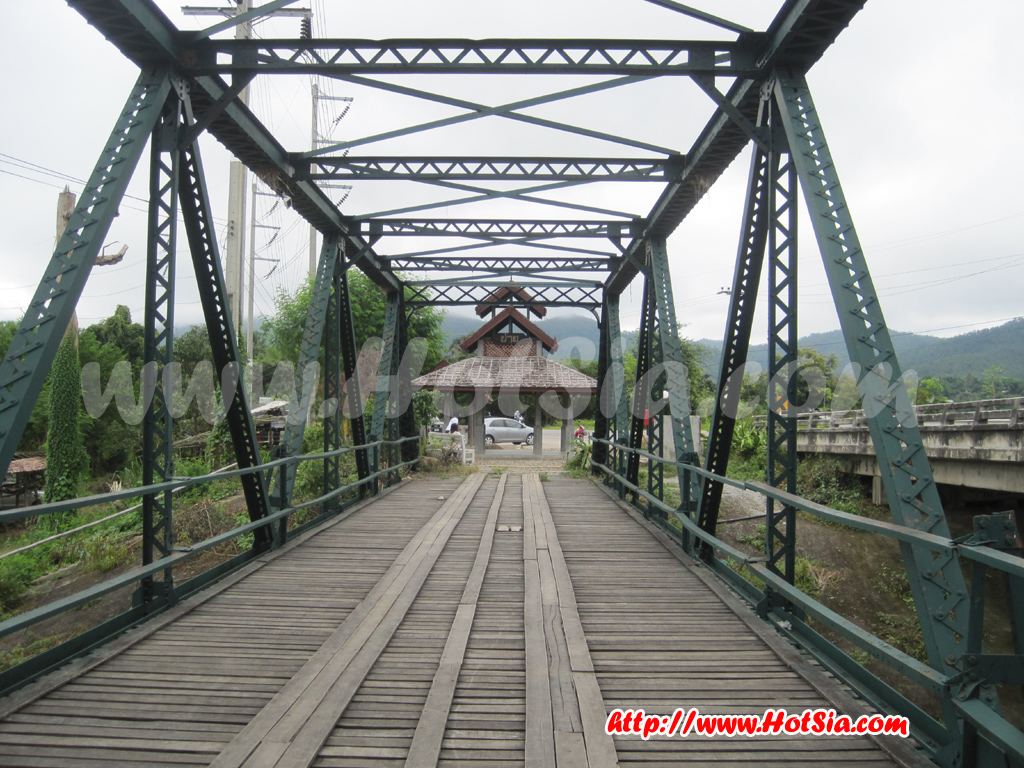
Salawin fish at Than Phochana restaurant, searching for Sa Nga fish at Mae Sariang market, coffee in the most beautiful garden in Thailand, travel Mae La Noi (Hen Tai), haircut and news in Mae Hong Son, climb Don Kong Mu Pagoda, Jok Sor Sor Mae Hong Son, stay at Sri Saeng Dao cinema in Khun Yuam, Kabong Shan Yai snacks, Khun Yuam - Mae Hong Son viewpoint. When visiting Pai, the first checkpoint before reaching Pai town is the Pai Historical Bridge (the iron bridge on the right side of the concrete bridge). If you don't know the history of this bridge,
it would be like driving over any ordinary bridge with nothing special. So I have to tell you a little that this bridge was built during World War II. Japanese soldiers hired Thai workers at 50 satang per day, using elephants to drag wood to build the path meeting at Tha Pai. Now that you know the history, if you want to know more, I have added it below. When you arrive in Pai, you should stop to visit and take photos here. I recommend parking on the coffee shop side.
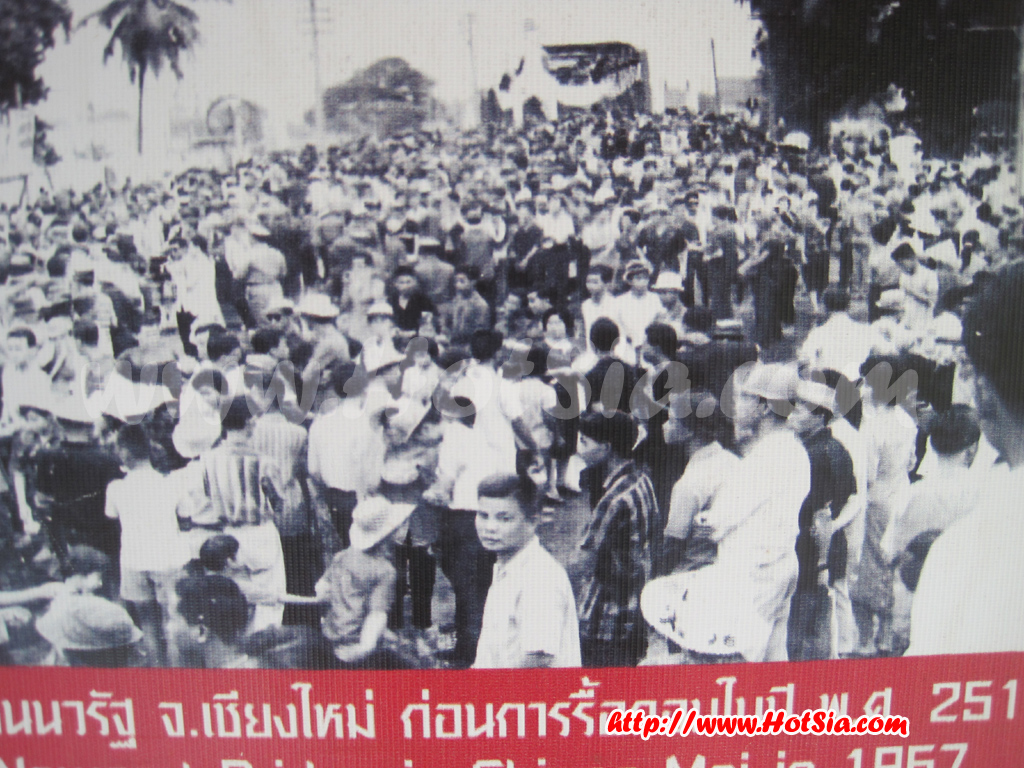
Then walk over to buy coffee and take photos of the bridge at the same time. This bridge looks best with good light, so coming back to take photos again in the early morning is suitable because besides the beautiful light, there are fewer people. Most visitors arrive in the afternoon or evening, crowding and pushing to take photos, making coffee drinking less enjoyable. The past of Pai Bridge in Chiang Mai, everyone hugs me too, please! I recommend for traveling in Pai, if you don't bring your own vehicle, just rent a motorcycle for only 80 baht per day. The shop named "Aya" (AYA) is 50 meters past the bus station on the left side.
This price includes accident insurance for an additional 80 baht, and if you want theft insurance, add another 80 baht per day. But believe me, it's hard to lose a vehicle in Pai because there are only two exits, very easy to follow, so you may skip theft insurance. Accident insurance is good to have because I have seen some foreign tourists who never rode a motorcycle before come to practice and rent here in Thailand, which might cause collisions. After getting the vehicle, the recommended route is to drive out towards the Pai River bridge in town,
stop to see the Pai view before Mae Yen Pagoda, then visit the hot springs. Drive out to the main road, turn right to the Pai Historical Bridge, and stop for coffee with beautiful roadside views. This route works best. Start early to see beautiful Pai views. Also, the hot springs should be photographed early to capture the mist rising from the water. I have provided the Pai travel route map in the image; just click here. Enjoy traveling Pai. Mr.Hotsia recommends Pai. Video of Pai Historical Bridge, Chiang Mai before demolition.
The bridge built by Japan must be curved like this. History of the Pai Historical Bridge. Regional knowledge survey project. Location: Ban Tha Pai, Mae Hi Subdistrict, Pai District, Mae Hong Son Province 58130. Conflicts occurred widely, covering almost every country and continent, resulting in World War II. Japan declared war on the Allies and moved troops to establish bases in Thailand to transport supplies, food, and weapons through Mae Hong Son province.
to attack Burma (then a British colony). Due to difficult marching through ravines and the Pai River blocking the way, Japanese troops conscripted Thai villagers to clear paths from Chiang Mai to Mae Hong Son, paying 50 satang (1.50 baht) per day. Meanwhile, villagers from Mae Hong Son were also conscripted to clear paths heading to Chiang Mai,
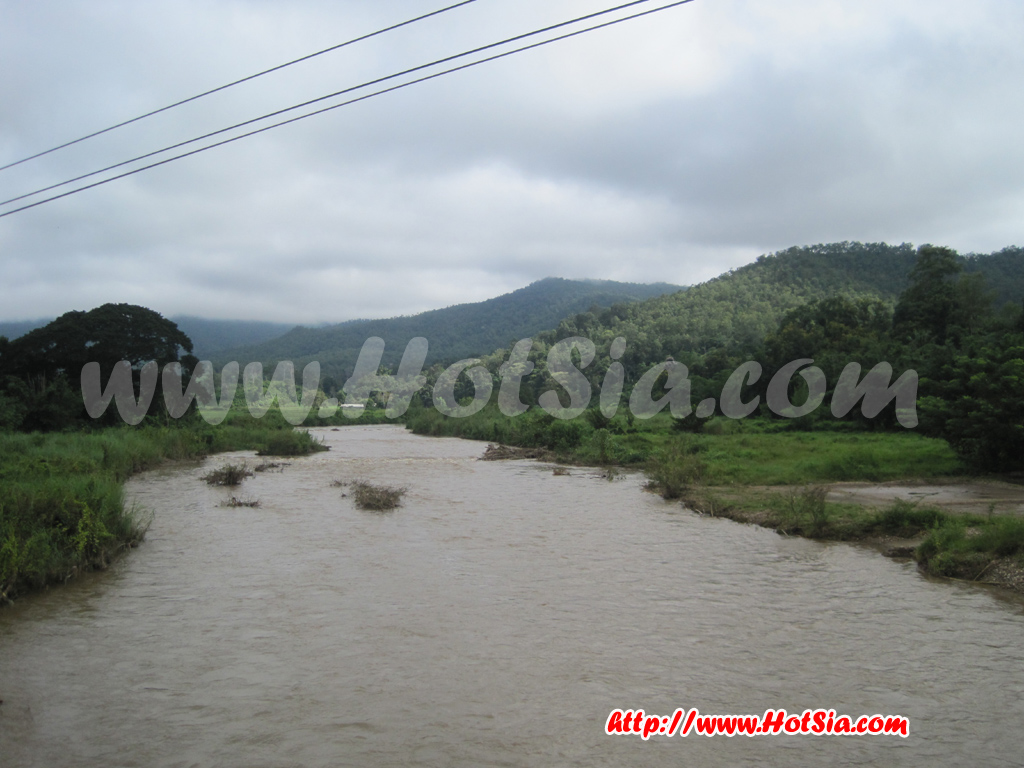
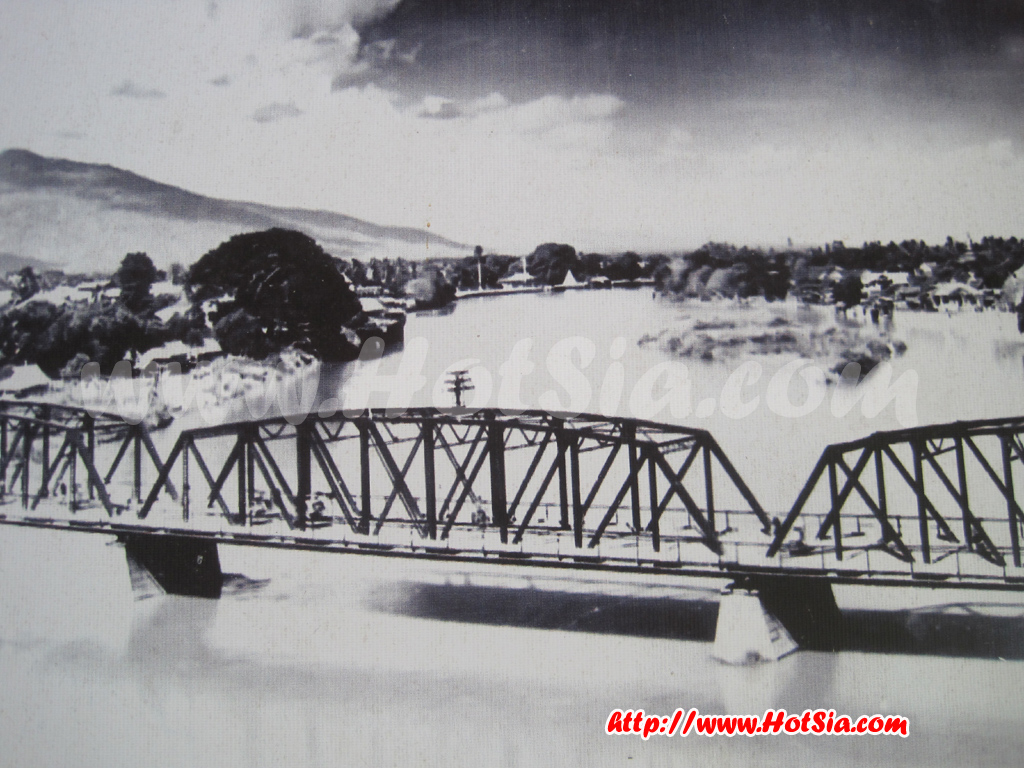
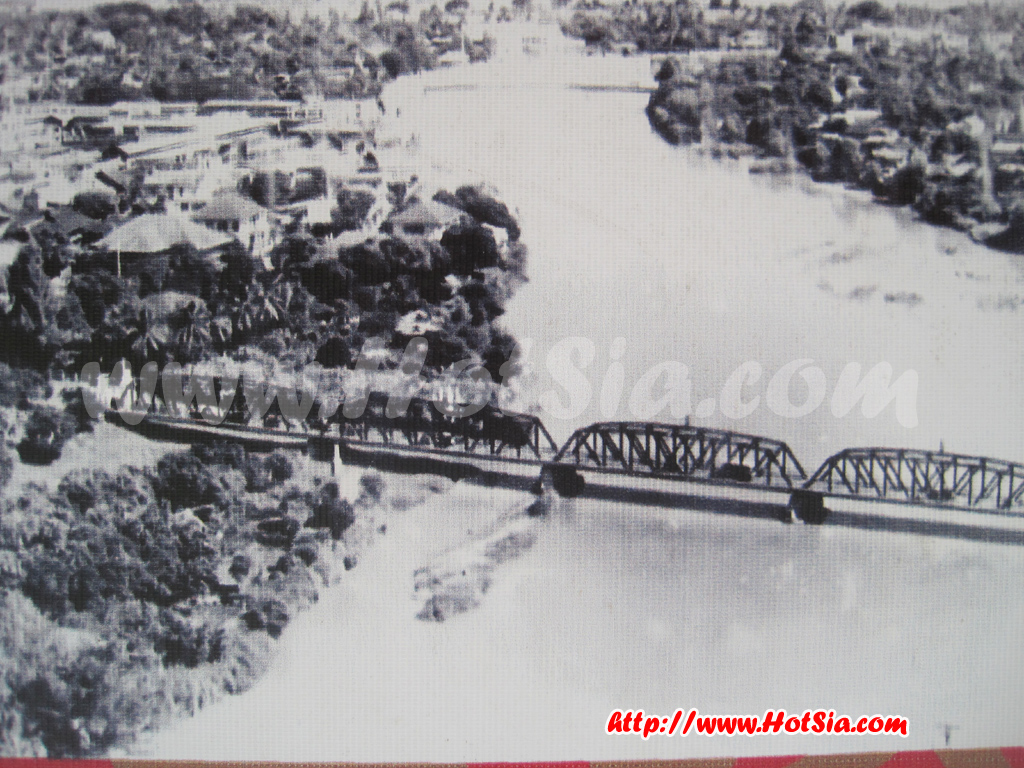
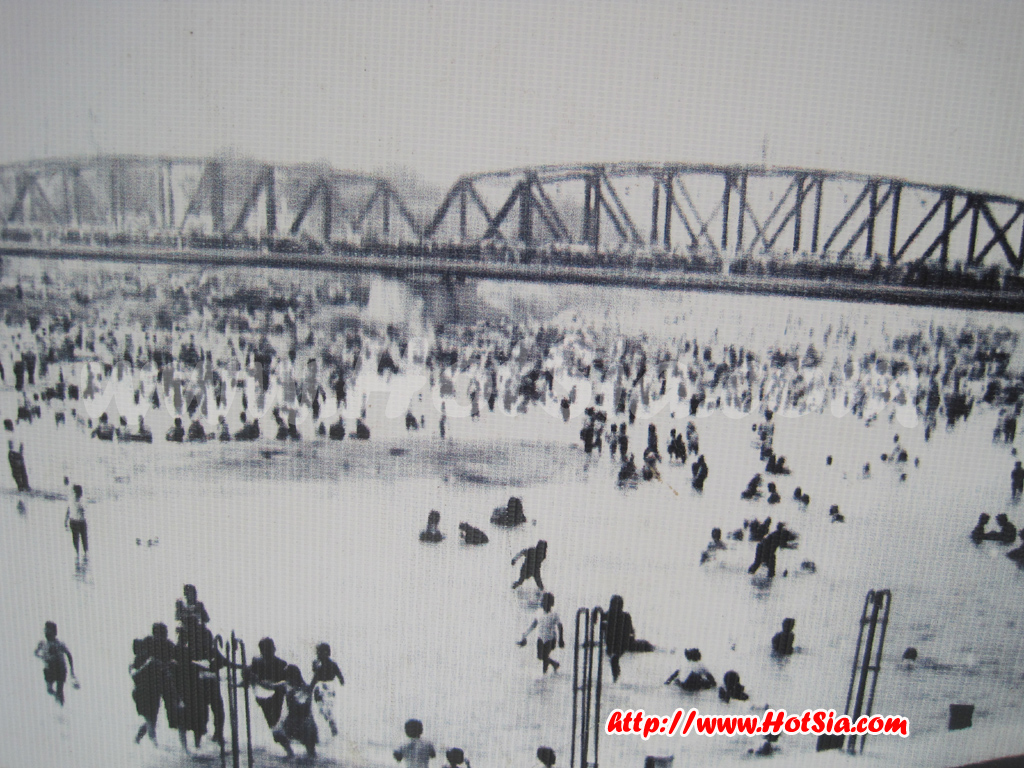
meeting at the riverbank near Ban Tha Pai, Pai District. They then worked together using elephants to drag large logs about 30 inches in diameter from the forest to build pillars and construct the bridge connecting both sides over the Pai River, becoming a historic war route and bridge. The original bridge before relocation. Old photo at Pai Bridge. Japanese troops retreated and burned the wooden bridge, causing inconvenience for Pai residents.
They had to use boats made from logs to cross the river. The villagers who used the bridge then built a wooden bridge to cross the Pai River again. A major flood in August caused severe damage to farms and gardens and washed away the wooden bridge. Pai District requested the old Nawarat Bridge from Chiang Mai Province, which was no longer in use, to replace the wooden bridge destroyed by the flood in 1975.
The Nawarat Bridge from Chiang Mai was gradually moved and reassembled in Pai District. After one full year, it was completed as the current Pai Historical Bridge. The historical bridge is like the gateway to Pai District. If driving from Highway 1095 (Mae Malai - Pai) around kilometer marker 88, you can clearly see this bridge. It was built during World War II by Japanese troops
to cross the Pai River and transport supplies and weapons into Burma. After World War II ended, Pai District returned to peace, leaving only this bridge as the Historical Bridge. Although there is now a concrete bridge beside it, this old historical bridge still attracts tourists visiting Pai regularly. The distinctive feature of this source is that the bridge is old
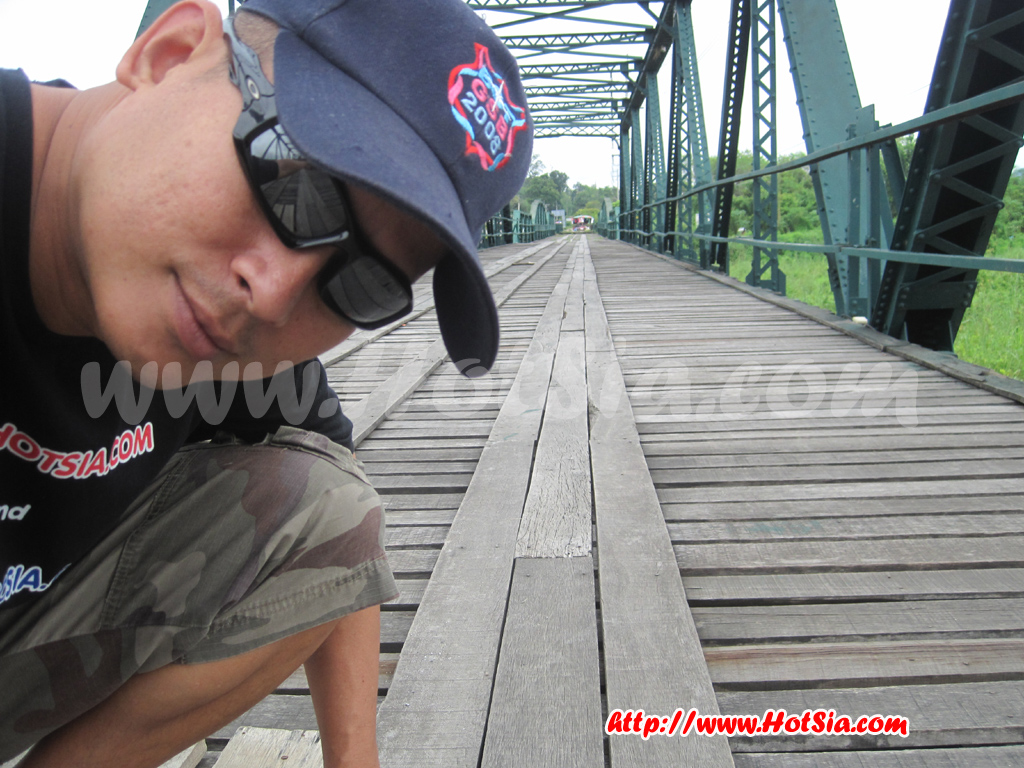
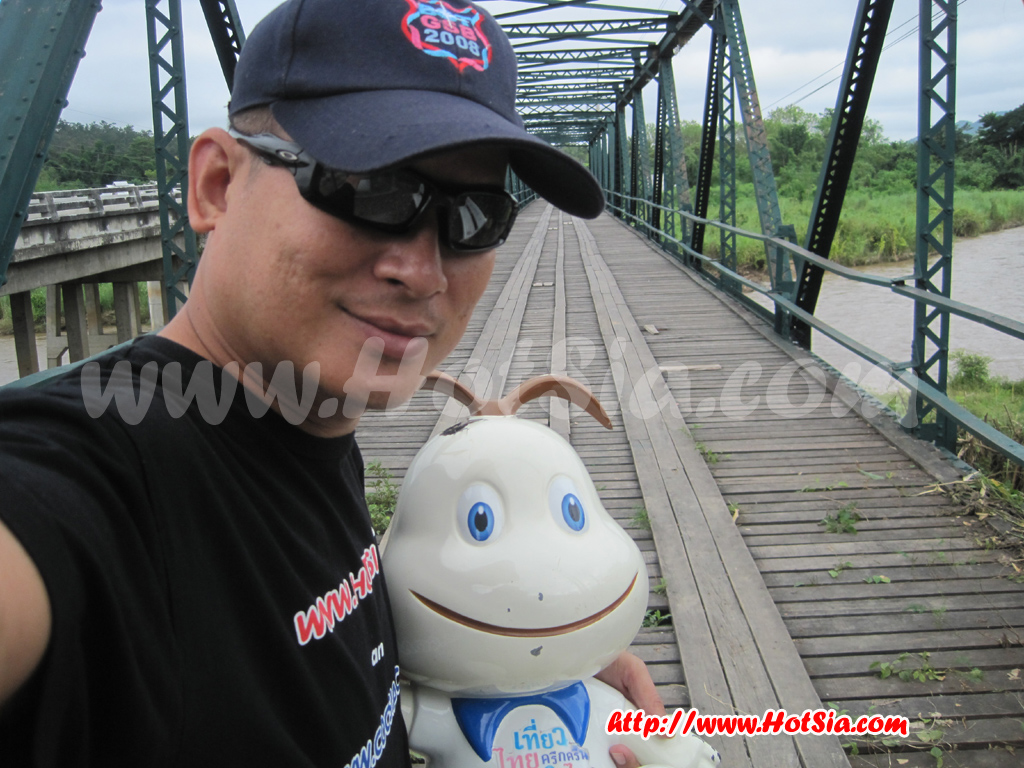
and was built during World War II. Taking a selfie, hehe. Pai Historical Bridge - memorial bridge.