ไทย
ไทย
 English

Phayao Homestay Travel: Mien Yao Village, Pha Daeng Village, Phayao
Homestay Travel at Mien Yao Village, Pha Daeng Village, Phayao http://www.hotsia.com > Homestay Travel at Mien Yao Village, Pha Daeng Village, Phayao. Mr. Hotsia explores Phayao city and beyond, including boat rides to see the lotus at Kwan Phayao, ancient Kalamae in Chiang Kham, Kwan Phayao viewpoint, Kwan Phayao walking street, Luang Pho Kamthep at Wat Nantararm, solo adventure homestay travel, Mien (Yao) tribe homestay, wild bee catching and tasting at Pha Daeng village, Ozone Valley at Ban Huak #1, and Ozone Valley Homestay Ban Huak 2.
Budget Travel Style by Hotsia.com. This trip I traveled to Phayao province by bus. From Phayao town, I took a local bus with air suspension to Sritoi Subdistrict Administrative Organization (SAO). Then, Mr. Arut, the headman and owner of the homestay where I was going to stay, kindly drove to pick me up at the SAO office. This saved me from renting a car to go up myself, which would have been expensive. The distance from the main road to Pha Daeng village is several tens of kilometers. This is perfect for travelers who like to save money.
In this economic situation, staying at a homestay like mine is a must. If you want to travel like the wealthy, you’d stay at a four or five-star hotel. But even without money, you can have fun and excitement. In this budget travel style I present in the trip “Solo Adventure Homestay Travel,” from Pang Tang Trong at Sritoi SAO, Mr. Arut drove me to buy personal items at Mae Chai district first before heading to Pha Daeng village. We also stopped to buy ice and rice that Mr. Arut had milled.
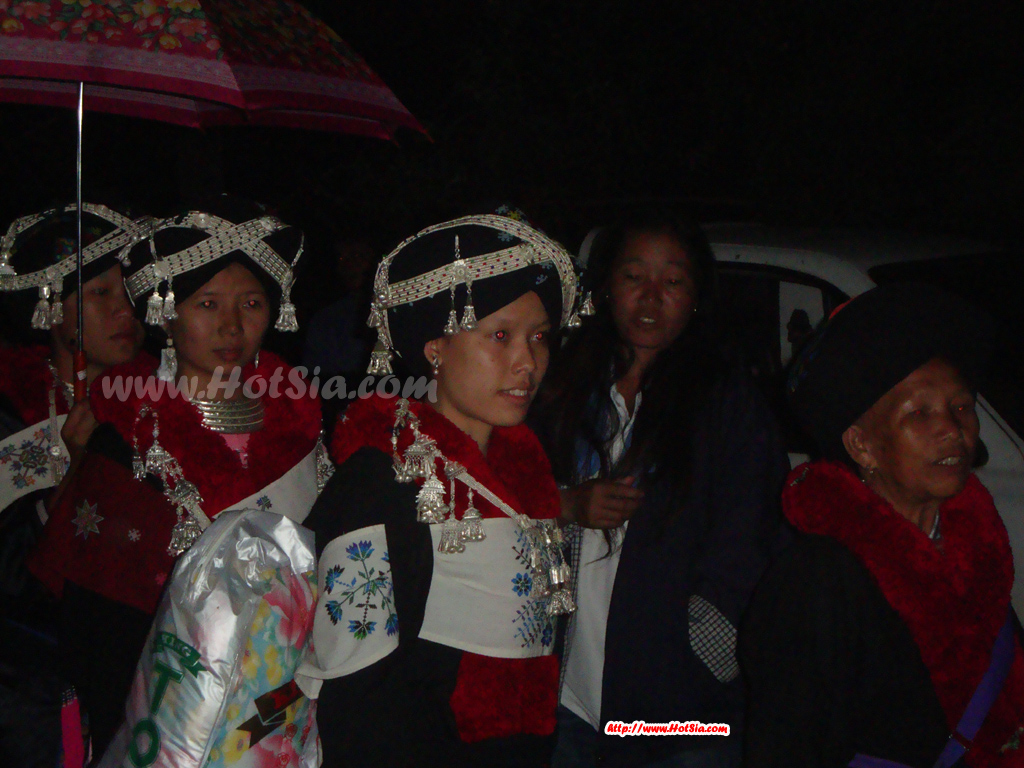
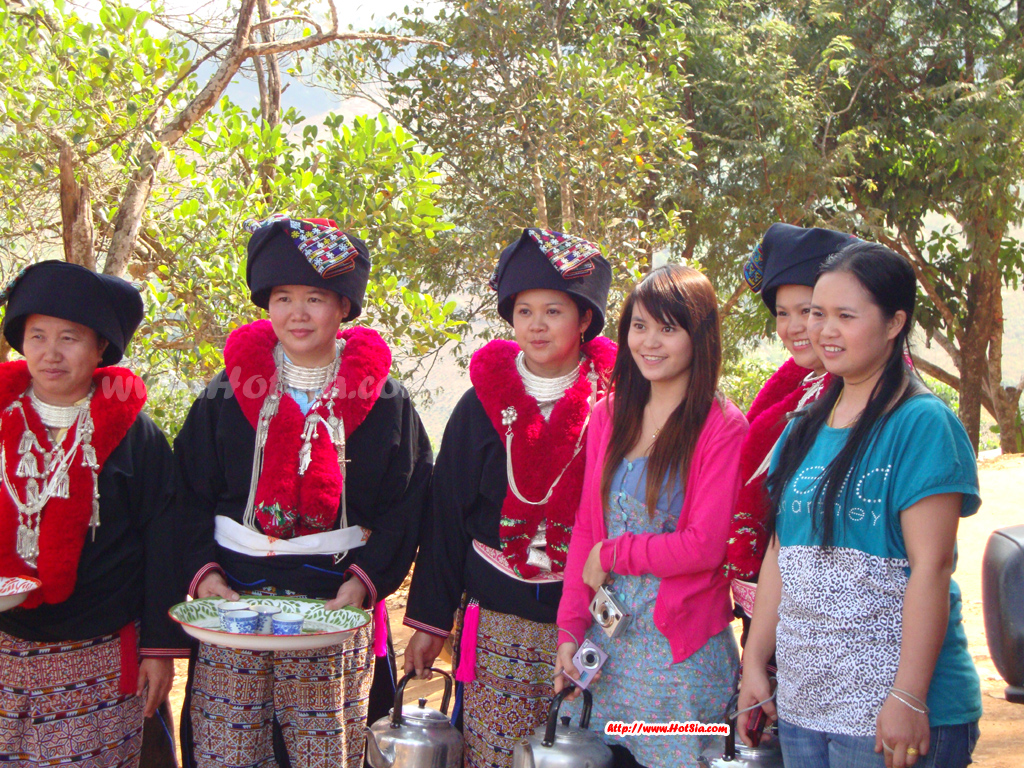
I spent less than an hour on Mr. Arut’s pickup truck before arriving at Pha Daeng village. At first glance, I was a bit disappointed because I didn’t see anyone wearing the Mien (Yao) traditional costume as I had hoped. I immediately asked Mr. Arut if the Mien men no longer wear their traditional Mien (Yao) costumes. He told me that because the weather has become hotter, wearing the costume is uncomfortable, so they only wear it during the cold season.
I began to understand because the Mien costume is not made of thin fabric like the Lisu people’s. The Mien costume is thick and includes wool. So, this trip was a bit less exciting because I didn’t see the Mien (Yao) traditional costume. The route to Pha Daeng village passes through many valleys, tens of kilometers long. These valleys are full of lychee trees, earning the name “Lychee Valley.” I already told Mr. Arut that I will definitely return to visit Lychee Valley.
Because when the lychee season comes, the whole valley is beautifully colored with lychee fruits, truly deserving the name “Lychee Valley.” So if you come to stay at the Mien homestay in Pha Daeng village, you will also get to explore Lychee Valley, making the trip worthwhile. Pha Daeng village is home to the Mien hill tribe. I gathered information from the website http://mien.hilltribe.org and summarized important parts to help understand the Mien people better.
[Yao] are classified as Mongoloid ethnicity, belonging to the Sino-Tibetan family. They first appeared in Chinese records during the Tang Dynasty under the name Mo Yao, meaning 'not under anyone’s authority.' It is said that over 2,000 years ago, their ancestors settled around Dongting Lake near the Yangtze River. They refused to submit to ruling states and oppression, so they migrated deep into the mountains and forests.
They established settlements by their own hands to protect their freedom, hence called Mo Yao. Yao Xi Lian recorded this in Liang Shu. Later during the Song Dynasty, this term was discontinued and only Yao remained. The term Yao appeared in Chinese documents around the 5th century BC, meaning wild or forest people. It is said that in China, the Yao people have 28 different self-names, but in Thailand, the Yao call themselves Mien or Iu Mien, meaning human or Yao person.
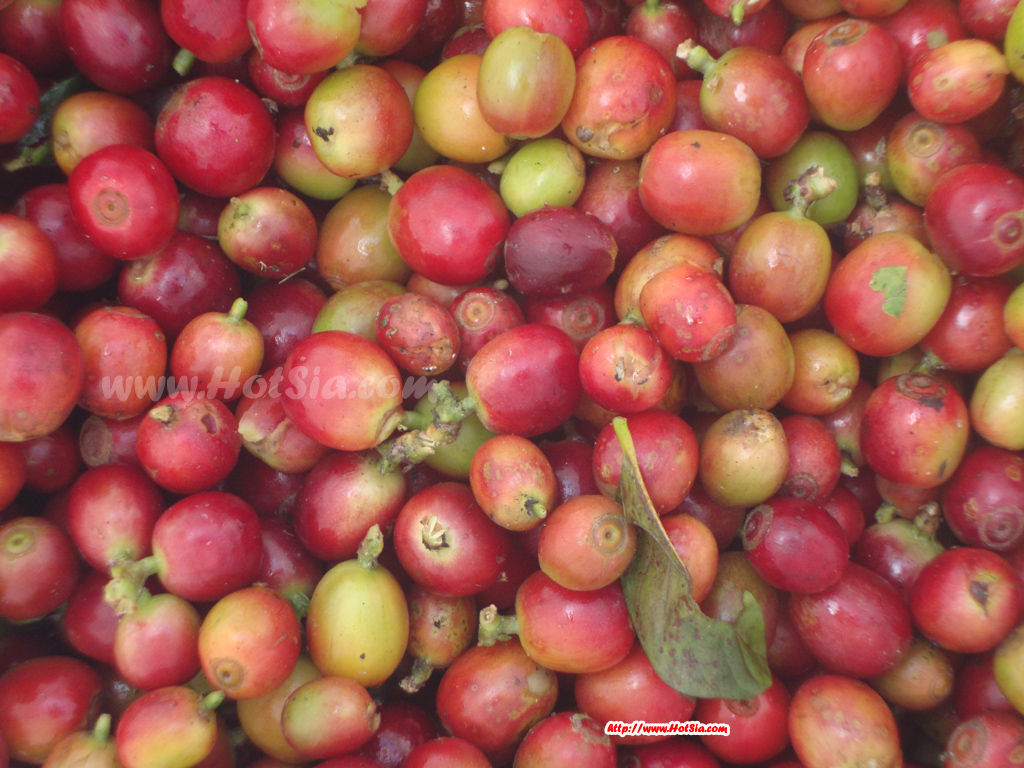
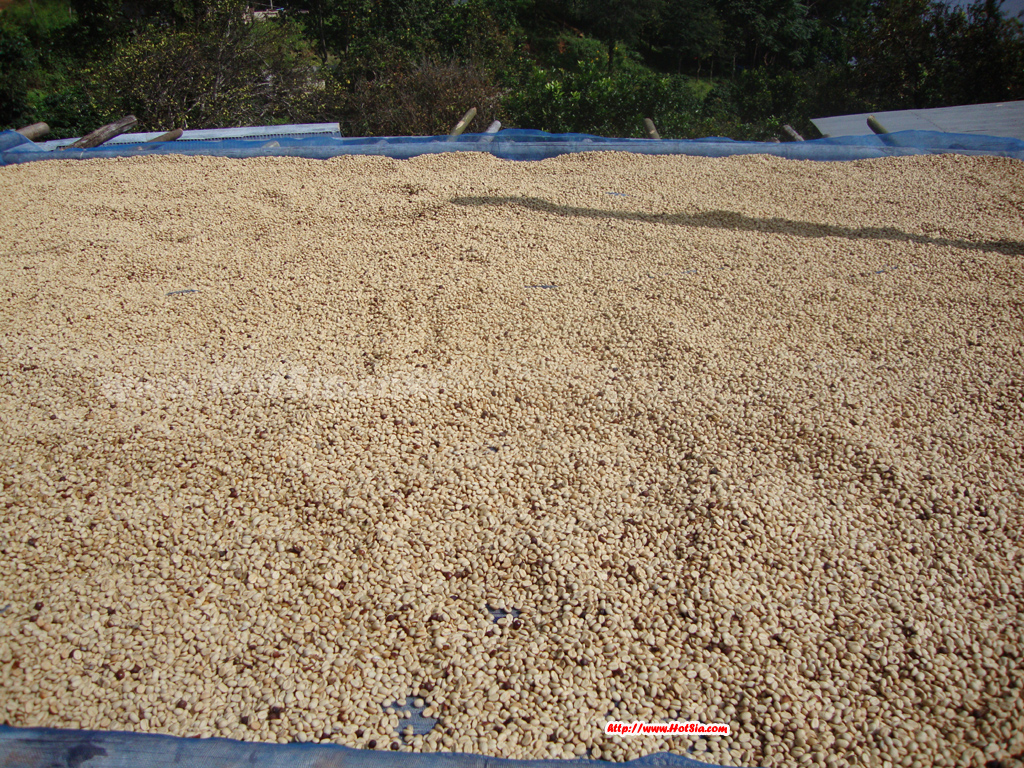
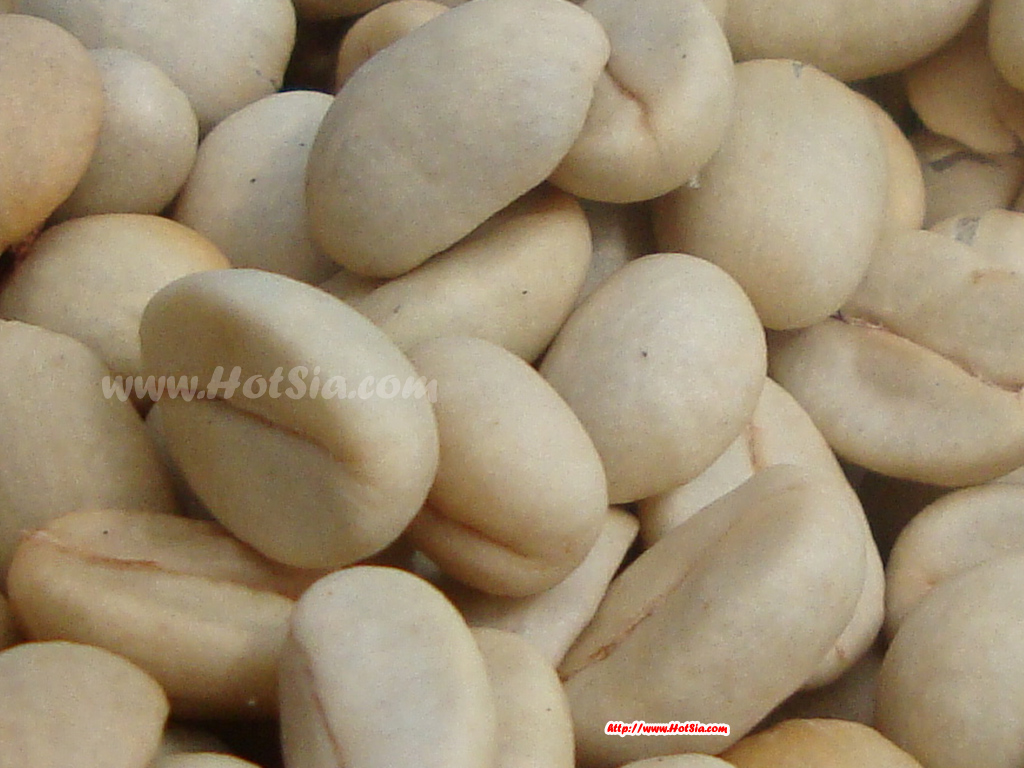
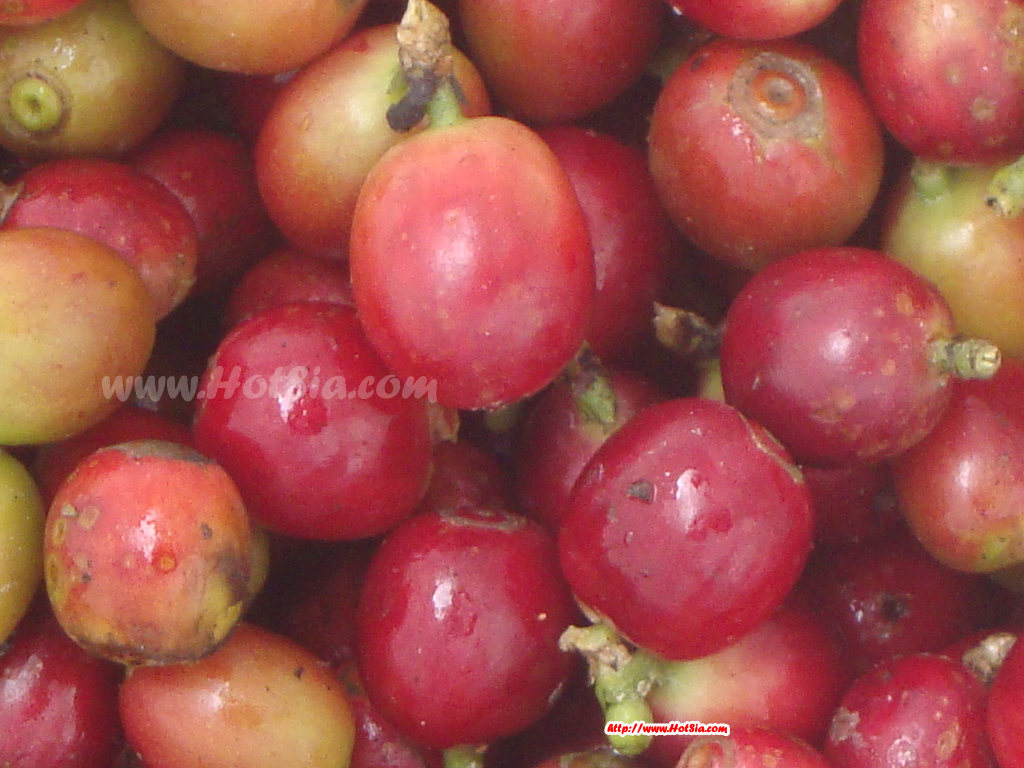
Sun An said that the Yao in China are divided into four major groups: Bian, Punu, Chasan, and Pingdi tribes. The Bian Yao tribe has the largest population and is the most migratory, spreading over the widest area. The current Yao language has evolved into three dialects: Mien, Punu, and Lanta. Here is a photo of coffee and children to whom I bought ice cream. The migration from China to Thailand involved 12 clans of the original Mien tribe. The migration routes of the major clans are documented in the book 'Descent from the Mountains' of the 12 clans at Zhonghexiang, the autonomous district of the Jianghua Yao nationality in Hunan Province, the original homeland of the Yao people at Nanhai Pu Qiaotou.
According to legends of some Yao tribes living south of Dongting Lake, their ancestors migrated from Pu Qiao Gou on the northern shore of Dongting Lake. It is assumed that Nanhai refers to Dongting Lake. The 12 Yao clans likely crossed the lake migrating south around the 15th-16th centuries. The Bian Yao tribe migrated into northern Vietnam through Laos and only arrived in Thailand about 100 years ago.
Mien-style chili paste does not use fish sauce but only salt. I am trying wild boar skin crackling. Regarding the weather on Pha Daeng hill during March when I stayed, the days were comfortably cool and the nights quite cold, requiring blankets. I recommend covering yourself before sleeping. On my first night, I drank several glasses of corn whiskey which kept me warm, so I slept without a blanket. I woke up very cold and almost got sick. A warning for travelers like me: drink corn whiskey moderately, or you might get too drunk and not enjoy your trip.
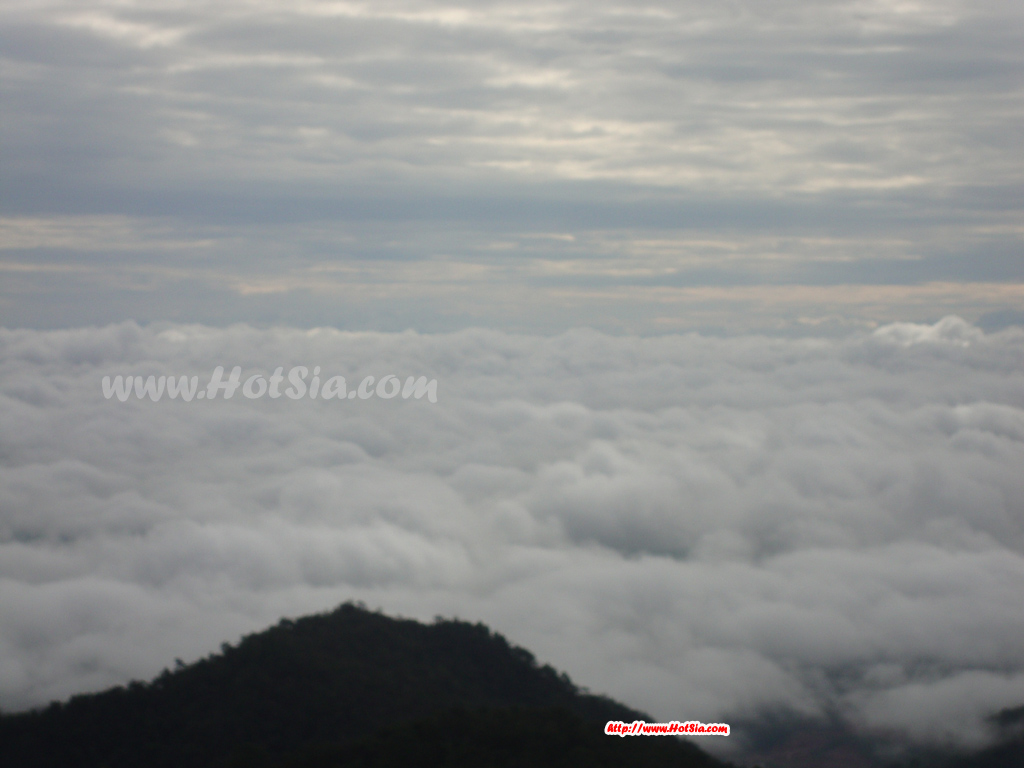
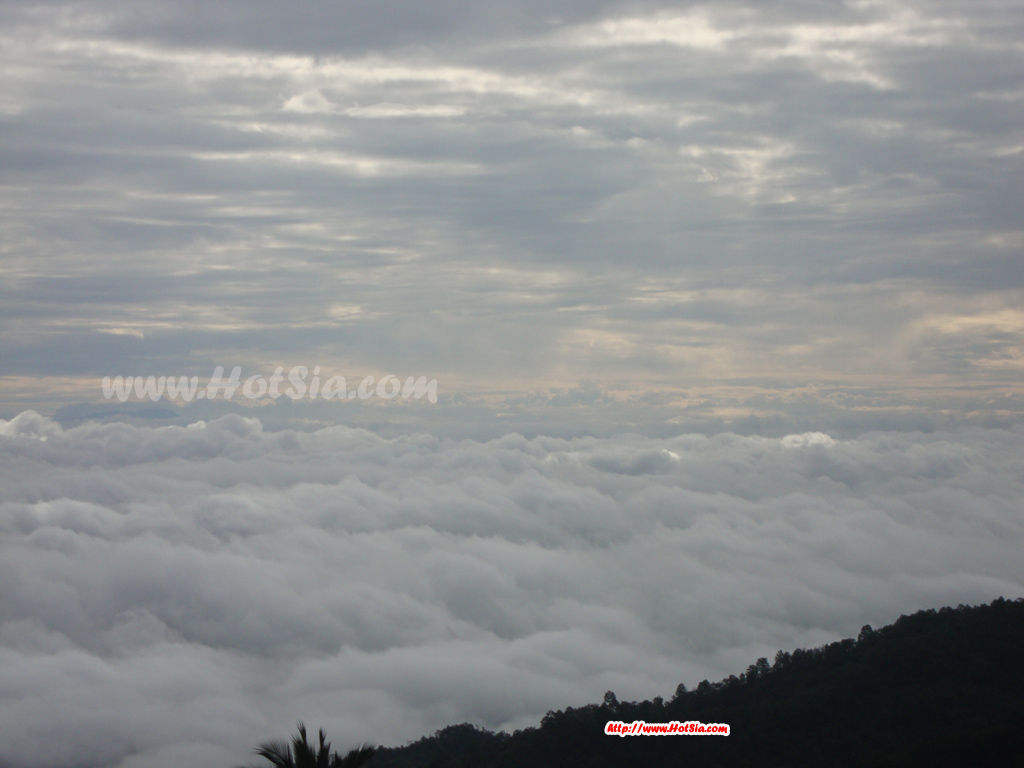
On Pha Daeng hill, there is a viewpoint at Ban Doi Pha Daeng where you can see the sea of mist during winter. The photo I show at the top was taken by Mr. Arut during winter. Just stepping outside the door, you can see the misty view. The scenery is truly beautiful. Pha Daeng village has prepared separate accommodations for tourists called homestays, but you won’t stay with local families. These are suitable for groups of more than one person.
Because if you go solo like me, staying in such a place would be lonely and scary at night, possibly feeling haunted. The house where I stayed belongs to Mr. Arut. Looking out from his front yard, during this visit, Mr. Arut let me stay at his own house. He lives there with his parents, who are quite elderly, around 50 years old. When I arrived, his parents were still out working in the garden and had not returned yet.
Phayao Homestay Travel: Mien Yao Village, Pha Daeng Village, Phayao - Image 2